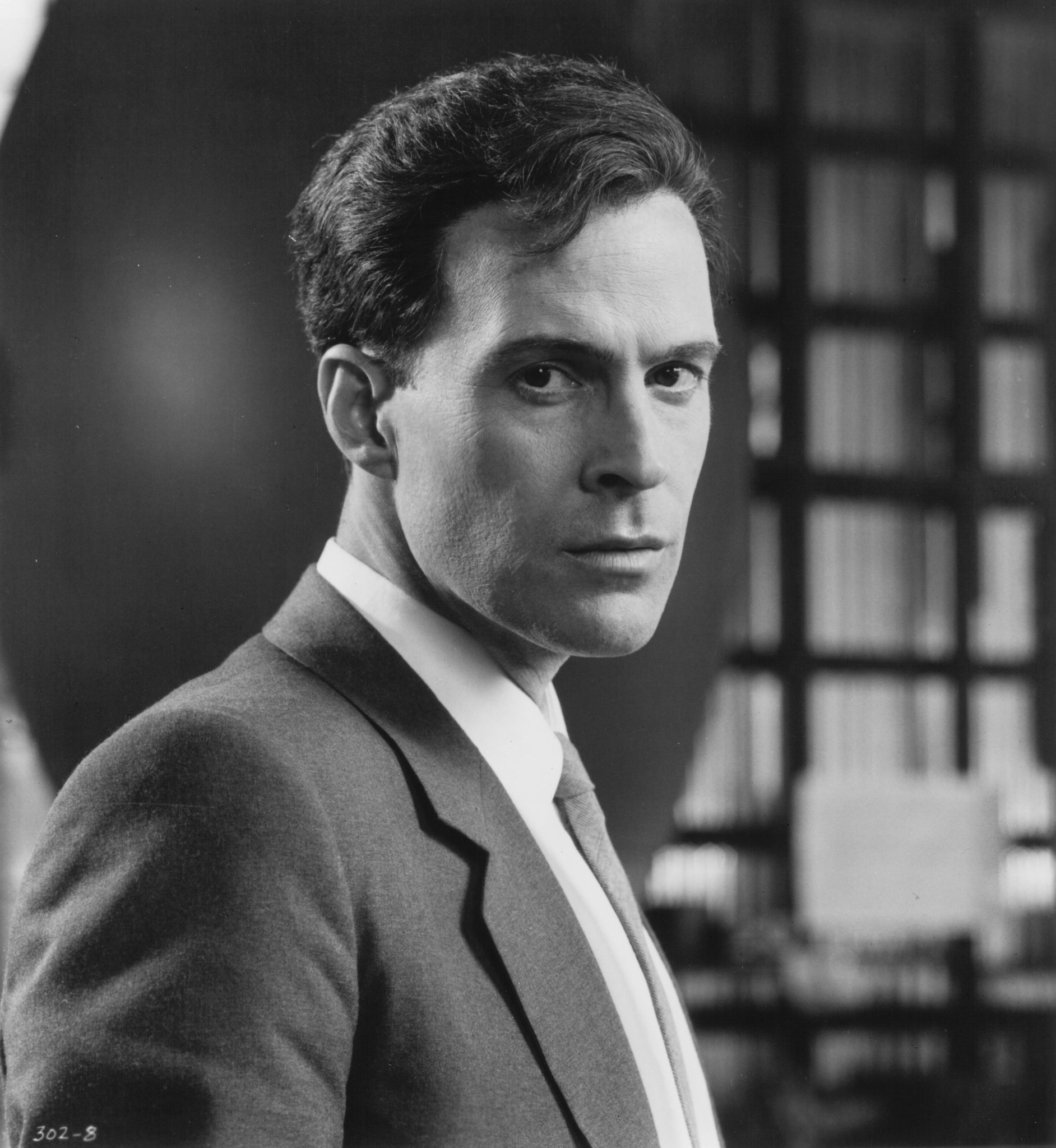
Dwight Schultz at 78: A Legacy of Iconic Roles and Voice Acting Excellence
In 2026, Dwight Schultz remains a distinguished figure in the entertainment industry, celebrated for a career that has successfully bridged the gap between high-octane 1980s television and the modern era of high-fidelity voice acting....
In 2026, Dwight Schultz remains a distinguished figure in the entertainment industry, celebrated for a career that has successfully bridged the gap between high-octane 1980s television and the modern era of high-fidelity voice acting. At 78 years old, Schultz’s enduring relevance is a testament to his versatility as a character actor and his ability to adapt to the evolving demands of the global media landscape.
Contents
Dwight Schultz was born on November 24, 1947, in Baltimore, Maryland. By 2026, he has spent over five decades navigating the complexities of Hollywood, transitioning from the stage to the small screen, and eventually becoming one of the most sought-after voices in animation and video games. His journey is not merely a chronicle of roles played, but a study in how an actor can maintain a dedicated fan base across multiple generations by inhabiting characters with profound psychological depth and comedic timing.
The Early Foundations: From Broadway to Hollywood
Before he became a household name in the mid-1980s, Dwight Schultz honed his craft in the theater. This period of his life is often overlooked by casual fans, yet it provided the technical foundation for his later success. Schultz spent years performing in regional theater and eventually made his way to New York, where he appeared in several major productions.
One of his most notable early stage roles was in the Broadway production of The Water Engine by David Mamet. Working in the New York theater scene during the 1970s required a level of discipline and vocal control that would later serve him well in the voice-over booth. His ability to memorize complex dialogue and deliver nuanced performances under the pressure of a live audience allowed him to transition seamlessly into television work.
By the early 1980s, Schultz began making guest appearances on popular shows of the era, such as Hill Street Blues and CHiPs. These roles often showcased his range, but it was his casting in a revolutionary action-adventure series that would change the trajectory of his life and career forever.
The A-Team and the Legend of "Howling Mad" Murdock
In 1983, The A-Team premiered on NBC, becoming an overnight cultural phenomenon. Dwight Schultz was cast as Captain H.M. "Howling Mad" Murdock, the resident pilot and resident "lunatic" of the group. While the show was known for its explosive action and the star power of Mr. T and George Peppard, it was Schultz’s portrayal of Murdock that provided the show's unpredictable heart.
Murdock was a complex character to play. He was a veteran suffering from what was then depicted as a lighthearted form of "insanity," frequently escaping from a Veterans Affairs psychiatric ward to join the team on missions. Schultz brought a frantic energy to the role, often improvising dialogue and physical comedy that elevated the character beyond a simple archetype.
What made Murdock iconic was the chemistry Schultz shared with his co-stars, particularly Mr. T’s B.A. Baracus. The "fool/straight man" dynamic between the two provided the show with much of its humor. At 78, Schultz often reflects on this period as a time of immense creative freedom, where he was allowed to experiment with voices and personalities—a precursor to his eventual dominance in the voice-acting field.
Redefining the "Everyman" in Star Trek: The Next Generation
Following the conclusion of The A-Team in 1987, many actors might have struggled to find a second iconic role. However, Schultz found his next major breakthrough in the Star Trek universe. In 1990, he debuted as Lieutenant Reginald Barclay in the Star Trek: The Next Generation episode "Hollow Pursuits."
Barclay was a departure from the typical Starfleet officer. While most characters in Star Trek were depicted as hyper-competent and socially poised, Barclay struggled with severe social anxiety, holodeck addiction, and a general lack of confidence. Schultz’s performance was groundbreaking for the franchise; he portrayed the "everyman" who felt out of place in a futuristic utopia.
The character resonated so deeply with the audience that Schultz was brought back for multiple episodes of The Next Generation, several episodes of Star Trek: Voyager, and a cameo in the film Star Trek: First Contact. Through Barclay, Schultz explored themes of mental health, addiction, and personal growth within a science-fiction framework. Fans today, in 2026, still cite Barclay as one of the most relatable characters in the history of the franchise, largely due to the vulnerability Schultz brought to the role.
The Transition to Voice Acting and Animation
As the 1990s progressed and the nature of television production shifted, Dwight Schultz leaned into his most versatile instrument: his voice. He realized early on that the voice-over industry offered a longevity that live-action roles sometimes lacked for aging actors.
His work in animation is vast and varied. One of his most recognizable modern roles is that of Mung Daal in the Cartoon Network series Chowder. As the wise yet eccentric master chef, Schultz utilized a distinct, gravelly yet warm tone that became a staple of the show’s success. This role introduced him to a much younger audience, many of whom were unaware of his previous life as an action star or a Starfleet officer.
Schultz’s voice work extends into the world of superheroes and villains as well. He has voiced characters such as Vulture in Spider-Man media and various roles in the DC Animated Universe. His ability to manipulate his pitch and cadence allows him to play characters ranging from the sinister and calculating to the absurd and high-pitched.
Impact on the Video Game Industry
In the 21st century, video games evolved into a narrative medium that rivaled cinema, and Dwight Schultz was at the forefront of this shift. For gamers, his voice is synonymous with some of the most critically acclaimed titles in history.
He provided the voice for the character of Professor Pyg in the Batman: Arkham series, delivering a chilling, theatrical performance that stood out in a cast of world-class voice actors. In the Mass Effect series, he voiced Navigator Pressly, a character whose personal journals provided deep lore and emotional stakes for players. Other major credits include:
| Game Title | Character/Role | Genre |
|---|---|---|
| Dragon Age: Origins | Bodahn Feddic / Danal | RPG |
| God of War | Helios | Action-Adventure |
| Wolfenstein: The New Order | Wilhelm "Deathshead" Strasse | First-Person Shooter |
| Fallout 4 | Knight Captain Cade | Open World RPG |
| Final Fantasy X/X-2 | Maechen / O'aka XXIII | JRPG |
Schultz’s work in the Dragon Age and Mass Effect franchises demonstrates his ability to handle "lore-heavy" dialogue, making complex world-building feel natural and engaging. In 2026, his contributions to the gaming industry are viewed as foundational, helping to set the standard for what professional voice acting can bring to interactive storytelling.
Personal Philosophy and Public Life at 78
At 78, Dwight Schultz has largely stepped back from the grueling schedules of live-action television, but he remains active in the voice-over community. He is also known for his foray into political commentary, having hosted The Schultz Report, a podcast where he discussed current events and politics from a conservative perspective. While this work was distinct from his acting career, it demonstrated his desire to engage with the world beyond the script.
Schultz has often spoken about the importance of "staying curious." In interviews conducted over the years, he has emphasized that the key to his longevity was never becoming too attached to a single identity. When he was a stage actor, he looked toward TV; when he was a TV star, he looked toward voice work. This adaptability has allowed him to maintain a fulfilling career into his late 70s without the "burnout" common in the industry.
He resides in California with his wife, Wendy Fulton, whom he married in 1983. Their marriage is a rarity in Hollywood for its stability and longevity, spanning the entirety of his rise to fame and his later transition into veteran status.
Career Overview and Legacy
To understand why Dwight Schultz remains a figure of interest at 78, one must look at the breadth of his influence. He is one of the few actors who can walk into a Star Trek convention, a 1980s nostalgia event, or a gaming expo and be recognized as a primary contributor to that subculture.
Frequently Asked Questions
How did Dwight Schultz get the role of Murdock? Schultz originally auditioned with a variety of voices and eccentricities that caught the producers' attention. They were looking for someone who could balance the comedy of the character with the genuine skill of a pilot. Schultz's background in theater gave him the range to make Murdock's "craziness" feel like a protective layer rather than a caricature.
Is Dwight Schultz still acting in 2026? While he has retired from most high-intensity live-action filming, Schultz continues to provide voice-over work for select animation and video game projects. His voice remains a preferred choice for developers looking for "legacy" talent with a high degree of technical skill.
What is his most famous role? Most general audiences know him best as H.M. Murdock from The A-Team. However, within specific fan communities, his portrayal of Reginald Barclay in Star Trek is considered equally significant for its emotional depth and representation of social anxiety.
Has he ever reprised his role as Murdock? In the 2010 A-Team feature film, Schultz made a cameo appearance alongside his former co-star Dirk Benedict. While he did not play the lead role (which went to Sharlto Copley), his presence served as a "passing of the torch" to the new generation.
What is Dwight Schultz's approach to voice acting? Schultz treats voice acting with the same rigor as stage acting. He is known for arriving at recording sessions with a fully developed "inner life" for his characters, often asking questions about a character's motivations even for minor roles in video games.
Practical Recommendation for Fans
For those looking to explore the depth of Dwight Schultz’s career beyond his most famous roles, it is highly recommended to revisit the Star Trek: Voyager episode "Pathfinder." This episode serves as a masterclass in his ability to carry a narrative, as it focuses almost entirely on Barclay’s efforts to contact the lost ship from Earth. Additionally, listening to his performance as Professor Pyg in Batman: Arkham Knight provides a stark contrast to his more heroic or comedic roles, showcasing the range he still possesses as he approaches his eighth decade.
At 78, Dwight Schultz stands as a reminder that the most successful careers are built on a foundation of craft, adaptability, and a genuine love for the art of storytelling, regardless of the medium.
Image Gallery