The Essential Guide to Miami Heat Beat Writers: 2026 Media Landscape
Miami Heat beat writers are professional journalists dedicated to providing daily, comprehensive coverage of the franchise, ranging from injury updates and practice reports to deep-dive salary cap analysis and trade rumors. In 2026, th...
Miami Heat beat writers are professional journalists dedicated to providing daily, comprehensive coverage of the franchise, ranging from injury updates and practice reports to deep-dive salary cap analysis and trade rumors. In 2026, the primary sources for credible Heat news remain the established reporters at the Miami Herald, the South Florida Sun-Sentinel, and the Associated Press, supplemented by a robust network of digital-first independent creators and podcasters.
Contents
The Miami Heat organization is famously insular, often referred to as "The Brotherhood" or "Heat Culture." Because the team keeps internal matters strictly confidential, the role of the beat writer is vital. These journalists travel with the team for all 41 road games, attend every morning shootaround, and build the relationships necessary to provide context that a box score cannot. For fans looking to navigate the 2026 landscape of Heat media, understanding who provides the most reliable information and where to find it is the first step in staying informed.
The Evolution of the Miami Heat Beat
The landscape of sports journalism has shifted dramatically over the last decade, and the Miami Heat beat is no exception. While the "Big Three" era (2010–2014) saw a massive influx of national media presence in South Florida, the 2026 environment is defined by a blend of veteran print journalism and agile digital platforms.
Beat writers today are no longer just writers; they are multi-platform content creators. A typical day for a modern Heat beat reporter involves tweeting live updates from practice at the Kaseya Center, recording a mid-day podcast, writing a long-form feature for a digital edition, and engaging with fans on social media platforms. Despite the change in medium, the core requirement remains the same: accuracy and access.
Primary Outlets and Lead Reporters
To get the most accurate information regarding roster moves, coaching decisions by Erik Spoelstra, or the health status of key players, fans typically look to three legacy outlets that have maintained credentialed access for decades.
The Miami Herald
The Miami Herald remains the "paper of record" for the franchise. As of 2026, the coverage is led by Anthony Chiang, who has established himself as one of the most meticulous reporters on the beat. Chiang’s work is characterized by high-level tactical analysis and a deep understanding of the NBA’s Collective Bargaining Agreement (CBA).
Joining him frequently is Barry Jackson, a veteran sportswriter known for his "Sports Buzz" columns. Jackson often provides the "insider" perspective, breaking news on front-office intentions and free-agent targets. The Herald’s coverage is often behind a paywall, reflecting the high cost of maintaining a full-time traveling beat writer, but it remains a primary source for serious fans.
South Florida Sun-Sentinel
The South Florida Sun-Sentinel features the longest-tenured reporter on the beat, Ira Winderman. Winderman has covered the team since its inaugural season in 1988. His "Ask Ira" column is a staple of Heat media, where he answers fan questions with a mix of historical context and pragmatic realism.
Winderman is known for his presence at every single game and his ability to track minute-to-minute changes in rotation patterns. His longevity has earned him a level of respect within the organization that allows for unique insights into the coaching philosophy of the Heat's leadership, including Pat Riley and Andy Elisburg.
The Associated Press (AP)
While the AP is a global news agency, their lead NBA writer, Tim Reynolds, is based in South Florida and provides what many consider the gold standard of Heat reporting. Because Reynolds covers the team for a national and international audience, his reporting is strictly factual and often provides the first official confirmation of major news events, such as trades or retirements.
The Role of Independent and Digital-First Media
In 2026, the "beat" has expanded beyond traditional newspapers. Independent outlets have gained significant traction by offering niche coverage that legacy media sometimes overlooks.
Five Reasons Sports Network
Founded by former mainstream reporters, Five Reasons Sports has become a powerhouse in the Miami market. They provide a high volume of content through their podcast network and social media channels. While their style is more informal and fan-centric than the Herald or Sun-Sentinel, they frequently break news regarding player perspectives and locker room chemistry.
Locked On Heat
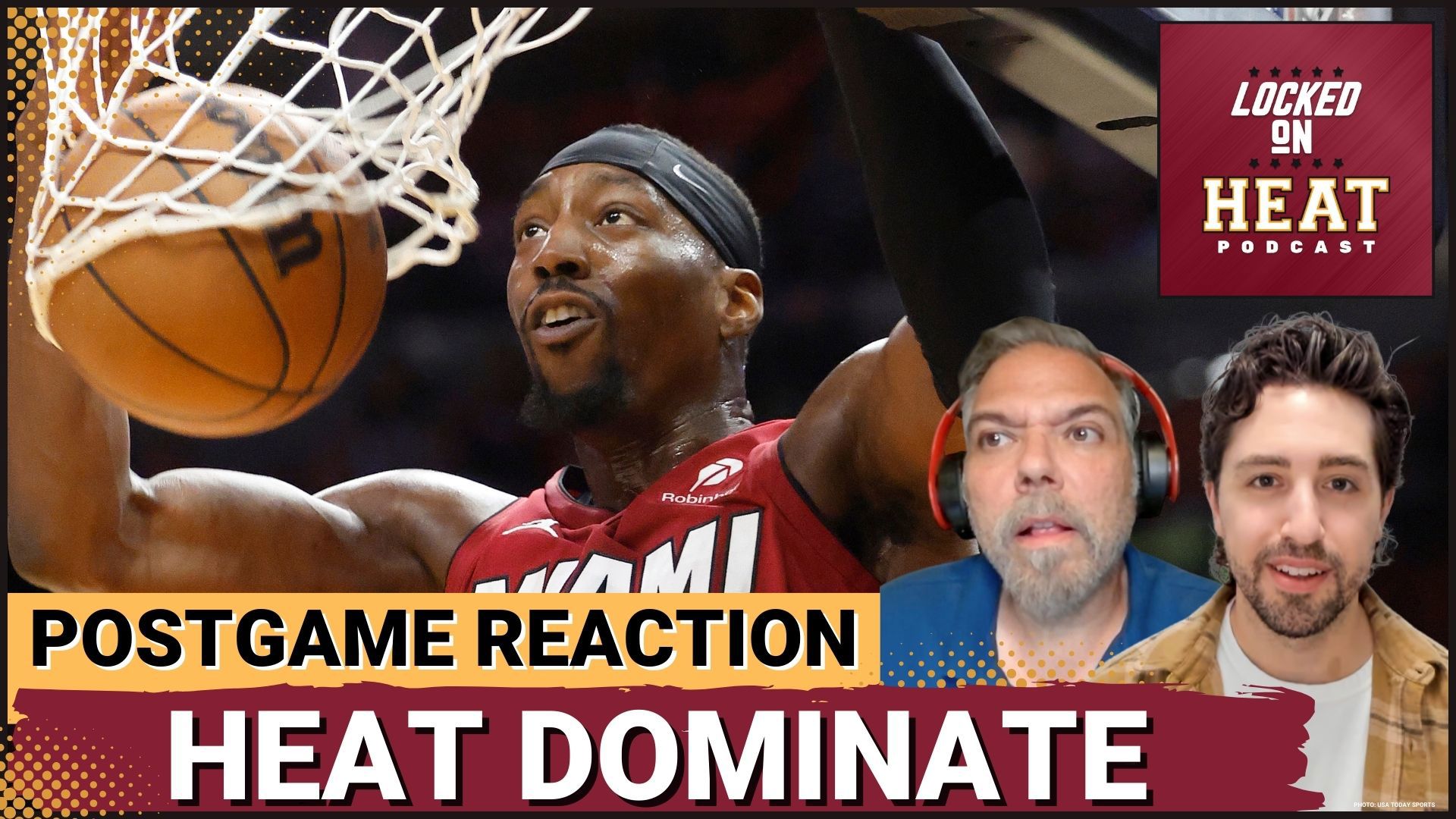
Part of the larger "Locked On Podcast Network," this daily show provides a beat-writer style breakdown of every game. The hosts often attend home games and provide immediate "instant reaction" content that satisfies the 24-hour news cycle demand of modern NBA fans.
Comparing Key Miami Heat Beat Sources
The following table compares the primary sources of Miami Heat news based on their reporting style, primary platform, and areas of expertise.
| Reporter/Outlet | Primary Platform | Reporting Style | Best For |
|---|---|---|---|
| Anthony Chiang (Miami Herald) | Digital/Print | Analytical & Tactical | Cap space, rotation depth, salary details |
| Ira Winderman (Sun-Sentinel) | Digital/Print | Observational & Historical | Daily updates, historical context, "Ask Ira" |
| Barry Jackson (Miami Herald) | Column/Social | Insider & News-driven | Trade rumors, front-office moves, scoops |
| Tim Reynolds (AP) | Newswire/Social | Objective & Factual | Breaking news, league-wide context, milestones |
| Five Reasons Sports | Podcast/Digital | Fan-centric & Opinionated | Player chemistry, local narratives, high-volume content |
How to Verify Heat News and Avoid "Fake News"
In the fast-paced world of NBA Twitter (X) and other social platforms, misinformation is common. Distinguishing between a legitimate beat writer and a "clout-chaser" is essential for Heat fans.
- Check for Credentials: Legitimate beat writers are credentialed by the NBA. This means they have physical access to the arena, the locker room, and the practice facility. If a "reporter" never posts original photos from the arena or quotes from their own interviews, they are likely aggregating news rather than reporting it.
- Look for Cross-Verification: Major news (like a Bam Adebayo contract extension) will never be exclusive to a single anonymous social media account for long. If a story is true, Chiang, Winderman, or Reynolds will usually confirm it within minutes.
- Evaluate the Track Record: Reliable beat writers rarely use "clickbait" headlines. They prioritize their reputation over short-term engagement. If an account frequently posts "bombshell" rumors that never come to fruition, it is not a credible source.
The Challenges of Covering "Heat Culture"
Covering the Miami Heat is widely considered one of the most difficult "beats" in professional sports. The organization, led by President Pat Riley, operates with a level of secrecy comparable to a government agency.
Limited Access
Unlike some NBA teams that allow reporters significant time with players, the Heat tightly control media windows. Practice is rarely open for long, and the team is known for being vague with injury reports, often using the "Day-to-Day" designation for weeks. Beat writers must become experts at reading body language and interpreting "coach-speak" to give fans an accurate picture of the team's status.
Traveling the Beat
The physical toll on beat writers is significant. Following the Heat through a standard 82-game season involves constant travel, late-night filing of stories, and morning appearances on radio or podcasts. This commitment is what separates a true beat writer from a general sports columnist. In 2026, the Heat's travel schedule remains one of the most grueling in the Eastern Conference due to their geographic isolation in the Southeast.
Frequently Asked Questions
Who is the best Miami Heat beat writer to follow on social media?
For the fastest news updates, Anthony Chiang and Ira Winderman are essential follows. They provide real-time updates on starting lineups, in-game injuries, and post-game quotes. If you prefer long-form scoops and rumors, Barry Jackson is the go-to source.
Do Miami Heat beat writers travel with the team?
Yes, the primary writers for the Miami Herald and the South Florida Sun-Sentinel travel to every road game. This allows them to provide consistent coverage and maintain relationships with players and staff throughout the long NBA season.
How do I get past the paywall for Heat news?
Most legacy outlets like the Miami Herald require a subscription. However, many beat writers share the "core" facts of their stories on social media for free. To support the depth of reporting required to cover a pro team, many fans find that a digital subscription is a worthwhile investment.
Are there any Spanish-language Miami Heat beat writers?
Yes, given Miami's demographic, outlets like El Nuevo Herald provide dedicated Spanish-language coverage. These reporters are also credentialed and offer the same level of access as their English-speaking counterparts, often providing unique perspectives for the Hispanic fanbase.
What is the difference between a beat writer and a national reporter?
A beat writer focuses exclusively on the Miami Heat every single day. A national reporter (like those at ESPN or The Athletic) covers the entire NBA. While national reporters may break major trade news, they do not provide the daily updates on practice or bench rotations that a local beat writer does.
Final Recommendation for Fans
For the most complete experience, fans should utilize a "tiered" approach to media consumption. Follow Ira Winderman and Anthony Chiang for daily essentials and tactical updates. Use Tim Reynolds for verified league-wide news. For those who want a more community-driven, conversational style, the Five Reasons Sports Network or Locked On Heat podcasts serve as excellent supplements. By diversifying your sources among these established professionals, you ensure a balanced view of the team that filters out the noise of unverified rumors.
Image Gallery