Stevens Institute of Technology Ranking Overview: 2026 Analysis and National Standings
Stevens Institute of Technology consistently ranks as a premier private research university in the United States, typically positioned within the top 80 to 90 national universities. In 2026, it remains a leader in return on investment...
Stevens Institute of Technology consistently ranks as a premier private research university in the United States, typically positioned within the top 80 to 90 national universities. In 2026, it remains a leader in return on investment (ROI) and career outcomes, frequently placing among the top 15 schools nationally for mid-career salary potential and specialized engineering and business programs.
Contents
Understanding the National Ranking Landscape
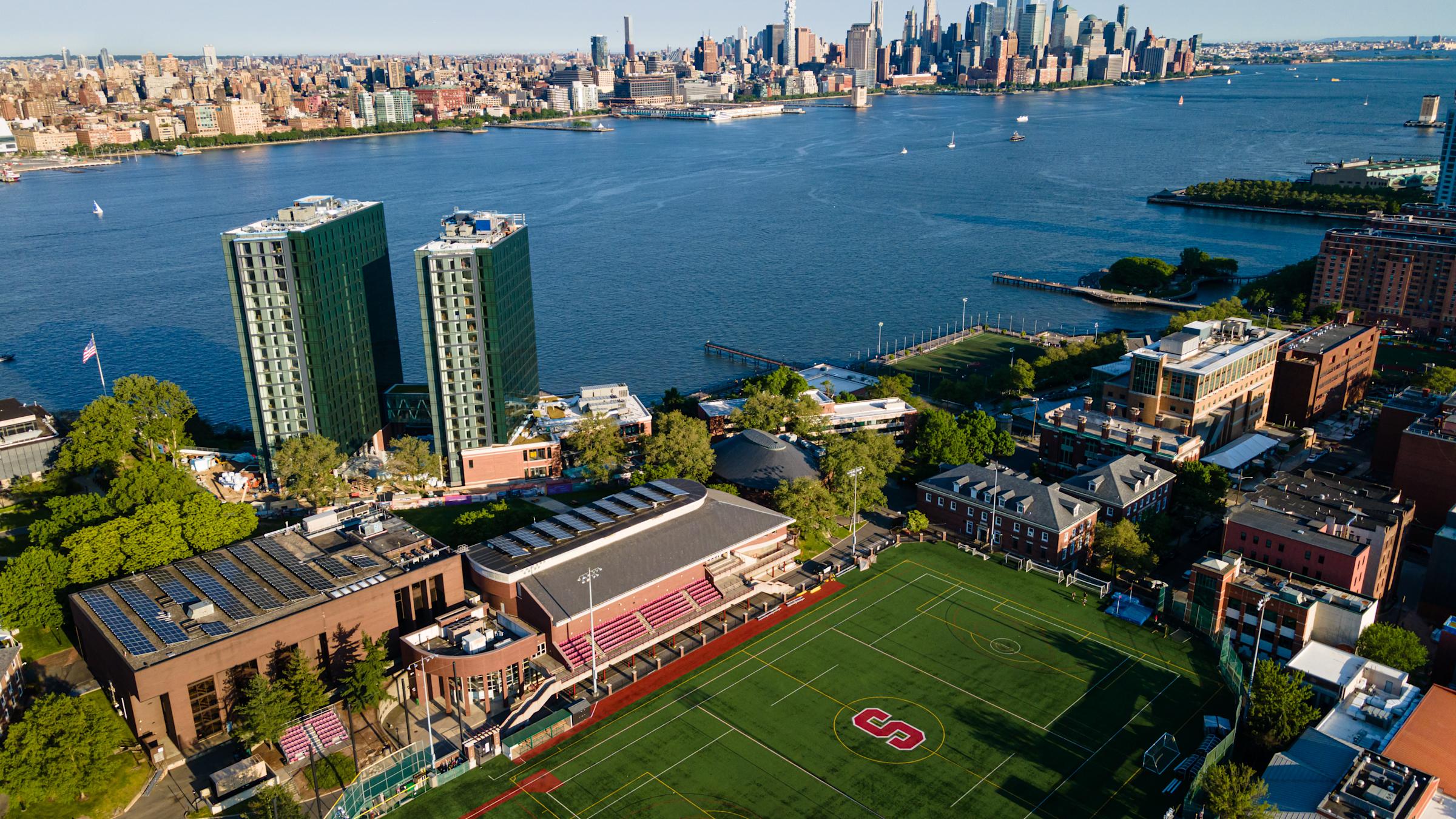
Stevens Institute of Technology, located in Hoboken, New Jersey, occupies a unique niche in the American higher education landscape. As a "technological university," it competes not only with broad-based liberal arts universities but also with specialized polytechnic institutes. In the 2026 academic cycle, major ranking bodies like U.S. News & World Report and the Wall Street Journal/Times Higher Education continue to recognize Stevens for its rigorous curriculum and student success metrics.
The university’s national ranking is driven by several key factors: graduation and retention rates, faculty resources, and "social mobility" indicators. Stevens maintains a high freshman retention rate, often exceeding 90%, which signals student satisfaction and academic support. Furthermore, its student-to-faculty ratio remains low, allowing for the specialized, project-based learning that has become the hallmark of the Stevens curriculum.
While its overall national rank often hovers in the top 100, these figures frequently undersell the institution's specific strengths. For students focused on STEM (Science, Technology, Engineering, and Mathematics) and technology-driven business management, Stevens often outranks larger, more famous state universities due to its specialized focus and proximity to the New York City financial and tech hubs.
Return on Investment and Career Outcome Rankings
For many families, the most critical "ranking" is the return on investment. Stevens is historically a powerhouse in this category. Organizations such as PayScale and the Georgetown University Center on Education and the Workforce consistently rank Stevens in the top 1% of U.S. colleges for long-term ROI.
In 2026, the university continues to see its graduates command high starting salaries, often exceeding $75,000 to $80,000 depending on the major. The "mid-career" salary ranking is even more impressive, with Stevens frequently appearing alongside Ivy League institutions. This performance is largely attributed to the university's "Co-op" program and its Career Center, which maintains deep ties with Fortune 500 companies in Manhattan and the surrounding "Gold Coast" of New Jersey.
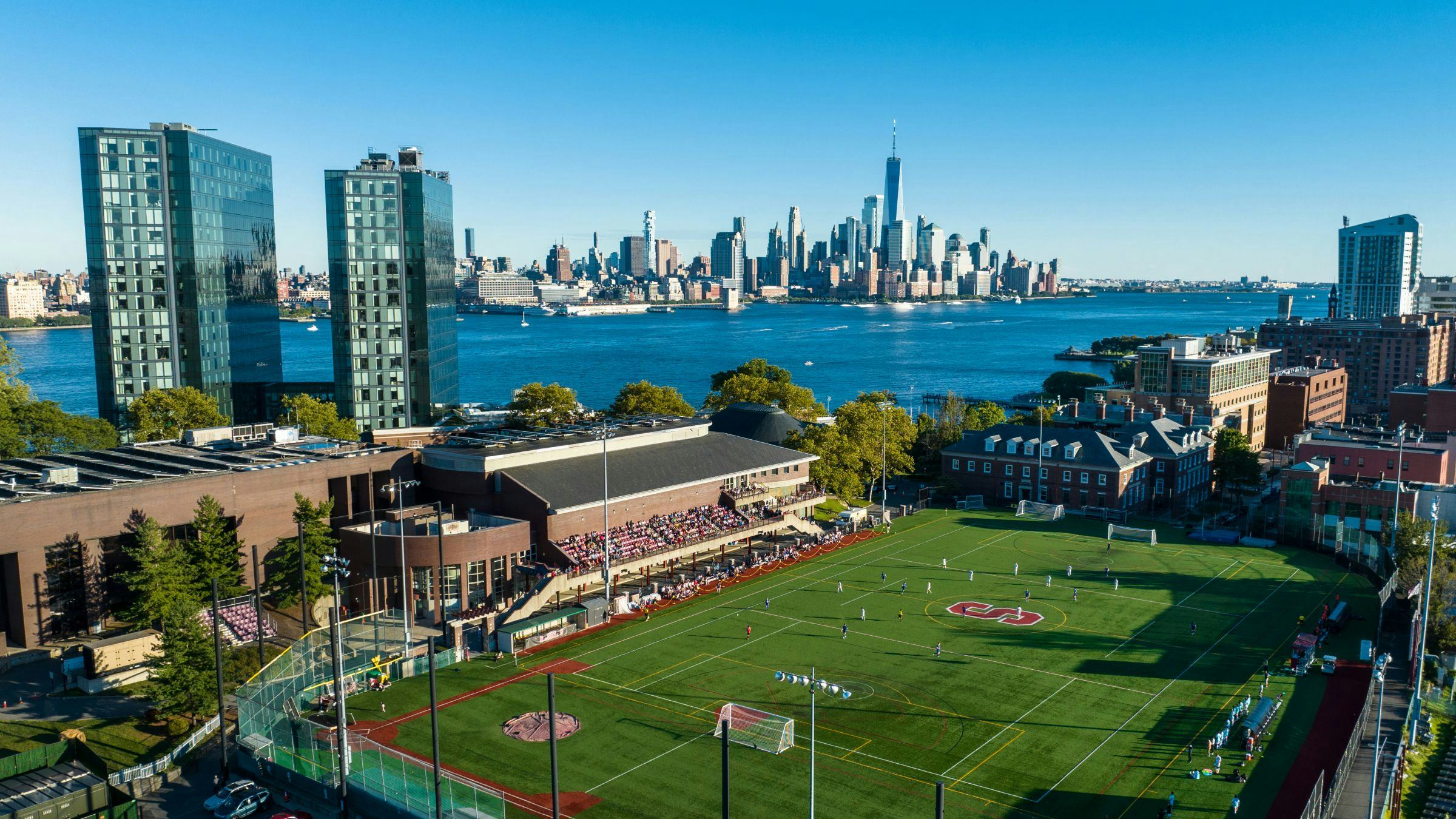
The university's location provides a structural advantage that influences these rankings. Being a 10-minute PATH ride away from New York City allows Stevens to integrate industry professionals into its faculty and provides students with year-round internship opportunities that are not available to more isolated campus locations.
Subject-Specific Rankings: Engineering, Business, and Computer Science
Broad institutional rankings often obscure the excellence of individual schools within Stevens. The university is organized into four distinct schools, each with its own reputation and ranking trajectory.
The Charles V. Schaefer, Jr. School of Engineering and Science
As the oldest school within the university, it remains the most highly ranked for its undergraduate and graduate engineering programs. In 2026, specialized rankings for Civil Engineering, Mechanical Engineering, and Chemical Engineering continue to place Stevens in the upper echelons. The school is particularly noted for its research in maritime engineering and defense, often receiving significant funding from federal agencies.
The School of Business
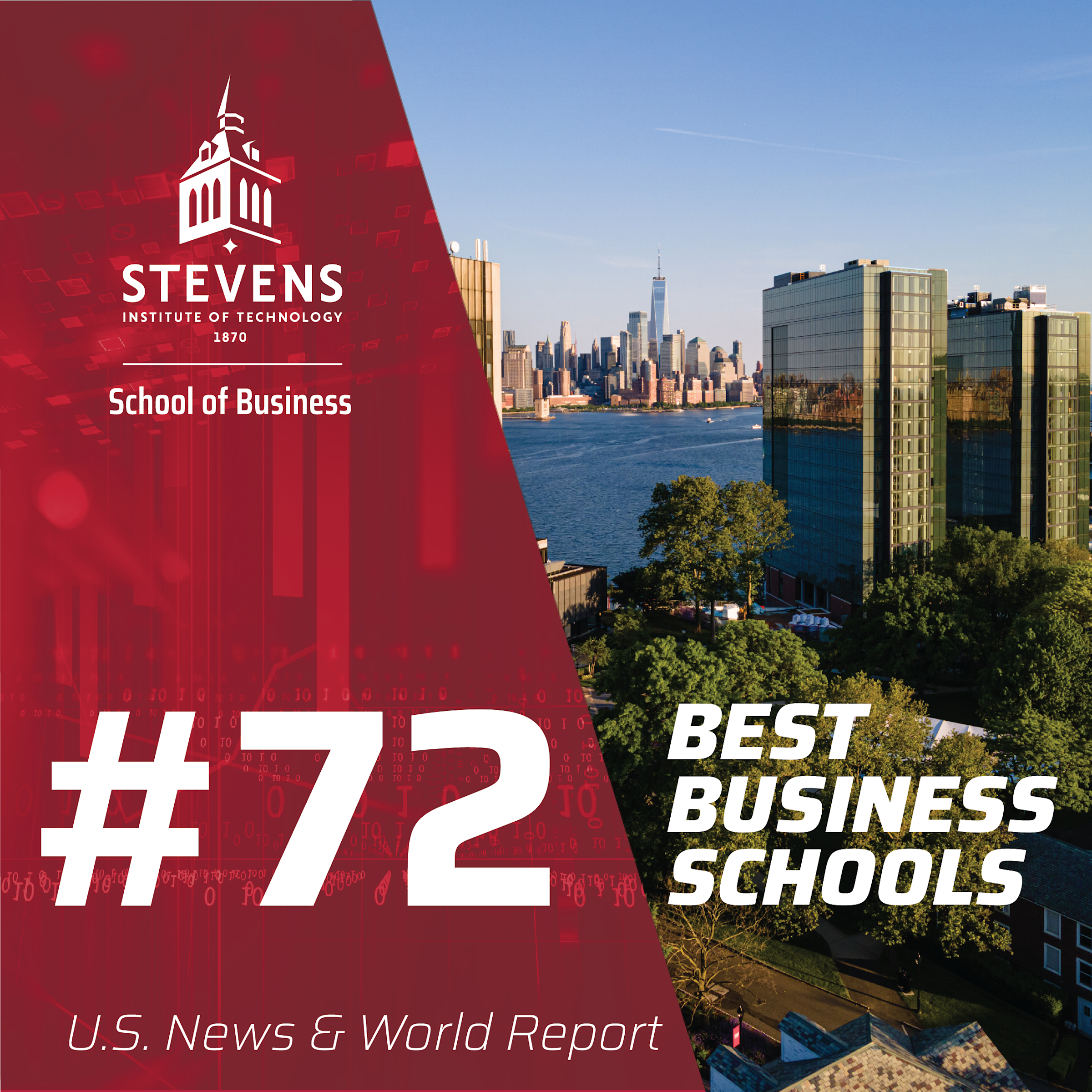
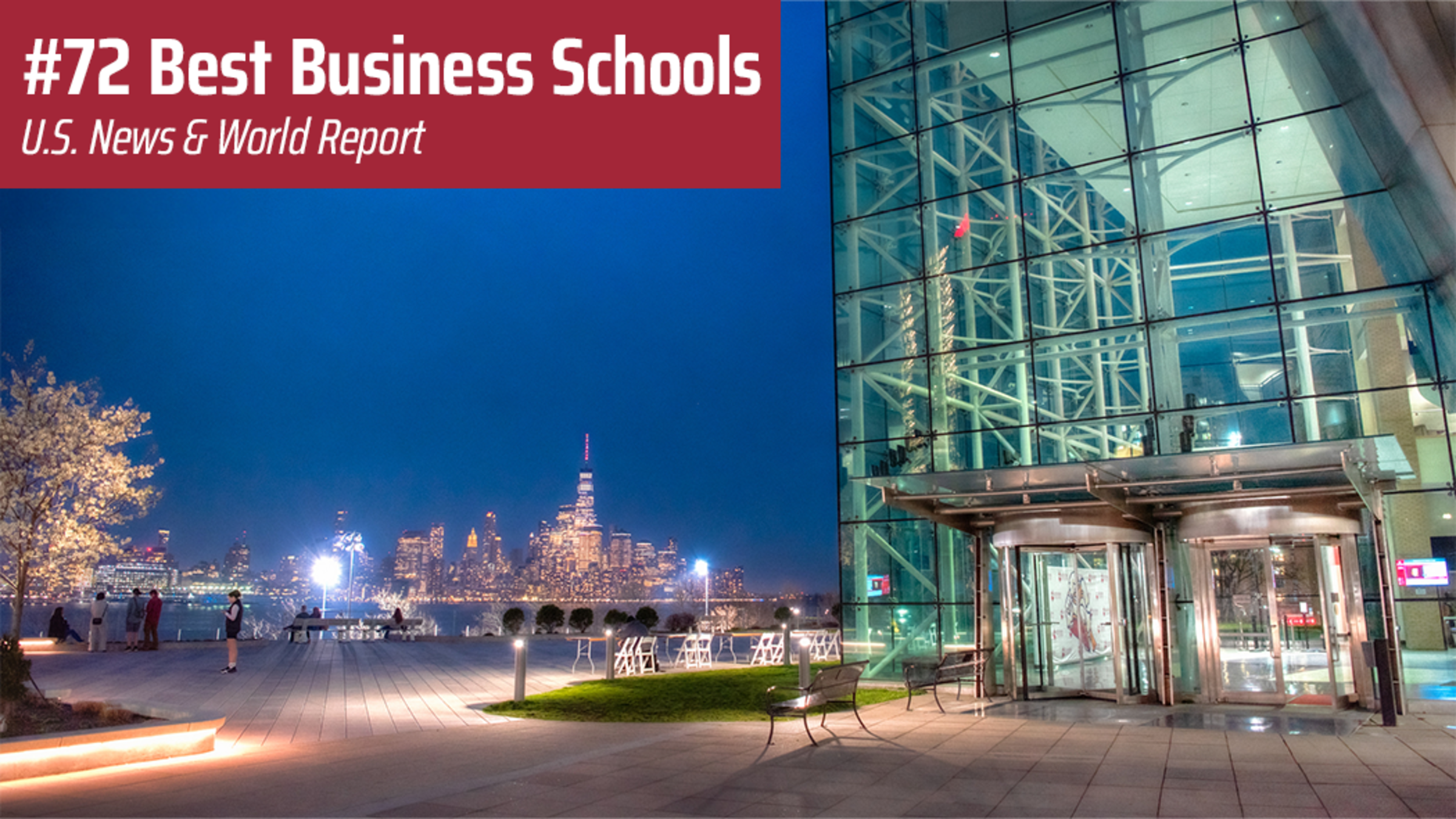
The School of Business at Stevens has seen the most dramatic rise in rankings over the last decade. It is uniquely positioned as a "technology-first" business school. Programs such as Quantitative Finance and Business Intelligence & Analytics are top-ranked nationally. The school's emphasis on data-driven decision-making makes its graduates highly sought after by hedge funds, fintech firms, and consulting agencies.
The School of Systems and Enterprises (SSE)
SSE is a global leader in systems engineering and complex systems research. While general ranking bodies do not always have a specific category for "Systems Engineering," industry-specific surveys and peer reviews frequently cite Stevens as a top-three institution in this field.
The School of Humanities, Arts and Social Sciences
While smaller than the engineering departments, this school contributes to the "well-rounded technologist" model. Its rankings in "Music and Technology" are among the most prestigious in the country, blending classical theory with cutting-edge digital production.
Global Recognition and International Standing
On the global stage, Stevens is recognized by the QS World University Rankings and the Times Higher Education (THE) World University Rankings. While its global rank is generally lower than its domestic rank (often appearing in the 500-700 range globally), it is highly regarded for its "International Outlook" and "Industry Income."
These global rankings reflect Stevens' role as an international hub for research, particularly in cybersecurity, nanotechnology, and financial engineering. For international students, the Stevens ranking is bolstered by its designation as an R2 research institution with "High Research Activity," moving steadily toward the R1 status.
Comparative Ranking Data: 2026 Estimates
The following table summarizes the estimated 2026 rankings for Stevens Institute of Technology across various metrics and agencies.
| Ranking Body | Category | Estimated 2026 Rank / Percentile | Key Strength |
|---|---|---|---|
| U.S. News & World Report | National Universities | 75 - 85 | Retention & Graduation Rates |
| PayScale | ROI (20-Year Net) | Top 15 Nationally | Mid-Career Salary |
| The Princeton Review | Best Career Placement | Top 20 Nationally | Industry Connections |
| QS World Rankings | Global Engineering | 300 - 350 | Employer Reputation |
| Georgetown CEW | Long-term Economic Value | Top 1% in U.S. | Lifetime Earnings |
| Niche | Best Colleges for STEM | Top 50 Nationally | Specialized Facilities |
Factors Influencing Stevens' Ranking Growth
Several strategic initiatives have contributed to Stevens' upward or stable trajectory in the 2026 rankings. Understanding these factors provides context for why the university maintains its prestige:
- Campus Infrastructure: The completion of the University Center Complex and the Gateway Academic Center has significantly improved the "Student Experience" and "Facilities" scores in various ranking methodologies.
- Research Expansion: Increased federal research expenditures in areas like artificial intelligence and sustainable energy have boosted the university's academic reputation among peer institutions.
- Selectivity: The admission rate at Stevens has become increasingly competitive, often dropping below 40% in recent years. Higher selectivity directly impacts the "Student Excellence" component of most ranking algorithms.
- Diversity and Inclusion: Improved rankings in social mobility and diversity reflect the university's efforts to recruit underrepresented students into STEM fields, a factor that has become more weighted in modern ranking methodologies.
Evaluating the "Best Fit" Beyond Rankings
While rankings provide a useful benchmark, they do not capture the entirety of the Stevens experience. Prospective students often choose Stevens over higher-ranked general universities because of its specific cultural and professional environment.
The "Stevens Advantage" is often cited as the combination of a small-college feel with big-city access. Unlike large state schools that may rank higher in total research volume, Stevens offers undergraduate students the opportunity to participate in high-level research as early as their freshman year. This "hands-on" approach is a qualitative factor that rankings struggle to quantify but which manifests in the high career placement rates the school enjoys.
Frequently Asked Questions
Is Stevens Institute of Technology considered an "Elite" school?
While not an Ivy League institution, Stevens is considered a "New Jersey Elite" and a top-tier technological university. In the niche of engineering and quantitative finance, it is frequently ranked alongside schools like Carnegie Mellon or Georgia Tech in terms of graduate outcomes and employer preference.
Why does Stevens rank so high in ROI but lower in overall national rankings?
Overall national rankings (like U.S. News) heavily weight factors like "Peer Reputation" and "Total Research Spend," which favor large, centuries-old universities with massive endowments. ROI rankings, however, focus on salary data and career success, where Stevens' specialized focus on high-paying tech and finance sectors allows it to outperform much larger institutions.
How does Stevens compare to NJIT or Rutgers in the rankings?
In most 2026 rankings, Stevens sits between Rutgers (the large state flagship) and NJIT (the public polytechnic). Stevens generally ranks higher than NJIT in overall national standings and ROI, while Rutgers often ranks higher in global research reputation due to its much larger size and broader range of doctoral programs.
Does the 2026 ranking reflect the university’s AI and computer science growth?
Yes. Stevens has aggressively expanded its AI and Cybersecurity curriculum. In 2026, subject-specific rankings for "Computer Science" and "Information Systems" show Stevens climbing higher than its general institutional rank, reflecting the high demand for its graduates in the New York tech corridor.
Is Stevens a good school for non-STEM majors?
While Stevens is a technological university, its School of Business and School of Humanities have unique rankings. It is an excellent choice for students who want a "tech-adjacent" education—for example, studying Business with a focus on Data Analytics or Music with a focus on Sound Engineering.
Final Recommendation for Prospective Students
When reviewing the Stevens Institute of Technology ranking overview, focus less on the specific integer (e.g., #76 vs. #82) and more on the consistency of its ROI and program-specific reputation. If your goal is a high-paying career in engineering, finance, or computer science with immediate access to the New York City job market, Stevens' rankings in "Career Outcomes" and "Salary Potential" are more relevant than its general national standing. For those seeking a broad liberal arts experience or a massive Greek-life-centric social scene, other institutions might be a better fit regardless of their rank.
Image Gallery