What Are Equities in Investing?
Equities, commonly known as stocks or shares, represent a fractional ownership interest in a corporation. When you purchase equities, you are buying a portion of the company’s assets and future earnings. This ownership grants you speci...
Equities, commonly known as stocks or shares, represent a fractional ownership interest in a corporation. When you purchase equities, you are buying a portion of the company’s assets and future earnings. This ownership grants you specific rights, such as voting on corporate policy and receiving a share of profits through dividends.
Contents
The Fundamental Nature of Equity Ownership
At its core, equity represents a claim on a company’s residual assets. In the landscape of 2026, while the technology used to trade these assets has become instantaneous and highly automated, the underlying legal contract remains the same: an equity holder is a part-owner. Unlike debt holders (such as bondholders), who are essentially lenders to a company, equity holders are participants in the company’s successes and failures.
When a company decides to "go public," it issues shares through an Initial Public Offering (IPO). This process allows the company to raise significant capital from the general public and institutional investors to fund expansion, research, or debt repayment. Once these shares are issued, they trade on secondary markets like the New York Stock Exchange (NYSE) or the Nasdaq.
The value of your equity is determined by the market's collective assessment of the company’s future profitability. If the company grows, innovates, and increases its earnings, the demand for its shares typically rises, increasing the share price. Conversely, if the company underperforms or faces structural challenges, the value of your equity may decrease. Because equity holders are last in line to be paid if a company goes bankrupt—behind employees, taxes, and debt holders—equities are considered higher-risk assets than bonds or cash equivalents.
Key Distinctions: Common Shares vs. Preferred Shares
Not all equities are created equal. In the broader equity market, investors typically encounter two primary classes of stock, each serving a different strategic purpose in a portfolio. Understanding the nuance between common and preferred shares is essential for any investor seeking to balance growth with income.
Common Equities
Common stock is what most people refer to when they talk about "buying stocks." It is the most prevalent form of equity and offers the greatest potential for long-term capital appreciation. Holders of common stock usually have voting rights—typically one vote per share—allowing them to participate in the election of the board of directors and vote on major corporate shifts, such as mergers or acquisitions.
The primary drawback of common stock is its position in the "capital stack." In the event of a corporate liquidation, common stockholders are the last to receive any remaining assets. Furthermore, dividends for common shareholders are never guaranteed; the board of directors may choose to reinvest profits back into the company rather than distributing them.
Preferred Equities
Preferred stock functions as a hybrid between a stock and a bond. While it represents ownership, it behaves more like a fixed-income security. Preferred shareholders usually do not have voting rights, but they have a higher claim on assets and earnings than common stockholders.
The "preferred" designation refers to two specific advantages:
- Dividend Priority: Preferred dividends must be paid out before any dividends can be paid to common shareholders.
- Liquidation Preference: In the event of bankruptcy, preferred shareholders are paid out before common shareholders (though still after bondholders).
The following table outlines the material differences between these two equity types:
| Feature | Common Equities | Preferred Equities |
|---|---|---|
| Voting Rights | Usually 1 vote per share | Generally none |
| Dividend Consistency | Variable and not guaranteed | Fixed and prioritized |
| Growth Potential | High (Unlimited upside) | Limited (Price stays near par) |
| Liquidation Priority | Last in line | Behind debt, ahead of common |
| Main Objective | Capital appreciation | Consistent income/yield |
Why Investors Choose Equities: Growth and Income
In 2026, equities remain a cornerstone of wealth accumulation due to their historical ability to outperform inflation and other asset classes over long horizons. Investors generally seek two types of returns from equities: capital gains and dividend income.
Capital Appreciation
The most common goal for equity investors is capital appreciation—selling a stock for more than the purchase price. This is driven by the company’s ability to grow its "bottom line" (net income). As companies expand into new markets, develop new technologies, or improve operational efficiency, their intrinsic value increases. Over decades, the compounding effect of share price appreciation can transform modest savings into significant wealth.
Dividend Income
Many established companies distribute a portion of their earnings to shareholders in the form of dividends. For retired investors or those seeking passive income, "Dividend Aristocrats"—companies that have consistently increased their dividends for 25 years or more—provide a reliable cash flow. In a diversified portfolio, these dividends can be reinvested to purchase more shares, further accelerating the growth of the investment through compounding.
Inflation Hedge
Equities are often viewed as a natural hedge against inflation. Unlike cash, which loses purchasing power as prices rise, companies can often raise the prices of their goods and services to keep pace with inflation. This allows their earnings, and subsequently their share prices, to adjust upward as the broader cost of living increases.
Understanding Equity Valuation and Metrics
To determine if an equity is a "good" investment, professional and retail investors alike use several standardized metrics. These figures help provide context to a share price, which on its own tells you very little about the company's actual value.
- Market Capitalization: This is the total market value of a company’s outstanding shares. It is calculated by multiplying the current share price by the total number of shares. Investors categorize companies into "Large-cap" (typically over $10 billion), "Mid-cap," and "Small-cap."
- Price-to-Earnings (P/E) Ratio: This ratio compares the share price to the company's earnings per share (EPS). A high P/E might suggest that a stock is overvalued or that investors expect high growth rates in the future. A low P/E might indicate that a stock is undervalued or that the company is facing difficulties.
- Dividend Yield: Represented as a percentage, this is the annual dividend payment divided by the share price. It helps investors compare the income potential of different stocks.
- Book Value: This is the net asset value of a company (total assets minus total liabilities). Comparing market price to book value (P/B ratio) can help identify if a stock is trading for less than its physical assets are worth.
The Risks and Rewards of Volatility
Investing in equities is not without significant risk. Market volatility—the fluctuation of prices over short periods—is a constant feature of equity markets. These fluctuations can be driven by macroeconomic factors (like interest rate changes or geopolitical tension) or company-specific news (like a missed earnings report or a product recall).
Systematic vs. Unsystematic Risk
Investors categorize equity risk into two buckets:
- Systematic Risk (Market Risk): This is the risk inherent to the entire market. Factors like a global recession or a pandemic affect almost all stocks simultaneously. This risk cannot be eliminated through diversification.
- Unsystematic Risk (Specific Risk): This is the risk associated with a specific company or industry. For example, a regulatory change affecting only social media companies is an unsystematic risk. This type of risk can be mitigated by holding a diverse range of equities across different sectors.
Investment Disclaimer: Investing in equities involves the risk of loss. Past performance is not indicative of future results. Consult with a certified financial planner or tax professional before making significant investment decisions.
How to Start Investing in Equities in 2026
The barrier to entry for equity investing has never been lower. In 2026, most major brokerage platforms offer commission-free trading and "fractional shares," allowing you to buy as little as $1 worth of an expensive stock like Amazon or Berkshire Hathaway.
1. Open a Brokerage Account
To buy equities, you need a brokerage account. You can choose between "tax-advantaged" accounts (like an IRA or 401k) for retirement savings or "taxable" brokerage accounts for general investing.
2. Choose Your Strategy: Active vs. Passive
- Active Investing: This involves researching individual companies, reading financial statements, and trying to "beat the market" by picking winning stocks.
- Passive Investing: This involves buying Index Funds or Exchange-Traded Funds (ETFs) that track a broad market index, such as the S&P 500. This approach ensures you earn the average market return with very low fees.
3. Diversify
The most common mistake new investors make is "putting all their eggs in one basket." By spreading your investment across different industries (technology, healthcare, energy, consumer staples) and different geographies (U.S., Europe, Emerging Markets), you protect yourself from the failure of any single entity.
Frequently Asked Questions
What is the difference between "equities" and "stocks"?
In common parlance, there is no difference; the terms are used interchangeably. Technically, "equities" is a broad asset class that includes any ownership interest, while "stocks" refers specifically to the shares of ownership in a public corporation.
Are equities better than bonds?
"Better" depends on your goals and timeline. Historically, equities have provided higher long-term returns (averaging roughly 7-10% annually before inflation) compared to bonds. However, bonds are generally more stable and provide more reliable income, making them better for short-term goals or capital preservation.
How are equities taxed?
In most jurisdictions, you are taxed on "Capital Gains" when you sell a stock for a profit. If you hold the stock for more than a year, you often qualify for lower "long-term capital gains" tax rates. Dividends are also typically taxable as income in the year they are received, though some "qualified dividends" are taxed at lower rates.
Can I lose all my money in equities?
Yes. If the company you invested in goes bankrupt and its assets are insufficient to pay off its debts, the value of your common stock can go to zero. This is why diversification—owning many different stocks—is the primary safety mechanism for equity investors.
What are "private equities"?
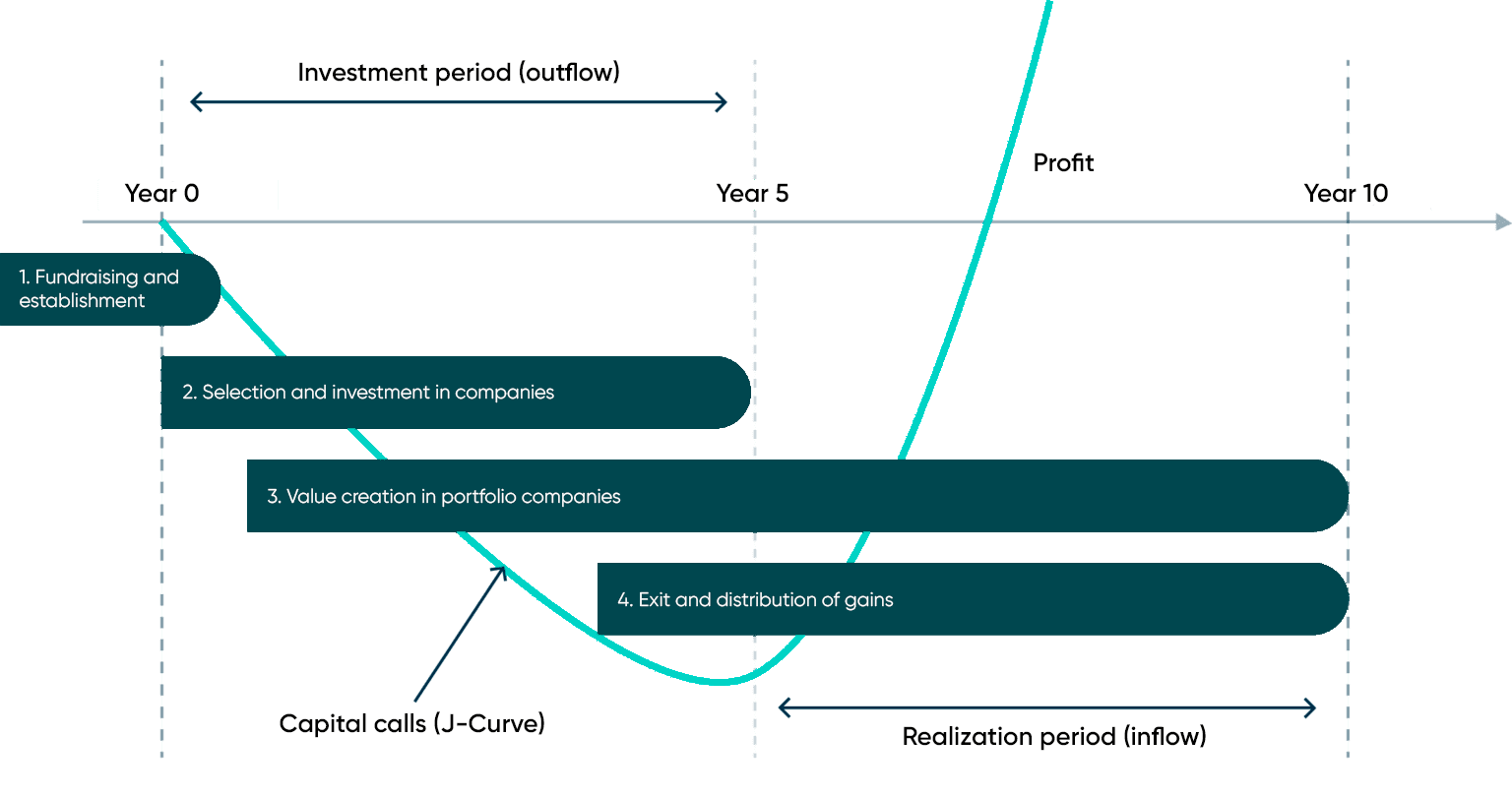
Private equity refers to ownership in companies that are not traded on public exchanges. Access to private equity is generally restricted to "accredited investors" (individuals with high net worth or high income) or institutional investors like pension funds, due to the higher risk and lack of liquidity.
Final Recommendation
For the vast majority of investors, the most effective way to utilize equities is through low-cost, broad-market index funds or ETFs. This strategy allows you to capture the growth of the entire economy while minimizing the risk of individual company failure. Begin by determining your "risk tolerance"—how much market fluctuation you can stomach—and then automate your investments to take advantage of dollar-cost averaging. Consistent participation in the equity markets, rather than timing the market, remains the most proven path to long-term financial security.
Image Gallery