Comprehensive Guide to the 2020 Vice Presidential Candidates and Selection Process
The primary vice presidential candidates for the 2020 United States election were Kamala Harris (Democratic) and Mike Pence (Republican). While these major-party figures dominated the national stage, the election also featured third-pa...
The primary vice presidential candidates for the 2020 United States election were Kamala Harris (Democratic) and Mike Pence (Republican). While these major-party figures dominated the national stage, the election also featured third-party candidates, including Spike Cohen of the Libertarian Party and Angela Walker of the Green Party, representing a diverse ideological spectrum.
Contents
The selection of a vice presidential candidate is a defining moment in any U.S. election cycle, serving as a strategic maneuver to balance a ticket, appeal to specific demographics, or reinforce a party’s core message. In 2020, this process was heightened by a global pandemic, significant social unrest, and a deeply polarized political landscape. Looking back from the perspective of 2026, the 2020 vice presidential race remains a case study in how running mates are chosen to mitigate perceived electoral weaknesses and capitalize on shifting national sentiments.
The Major Party Candidates: Profiles and Strategic Roles
The contest between the Democratic and Republican tickets in 2020 centered on two individuals with vastly different backgrounds, yet both were chosen to fulfill specific executive and electoral needs.
Kamala Harris: The Democratic Breakthrough
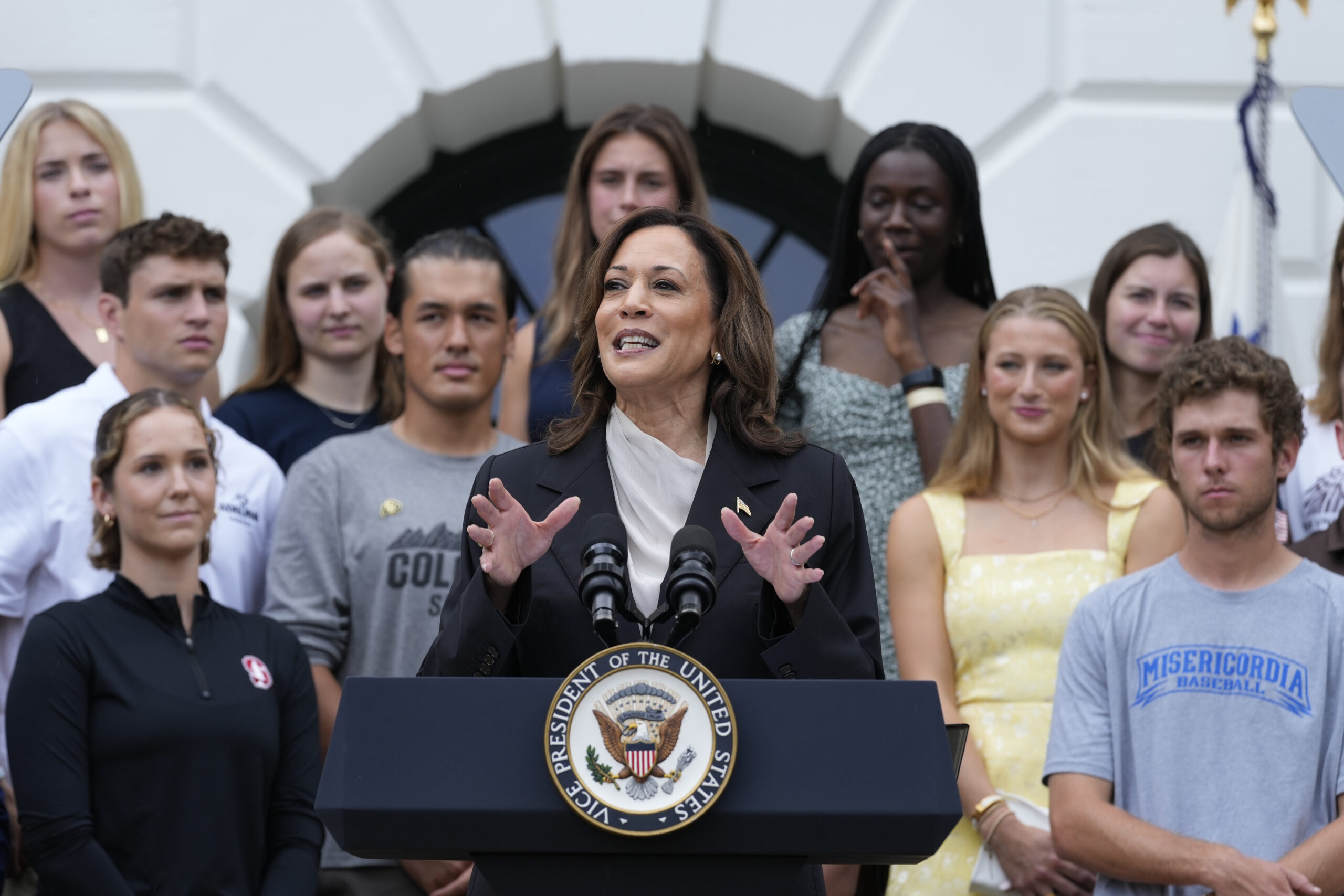
On August 11, 2020, Joe Biden announced Senator Kamala Harris of California as his running mate. Harris brought a resume that included serving as the District Attorney of San Francisco, the Attorney General of California, and a U.S. Senator. Her selection was historic, as she became the first African American woman and the first person of South Asian descent to be nominated for the vice presidency on a major party ticket.
Strategically, Harris was chosen to energize the Democratic base, particularly Black voters and women, who were essential to the party's path to victory. Her background as a prosecutor—often summarized by the slogan "Kamala Harris, For the People"—was intended to project a "tough on crime" image that balanced Joe Biden’s long legislative history, while her sharp questioning of Trump administration officials in Senate hearings appealed to the party’s progressive wing.
Mike Pence: The Republican Incumbent
The Republican ticket remained unchanged from 2016, with Mike Pence serving as the incumbent Vice President alongside Donald Trump. Pence, a former Governor of Indiana and U.S. Representative, served as a bridge between the populist "MAGA" movement and the traditional conservative and evangelical wings of the Republican Party.
In 2020, Pence’s role was largely focused on steadying the administration's image during the COVID-19 pandemic. As the head of the White House Coronavirus Task Force, he was the face of the administration's public health response, often delivering briefings that sought to provide a more measured tone than the President. His presence on the ticket was vital for maintaining the loyalty of social conservatives, who viewed him as a reliable advocate for their policy priorities, including judicial appointments and religious liberty.
The Democratic Selection Process: Biden’s Search for a Partner
The search for the 2020 Democratic vice presidential nominee was uniquely public and structured. Early in the primary season, Joe Biden pledged to select a woman as his running mate, a move that reflected the growing influence of women in the Democratic Party and the desire to present a ticket that represented the diversity of the American electorate.
The Vetting Committee and Criteria
Biden’s vetting process was led by a committee that included former Senator Chris Dodd, Representative Lisa Blunt Rochester, Los Angeles Mayor Eric Garcetti, and former counsel Cynthia Hogan. The committee evaluated candidates based on several "must-have" qualities:
- Governing Readiness: The ability to step into the presidency on day one.
- Policy Alignment: Compatibility with Biden’s moderate-to-liberal policy platform.
- Personal Chemistry: A "simpatico" relationship similar to the one Biden shared with Barack Obama.
- Electoral Utility: The ability to help win key "Blue Wall" states (Michigan, Pennsylvania, Wisconsin) or expand the map into the Sun Belt.
The Final Shortlist
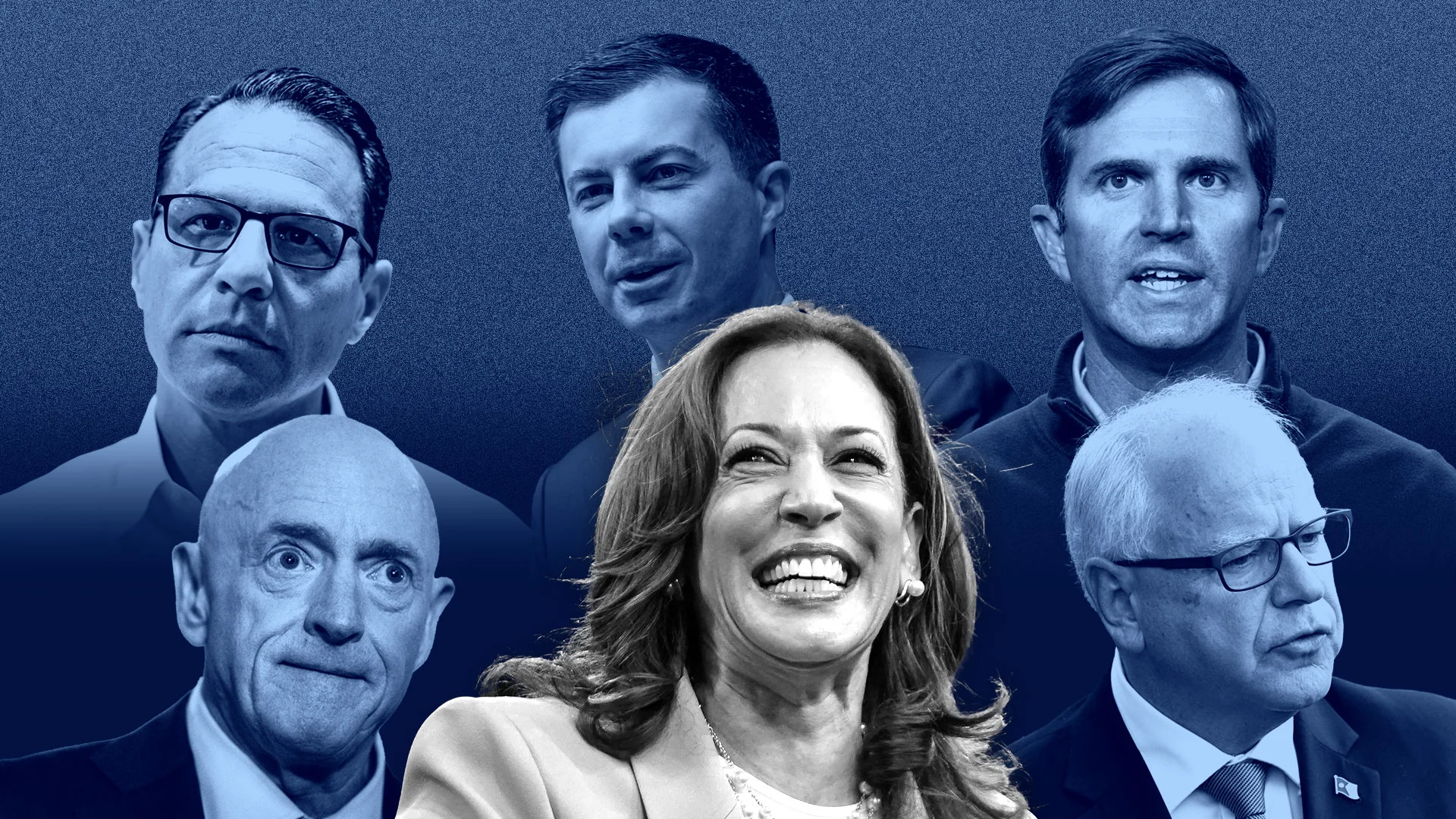
The selection process narrowed down to a final group of highly qualified women, each bringing different strengths to the table:
- Susan Rice: Former National Security Advisor with deep foreign policy expertise.
- Elizabeth Warren: Massachusetts Senator with a strong progressive following and economic expertise.
- Gretchen Whitmer: Governor of Michigan, offering executive experience in a critical swing state.
- Val Demings: Florida Representative and former police chief, providing a law enforcement perspective.
- Karen Bass: California Representative and chair of the Congressional Black Caucus.
- Tammy Duckworth: Illinois Senator and combat veteran, offering a strong national security profile.
Ultimately, Harris was selected because she offered the most comprehensive balance of experience, demographic representation, and "campaign-readiness" for the high-pressure national debates.
Third-Party and Independent Vice Presidential Candidates
While the media focus remained on the two major parties, several other candidates sought the vice presidency, representing alternative political philosophies. These candidates often play a "spoiler" role or serve to bring specific issues to the forefront of national discourse.
The Libertarian Party: Spike Cohen
The Libertarian ticket featured Jo Jorgensen for President and Jeremy "Spike" Cohen for Vice President. Cohen, an entrepreneur and podcaster, was chosen at the Libertarian National Convention for his ability to communicate libertarian principles to a younger, digitally active audience. His platform emphasized radical decentralization, the end of the war on drugs, and a non-interventionist foreign policy.
The Green Party: Angela Walker
The Green Party nominated Howie Hawkins for President and Angela Walker for Vice President. Walker, a labor organizer and truck driver from South Carolina, was the first person to run for Vice President on both the Green Party and Socialist Party USA tickets simultaneously. Her campaign focused on the "Green New Deal," Medicare for All, and racial justice reform, aiming to capture voters who felt the Democratic Party had moved too far toward the center.
Other Notable Mentions
- Kanye West (Birthday Party): Famous musician Kanye West ran an independent campaign for President, selecting Michelle Tidball, a life coach from Wyoming, as his running mate. Their presence on the ballot was limited to a handful of states.
- Constitution Party: The ticket featured Don Blankenship for President and William Mohr for Vice President, running on a platform of strict adherence to the U.S. Constitution and Christian nationalist principles.
Comparing the 2020 Vice Presidential Field
The following table summarizes the key vice presidential candidates who appeared on ballots during the 2020 election.
| Candidate | Party | Running Mate | Primary Background |
|---|---|---|---|
| Kamala Harris | Democratic | Joe Biden | U.S. Senator (CA), Attorney General |
| Mike Pence | Republican | Donald Trump | Incumbent Vice President, Governor |
| Spike Cohen | Libertarian | Jo Jorgensen | Entrepreneur, Political Activist |
| Angela Walker | Green | Howie Hawkins | Labor Organizer, Driver |
| Michelle Tidball | Independent | Kanye West | Life Coach, Minister |
| William Mohr | Constitution | Don Blankenship | Republican Activist, Chairman |
Key Factors That Influenced the 2020 VP Race
Several external factors influenced how these candidates were perceived and how they campaigned throughout the 2020 cycle.
The COVID-19 Pandemic
The pandemic fundamentally changed the mechanics of the 2020 campaign. Traditional rallies were replaced by virtual events, and the "VP debate" became one of the few opportunities for the candidates to engage directly. For Mike Pence, the pandemic was a policy challenge he had to defend; for Kamala Harris, it was a point of critique regarding the administration’s handling of public health and the economy.
Racial Justice and Social Unrest
Following the death of George Floyd in May 2020, the nation saw widespread protests against systemic racism and police brutality. This cultural moment heavily influenced Joe Biden’s selection process. There was immense pressure to select a Black woman, and Kamala Harris’s background as a "progressive prosecutor" was scrutinized by both the left (who were critical of her record) and the right (who labeled her as "radical").
The Vice Presidential Debate
The October 7, 2020, debate between Harris and Pence in Salt Lake City was one of the most-watched VP debates in history. The discussion covered the pandemic, the economy, the Supreme Court, and climate change. While many remember the "fly" that landed on Pence’s head, the debate was substantively significant for Harris’s ability to parry Pence’s attacks and establish herself as a credible successor to the presidency.
The Historical Legacy of the 2020 VP Candidates
From the vantage point of 2026, the 2020 vice presidential field is viewed as a turning point in American politics. Kamala Harris’s ascension broke a nearly 250-year-old glass ceiling, altering the expectations for future tickets. The diversity of the 2020 field—including women and people of color across major and minor party lines—signaled a shift toward a more representative political executive.
Furthermore, the 2020 race highlighted the increasing importance of the Vice President as a "co-president" or a primary surrogate in an era of hyper-partisanship. The candidates were not just "spare tires" but were central to the policy rollout and the political identity of their respective parties.
Frequently Asked Questions
Who was on Joe Biden's shortlist for Vice President?
The shortlist included several prominent Democratic women: Kamala Harris, Susan Rice, Elizabeth Warren, Gretchen Whitmer, Val Demings, Karen Bass, and Tammy Duckworth. Biden had committed to choosing a woman early in the campaign to reflect the party's diversity and values.
Why did Donald Trump choose to keep Mike Pence on the ticket?
Continuity was the primary driver. Pence provided a stable link to evangelical voters and traditional conservatives. Despite occasional rumors of a change, the Trump campaign viewed Pence as a loyal partner who helped maintain the base's enthusiasm without overshadowing the President.
How many third-party VP candidates were there in 2020?
While dozens of people ran on minor party lines, the two most significant third-party VP candidates were Spike Cohen (Libertarian) and Angela Walker (Green). They were the only ones with significant ballot access across the majority of states.
What was the significance of Kamala Harris's selection?
Harris was the first woman, the first African American, and the first South Asian American to be elected Vice President. Her selection was a landmark event in U.S. history, representing a major shift in the demographic composition of the nation's highest executive offices.
Did the vice presidential candidates participate in more than one debate?
No, according to the Commission on Presidential Debates, there is traditionally only one vice presidential debate per election cycle. In 2020, this took place on October 7 at the University of Utah in Salt Lake City.
Practical Next Steps for Researchers
For those looking to analyze the impact of the 2020 vice presidential candidates further, it is recommended to review the official Federal Election Commission (FEC) filings for campaign expenditure data. This data provides insights into how each campaign utilized its vice presidential surrogate for fundraising and outreach. Additionally, the American Presidency Project at UC Santa Barbara offers a complete archive of campaign speeches and debate transcripts which are essential for understanding the policy nuances of each candidate.
Image Gallery