How to Appoint a Registered Agent: A Complete Step-by-Step Guide
To appoint a registered agent, you must designate an individual or a professional service provider on your business’s formation documents (such as Articles of Organization or Incorporation) or by filing a "Change of Registered Agent" f...
To appoint a registered agent, you must designate an individual or a professional service provider on your business’s formation documents (such as Articles of Organization or Incorporation) or by filing a "Change of Registered Agent" form with the Secretary of State. The appointee must reside in the state of formation and maintain a physical office address.
Contents
In 2026, the process of appointing a registered agent remains a fundamental legal requirement for every LLC, corporation, and limited partnership operating in the United States. Whether you are launching a new startup or expanding your existing enterprise into a new jurisdiction, the registered agent serves as your business’s official point of contact for legal and tax notifications. While the task may seem like a simple administrative checkbox, the legal implications of your choice—and the method of appointment—are significant for maintaining "good standing" with the state.
The Role of a Registered Agent in 2026
A registered agent (sometimes referred to as a resident agent or statutory agent) is a person or entity formally designated to receive Service of Process (SOP) on behalf of a business. This includes lawsuits, subpoenas, and legal summons. Beyond litigation, the agent also receives official government correspondence, such as annual report reminders, tax notices from the Department of Revenue, and compliance mandates from the Secretary of State.
The legal necessity for a registered agent stems from the concept of "due process." The government and the public must have a reliable way to contact a business entity and ensure that the business has been officially notified of legal actions. In 2026, as digital transformation continues to streamline state filings, many jurisdictions have moved toward electronic notification systems, yet the requirement for a physical, in-state address remains a rigid legal standard to ensure physical delivery of legal papers when necessary.
Failure to properly appoint or maintain a registered agent can lead to severe consequences. If the state cannot reach your business, it may move for administrative dissolution, effectively shutting down your legal protections. Furthermore, if a process server cannot find your agent, a plaintiff may be granted a "default judgment," meaning you could lose a lawsuit simply because you never received notice of it.
Eligibility and Legal Requirements for Appointment
Before you can officially appoint an agent, you must ensure the candidate meets the strict statutory requirements. While rules vary slightly by state, the core criteria in 2026 are largely standardized across the U.S.
Physical Presence and Residency
A registered agent must have a physical street address within the state where the business is registered. This is known as the "registered office." Crucially, a P.O. Box or a virtual mailbox is generally not sufficient for this purpose. The law requires a location where a person can be physically found to accept hand-delivered legal documents. If you are appointing an individual, they must be a resident of that state. If you are appointing a company, that company must be authorized to conduct business in that state.
Availability During Business Hours
The agent must be available at the registered office address during standard business hours (typically 9:00 AM to 5:00 PM, Monday through Friday). This ensures that process servers and state officials can reliably complete delivery. For small business owners acting as their own agents, this can be a significant burden, as it limits their ability to travel, attend off-site meetings, or take vacations without risking a missed delivery.
Capacity to Accept Service
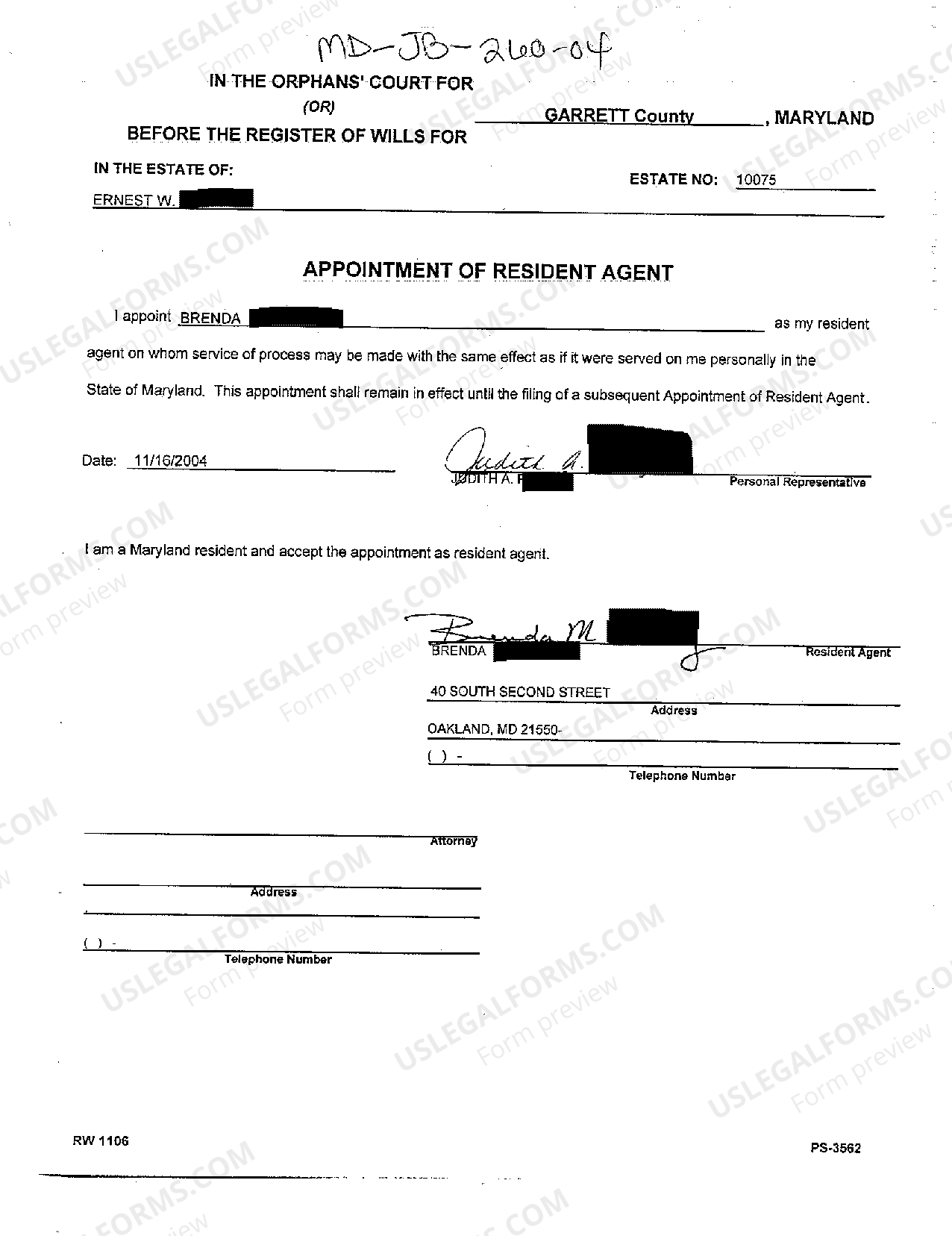
The agent must be at least 18 years of age and possess the legal capacity to enter into a contract. Furthermore, the agent must formally consent to the appointment. While many states do not require the consent form to be filed with the Secretary of State, the business is legally required to keep a record of the agent’s signed consent in its internal corporate records.
How to Appoint a Registered Agent During Formation
For most entrepreneurs, the appointment happens during the initial business registration process. This is the most straightforward method, as the appointment is built into the formation paperwork.
- Select Your Agent Early: Before you fill out any state forms, decide whether you will use an individual (yourself, a partner, or an employee) or a professional registered agent service.
- Complete the Articles of Organization/Incorporation: Every state’s formation document includes a section for "Registered Agent Information." You will need to provide the agent’s full legal name and their physical office address.
- Submit the Filing: File the documents with the Secretary of State. In 2026, most states prefer or require online filings through their respective business portals.
- Confirm the Appointment: Once the state approves your formation documents, the appointment is legally active. Your agent’s information becomes a matter of public record, searchable on the Secretary of State’s website.
According to the U.S. Small Business Administration (SBA), selecting the right agent is a critical step in the registration process that ensures your business stays compliant with state regulations.
Appointing an Agent for Foreign Qualification
If your business is already formed in one state (your "domestic" state) and you wish to expand into another state, you must undergo a process called "Foreign Qualification." As part of this application, you are required to appoint a registered agent located in the new state.
The steps for foreign qualification appointment are:
- Obtain a Certificate of Good Standing: Most states require proof from your home state that your business is currently compliant.
- Designate a Local Agent: Since you likely do not have a physical office in the new state yet, this is where many businesses hire a professional service.
- File the Statement of Foreign Qualification: Submit this document to the new state’s Secretary of State, listing your local agent.
Changing an Existing Registered Agent
Businesses often need to change their agent, whether due to a move, the resignation of an individual agent, or a desire to switch to a more reliable professional service.
Step 1: Secure the New Agent’s Consent
Never file a change-of-agent form until the new agent has agreed to the role. If you are hiring a service, you must complete their sign-up process first so they are prepared to receive your documents.
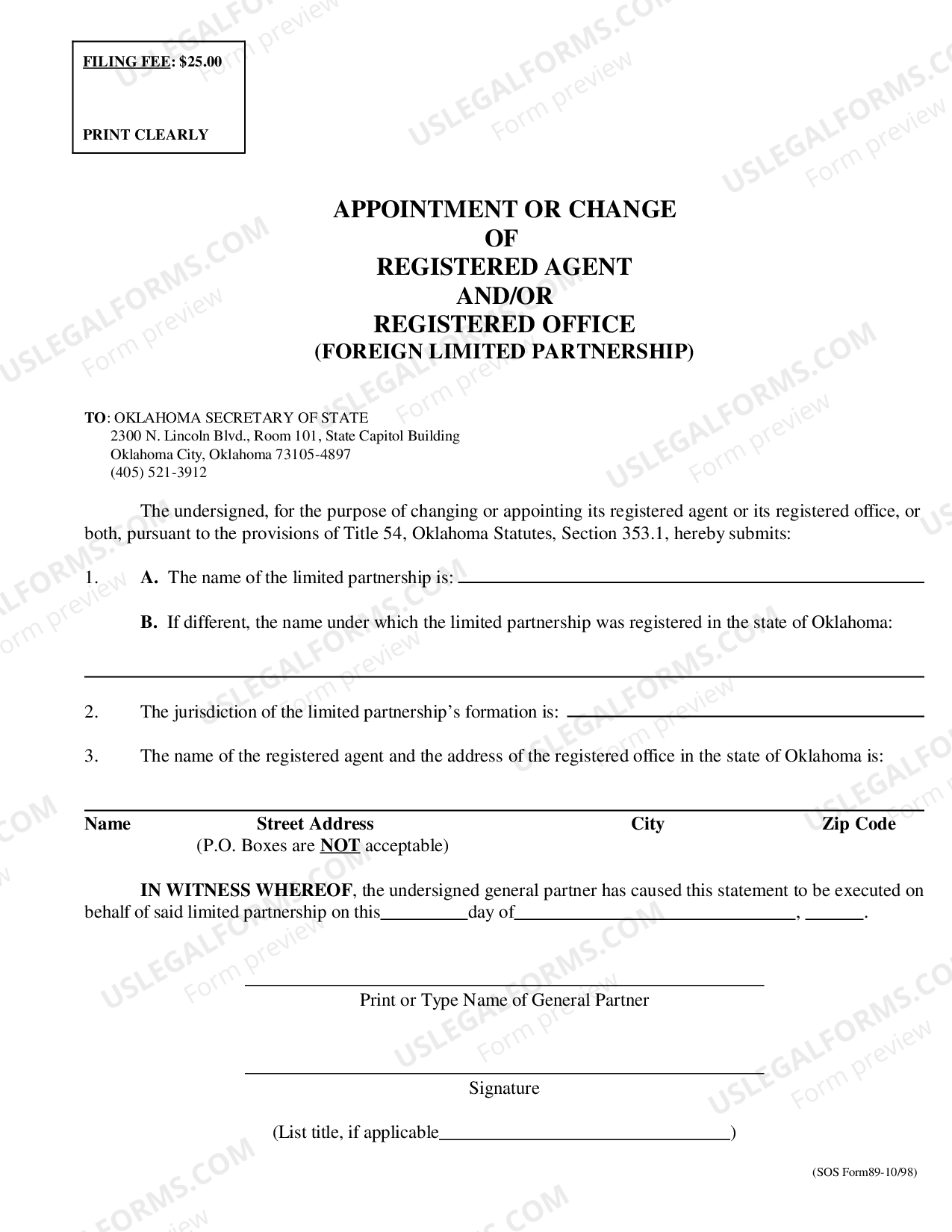
Step 2: File the "Change of Registered Agent" Form
Navigate to your state’s Secretary of State website. Locate the specific form for changing an agent (often called a "Statement of Change"). You will need your business’s entity ID number, the name of the current agent, and the name and address of the new agent.
Step 3: Pay the Filing Fee
Most states charge a nominal fee for this update. In 2026, fees typically range from $10 to $50, though some states, like New York, may charge more or have specific biennial filing requirements.
Step 4: Notify the Old Agent
While not always a legal requirement for the state filing, it is professional courtesy (and often a contractual requirement) to notify your former agent that they are no longer responsible for your Service of Process.
Comparison: Individual Agent vs. Professional Service
Deciding between acting as your own agent or hiring a service is a matter of weighing privacy, cost, and convenience.
| Feature | Individual (Self/Employee) | Professional Registered Agent Service |
|---|---|---|
| Annual Cost | $0 (Internal labor only) | $50 – $300 per year |
| Privacy | Low (Personal address is public) | High (Service's address is public) |
| Availability | Must be present 9-5 at office | Guaranteed availability |
| Compliance Tools | Manual tracking of deadlines | Often includes automated alerts |
| Service of Process | May be served in front of clients | Discretely handled at service office |
| Scalability | Difficult across multiple states | Easy management for multiple states |
Professional Services vs. Self-Representation: Deep Dive
The Privacy Factor
When you act as your own registered agent, your home or office address is listed on the Secretary of State’s public database. In 2026, data scraping technology makes this information easily accessible to marketers, solicitors, and the general public. Using a professional service keeps your private address off the public record, significantly reducing junk mail and unwanted visitors.
The "Service of Process" Experience
Imagine a process server entering your place of business and handing you a lawsuit in front of your customers or employees. This can be embarrassing and damaging to your reputation. A professional service receives these documents at their own facility and uploads them to a secure portal, allowing you to review legal matters privately and calmly.
Consistency Across Jurisdictions
For businesses operating in multiple states, managing individual agents in every location is a logistical nightmare. A national registered agent service provides a single point of contact and a centralized dashboard to manage compliance for the entire enterprise.
Potential Risks and Common Mistakes
Appointing an agent is not a "set it and forget it" task. Maintaining the appointment is just as important as the initial filing.
- P.O. Boxes: One of the most common reasons for filing rejection is the use of a P.O. Box. The address must be a physical location.
- Failure to Update: If your agent moves or your service contract expires and you do not update the state, you are out of compliance. This can lead to "Administrative Dissolution."
- The "Invisible" Agent: If you appoint a friend or relative who is frequently away from home, you risk missing a time-sensitive legal notice. Most lawsuits require a response within 20 to 30 days; missing this window due to a delinquent agent can be catastrophic.
- Non-Consensual Appointment: Some business owners list an agent without asking them. If that person refuses service or informs the state they did not consent, your business status will be placed in jeopardy.
State-Specific Nuances
While the general process is similar across the country, some states have unique requirements in 2026:
- Delaware: Requires all business entities to have a registered agent. If you do not have a physical location in Delaware, you must hire a Delaware-based service. The Delaware Division of Corporations maintains a list of authorized agents.
- California: Requires a specific form (Form RA-100) for those wishing to register as a commercial registered agent service.
- New York: The Secretary of State acts as the default agent for service of process, but businesses are still encouraged to appoint a registered agent to ensure they receive documents more quickly.
Frequently Asked Questions
Can I be my own registered agent?
Yes, in almost every state, a business owner or an officer of the company can serve as the registered agent as long as they are a resident of the state and have a physical address. However, you must consider the trade-offs in privacy and the requirement to be physically present during all business hours.
What happens if my registered agent resigns?
If your agent resigns, they will typically file a formal notice of resignation with the Secretary of State. The state will then notify your business that you must appoint a successor within a specific timeframe (usually 30 to 60 days). Failure to do so will result in the business being moved to "inactive" or "dissolved" status.
Do I need a registered agent if I work from home?
Yes. Every formal business entity (LLC, Corp, etc.) must have a registered agent regardless of whether they have a physical storefront or work remotely. If you work from home, you can use your home address, but keep in mind that this address will become public record.
Can a business act as its own registered agent?
Generally, no. A business entity cannot be its own registered agent. You can appoint an individual within the company (like yourself) or a third-party service, but the entity itself cannot serve that role for its own filings.
How much does it cost to appoint a professional agent?
In 2026, the market rate for professional registered agent services typically ranges from $50 to $300 annually. Many "incorporation services" include the first year of agent service for free when you pay them to handle your initial formation filings.
Summary of Next Actions
To ensure your business remains legally protected and compliant in 2026, follow these final steps:
- Verify your current agent status by searching your business name on your Secretary of State’s website.
- Evaluate your needs: If you value privacy or operate in multiple states, transition to a professional registered agent service.
- Keep records: Ensure you have a signed consent form from your agent in your corporate minute book.
- Set reminders: If you use a professional service, ensure their annual fee is set to auto-renew so there is never a lapse in coverage.
Image Gallery