Can You Be Denied Life Insurance for High Blood Pressure?
Yes, you can be denied life insurance for high blood pressure, but it is uncommon if the condition is well-managed. Denials typically occur when hypertension is uncontrolled, extremely high (Stage 3 or crisis levels), or accompanied by...
Yes, you can be denied life insurance for high blood pressure, but it is uncommon if the condition is well-managed. Denials typically occur when hypertension is uncontrolled, extremely high (Stage 3 or crisis levels), or accompanied by significant complications like kidney damage, heart disease, or a history of strokes.
Contents
High blood pressure, or hypertension, is one of the most common conditions encountered by life insurance underwriters. Because it is a leading risk factor for cardiovascular disease and stroke, insurance companies scrutinize blood pressure readings to determine an applicant's long-term mortality risk. While a diagnosis of hypertension rarely leads to an outright rejection for modern policies in 2026, the specific "rating" or premium price you receive is heavily dependent on how effectively the condition is controlled through medication and lifestyle.
Understanding How Underwriters View Hypertension in 2026
In the current insurance landscape, underwriters do not view high blood pressure as a binary "pass/fail" metric. Instead, they look at the consistency of your readings over time and your adherence to medical advice. Underwriting is the process of evaluating risk, and hypertension represents a manageable but persistent risk to the cardiovascular system.
When you apply for a traditional term or whole life policy, the insurer typically requests a paramedical exam. During this exam, a technician records your blood pressure. However, insurers recognize that a single high reading—often caused by "white coat syndrome" or the stress of the exam itself—is not always indicative of chronic hypertension. To form a complete picture, they will often request an Attending Physician’s Statement (APS) from your primary care doctor to see historical trends and your response to treatment.
Underwriters categorize applicants into "rate classes." Those with perfectly managed blood pressure can still qualify for "Preferred" or even "Preferred Best" tiers with some carriers, provided their readings remain within specific thresholds (often below 130/80) even with the help of medication. If your blood pressure is elevated but stable, you may fall into the "Standard" category. If it is high or poorly controlled, you may face "Substandard" ratings, which involve "table ratings" that increase your premium by a specific percentage for every step down in health grade.
When "No" Becomes the Answer: Specific Reasons for Denial
While most people with high blood pressure find coverage, there are specific scenarios where an insurance carrier will issue a formal declination. Understanding these triggers can help applicants prepare or look for alternative coverage options.
Uncontrolled or Crisis-Level Readings
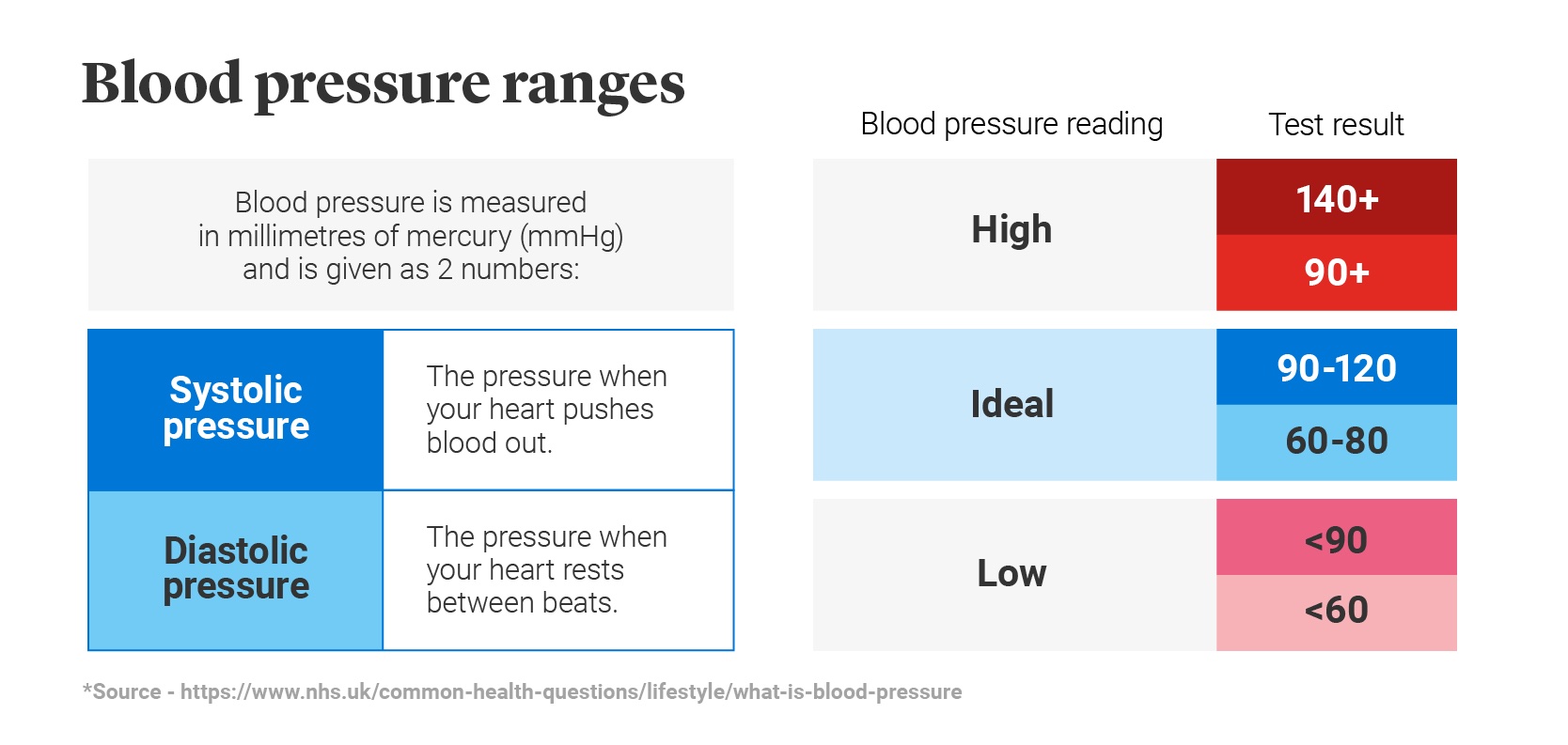
If an applicant’s blood pressure readings are consistently at or above 180/120 mmHg during the application process and medical records show no effort to lower these levels, an insurer will likely deny the application. These levels indicate a high immediate risk of a cardiac event or stroke, making the applicant uninsurable for traditional products until the pressure is stabilized.
End-Organ Damage
Hypertension is often called "the silent killer" because it causes cumulative damage to vital organs. If an underwriter sees evidence of hypertensive heart disease (such as left ventricular hypertrophy), chronic kidney disease (indicated by high creatinine or protein in the urine), or hypertensive retinopathy (damage to the eyes), the risk profile shifts from "manageable hypertension" to "active organ failure or damage." In these cases, the likelihood of a denial increases significantly.
Non-Compliance with Treatment
Insurance companies value "compliance." If a doctor has prescribed medication or lifestyle changes and the applicant’s medical records show they are not filling prescriptions or attending follow-up appointments, the underwriter views the applicant as a high-risk individual who is not taking their health seriously. Even if the blood pressure is only moderately high, the lack of management can lead to a denial.
Co-morbidities and Cumulative Risk
Hypertension rarely exists in a vacuum. Underwriters use "debit" systems to calculate risk. High blood pressure combined with obesity, high cholesterol, diabetes, or a history of tobacco use creates a "compounding risk." If the cumulative risk score exceeds the company's threshold, the application will be denied, even if the high blood pressure alone wouldn't have triggered a rejection.
The Life Insurance Rating System for Blood Pressure
To understand how your blood pressure affects your wallet, it is helpful to look at how different readings generally translate to insurance categories. Note that these thresholds can vary slightly between carriers.
| Underwriting Class | Typical BP Threshold | Premium Impact | Requirements for Blood Pressure |
|---|---|---|---|
| Preferred Best | < 130/80 | Lowest Rates | Often requires no medication, but some carriers allow controlled BP. |
| Preferred | < 135/85 | Very Low Rates | Controlled with medication; no other major health issues. |
| Standard Plus | < 140/90 | Moderate Rates | Well-controlled; may have minor secondary health factors. |
| Standard | < 145/94 | Average Rates | Generally controlled; acceptable for most "average" applicants. |
| Substandard (Table) | > 150/95 | High Rates | Poorly controlled or newly diagnosed; premiums increase 25%+ per table. |
| Decline | > 180/110 | No Coverage | Uncontrolled crisis levels or evidence of significant organ damage. |
Data represents typical 2026 industry benchmarks for individuals aged 30–60.
Impact of Medication and Compliance
A common misconception is that taking blood pressure medication will automatically disqualify you from the best rates. In reality, the American Heart Association and major insurers agree that controlled hypertension via medication is far better than uncontrolled hypertension without it.
In 2026, many top-tier insurers allow applicants to qualify for "Preferred" rates even if they take one or two medications for blood pressure, provided their readings remain stable and low. The key is demonstrating a long-term history of control. If you have just started a new medication, an insurer might "postpone" your application for 3 to 6 months to ensure the treatment is effective and that you aren't suffering from adverse side effects that could impact your health.
Underwriters also look at the type of medication. Common prescriptions like ACE inhibitors, ARBs, and beta-blockers are viewed favorably. However, if you are on a "cocktail" of four or more different medications to keep your blood pressure down, it signals "resistant hypertension," which may move you into a higher-cost table rating regardless of the actual reading.
Alternative Insurance Options if Denied
If you are denied traditional term or whole life insurance due to high blood pressure, you still have pathways to securing financial protection for your family. Not all insurance products require a medical exam or a review of your physician's records.
Guaranteed Issue Life Insurance
Guaranteed issue policies do not require a medical exam or any health questions. You cannot be turned down for high blood pressure or any other medical condition. However, these policies come with two significant caveats:
- Lower Coverage Limits: Usually capped at $25,000 or $50,000.
- Graded Death Benefits: If you die from natural causes (like a heart attack related to your blood pressure) within the first two or three years of the policy, your beneficiaries may only receive a refund of premiums plus interest rather than the full face value.
Simplified Issue Life Insurance
Simplified issue policies require you to answer a few health questions but do not require a medical exam. While they might ask if you have "uncontrolled" high blood pressure or have been hospitalized for it, they are often more lenient than fully underwritten policies. These are faster to obtain but are generally more expensive than traditional life insurance.
Group Life Insurance
If you are employed, check your benefits package. Most employers offer a basic amount of life insurance (often 1x or 2x your salary) that is "guaranteed issue" as part of a group plan. This coverage is usually available regardless of your blood pressure readings, as the risk is spread across the entire employee population.
Steps to Improve Your Chances of Approval
If you are planning to apply for life insurance and know you have hypertension, taking proactive steps can significantly lower your premiums or prevent a denial.
- See Your Doctor First: Before applying, ensure your records are up to date. A recent, favorable checkup can outweigh an older, less favorable one.
- Consistency is Key: Underwriters look for a "favorable trend." If your blood pressure has been 150/95 for years but has been 120/80 for the last six months due to medication, you are a much better risk.
- Prepare for the Exam: In the 24 hours leading up to your medical exam, avoid caffeine, high-sodium foods, alcohol, and strenuous exercise, all of which can temporarily spike blood pressure.
- Disclose Everything: Never hide a hypertension diagnosis. If the insurer discovers it through a pharmacy database search (which they will), a "non-disclosure" can lead to an automatic denial for fraud, even if the condition itself was treatable.
- Work with an Independent Agent: Some carriers are known for being "heart-friendly" or "hypertension-friendly." An independent agent can shop your specific health profile to carriers that use more lenient underwriting guidelines for blood pressure.
Frequently Asked Questions
Can I get "Preferred Best" rates if I take blood pressure medication?
It depends on the carrier. While many companies used to limit "Preferred Best" to those not on any medication, several major insurers in 2026 allow applicants to reach the top tier if their blood pressure is perfectly controlled (typically <120/80) with a single, low-dosage medication and they have no other risk factors.
Does "White Coat Syndrome" cause insurance denials?
Rarely. If your reading is high during the paramedical exam but your doctor’s records show normal readings, underwriters usually defer to the historical data in your Attending Physician’s Statement. You can also ask the examiner to take your blood pressure at the end of the exam once you have relaxed.
How long must my blood pressure be controlled before I apply?
Most insurers prefer to see at least 6 months of stable, controlled readings before offering the best rates. If you have just been diagnosed or just changed your dosage, they may postpone your application until the 6-month mark to ensure the treatment is stable.
Is high blood pressure considered a pre-existing condition?
Yes, in the context of life insurance, hypertension is a pre-existing condition. Unlike health insurance, where the Affordable Care Act prevents denials for pre-existing conditions, life insurance companies are still permitted to use your health history to determine eligibility and pricing.
What happens if my blood pressure improves after I buy a policy?
If you are issued a policy with a high premium (a table rating) and your health significantly improves—perhaps through weight loss or better management—you can request a "rate reduction" or "re-rating" after one or two years. You will likely need to undergo a new medical exam to prove the improvement.
Practical Recommendation
If you are concerned about being denied for high blood pressure, your first step should be to consult with your physician to ensure your current treatment plan is optimized. Once your readings are stable, work with an insurance broker who specializes in "impaired risk" or "high-risk" underwriting. They can help you identify "clinical underwriting" carriers that look at your total health picture—including your diet, exercise habits, and regular screenings—rather than just a single blood pressure number. For those with severe hypertension, exploring group coverage through an employer remains the most cost-effective way to bypass medical scrutiny entirely.
Image Gallery