What is a Credit Union Commercial Loan?
A credit union commercial loan is a financing solution provided by a member-owned, not-for-profit financial cooperative to a business entity. These loans are primarily used for purchasing commercial real estate, funding equipment, or s...
A credit union commercial loan is a financing solution provided by a member-owned, not-for-profit financial cooperative to a business entity. These loans are primarily used for purchasing commercial real estate, funding equipment, or securing working capital. Because credit unions prioritize member value over shareholder profit, these loans often feature lower interest rates and more personalized underwriting compared to traditional commercial banks.
Contents
The Foundation of Credit Union Commercial Lending
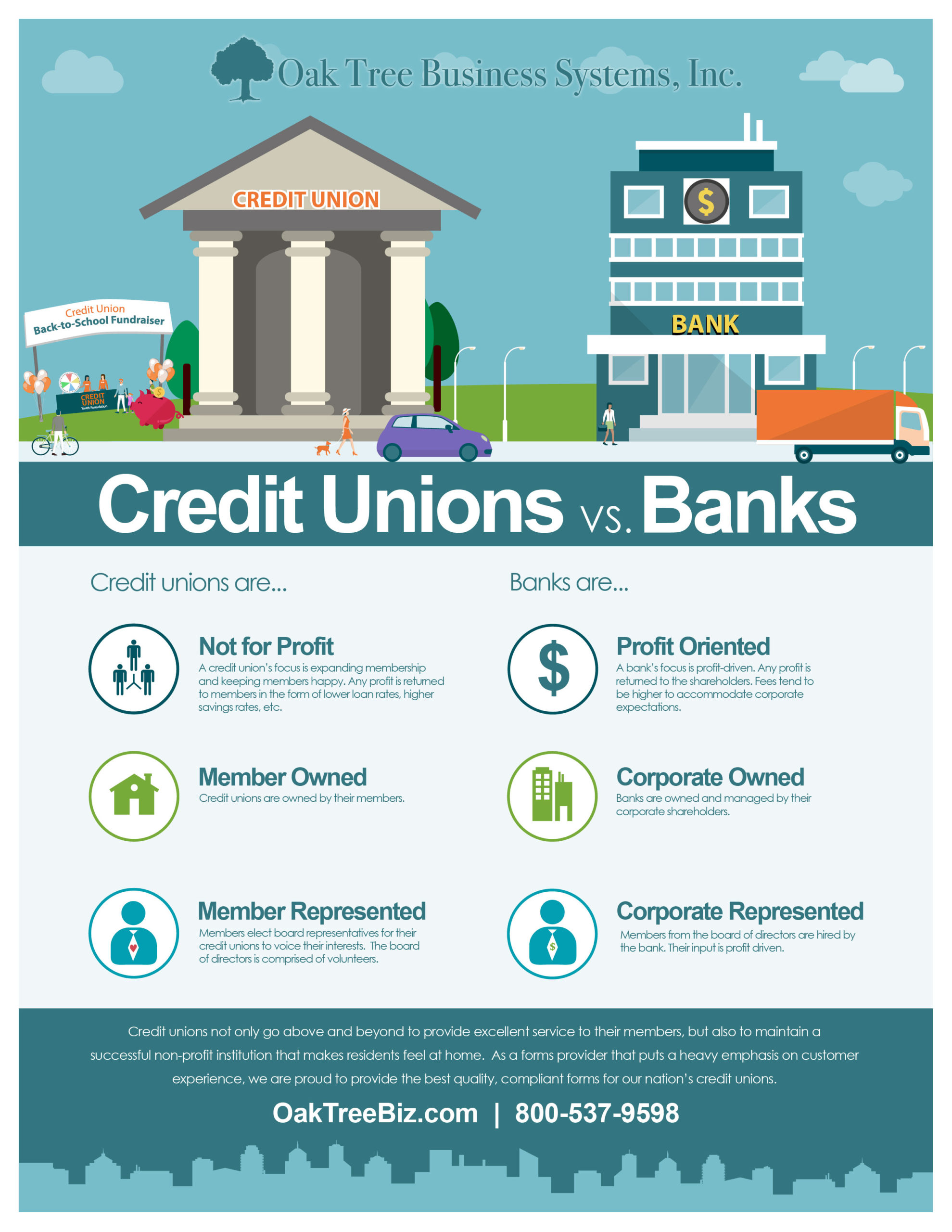
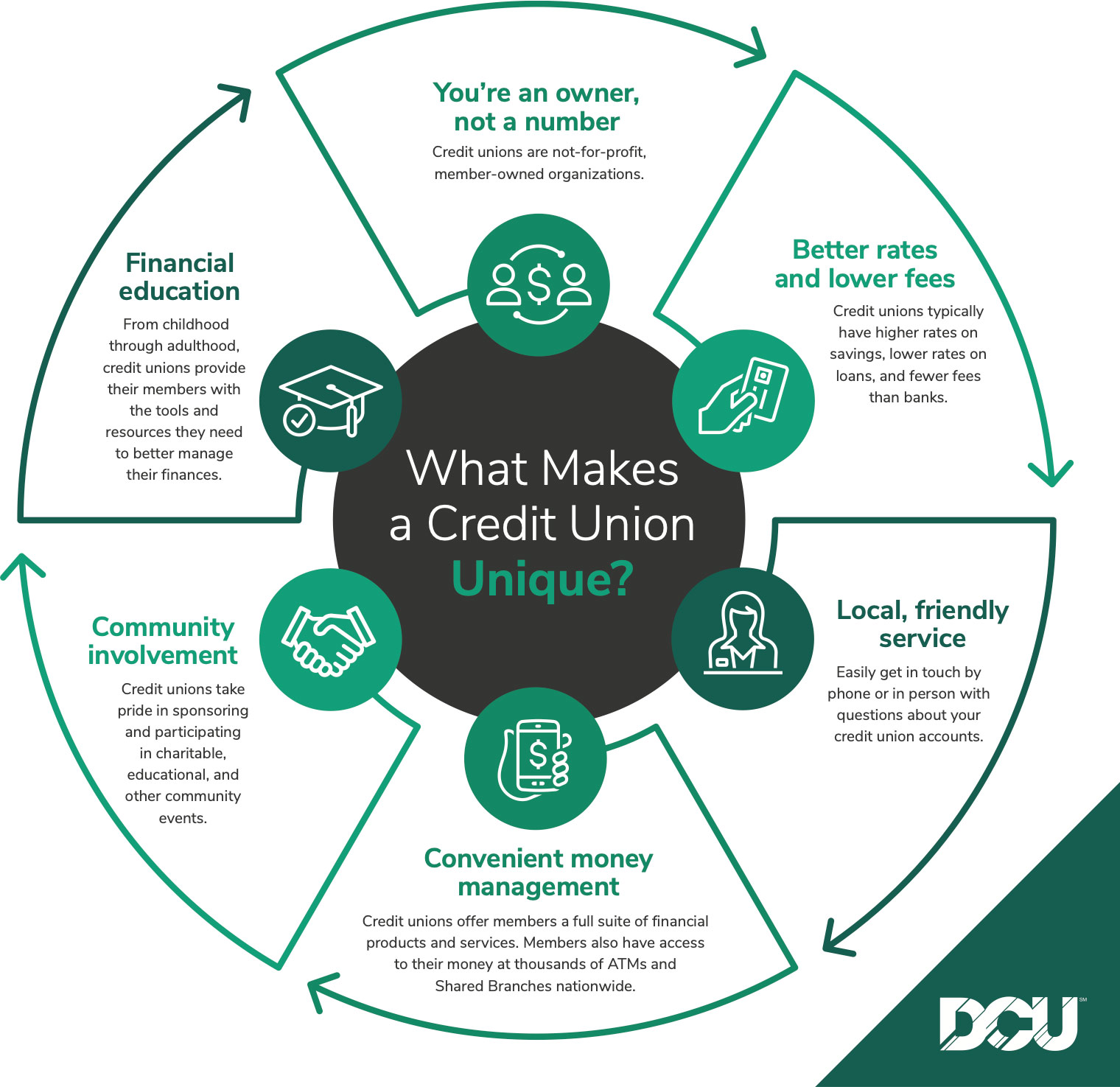
To understand a credit union commercial loan, one must first understand the fundamental structure of the institution providing it. Unlike commercial banks, which are owned by private shareholders and driven by profit maximization, credit unions are owned by their members. When a business takes out a loan from a credit union, it is essentially borrowing from a collective pool of capital generated by other members.
In the 2026 financial landscape, credit unions have significantly expanded their commercial portfolios. Traditionally known for consumer products like auto loans and mortgages, credit unions have moved aggressively into the Member Business Loan (MBL) space. This shift has been driven by a desire to diversify assets and provide local businesses with an alternative to the often rigid requirements of national banking conglomerates.
The core philosophy of "people helping people" translates into the commercial sector through relationship-based lending. Credit unions often look beyond simple credit scores, considering the business’s impact on the local community and the long-term viability of the entrepreneur's vision. However, this personalized approach does not mean lower standards; credit unions are strictly regulated and must maintain rigorous underwriting to protect the collective assets of their membership.
Types of Credit Union Commercial Loans
Credit unions offer a diverse array of commercial products designed to meet the lifecycle needs of a business. While the specific terms vary by institution, the following categories represent the standard offerings in 2026.
Commercial Real Estate (CRE) Loans
This is the most common type of commercial financing at credit unions. CRE loans are used to purchase, refinance, or renovate properties intended for business use. This includes owner-occupied offices, retail spaces, warehouses, and multi-family residential units. Credit unions are particularly competitive in this space because they often offer longer amortization periods and more flexible Loan-to-Value (LTV) ratios for local properties they understand well.
Commercial Equipment and Vehicle Loans
For businesses that require heavy machinery, specialized medical equipment, or a fleet of delivery vehicles, credit unions provide term loans specifically for these assets. The equipment itself usually serves as the collateral for the loan. Because credit unions are non-profits, the interest rates on equipment financing are often 0.5% to 1.5% lower than those offered by captive finance companies (the lending arms of manufacturers).
Commercial Lines of Credit
A business line of credit provides flexible access to funds that a company can draw upon as needed. This is essential for managing seasonal cash flow fluctuations, purchasing inventory, or covering unexpected operational expenses. Unlike a term loan, interest is only paid on the amount actually borrowed.
SBA Facilitated Loans
Many credit unions are approved lenders for the U.S. Small Business Administration (SBA). They participate in programs like the SBA 7(a) and the 504 loan program. By partnering with the SBA, the credit union reduces its risk through a government guarantee, allowing them to offer more favorable terms to businesses that might not qualify for conventional commercial financing.
Eligibility and the "Field of Membership" Requirement
The primary differentiator for credit union commercial loans is the requirement for membership. You cannot simply walk into any credit union and demand a commercial loan; you must first be eligible to join. This is defined by the credit union's Field of Membership (FOM).
- Geographic Affiliation: Most community credit unions require the business owner to live, work, or worship within a specific set of counties or a defined metropolitan area.
- Professional Affiliation: Some credit unions serve specific industries, such as educators, healthcare workers, or agricultural employees.
- Association Membership: Participation in certain non-profits or labor unions can also grant eligibility.
Once eligibility is confirmed, the business entity itself must become a member by opening a business savings account (often referred to as a "share account"). In 2026, the process of establishing membership is typically integrated into the loan application process, allowing for a seamless transition from applicant to member-owner.
The Regulatory Framework: NCUA and MBL Limits
Credit union commercial lending is governed by the National Credit Union Administration (NCUA). Federal law imposes a strict cap on the amount of Member Business Loans a credit union can hold in its portfolio.
Under the Federal Credit Union Act, most credit unions are restricted from lending more than 12.25% of their total assets to businesses. This cap was designed to ensure that credit unions remain focused on their primary mission of consumer lending. However, there are several significant exceptions to this rule:
- Loans less than $50,000 are generally not counted toward the cap.
- Loans secured by a 1- to 4-family dwelling (that is not the member’s primary residence) may be excluded.
- Loans granted by "Low-Income Designated" credit unions or those specifically chartered for business lending are exempt.
Understanding these limits is crucial for large-scale developers or businesses seeking very large capital injections. If a credit union is nearing its MBL cap, it may still facilitate the loan by partnering with other credit unions through a loan participation agreement, where several institutions share the risk and the funding.
Comparison: Credit Unions vs. Traditional Banks
When choosing where to source capital, business owners must weigh the structural differences between these institutions.
| Feature | Credit Union Commercial Loan | Traditional Bank Commercial Loan |
|---|---|---|
| Primary Goal | Member service and community value | Profit for shareholders |
| Interest Rates | Generally lower (Tax-exempt status) | Market-driven, often higher |
| Fees | Lower origination and service fees | Potentially higher fee structures |
| Decision Making | Local and relationship-based | Often centralized/automated (for larger banks) |
| Tech/Infrastructure | Improving, but may lag behind "Big Banks" | Top-tier digital platforms and global reach |
| Loan Limits | Subject to NCUA MBL caps | Limited only by bank's capital and risk appetite |
| Personal Guarantee | Almost always required | Almost always required |
The Underwriting Process: What to Expect
The underwriting process for a credit union commercial loan is rigorous. Because the credit union is responsible to its members, it must ensure the business has the capacity to repay the debt. Key metrics used in 2026 include:
- Debt Service Coverage Ratio (DSCR): This is the primary metric for commercial lending. It measures the business’s annual net operating income against its annual debt payments. Most credit unions look for a DSCR of 1.20x to 1.35x.
- Loan-to-Value (LTV): For real estate, credit unions typically cap their lending at 75% to 80% of the property's appraised value. This ensures the borrower has "skin in the game."
- Personal Financial Statements: Even though the loan is to a business entity, the owners (usually those with 20% or more ownership) must provide personal financial statements and global cash flow analysis.
- Business Plan and Projections: For expansion or startup loans, a detailed three-year projection is required to demonstrate how the new capital will generate sufficient revenue to service the debt.
Technical Advantages of Credit Union Lending in 2026
In 2026, the technology gap between credit unions and large banks has narrowed significantly due to the rise of Credit Union Service Organizations (CUSOs). These are third-party entities owned by credit unions that provide sophisticated commercial loan origination systems and monitoring tools.
As a result, a business owner can expect:
- Digital Portals: Secure platforms for uploading tax returns, P&L statements, and legal documents.
- Faster Turnaround: Automated underwriting assistants that handle the preliminary data entry, allowing human loan officers to focus on the nuances of the business case.
- Better Monitoring: Real-time access to loan balances, covenant compliance checklists, and interest payment schedules.
Potential Limitations to Consider
While credit union commercial loans offer many benefits, they are not a universal fit. The 12.25% MBL cap means that credit unions may struggle with extremely large projects (e.g., $50 million+ developments) unless they have a robust participation network.
Furthermore, businesses with complex international trade needs—such as multi-currency accounts or sophisticated global letters of credit—may find that credit unions lack the international footprint of a "Money Center" bank like JP Morgan Chase or HSBC. Credit unions excel at local and regional business, but their reach can be limited for global enterprises.
Frequently Asked Questions
Do I have to be a member before I apply for a commercial loan?
In most cases, you can begin the application process before becoming a member, but you must be eligible for membership and officially join the credit union before the loan can be closed and funds disbursed. Eligibility is usually based on your business location or your personal residence.
Are credit union commercial loan rates fixed or variable?
Both are available. In the 2026 market, many credit unions offer "hybrid" loans, where the rate is fixed for the first 5 or 7 years and then resets based on an index like the 5-Year Treasury Note. Purely fixed-rate loans for 15 or 20 years are rarer in the commercial space than in residential lending.
How much of a down payment is required for a commercial real estate loan at a credit union?
Typically, a 20% to 25% down payment is required. This results in an 75% to 80% Loan-to-Value (LTV) ratio. For SBA-backed loans facilitated through a credit union, the down payment requirement can sometimes be as low as 10%.
Can a credit union commercial loan be used for a startup?
Yes, but it is more challenging. Credit unions generally prefer businesses with at least two years of profitable operating history. Startups seeking credit union financing will almost certainly need strong collateral, a significant personal investment, and often an SBA guarantee to mitigate the institution's risk.
What is the maximum loan amount I can get from a credit union?
The limit depends on the specific credit union’s asset size and its remaining capacity under the NCUA’s 12.25% Member Business Loan cap. For a small community credit union, the limit might be $2 million; for a large multi-billion dollar credit union, they may be able to handle $20 million or more through participation agreements.
Practical Recommendation
If you are a small to mid-sized business owner in 2026, your first step should be to research credit unions within your specific "field of membership." Look for institutions that have a dedicated Commercial Lending Department rather than those that treat business loans as an extension of their consumer mortgage team.
Before approaching a loan officer, prepare a "loan package" consisting of three years of business and personal tax returns, an interim financial statement (P&L and Balance Sheet), and a clear statement of how the funds will be used to increase the business’s cash flow. By emphasizing your local ties and the stability of your operations, you can leverage the member-owned model to secure terms that are often more favorable than those found in the broader commercial banking market.
Image Gallery