Simone Manuel and the Legacy of Black Olympic Swimmers Breaking Barriers
Simone Manuel is the first Black woman to win an individual Olympic gold medal in swimming, achieving this historic milestone in the 100-meter freestyle at the 2016 Rio de Janeiro Games. Her victory shattered long-standing systemic bar...
Simone Manuel is the first Black woman to win an individual Olympic gold medal in swimming, achieving this historic milestone in the 100-meter freestyle at the 2016 Rio de Janeiro Games. Her victory shattered long-standing systemic barriers and debunked harmful myths regarding Black athletes' capabilities in competitive aquatic sports.
Contents
For decades, the world of competitive swimming was one of the least diverse arenas in the Olympic program. The "barrier" in question was not merely a lack of physical speed, but a complex web of historical segregation, socio-economic exclusion, and cultural stereotypes that prevented Black athletes from accessing the elite tiers of the sport. While Simone Manuel stands as the most prominent individual to break these barriers in the modern era, her journey is part of a century-long lineage of pioneers who challenged the status quo.
The Historical Context of the "Swimming Gap"
To understand the magnitude of what an athlete like Simone Manuel or Anthony Nesty accomplished, one must examine why swimming remained segregated for so long. Throughout the 20th century, particularly in the United States and parts of Europe, public pools were often the front lines of racial tension. In the U.S., many municipalities closed public pools rather than integrate them following the Civil Rights movement. This led to the proliferation of private "swim clubs," which often utilized discriminatory membership practices to exclude non-white families.
This lack of access created a generational "drowning gap." According to historical data from the USA Swimming Foundation, if a parent does not know how to swim, there is only a 19% chance that their child will learn. This socio-economic cycle, rather than any physiological trait, was the primary barrier. For years, pseudo-scientific myths suggested that Black people had "heavier bones" or "denser muscles" that hindered buoyancy. Modern sports science and the success of Black swimmers have since proven these claims to be entirely fraudulent, shifting the focus to where it belongs: infrastructure, coaching, and opportunity.
The Pioneers: From Brigitha to Nesty
While Simone Manuel’s 2016 victory is often cited as the definitive "barrier-breaking" moment, she stands on the shoulders of several key figures who proved that excellence in the pool knows no racial bounds.
Enith Brigitha: The First Medalist
In 1976, representing the Netherlands, Enith Brigitha became the first Black person to win an Olympic medal in swimming. She earned bronze medals in both the 100-meter and 200-meter freestyle at the Montreal Games. For years, Brigitha’s achievements were overshadowed by the state-sponsored doping program of East Germany; many sports historians argue that without the unfair advantage of her competitors, Brigitha would have been the first Black Olympic gold medalist forty years before Manuel.
Anthony Nesty: The First Male Gold Medalist
The first Black male to win Olympic gold in swimming was Anthony Nesty, representing Suriname. At the 1988 Seoul Olympics, Nesty stunned the world by defeating the heavy favorite, American Matt Biondi, in the 100-meter butterfly by a mere 0.01 seconds. Nesty’s victory was a watershed moment for South American and Black swimmers globally, demonstrating that world-class talent could emerge from outside the traditional powerhouse nations like the U.S. or Australia.
Simone Manuel: Redefining the Individual Sprint
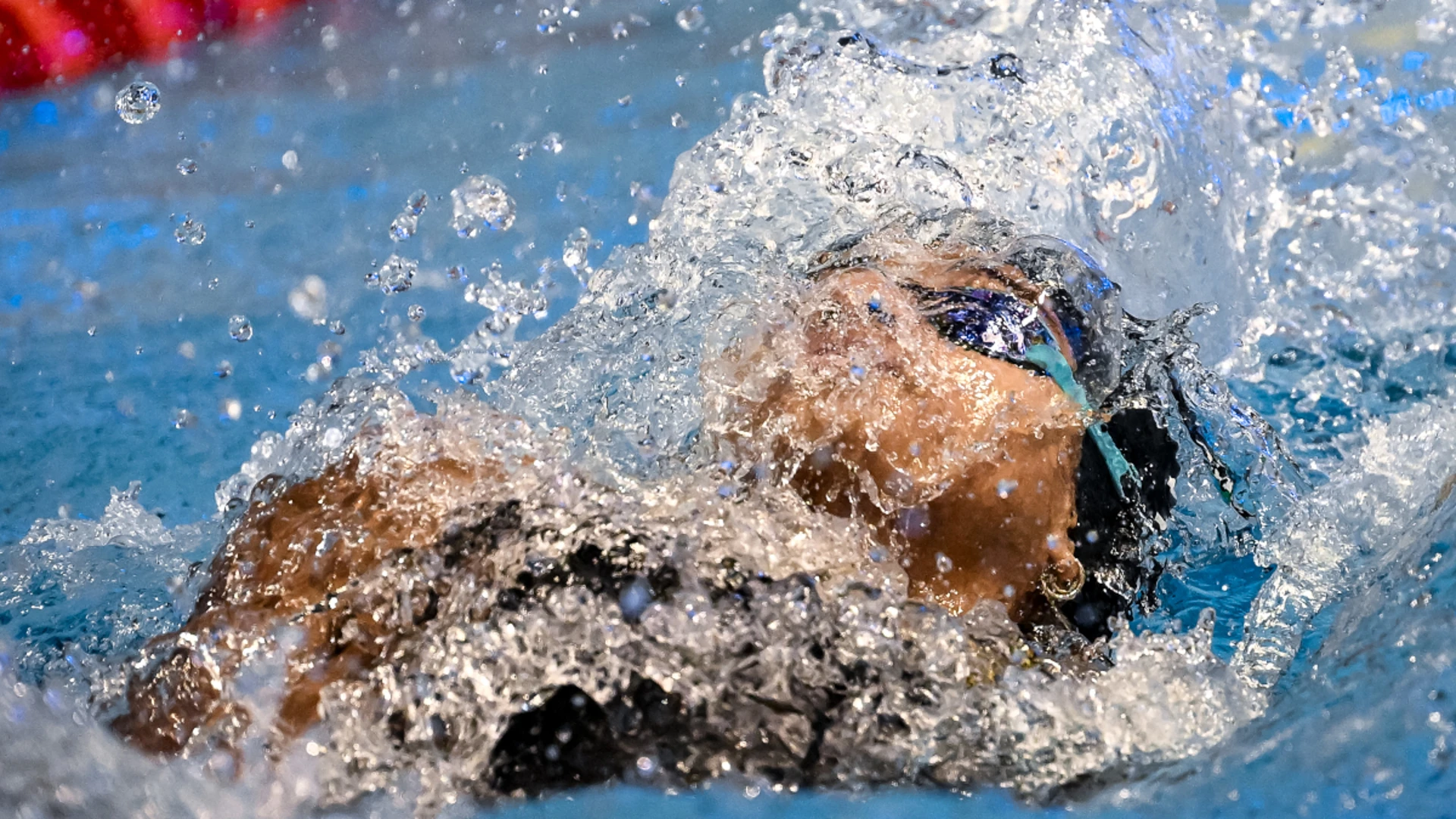
The 2016 Rio Olympics marked a turning point in the visibility of Black swimmers. Simone Manuel’s victory in the 100-meter freestyle was significant because it was the first individual gold for a Black woman. In swimming, individual events are often viewed as the ultimate test of a program’s ability to develop a single athlete to the peak of human performance.
Manuel tied for the gold with Canada’s Penny Oleksiak, setting an Olympic record of 52.70 seconds. In her post-race interview, Manuel acknowledged the weight of the moment, stating that the victory was for all those who came before her and for those who felt they didn't have a place in the sport. Her win was not just about the medal; it was about the visibility that dismantled the "Black people don't swim" trope on the world's largest stage.
Technical Proficiency and Sprint Mechanics
Manuel’s success is attributed to her exceptional "catch" and pull-through in the freestyle stroke. At 5'11", she possesses the reach necessary for elite sprinting, but it is her explosive power and high-tempo kick that set her apart. In the 100-meter freestyle, the margin for error is non-existent. Manuel’s ability to maintain stroke rate in the final 15 meters—the "oxygen debt" phase—is what allowed her to touch the wall first in 2016 and remain a dominant force in international swimming through the mid-2020s.
Key Milestones for Black Swimmers in Olympic History
The following table outlines the progression of Black athletes breaking through the elite ranks of Olympic swimming, highlighting the gradual expansion of representation.
| Year | Athlete | Country | Achievement | Significance |
|---|---|---|---|---|
| 1976 | Enith Brigitha | Netherlands | Bronze (100m/200m Free) | First Black person to win an Olympic swimming medal. |
| 1988 | Anthony Nesty | Suriname | Gold (100m Butterfly) | First Black male to win Olympic gold. |
| 2004 | Maritza McClendon | USA | Silver (4x100m Free Relay) | First Black American woman to medal and make the team. |
| 2008 | Cullen Jones | USA | Gold (4x100m Free Relay) | First Black male to hold a world record in swimming. |
| 2016 | Simone Manuel | USA | Gold (100m Free) | First Black woman to win individual Olympic gold. |
| 2021 | Alice Dearing | Great Britain | Marathon Swimming | First Black woman to represent Team GB in swimming. |
Overcoming the "Exclusionary Infrastructure"
Breaking barriers in swimming requires more than just individual talent; it requires a shift in how the sport is funded and marketed. For most of the 20th century, the "pay-to-play" model of elite swimming—involving expensive club fees, travel, and high-tech racing suits—disproportionately affected minority communities.
The Role of Advocacy and Programs
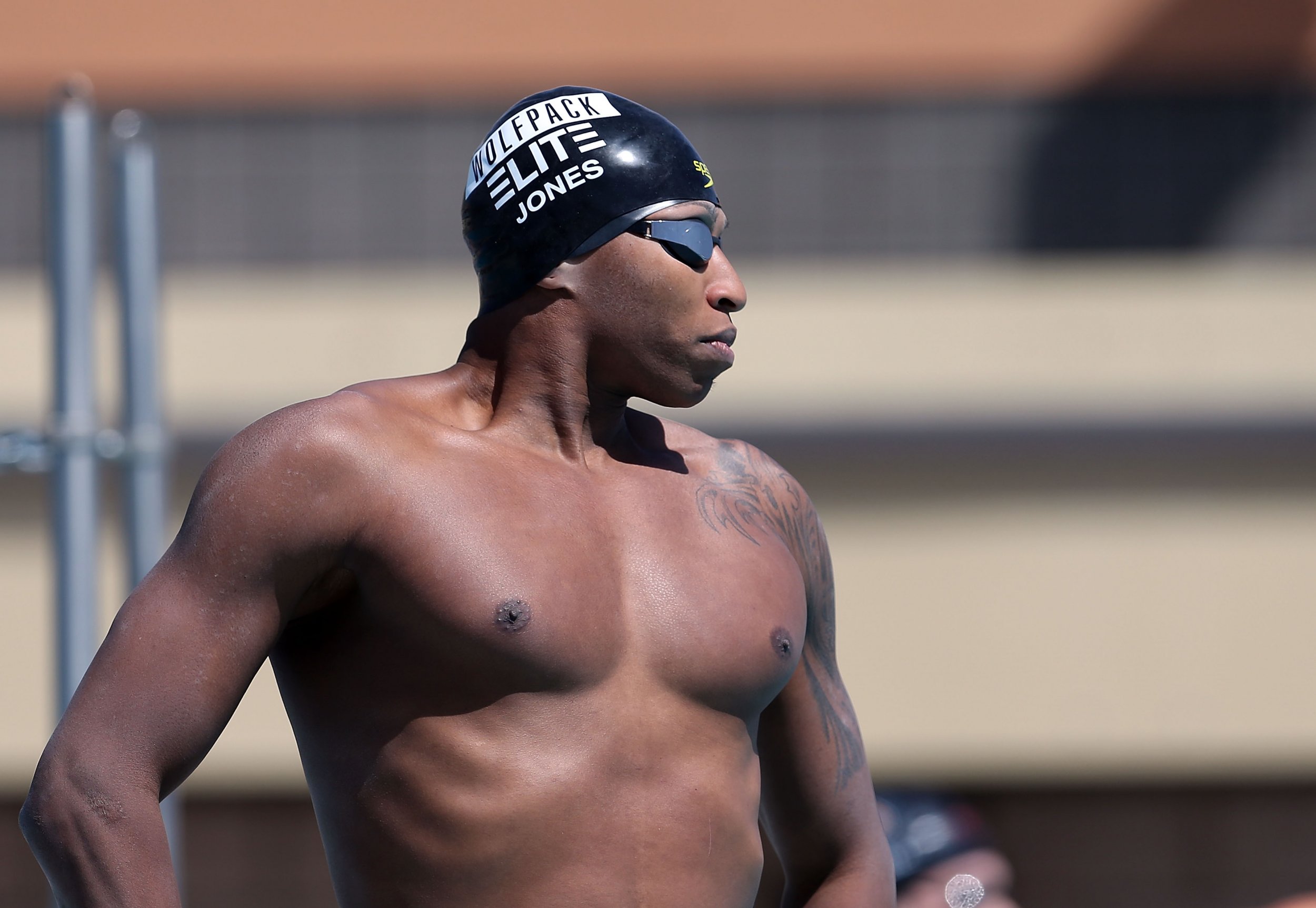
Athletes like Cullen Jones have used their platform to address the "why" behind the lack of diversity. Jones, a four-time Olympic medalist, became a lead ambassador for the Make a Splash initiative. This program focuses on providing low-cost or free swim lessons to underserved communities. As of 2026, these initiatives have significantly reduced the drowning rates among minority youth and have begun to widen the "talent funnel" for collegiate and Olympic programs.
The Impact of "Soul Cap" and Inclusivity
Barriers aren't always about the pool itself; sometimes they are about the equipment. The 2021 debate over the "Soul Cap"—a swim cap designed for voluminous, curly, or Afro-textured hair—highlighted the technical micro-barriers Black swimmers face. Initially banned by FINA (now World Aquatics) for not "following the natural shape of the head," the decision was eventually overturned following global outcry. This was a critical step in acknowledging that the "standard" equipment in swimming was often designed without considering the needs of diverse athletes.
The Path Forward: Swimming in 2026 and Beyond
As we look at the landscape of professional swimming in 2026, the influence of Simone Manuel and her predecessors is evident in the current generation of athletes. We see a more diverse array of swimmers qualifying for international meets not just from the United States, but from nations across Africa and the Caribbean that have invested in aquatic infrastructure.
The "barrier" is no longer the ability to win; the barrier is now the consistency of access. High-performance centers are increasingly being established in diverse urban areas, and the stigma that once surrounded Black participation in swimming has largely evaporated.
Why Representation Matters in 2026
Representation serves a dual purpose: it inspires the next generation and it forces the sporting establishment to evolve. When a young swimmer of color sees Simone Manuel on the podium, it removes the psychological barrier of "not belonging." From a technical standpoint, more diversity leads to a broader range of training methodologies and perspectives, which ultimately strengthens the sport as a whole.
Frequently Asked Questions
Who was the first Black swimmer to win an Olympic gold medal?
The first Black swimmer to win an Olympic gold medal was Anthony Nesty of Suriname. He won the 100-meter butterfly at the 1988 Seoul Olympics. It took nearly 30 more years for a Black woman, Simone Manuel, to achieve an individual gold medal in 2016.
Why is Simone Manuel’s gold medal considered a "barrier-breaking" moment?
Simone Manuel’s gold medal is significant because it was the first time a Black woman won an individual event in Olympic swimming. This was a major milestone because swimming had historically been one of the least diverse Olympic sports due to systemic exclusion and the "swimming gap" in minority communities.
What are the main reasons for the lack of diversity in swimming?
The lack of diversity is primarily due to historical socio-economic factors, including the segregation of public pools, the high cost of competitive club swimming, and a lack of generational "swim literacy" in communities that were historically denied access to aquatic facilities.
Are there physiological reasons why Black athletes didn't excel in swimming earlier?
No. There is no scientific evidence to support the myth that Black athletes are physiologically disadvantaged in swimming. The disparity in performance was entirely due to lack of access, opportunity, and quality coaching. The success of swimmers like Manuel, Jones, and Nesty has definitively disproven these myths.
How has the "Soul Cap" controversy affected swimming?
The controversy highlighted how standard swimming equipment could be exclusionary. By eventually approving the Soul Cap for international competition, World Aquatics acknowledged the importance of accommodating different hair types, making the sport more inclusive for athletes with natural or textured hair.
Next Actions for Aspiring Swimmers and Supporters
If you are looking to support the diversification of swimming or are an aspiring athlete looking to follow in the footsteps of Simone Manuel, consider these steps:
- Support Community Access: Advocate for the maintenance and funding of public municipal pools in your area.
- Enroll in Lessons: Utilize programs like "Make a Splash" to ensure water safety and basic proficiency.
- Educational Resources: Explore the International Swimming Hall of Fame to learn more about the diverse history of the sport and the pioneers who paved the way.
- Join Local Clubs: For competitive aspirations, seek out local USA Swimming or equivalent national governing body clubs that offer scholarship programs for diverse athletes.
Image Gallery