Kendrick Lamar’s DAMN. LP: A Comprehensive Overview and Cultural Context
Kendrick Lamar’s fourth studio album, DAMN., released on April 14, 2017, is a Pulitzer Prize-winning masterpiece that explores the complexities of human morality, faith, and personal identity. By blending contemporary trap-influenced p...
Kendrick Lamar’s fourth studio album, DAMN., released on April 14, 2017, is a Pulitzer Prize-winning masterpiece that explores the complexities of human morality, faith, and personal identity. By blending contemporary trap-influenced production with deeply introspective lyricism, Lamar examines the dichotomy between "wickedness and weakness" in a volatile sociopolitical landscape.
Contents
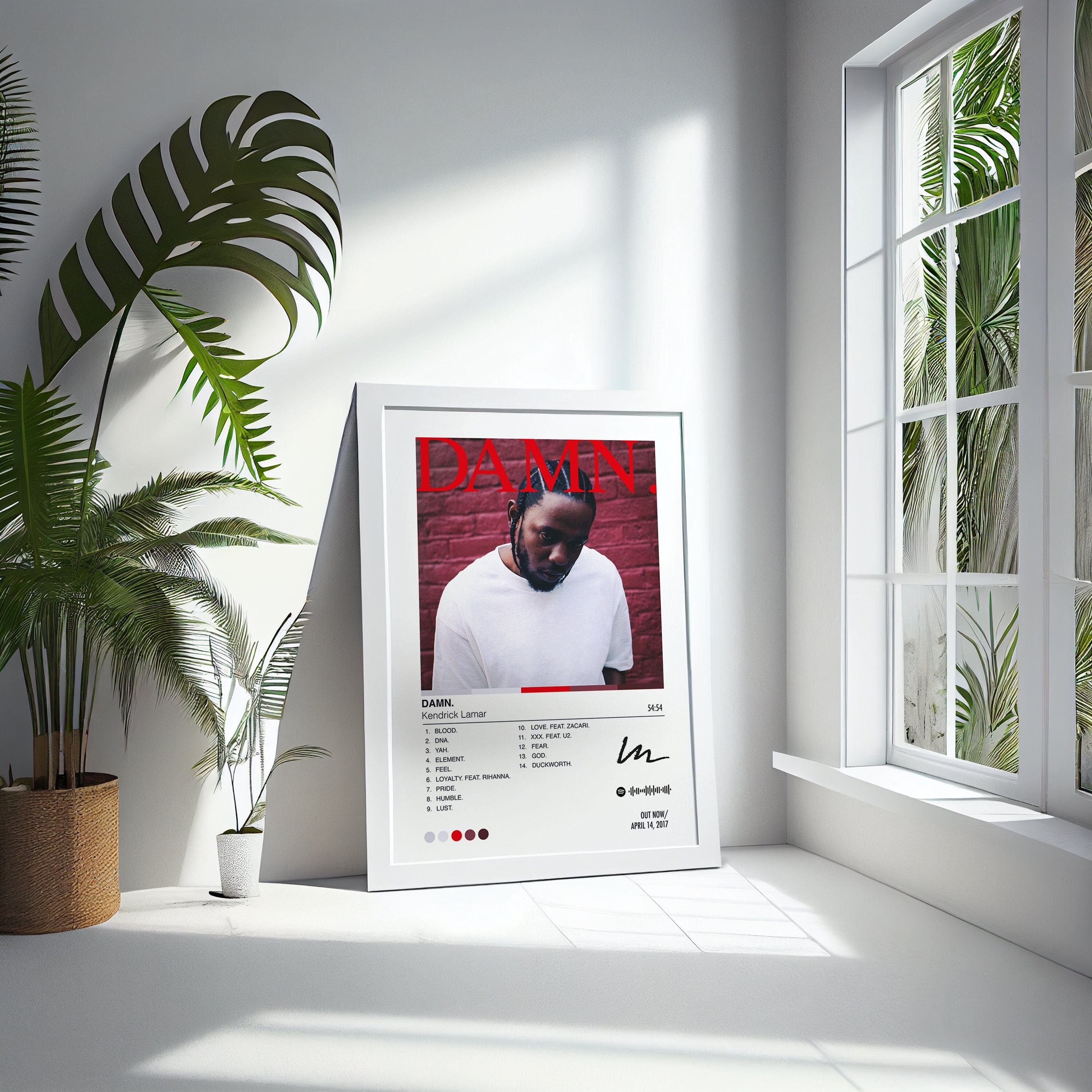
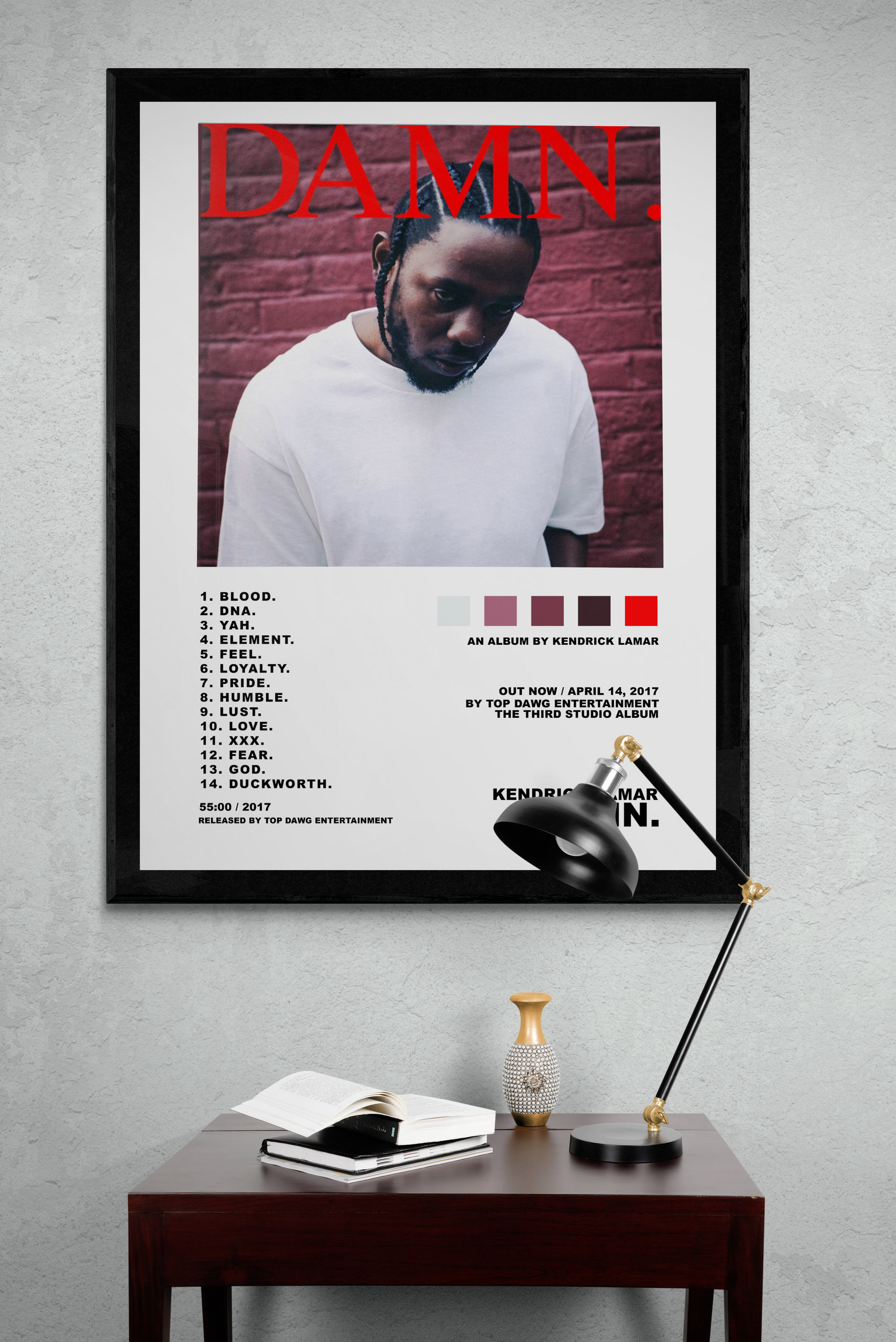
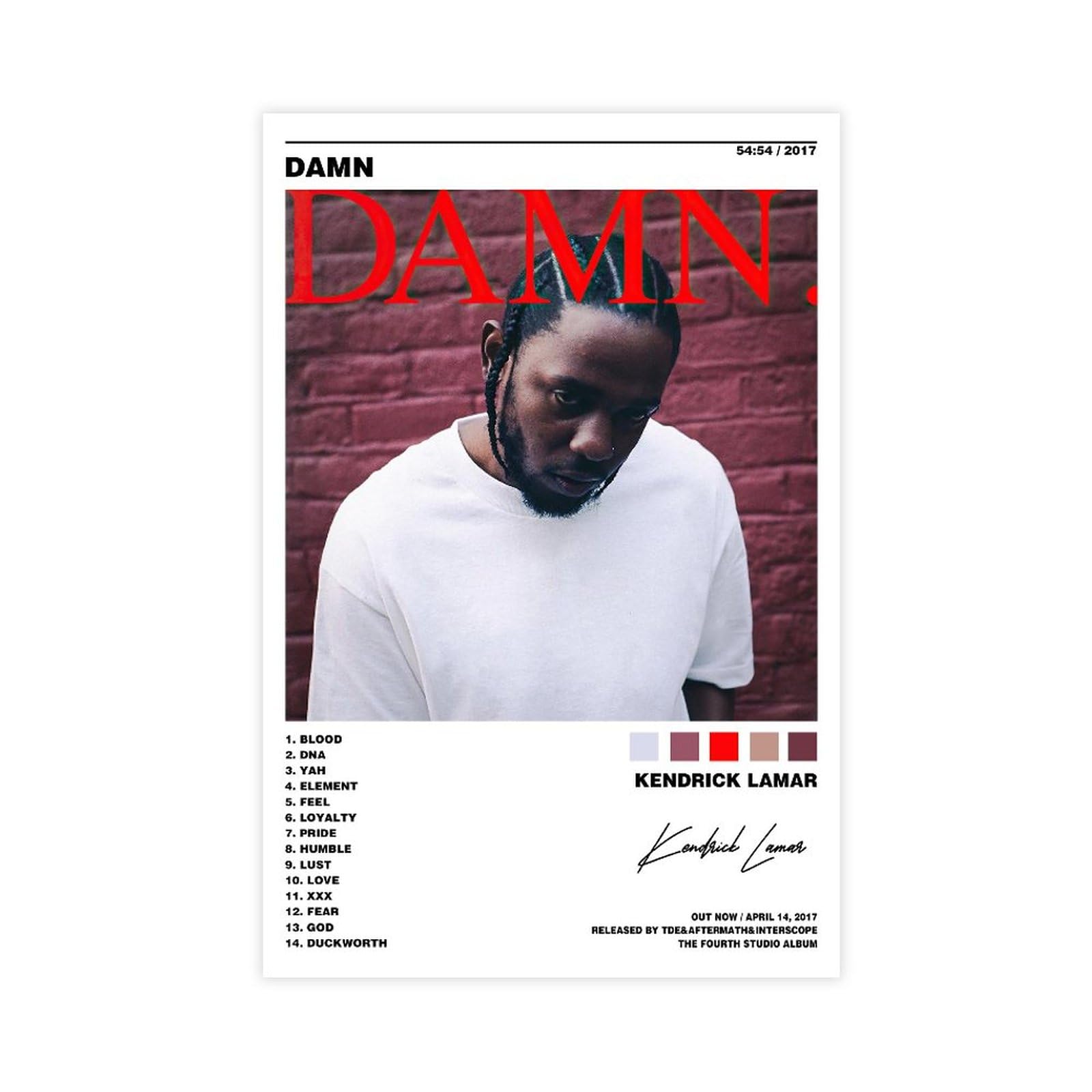
Released via Top Dawg Entertainment, Aftermath Entertainment, and Interscope Records, DAMN. marked a significant stylistic departure from the jazz-fusion and funk textures of its predecessor, To Pimp a Butterfly. In the years since its release, leading into 2026, the album has maintained its status as a foundational text in modern hip-hop, often cited for its narrative density and its unique ability to bridge commercial success with high-concept artistry.
The Contextual Landscape: Post-TPAB and the 2017 Era
To understand the weight of the DAMN. LP, one must look at the environment in which it was conceived. Following the 2015 release of To Pimp a Butterfly, Kendrick Lamar was viewed not just as a rapper, but as a voice for a generation. That album became an anthem for the Black Lives Matter movement, particularly the track "Alright." However, the pressure of being a "prophet" or a communal leader took a toll on Lamar.
By the time 2017 arrived, the United States was undergoing a massive political shift. The themes of DAMN. reflect a more insular, paranoid, and conflicted perspective. Where To Pimp a Butterfly was outward-looking and focused on the collective Black experience in America, DAMN. is inward-looking. It asks whether the individual can be saved when the world around them feels cursed. This transition from "we" to "I" is the defining contextual pivot of the record.
The Rise of Kung Fu Kenny
During the DAMN. era, Lamar introduced the alter ego "Kung Fu Kenny." This persona, inspired by Don Cheadle’s character in Rush Hour 2, symbolized a new level of technical mastery and combativeness. It signaled that Kendrick was ready to defend his throne in the hip-hop hierarchy while acknowledging the internal discipline required to navigate his sudden "God-status" in the industry.
Thematic Architecture: Wickedness vs. Weakness
The core of the DAMN. LP is built around a central question posed in the opening track, "BLOOD.": "Is it wickedness? Is it weakness? You decide." This duality serves as the framework for the entire 14-track project. Each song title is a single, capitalized word followed by a period, suggesting a definitive yet isolated concept that Kendrick seeks to deconstruct.
Theological Influences and the Black Hebrew Israelites
One of the most profound contextual elements of DAMN. is the influence of Lamar’s cousin, Carl Duckworth. Throughout the album, particularly on "FEAR." and "FEEL.", Kendrick incorporates the theology of the Black Hebrew Israelites. This perspective suggests that the struggles of Black Americans are a result of "turning away from God's commandments," framing systemic oppression as a divine curse.
Whether or not Lamar fully subscribes to this theology, its inclusion provides a heavy, fatalistic atmosphere to the album. It adds a layer of spiritual urgency that distinguishes DAMN. from standard "conscious rap" by rooting social issues in ancient, biblical consequences.
The Dual Narratives
A unique aspect of the DAMN. LP is its bi-directional narrative. Fans quickly discovered that the album could be played in reverse order—starting with "DUCKWORTH." and ending with "BLOOD."—to tell a completely different story.
- Forward Order: The story of a man who lives, struggles with his nature, and eventually dies.
- Reverse Order: The story of a man who avoids a tragic fate through a series of coincidental (or divine) choices, leading to his eventual "rebirth."
In December 2017, Kendrick officially acknowledged this by releasing the DAMN. Collectors Edition, which featured the tracklist in reverse. This highlighted the album's obsession with destiny and the "what ifs" of life.
Musical Composition and Production Style
Musically, DAMN. saw Kendrick collaborating with high-profile "hit-making" producers like Mike Will Made-It, Greg Kurstin, and Teddy Walton, alongside his long-time collaborators Sounwave and Terrace Martin.
- Sonic Texture: The album features a "sharper" sound than his previous work. Tracks like "DNA." utilize aggressive 808s and distorted bass, while "PRIDE." offers a shimmering, psychedelic indie-rock aesthetic.
- Vocal Performance: Lamar utilizes a wide array of vocal textures—from the frantic, breathless delivery on "DNA." to the melodic, radio-friendly crooning on "LOVE." and "LOYALTY." (featuring Rihanna).
- The U2 Collaboration: One of the most unexpected moments on the album is the appearance of U2 on "XXX." This track serves as a chaotic exploration of American violence, using Bono’s vocals to provide a haunting, melodic contrast to Kendrick’s aggressive verses about revenge and institutional hypocrisy.
The Pulitzer Prize: A Historic Milestone
In 2018, DAMN. was awarded the Pulitzer Prize for Music. This was a watershed moment in cultural history, as it was the first time the award was given to an artist outside of the classical or jazz genres since the music category was established in 1943.
The Pulitzer board described the album as "a virtuosic song collection unified by its vernacular authenticity and rhythmic dynamism that offers affecting vignettes capturing the complexity of modern African-American life." This accolade validated hip-hop as a high-art form in the eyes of the most prestigious academic institutions, a legacy that continues to be discussed in 2026 as a turning point for the genre's institutional respect.
Detailed Album Specifications and Key Data
The following table provides a technical overview of the DAMN. LP, including its commercial performance and critical highlights.
| Feature | Details |
|---|---|
| Release Date | April 14, 2017 |
| Primary Genre | Hip-Hop / Conscious Rap |
| Total Length | 54:54 (14 Tracks) |
| Lead Singles | "HUMBLE.", "DNA.", "LOYALTY.", "LOVE." |
| Key Producers | Sounwave, Mike Will Made-It, DJ Dahi, Alchemist |
| Notable Guest Features | Rihanna, Zacari, U2 |
| Major Awards | Pulitzer Prize for Music (2018), 5 Grammy Awards (2018) |
| RIAA Certification | 3x Platinum (as of last major audit) |
Track-by-Track Contextual Highlights
While every track on the LP contributes to the overarching narrative, several songs stand out for their specific contributions to the "context" of Kendrick's career.
DNA.
This track is a celebration and a critique of Black heritage. Kendrick dissects his "DNA" to find both "royalty" and "misery." The beat switch in the second half of the song is often cited as one of the most explosive moments in modern rap production, emphasizing the internal conflict of his identity.
HUMBLE.
The album's most commercially successful song, "HUMBLE.", was often misinterpreted as a message to other rappers. However, within the context of the album, it functions as a self-admonition. Lamar is reminding himself to stay grounded amidst his skyrocketing fame, even as he uses the track to display his lyrical dominance.
FEAR.
Kendrick himself has stated that "FEAR." contains the best verses he has ever written. The song explores fear at three stages of his life: age 7 (fear of his mother’s discipline), age 17 (fear of dying young in Compton), and age 27 (fear of losing his success and God's favor). It is the emotional anchor of the LP.
DUCKWORTH.
The closing track (in the original sequence) tells the true story of how Anthony "Top Dawg" Tiffith almost killed Kendrick’s father, Ducky, during a robbery at a KFC years before Kendrick was born. The song concludes that if they had made different choices, "Top Dawg could be servin' life / While I grew up without a father and die in a gunfight." It is the ultimate meditation on how small moments of "weakness" or "wickedness" shape the destiny of generations.
Frequently Asked Questions
Why is the album titled DAMN.?
The title reflects a sense of finality and spiritual judgement. It can be interpreted as a reaction to the state of the world, a self-condemnation, or a reference to the biblical "damnation" discussed through the Black Hebrew Israelite perspective. It is an emotional outburst that summarizes the frustration and intensity of the songs.
Is there a difference between the CD and the LP (Vinyl) versions?
Musically, the content is identical. However, the LP format is highly sought after by collectors for its gatefold artwork and the tactile experience of the "Collectors Edition" reverse tracklist. Many fans argue that the "analog" feel of a vinyl record complements the album's raw, gritty production.
Who is the blind woman in the opening track?
In "BLOOD.", Kendrick encounters a blind woman and offers to help her find something she lost. She responds by saying, "You've lost your life," and shoots him. This is widely seen as a metaphor for Kendrick (the "prophet") trying to help a world (the "blind woman") that is ultimately hostile and will lead to his demise.
How did DAMN. change Kendrick Lamar’s career trajectory?
Before DAMN., Kendrick was a critical darling but not necessarily a "blockbuster" pop star. This album gave him massive radio hits ("HUMBLE.", "LOVE.") without sacrificing his intellectual depth. It transformed him into a global icon capable of headlining stadiums while winning the most prestigious academic awards in the world.
What is the significance of the "reverse tracklist"?
The reverse tracklist suggests that the album is a loop. If you start with "DUCKWORTH.", the story ends with "BLOOD." (his death). If you start with "BLOOD.", the story ends with the "reversal" of fate in "DUCKWORTH." This reinforces the theme of "God’s plan" versus human agency.
Final Recommendation for New Listeners
For those approaching the DAMN. LP for the first time in 2026, it is recommended to listen to the original 14-track sequence first. Pay close attention to the lyrics of "FEAR." and "DUCKWORTH.", as they provide the essential keys to unlocking the album’s personal and spiritual stakes. After the first listen, explore the "reverse order" theory to see how the change in sequencing alters the emotional impact of Kendrick’s journey from "wickedness" to "weakness."
Image Gallery