Utah Life Insurance Agent License: Comprehensive Guide and Sample Exam Prep
To obtain a life insurance agent license in Utah in 2026, candidates must pass the state-proctored exam administered by Prometric, which evaluates knowledge of national insurance principles and Utah-specific statutes. Passing requires...
To obtain a life insurance agent license in Utah in 2026, candidates must pass the state-proctored exam administered by Prometric, which evaluates knowledge of national insurance principles and Utah-specific statutes. Passing requires a scaled score of 70, following which applicants must complete fingerprinting for a background check and submit a formal application via Sircon or the NIPR.
Contents
Navigating the path to becoming a licensed life insurance producer in Utah requires a disciplined approach to both general insurance theory and the specific regulatory environment of the Beehive State. The Utah Insurance Department (UID) maintains rigorous standards to ensure that agents—referred to legally as "producers"—are equipped to provide accurate financial advice and ethical service to consumers. This guide provides a detailed breakdown of the exam structure, core concepts, and sample questions to assist in your preparation.
Prerequisites for Utah Licensure
Before sitting for the exam, it is essential to understand the eligibility requirements established by the Utah Insurance Code. While Utah does not strictly mandate a specific number of "classroom hours" for pre-licensing education for life insurance as of 2026, the complexity of the exam makes professional study courses highly recommended.
- Age and Residency: You must be at least 18 years of age and a resident of Utah. Non-residents may apply for a reciprocal license if they hold a valid license in their home state.
- Character Requirements: Applicants must demonstrate "trustworthiness and competence." This is verified through a criminal background check and the disclosure of any past administrative actions.
- Exam Registration: Candidates must register for the Life Producer Exam (typically coded as Series 13-01) through Prometric, the state's authorized testing vendor.
- Fingerprinting: Utah requires live-scan fingerprinting, which is typically conducted at the testing center on the day of the exam or through an approved third-party vendor like Fieldprint.
The Structure of the Utah Life Insurance Exam
The exam is divided into two distinct sections: the General Knowledge section and the State-Specific section. You must perform well in both areas to achieve an overall passing score. In 2026, the exam is computer-based and primarily consists of multiple-choice questions.
General Knowledge Section
This portion focuses on the universal concepts of life insurance that apply regardless of geography. It tests your understanding of:
- Types of Policies: Differentiating between Term Life (Level, Decreasing, Annual Renewable) and Whole Life (Straight, Limited Pay, Single Premium), as well as flexible policies like Universal Life and Variable Life.
- Policy Provisions and Riders: Understanding the "Standard Provisions" such as the Grace Period, Incontestability Clause, Reinstatement, and Misstatement of Age.
- Underwriting and the Application Process: The role of the agent in field underwriting, the use of the Medical Information Bureau (MIB), and the legal significance of the "Insurable Interest" requirement.
- Taxation and Retirement: The tax treatment of premiums and death benefits, and the mechanics of qualified retirement plans like IRAs and 401(k)s.
Utah State-Specific Section
This section is often the more challenging part for students because it requires memorization of specific Utah Administrative Rules (R590) and statutes. Key areas include:
- Powers of the Commissioner: The Commissioner of Insurance is appointed by the Governor and has the power to conduct examinations, issue cease and desist orders, and revoke licenses.
- Marketing Practices: Utah law strictly prohibits "Unfair Trade Practices" such as Twisting (misrepresenting a policy to induce a replacement) and Rebating (offering an incentive not stated in the policy).
- Replacement Regulations: Specific disclosure requirements that must be met when a client replaces an existing life insurance policy with a new one.
- Life and Health Insurance Guaranty Association: How Utah protects policyholders in the event of an insurer's insolvency.
Key Technical Concepts to Master
To succeed on the Utah sample exams and the actual test, you must go beyond surface-level definitions.
The Mechanics of "Insurable Interest"
In Utah, an insurable interest must exist at the time the policy is issued. It does not necessarily need to exist at the time of the claim. This interest typically exists between close family members or in business relationships (such as "Key Person" insurance).
Non-forfeiture Options
When a permanent life insurance policy lapses due to non-payment of premium, Utah law requires that the policyholder receive the "equity" or cash value of the policy. The three standard non-forfeiture options are:
- Cash Surrender: The owner receives the cash value minus any outstanding loans.
- Reduced Paid-Up: The cash value is used as a single premium to buy a permanent policy with a lower face amount.
- Extended Term: The cash value is used to buy a term policy with the same face amount as the original policy for as long a period as the cash will buy. This is usually the "automatic" option if the owner doesn't make a choice.
Utah Grace Period and Reinstatement
For most life insurance policies in Utah, the grace period is 31 days. If the insured dies during this period, the death benefit is paid, but the overdue premium is deducted from the proceeds. Reinstatement is generally allowed within three years of lapse, provided the owner pays back premiums with interest and provides evidence of insurability.
2026 Utah Life Insurance Licensing Costs
The financial investment required to obtain a license includes exam fees, licensing fees, and background check costs. These figures are subject to periodic adjustments by the UID and Prometric.
| Item | Estimated Cost (2026) | Frequency |
|---|---|---|
| Prometric Exam Fee (Life) | $55.00 | Per Attempt |
| Utah Resident Initial License Fee | $75.00 | Every 2 Years |
| Fingerprinting / Background Check | $35.00 - $50.00 | Initial Application |
| Pre-Licensing Study Material | $150.00 - $300.00 | Optional but Recommended |
| License Renewal Fee | $75.00 | Biennial |
Sample Exam Questions and Explanations
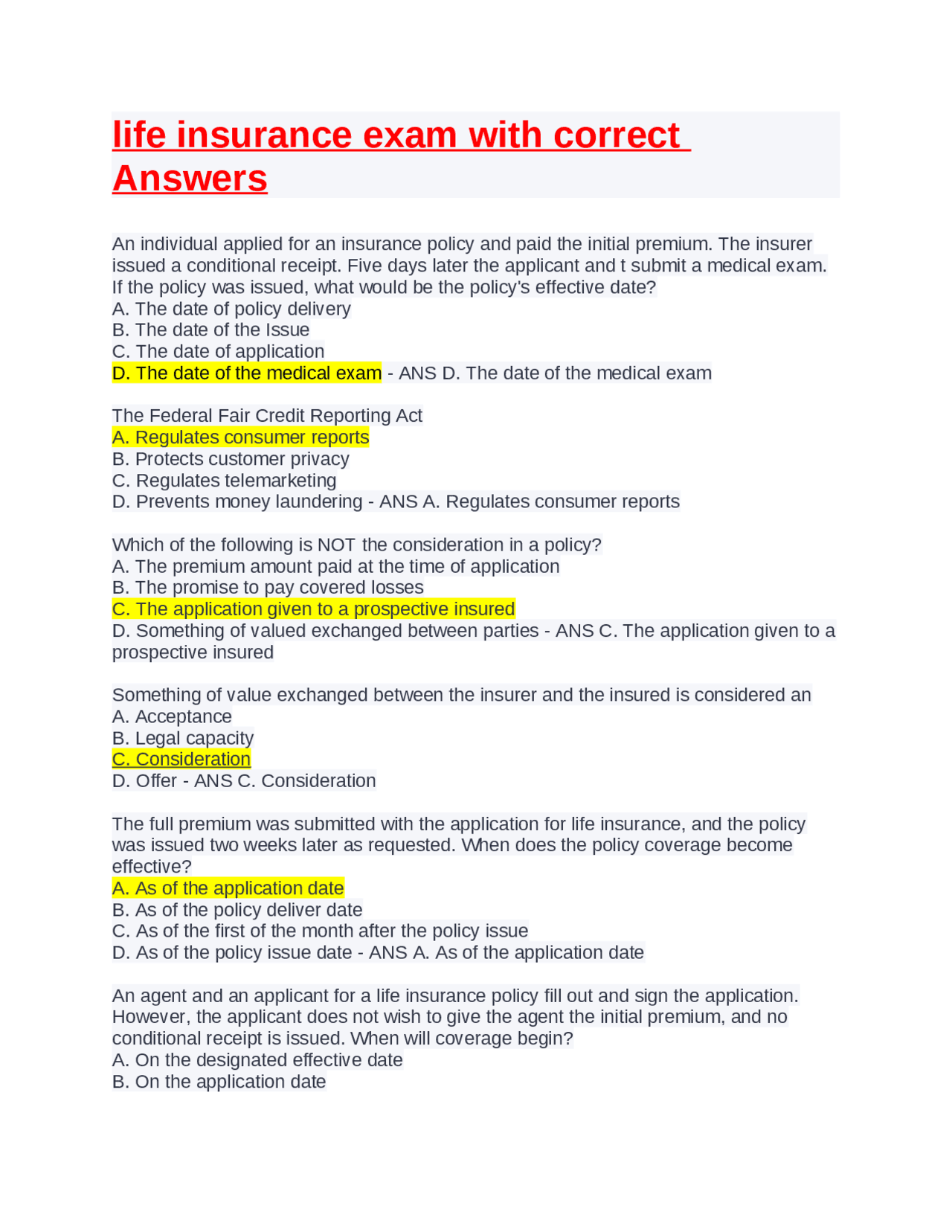
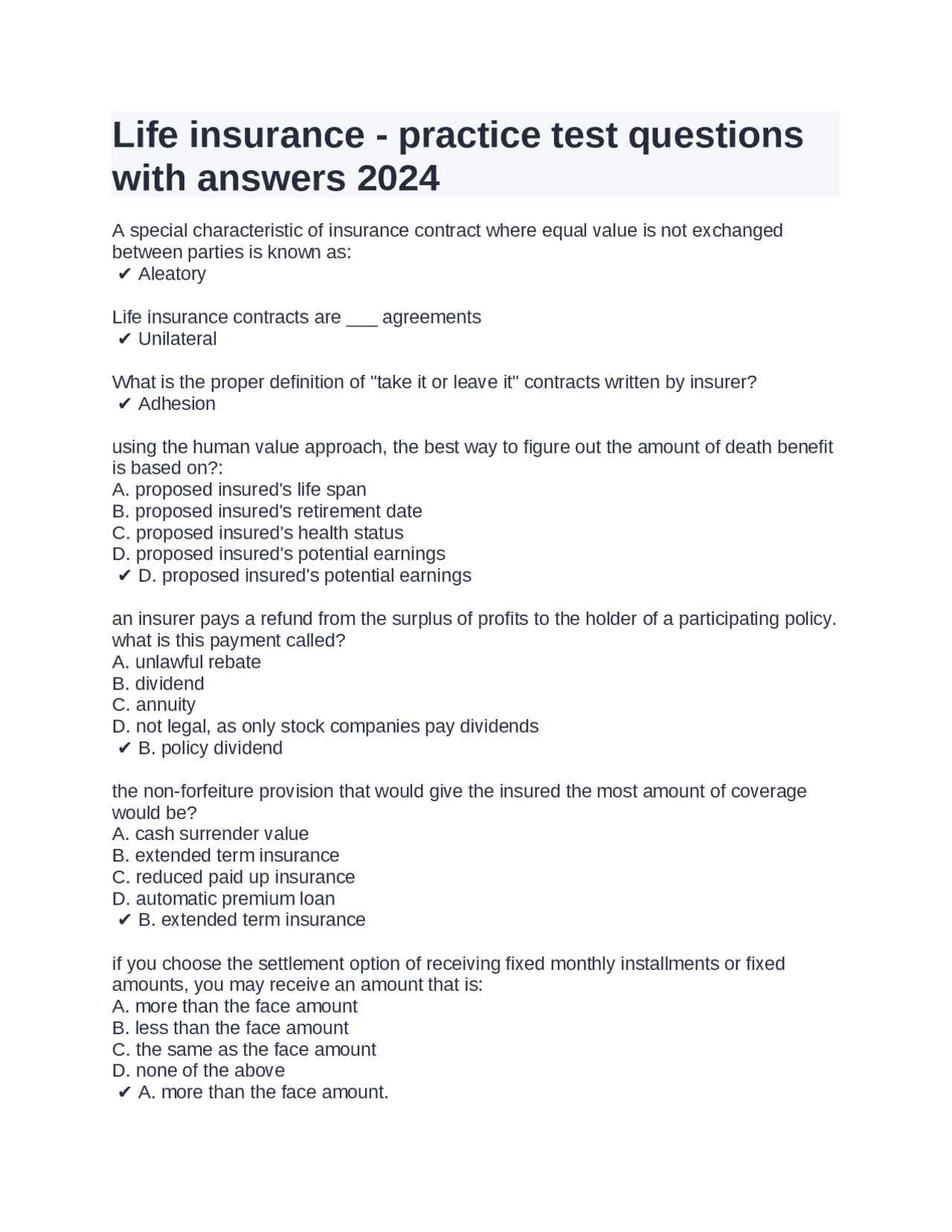
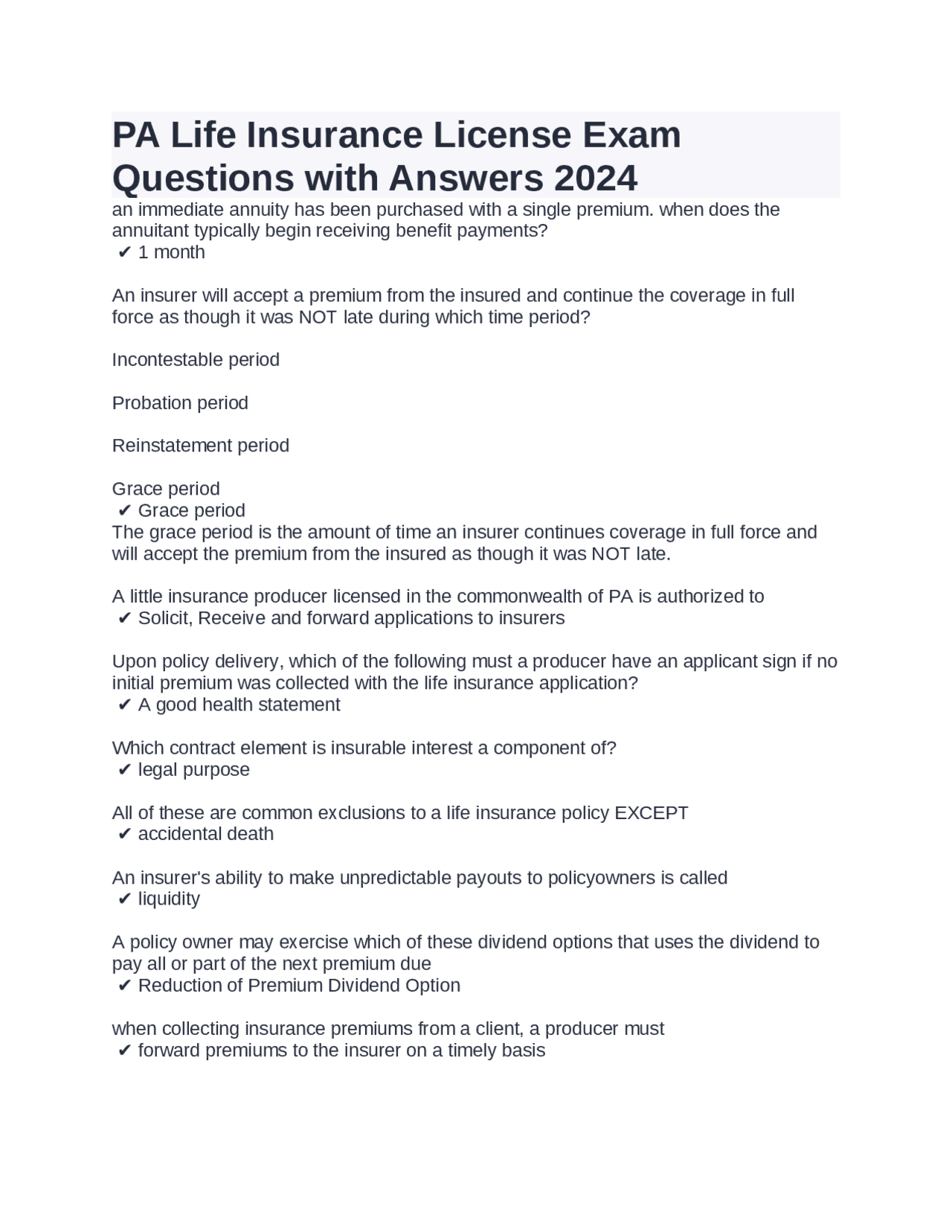
The following questions simulate the style and difficulty of the 2026 Utah Life Insurance exam. Use these to test your logic and knowledge of the material.
Question 1: According to Utah Law, how many days is the standard "Free Look" period for a newly issued individual life insurance policy?
- A) 7 days
- B) 10 days
- C) 20 days
- D) 30 days
- Answer: B. In Utah, the standard free look period is 10 days from the date of policy delivery. This allows the owner to return the policy for a full refund of premiums if they are unsatisfied for any reason. Note that for senior-specific products or replacements, this period may be longer (often 30 days), but the standard is 10.
Question 2: Which of the following best describes the "Incontestable Clause" in a life insurance contract?
- A) It prevents the insurer from denying a claim after the policy has been in force for 2 years, even in cases of material misrepresentation.
- B) It allows the insurer to cancel the policy at any time for any reason.
- C) It states that the policy cannot be contested during the first 30 days of the grace period.
- D) It prevents the beneficiary from contesting the death benefit amount.
- Answer: A. The Incontestable Clause is a consumer protection feature. After a policy has been in force for a specific period (usually two years), the insurer cannot challenge the validity of the policy based on statements made in the application, except for non-payment of premiums.
Question 3: In Utah, a producer who offers a potential client a $100 gift card to induce them to purchase a life insurance policy is guilty of:
- A) Twisting
- B) Churning
- C) Rebating
- D) Coercion
- Answer: C. Rebating is the practice of offering anything of value (commission splits, gifts, or services) to a prospect that is not specified in the insurance contract. This is illegal in Utah as it creates an uneven playing field and can lead to unethical sales tactics.
Question 4: Which life insurance policy is characterized by a death benefit that can fluctuate based on the performance of a separate investment account, but usually guarantees a minimum death benefit?
- A) Universal Life
- B) Variable Life
- C) Indexed Universal Life
- D) Whole Life
- Answer: B. Variable Life insurance allows the policyholder to allocate cash value into sub-accounts (similar to mutual funds). Because the policy involves investment risk, the agent must also hold a FINRA securities license (Series 6 or 7) in addition to the Utah life insurance license.
Question 5: Under the Utah Life and Health Insurance Guaranty Association, what is the primary purpose of the association?
- A) To set the premium rates for all life insurance companies in Utah.
- B) To provide a fund to pay claims of policyholders if an insurer becomes insolvent.
- C) To act as a secondary insurer for high-risk individuals.
- D) To investigate fraud within the insurance industry.
- Answer: B. The Guaranty Association is a safety net. It ensures that if a member insurance company fails, the policyholders' claims are paid (up to specific statutory limits). Producers are legally prohibited from using the existence of the Guaranty Association as a "selling point" or marketing tool.
Common Mistakes to Avoid During Preparation
Many candidates fail the Utah exam on their first attempt because of a few recurring errors. Understanding these pitfalls can help you focus your study time more effectively.
- Ignoring the "State-Specific" Definitions: Many students focus entirely on the national concepts (like how a Whole Life policy works) but ignore the nuances of Utah law, such as the specific timeframe for reporting a change of address (30 days) or the specific penalties for a "Cease and Desist" violation.
- Confusing "Producer" with "Consultant": In Utah, a Producer is licensed to sell, solicit, or negotiate insurance and is usually paid by commission. A Consultant is licensed to provide insurance advice for a fee and cannot receive commissions from the sale of a policy they recommended as a consultant.
- Overlooking the "Human Life Value" Approach: Be prepared for math-based questions regarding how to calculate the amount of insurance a person needs. The "Human Life Value" approach focuses on the individual's future earning potential, while the "Needs Approach" focuses on specific expenses like mortgages, final expenses, and education.
- Misunderstanding Replacement Rules: Utah has strict rules regarding the replacement of life insurance. Agents must provide a "Notice Regarding Replacement" to the applicant and the existing insurer. Failure to follow these steps precisely is a common area for exam questions.
Final Steps: Post-Exam Procedures
Passing the exam is a major milestone, but your license is not active until the Utah Insurance Department processes your application.
- Wait for the Score Report: Prometric provides a "Pass" or "Fail" immediately upon completion. If you pass, the data is transmitted to the UID within 48 to 72 hours.
- Complete the Sircon Application: Log into Sircon or the NIPR website to complete the individual resident producer application. You will pay the licensing fee at this stage.
- Fingerprinting and Background: If you did not do this at the Prometric site, ensure your fingerprints are submitted immediately. The UID will not issue the license until the FBI and BCI background checks are clear.
- Appointment: Once licensed, you must be "appointed" by an insurance company before you can legally sell their products. The company will file an appointment notice with the UID.
FAQ
How many questions are on the Utah Life Insurance exam? In 2026, the Life Producer exam typically consists of approximately 100 questions. About 75–80 of these cover general insurance knowledge, while 20–25 focus on Utah-specific laws and regulations. There may also be a small number of "pretest" questions that do not count toward your score.
What is the passing score for the Utah insurance exam? The passing score is a scaled score of 70. This is not a simple percentage (e.g., 70 out of 100) but rather a score adjusted for the difficulty of the specific version of the exam you received.
How many times can I retake the exam if I fail? Utah does not have a strict limit on the number of attempts, but you must pay the exam fee for every retake. If you fail, Prometric provides a diagnostic report showing which sections you struggled with, allowing you to focus your studies before the next attempt.
Do I need a separate license for health insurance in Utah? Yes. While some states combine Life and Health into one exam, many candidates in Utah choose to take them separately. If you wish to sell health insurance (including Long-Term Care or Disability), you must pass the Accident and Health exam and have that line of authority added to your license.
Recommendation for Next Action Your most effective next step is to download the Prometric Utah Insurance Licensing Candidate Handbook for 2026. This document contains the current "Exam Content Outline," which serves as a blueprint for the test. Focus your study sessions on the weighted percentages provided in that outline to ensure you are prioritizing the topics that appear most frequently on the exam.
Image Gallery