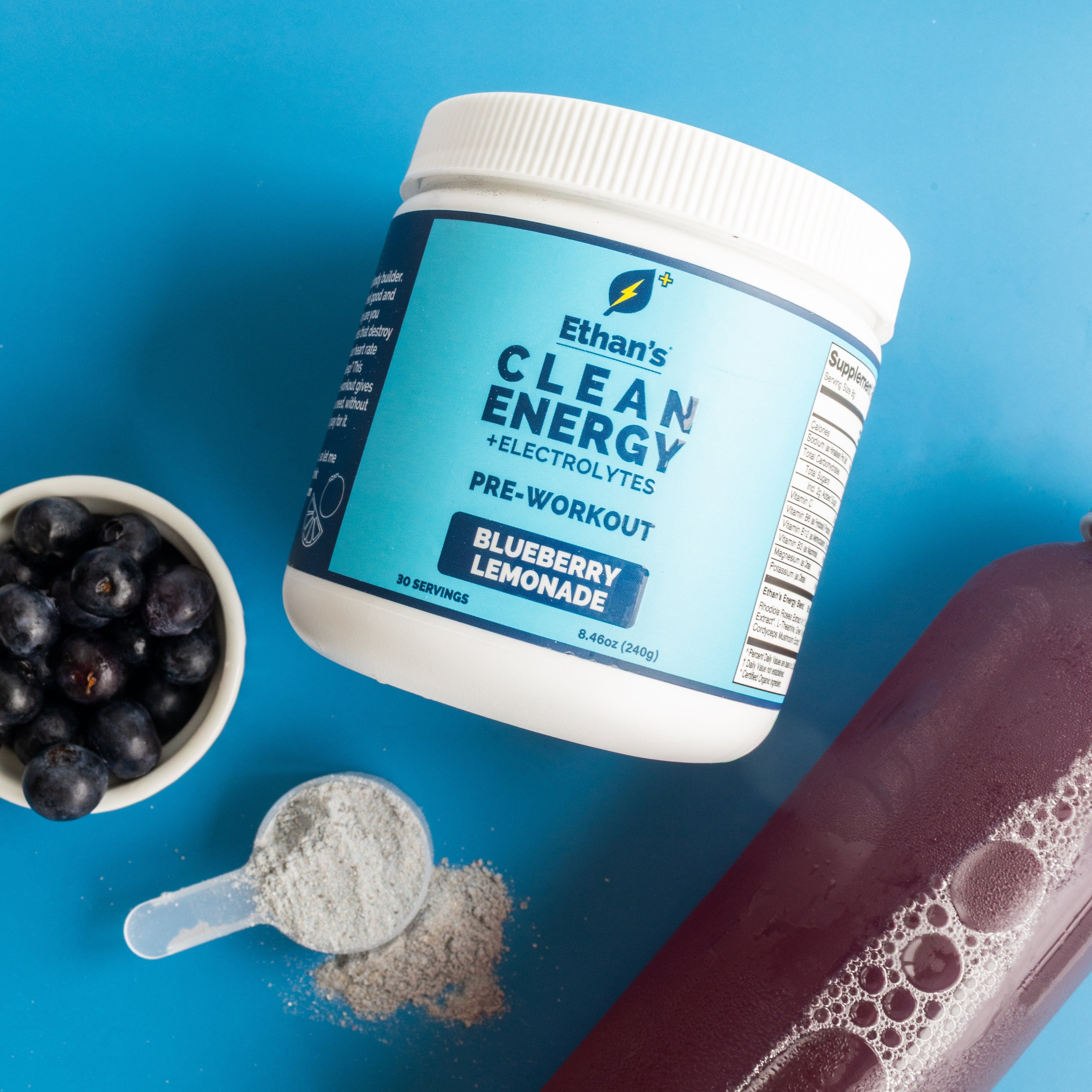
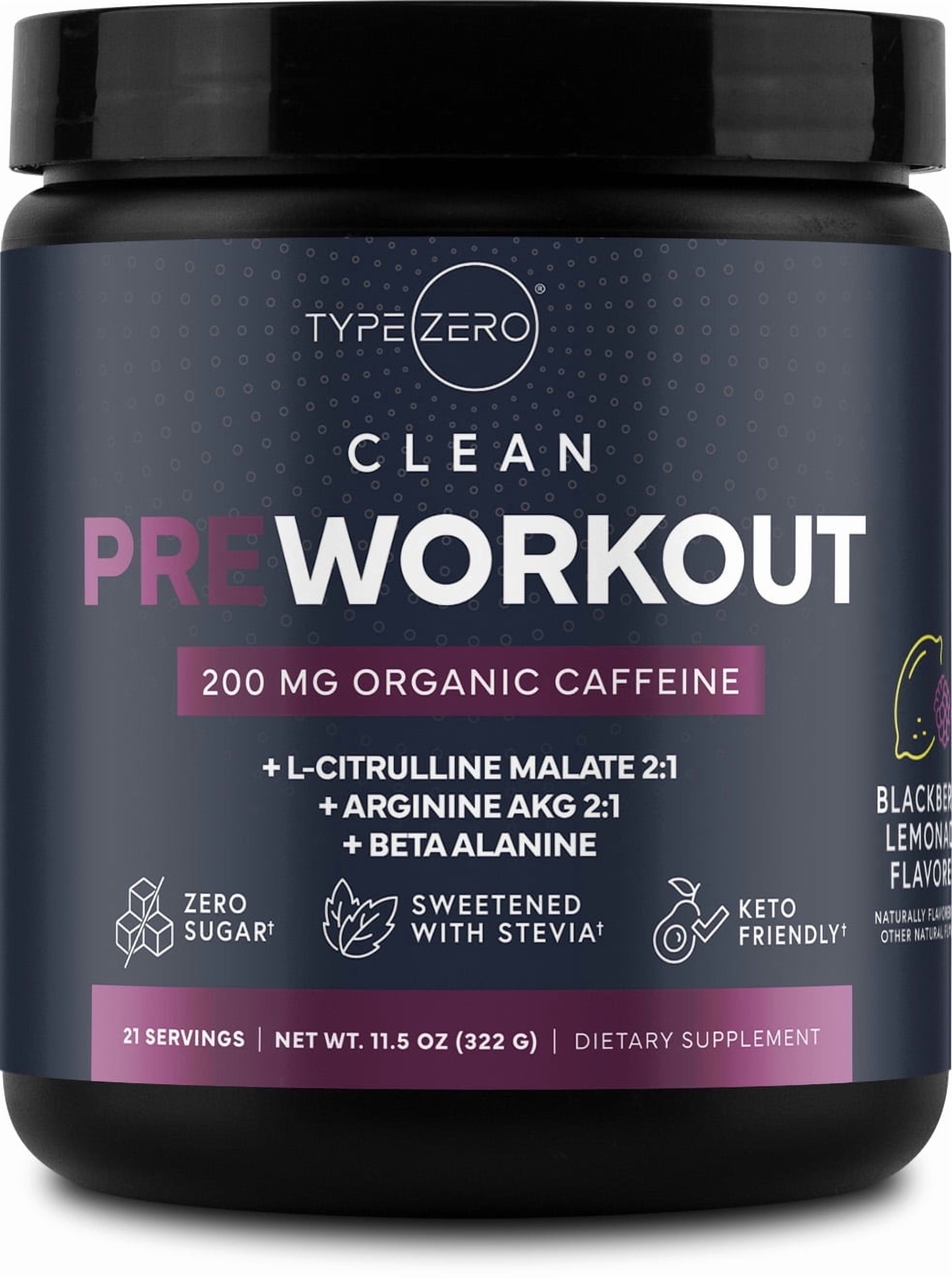
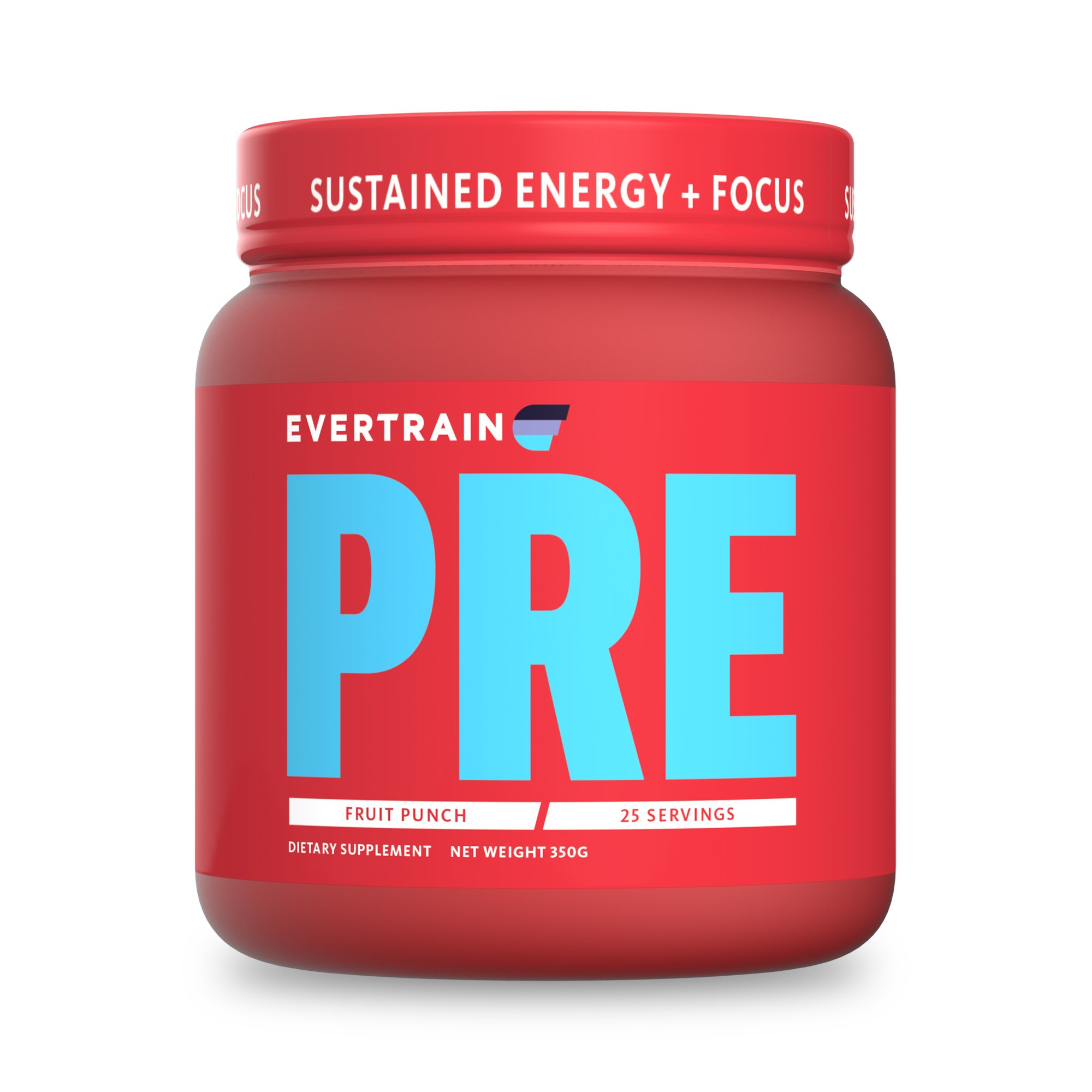
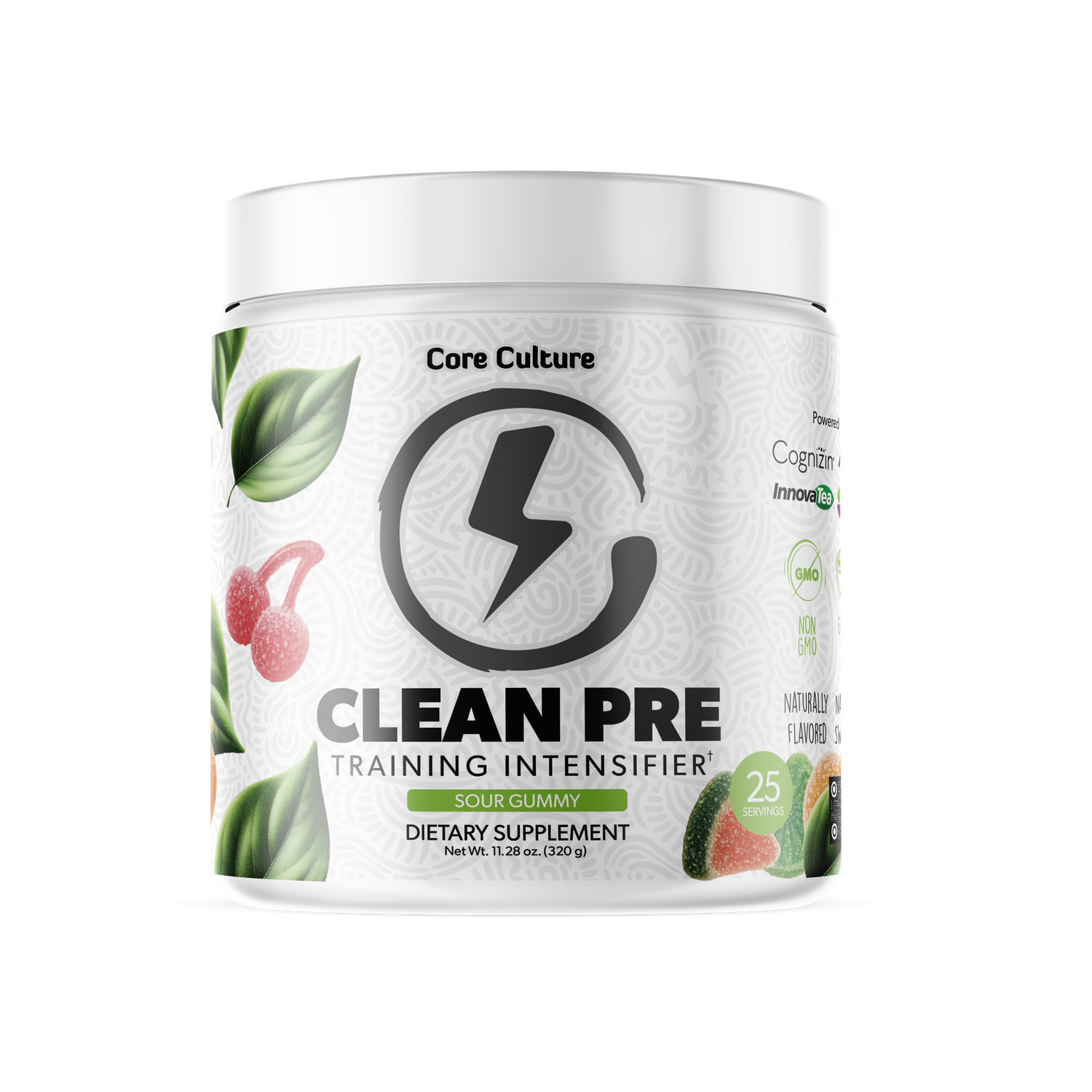
Why a Clean Pre Workout Drink Matters
A clean pre-workout drink matters because it provides functional performance benefits—such as increased vasodilation, mental focus, and muscular endurance—without the systemic inflammation, digestive distress, or energy "crashes" assoc...
A clean pre-workout drink matters because it provides functional performance benefits—such as increased vasodilation, mental focus, and muscular endurance—without the systemic inflammation, digestive distress, or energy "crashes" associated with synthetic additives, artificial sweeteners, and hidden proprietary blends commonly found in legacy supplements.
Contents
In the fitness landscape of 2026, the definition of a "clean" pre-workout has evolved beyond simple marketing buzzwords. It now refers to a specific standard of ingredient transparency, third-party verification, and the exclusion of metabolic disruptors. As consumers become more sophisticated in their understanding of the gut-brain axis and metabolic health, the shift toward "clean" formulations is no longer a niche preference but a performance necessity. A clean pre-workout ensures that the physiological "cost" of your training session doesn’t outweigh the gains you achieve.
Defining the "Clean" Standard in 2026
To understand why a clean pre-workout matters, one must first define what qualifies as "clean" in the modern supplement industry. A clean product is characterized by four primary pillars: label transparency, absence of artificial synthetics, heavy metal testing, and third-party athletic certification. For years, the industry relied on "proprietary blends," where manufacturers listed a group of ingredients under a single dosage. This prevented consumers from knowing if they were receiving clinically effective doses of performance enhancers like L-Citrulline or Beta-Alanine, or if the tub was mostly filled with cheap stimulants and maltodextrin.
In 2026, a clean pre-workout prioritizes full-disclosure labeling. This means every milligram of every active ingredient is accounted for. Furthermore, "clean" implies the absence of artificial dyes (such as Red 40 or Yellow 5), which have been linked in various studies to hyperactivity and potential hypersensitivity reactions. Instead, clean brands use natural colorants like beet powder or turmeric. By choosing these formulations, users avoid unnecessary chemical loads that the liver and kidneys must process during and after an intense workout.
The Impact of Artificial Sweeteners on Performance and Gut Health
One of the most significant reasons a clean pre-workout matters is the avoidance of artificial sweeteners like sucralose, aspartame, and acesulfame potassium (Ace-K). While these ingredients allow for zero-calorie flavoring, their impact on the gut microbiome is a growing concern for athletes. The gut is responsible for nutrient absorption and plays a critical role in immune function. Disrupting the delicate balance of gut bacteria can lead to systemic inflammation, which directly impairs recovery times.
Moreover, many athletes experience "pre-workout bloat" or gastrointestinal (GI) distress shortly after consumption. This is often not caused by the active ingredients themselves, but by the sugar alcohols and synthetic sweeteners used to mask the bitter taste of raw amino acids. A clean pre-workout typically uses stevia, monk fruit, or small amounts of natural sugars. These alternatives are generally easier on the digestive tract, ensuring that your blood flow is directed toward your working muscles rather than being diverted to manage digestive irritation.
Avoiding the "Crash" through Natural Stimulant Matrices
The primary goal of a pre-workout is to provide energy, but the source of that energy dictates the quality of the subsequent "come down." Traditional pre-workouts often use high doses of synthetic caffeine anhydrous, which hits the bloodstream rapidly and can lead to jitters, increased cortisol levels, and a precipitous energy crash 90 minutes later. This "crash" is more than just an inconvenience; it can disrupt metabolic recovery and lead to post-workout lethargy that ruins productivity for the rest of the day.
Clean pre-workouts often employ a "timed-release" or synergistic approach to energy. By combining natural caffeine sources—such as green tea extract or guarana—with the amino acid L-Theanine, clean formulas provide a smoother rise in energy. L-Theanine promotes alpha-wave brain activity, which helps to blunt the "edge" of caffeine, providing "calm focus" rather than frantic energy. This matters because it allows for better mind-muscle connection and prevents the adrenal fatigue that often comes from chronic use of high-stimulant, "dirty" formulas.
Clinical Dosing and the Fallacy of "Pixie Dusting"
A major distinction between clean and conventional pre-workouts is the integrity of the dosages. In the supplement industry, "pixie dusting" refers to the practice of including a popular ingredient on the label but in a dosage far too low to provide any physiological benefit. For example, Citrulline Malate is highly effective for increasing nitric oxide and blood flow, but the clinical dose is typically 6 to 8 grams. Many "dirty" pre-workouts might only include 1 or 2 grams while highlighting the ingredient prominently on the packaging.
Clean pre-workouts matter because they respect the clinical threshold. When you ingest a clean, well-formulated product, you are actually receiving the amounts of Creatine Monohydrate, Betaine Anhydrous, and Nitric Oxide (NO) boosters required to improve power output and delay the onset of fatigue. This ensures that the money spent on supplements actually translates to measurable performance markers in the gym.
The Importance of Third-Party Testing and Safety
For competitive athletes, a clean pre-workout is a matter of professional survival. The risk of cross-contamination with banned substances in manufacturing facilities is a reality. This is why certifications such as NSF Certified for Sport or Informed Sport are vital. These third-party organizations test batches for over 200 banned substances, ensuring that what is on the label is in the bottle—and nothing else.
Even for the non-professional athlete, third-party testing matters for long-term health. Clean brands are more likely to test for heavy metals (like lead, arsenic, and mercury) that can accumulate in the soil where botanical ingredients are grown. By choosing a clean, verified product, you reduce the risk of long-term toxicity, ensuring that your pursuit of fitness doesn't inadvertently compromise your internal health.
Comparison: Clean vs. Conventional Pre-Workout Formulations
| Feature | Clean Pre-Workout (2026 Standards) | Conventional "Dirty" Pre-Workout |
|---|---|---|
| Sweeteners | Stevia, Monk Fruit, or Thaumatin | Sucralose, Aspartame, Ace-K |
| Colorants | Beet root, Beta-carotene, Turmeric | Red 40, Blue 1, Yellow 5 & 6 |
| Labeling | Fully transparent (no blends) | Proprietary blends (hidden doses) |
| Energy Source | Natural caffeine + L-Theanine | High-dose Synthetic Caffeine Anhydrous |
| Dosage | Clinically supported amounts | Sub-optimal "pixie-dusted" amounts |
| Verification | NSF, Informed Sport, or Labdoor | Often self-regulated/no third-party |
| Fillers | Minimal (Rice flour, silica) | Maltodextrin, artificial flavors, gums |
Bioavailability and Ingredient Synergy
Clean pre-workouts often focus on bioavailability—how well your body can actually use the nutrients provided. For instance, instead of using cheap magnesium oxide, a clean formula might use magnesium bisglycinate, which is more readily absorbed and less likely to cause a laxative effect. Similarly, the inclusion of AstraGin or BioPerine (black pepper extract) in clean formulations helps the gut lining transport amino acids into the bloodstream more efficiently.
This focus on synergy means that every ingredient serves a purpose. There is no "fluff" designed to make the powder look more voluminous or taste like candy. When ingredients are bioavailable and synergistic, the body requires lower total dosages to achieve the same effect, which places less stress on the metabolic pathways. This efficiency is why clean pre-workouts often feel "stronger" even if they have lower total stimulant counts than their conventional counterparts.
FAQs About Clean Pre-Workouts
What is the most important ingredient to check for in a clean pre-workout?
While several ingredients matter, L-Citrulline is a primary indicator of quality. Check for at least 6g of Citrulline Malate (2:1 ratio) or 3-4g of pure L-Citrulline. If the label hides this in a "Pump Blend" without a milligram amount, the product likely lacks the clinical dose required for effective vasodilation.
Does a clean pre-workout taste as good as a regular one?
In 2026, flavoring technology has improved significantly. While clean pre-workouts may lack the "syrupy" sweetness of sucralose-heavy drinks, they offer a more natural, refreshing taste. They avoid the chemical aftertaste often associated with artificial sweeteners and dyes, making them more palatable for long-term daily use.
Are clean pre-workouts more expensive?
Generally, yes. High-quality, natural ingredients and third-party testing protocols increase the cost of production. However, because clean pre-workouts use clinical dosages, you often need fewer scoops to achieve the desired effect, potentially lowering the "cost per effective dose" compared to cheap formulas that require double-scooping.
Can a clean pre-workout still contain caffeine?
Yes, "clean" does not mean "stimulant-free." It refers to the source and transparency of the caffeine. A clean pre-workout can contain caffeine from green coffee beans or tea, provided the dosage is clearly stated and it is free from synthetic adulterants or dangerous experimental stimulants (like DMAA or its derivatives).
How do I know if a brand is truly clean?
Look for specific third-party seals on the packaging, such as Informed Choice or NSF. Additionally, check the "Other Ingredients" list. If it is longer than the "Active Ingredients" list and contains words like "artificial," "FD&C," or "sucralose," it does not meet the strict criteria for a clean formulation.
Final Recommendations for the Health-Conscious Athlete
If you are looking to optimize your performance in 2026, the transition to a clean pre-workout is one of the simplest and most effective changes you can make to your supplement regimen. Start by auditing your current tub: if you see "proprietary blend" or "artificial flavors," consider switching to a transparently labeled alternative.
Prioritize products that use natural sweeteners like stevia or monk fruit and ensure that the energy matrix includes a buffering agent like L-Theanine to protect your nervous system. By choosing a clean pre-workout, you are investing in a product that supports your immediate performance goals while respecting your long-term metabolic and digestive health.
Image Gallery