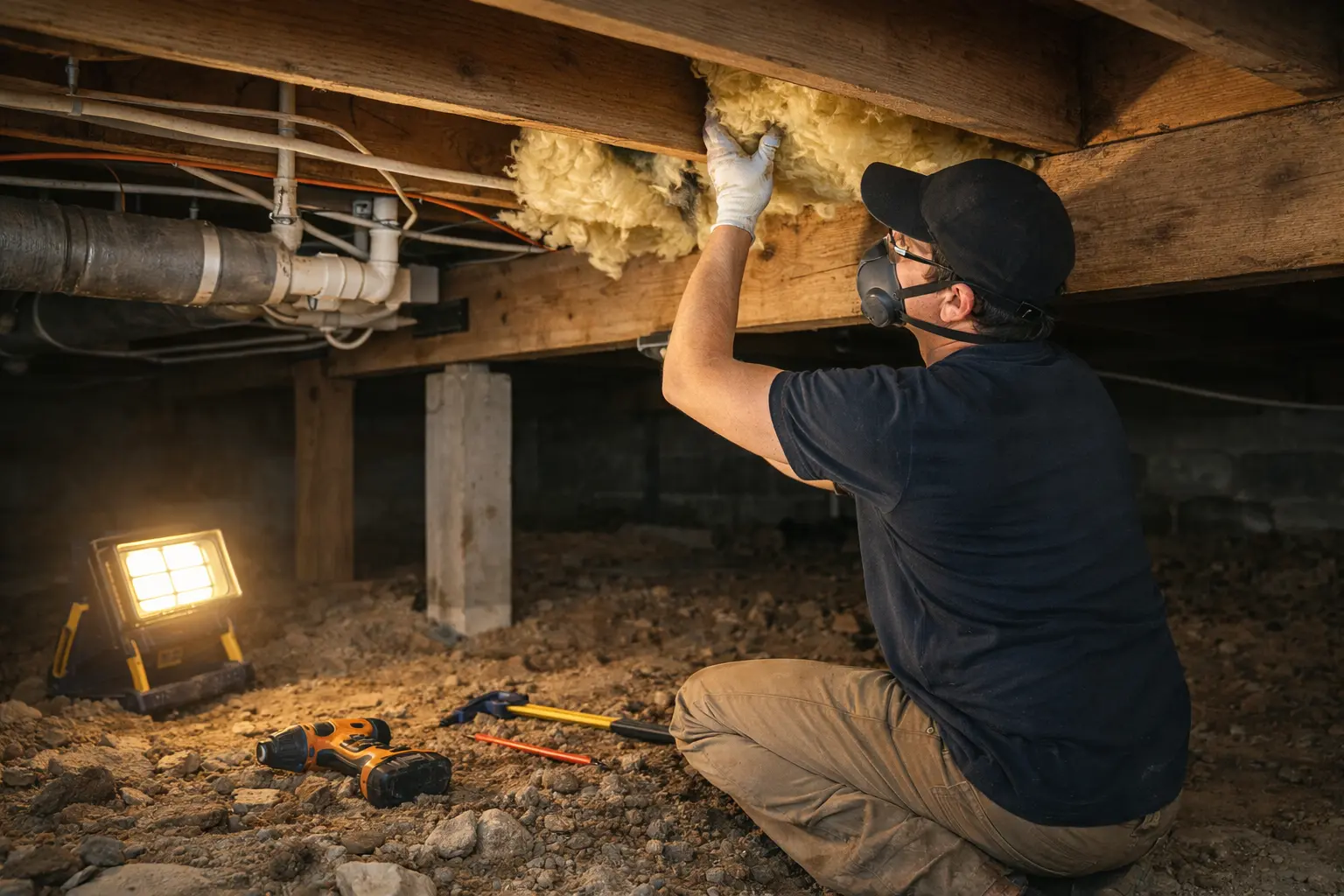
Understanding Crawl Space Techs Foundation and Crawlspace Repair Services
Crawl space techs foundation and crawlspace repair services encompass the systematic diagnosis, structural stabilization, and environmental management of the sub-floor areas in residential properties. These services are essential for a...
Crawl space techs foundation and crawlspace repair services encompass the systematic diagnosis, structural stabilization, and environmental management of the sub-floor areas in residential properties. These services are essential for addressing moisture control, preventing wood rot, remediating pest damage, and reinforcing foundation supports, thereby preserving the structural integrity and indoor air quality of a home.
Contents
The Role of Professional Crawl Space Maintenance
The crawl space is often the most neglected part of a home, yet it is foundational to the building's overall health. When moisture enters this space, it creates a cascade of issues ranging from mold growth and insulation degradation to the corrosion of structural steel and the decay of timber floor joists.
Professional crawl space technicians provide a technical approach that moves beyond superficial fixes. They evaluate the "building envelope" of the crawl space, assessing how humidity levels, ground-to-floor proximity, and structural stressors like hydrostatic pressure or settling foundations impact the home. By utilizing specialized equipment—such as commercial-grade dehumidifiers, high-mil vapor barriers, and hydraulic steel piers—technicians ensure that the foundation remains stable and the air quality inside the living space is protected from "stack effect" contamination.
Common Issues Requiring Professional Intervention
Homeowners typically seek these services when they observe symptoms of underlying systemic failure. Recognizing these signs early can prevent more expensive structural repairs down the line.
- Foundation Settlement: Noticeable by cracks in drywall, doors that stick or fail to latch, and uneven flooring. This often requires the installation of piers or shoring systems.
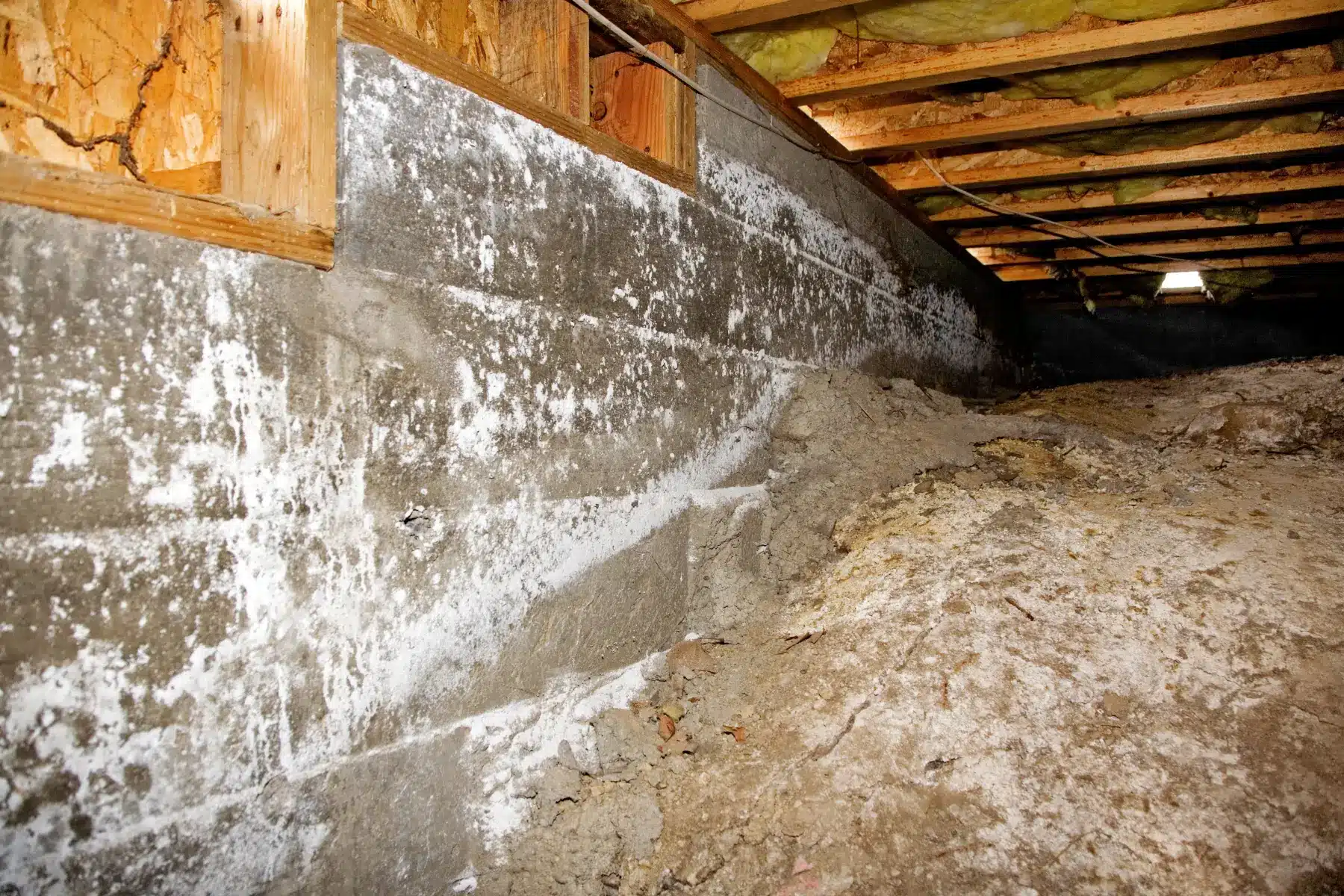
- Excessive Moisture and Humidity: High relative humidity (typically over 60%) in the crawl space invites fungal growth. Technicians address this by identifying water intrusion points—such as broken irrigation lines or poor grading—and sealing the perimeter.
- Pest and Rodent Infestation: Compromised foundation walls or unsealed vents allow pests to enter, leading to damaged vapor barriers and destroyed insulation.
- Structural Decay: Wood-destroying organisms, such as termites or wood-rotting fungi, thrive in damp, dark environments. Once structural members (joists, beams, piers) are compromised, they require professional reinforcement or replacement.
The Repair Process: A Technical Overview
When engaging a professional service, the process generally follows a standardized sequence aimed at long-term remediation rather than temporary cosmetic patching.
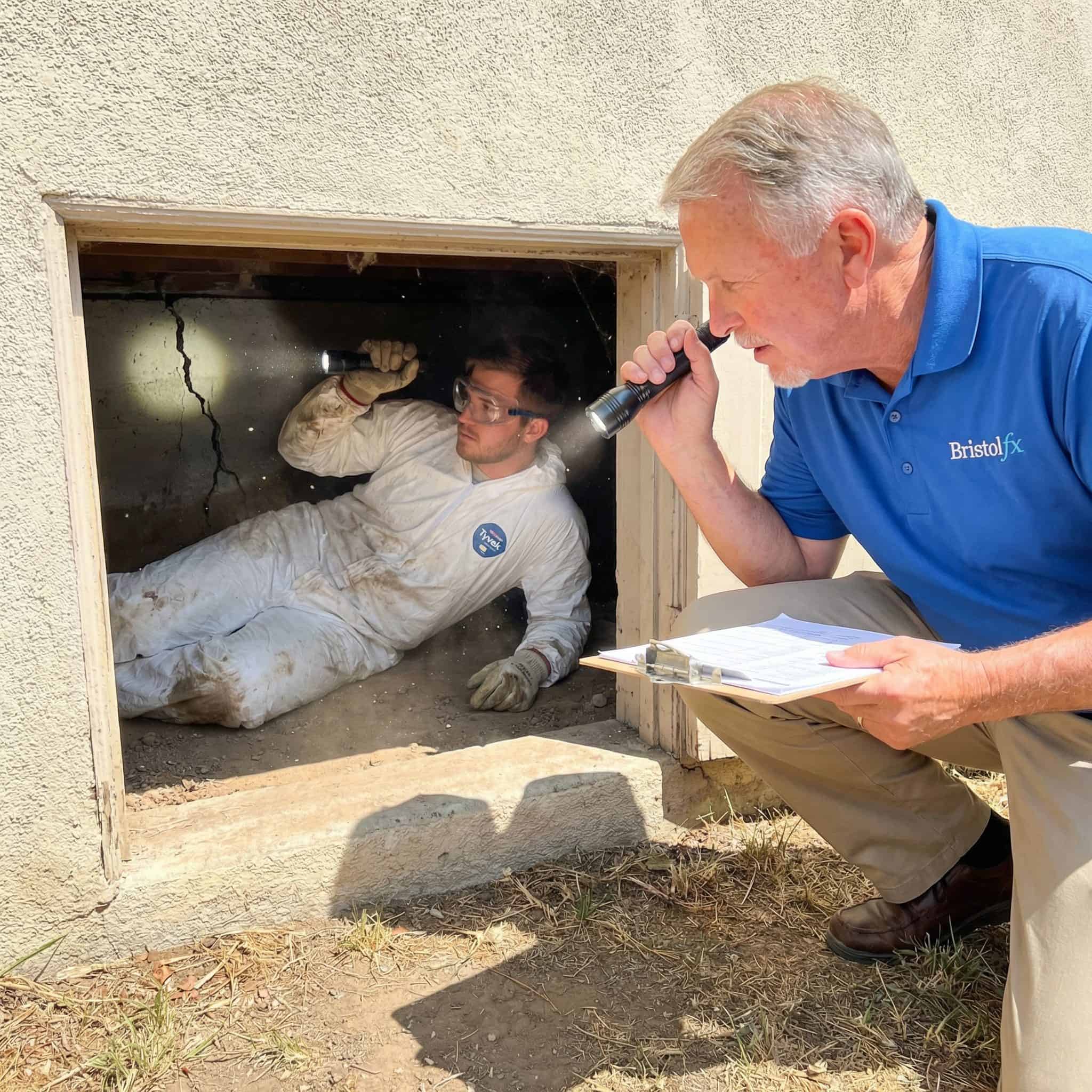
- Systematic Inspection: Technicians conduct a top-down assessment. This includes using hygrometers to measure moisture content in wood and soil, inspecting the foundation footer for shear cracks, and checking the integrity of existing crawl space doors and vents.
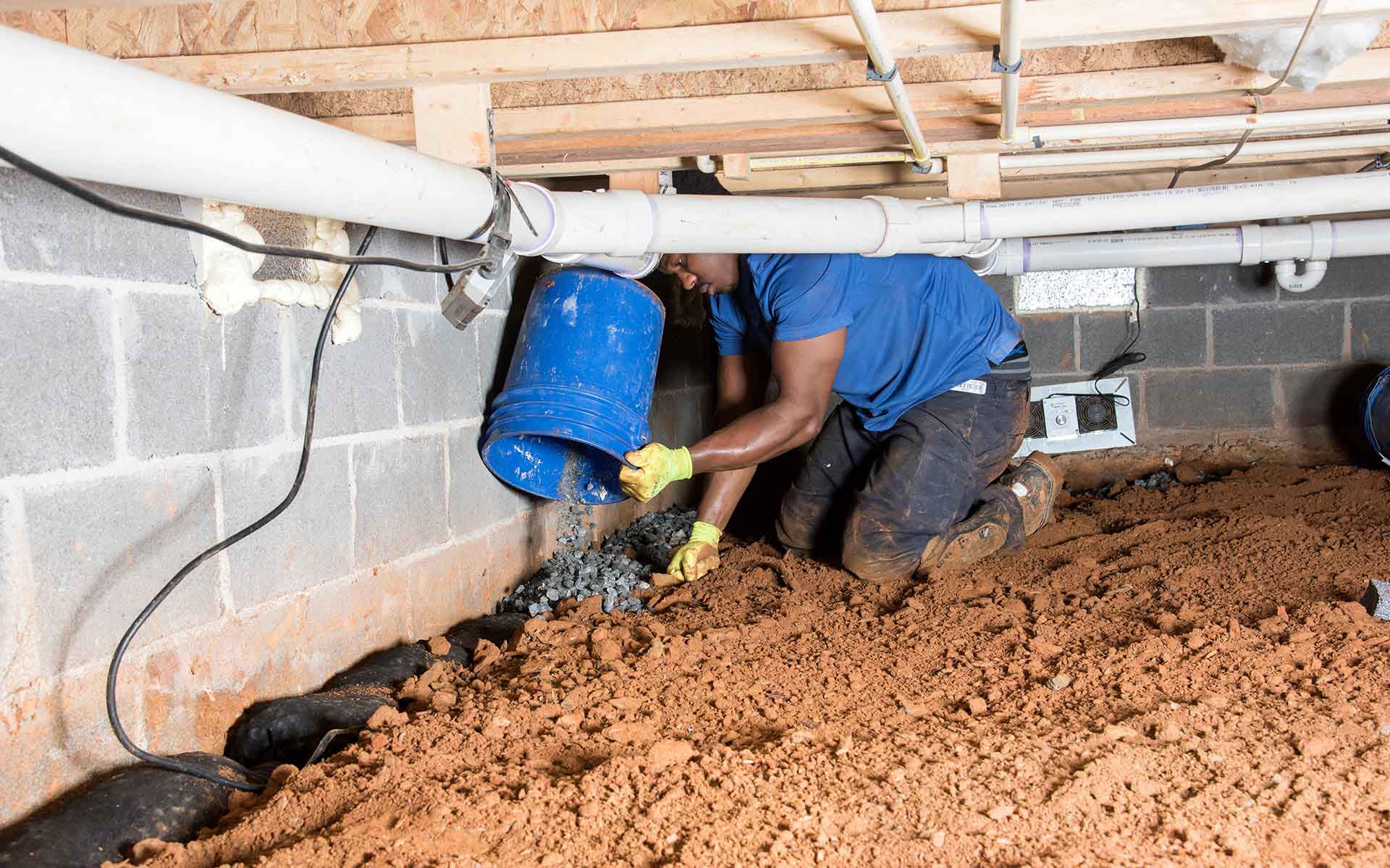
- Water Management and Drainage: Before encapsulation, water must be managed. This may involve installing interior or exterior French drains, sump pump systems, or adjusting exterior downspouts to redirect water away from the foundation wall.
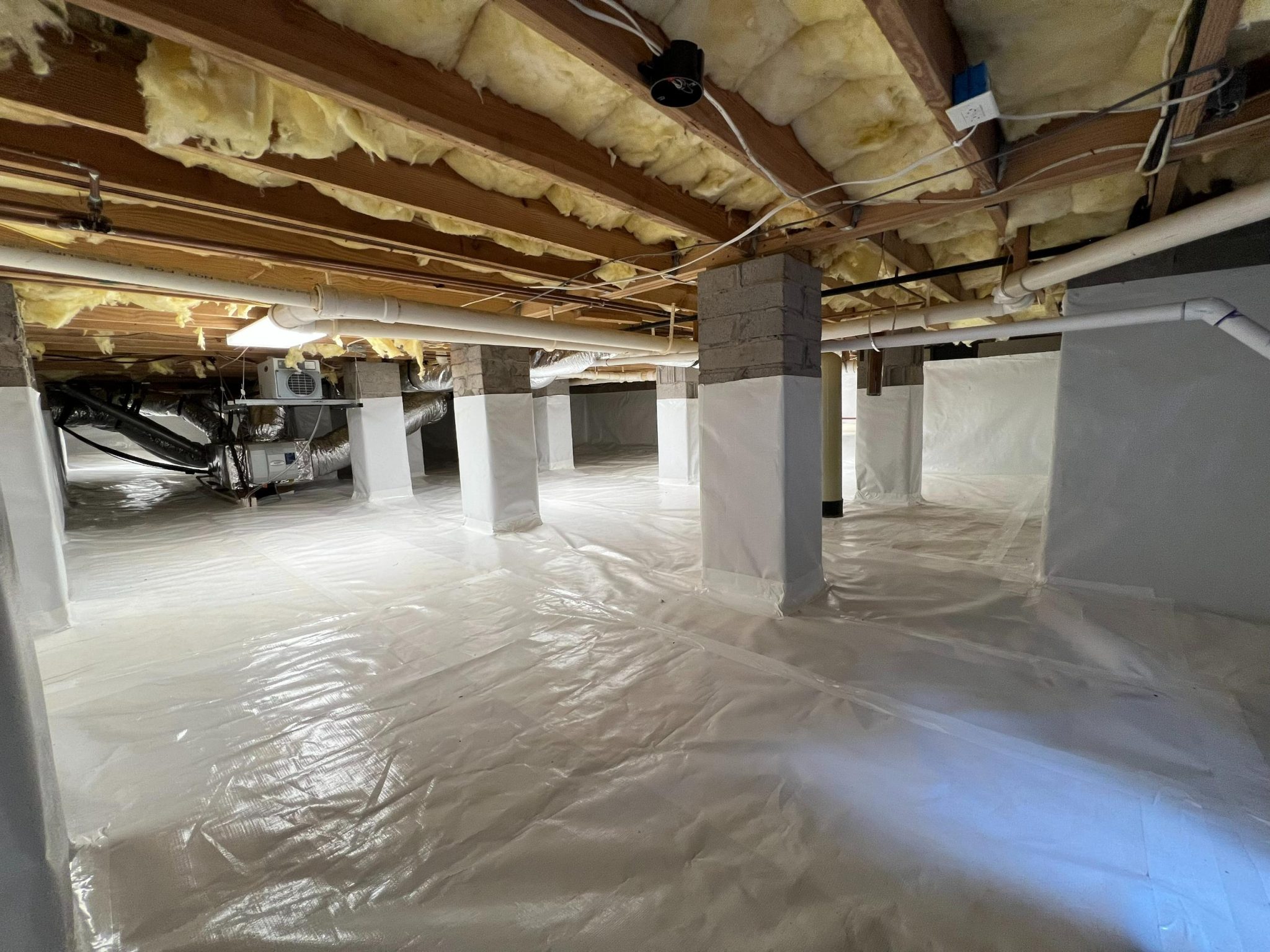
- Encapsulation: This process involves installing a heavy-duty, puncture-resistant vapor barrier—typically ranging from 12 to 20 mils thick—that covers the floor and extends up the foundation walls. This effectively isolates the home from the earth.
- Structural Remediation: If the foundation is failing, technicians use methods like helical pier installation (screwing steel piers into load-bearing soil) or push pier systems to stabilize the structure.
- Environmental Conditioning: Once sealed, the space must be conditioned. A commercial-grade, sealed-system dehumidifier is often installed to maintain a constant relative humidity, ensuring the space remains inhospitable to mold and pests.
Comparison of Crawl Space Solutions
Selecting the right repair method depends on the specific geographic location, soil composition, and the severity of the damage.
| Service Category | Primary Objective | Typical Technical Requirement |
|---|---|---|
| Encapsulation | Humidity control | 12-20 mil vapor barrier & dehumidification |
| Piering/Stabilization | Structural support | Helical or push piers to reach load-bearing strata |
| Drainage Installation | Water diversion | Sump pumps, drain tile, and grading adjustment |
| Insulation Upgrades | Thermal efficiency | Rigid foam board or spray foam application |
Factors Affecting Repair Costs and Sustainability
The cost of professional crawl space repair in 2026 is highly variable, influenced by the square footage of the crawl space, the depth of the foundation, the type of soil, and the extent of existing structural damage. Property owners should be aware that "cheap" fixes, such as replacing floor joists without addressing the underlying moisture source, are rarely durable.
When obtaining quotes, ensure that the scope of work specifies the gauge of the vapor barrier, the rated capacity of the dehumidification system, and, if structural work is involved, a clear engineering plan. Professional services should also provide warranties, particularly for foundation stabilization, which are often transferable should you decide to sell the property.
Common Pitfalls and Troubleshooting
A frequent mistake homeowners make is assuming that "venting" a crawl space is always beneficial. In many climates, especially those with high summer humidity, opening crawl space vents allows warm, moist air to enter, which then condenses on cooler pipes and floor joists. This creates the very environment they intended to avoid.
Troubleshooting Tips:
- Check the Sump Pump: If a sump pump is present, ensure the discharge line is not clogged and that the check valve is functioning.
- Monitor Humidity: Invest in a remote-reading hygrometer to track crawl space humidity levels from inside your home.
- Inspect Gutters: Ensure that all roof runoff is diverted at least 6 to 10 feet away from the foundation wall.
Frequently Asked Questions
Is crawl space encapsulation worth the investment? Yes, for most homes in humid or temperate climates. Encapsulation significantly reduces the risk of mold growth, improves energy efficiency, and prevents wood rot, which protects the property value.
How long do foundation repairs typically last? When professional-grade steel piers are used and the installation is verified by a structural engineer, foundation repairs can last for decades. The lifespan depends heavily on the maintenance of the surrounding soil and drainage systems.
Does insurance cover crawl space repairs? Generally, standard homeowners' insurance policies do not cover "wear and tear," wood rot, or long-term moisture damage. Coverage is usually reserved for sudden, accidental events like a burst pipe. Review your specific policy for details on structural damage coverage.
Can I perform these repairs myself? While minor tasks like cleaning debris or replacing a door can be DIY projects, structural repairs and professional-grade encapsulation require specialized equipment and safety training. Handling structural loads or electrical work in a damp environment poses significant safety risks.
What should I look for in a contractor? Seek contractors who specialize specifically in foundation and crawl space systems. Verify their license, request local references, and look for membership in trade organizations that mandate specific installation standards. Always ensure they carry adequate liability and workers' compensation insurance.
Recommended Next Steps
Begin by conducting a visual inspection of your crawl space using a flashlight. If you observe standing water, white powdery efflorescence on foundation walls, or sagging sub-floor insulation, contact a qualified foundation specialist. Request a comprehensive evaluation—not just a quote—that identifies the root cause of the moisture or structural instability before authorizing any repair work. Professional diagnostic reports provide the best roadmap for effective, long-term maintenance of your home's foundation.
Image Gallery