Why a Home Inspection for Refinance Matters More Than You Think
A home inspection during the refinance process provides homeowners with a critical, objective assessment of their property’s physical health and marketability. While lenders primarily focus on the appraisal to determine value, an indep...
A home inspection during the refinance process provides homeowners with a critical, objective assessment of their property’s physical health and marketability. While lenders primarily focus on the appraisal to determine value, an independent inspection protects the borrower from hidden structural, safety, or maintenance liabilities that could threaten long-term equity, impede future saleability, or lead to costly emergency repairs.
Contents
Understanding the Difference: Appraisal vs. Inspection
The most common point of confusion for homeowners seeking to refinance is the distinction between a lender-mandated appraisal and a voluntary home inspection. A mortgage appraisal is a report commissioned by the lender, conducted by a licensed professional to verify that the home’s market value is sufficient to secure the loan amount. It is inherently lender-centric, focusing on aesthetics, condition as it pertains to value, and market comparables.
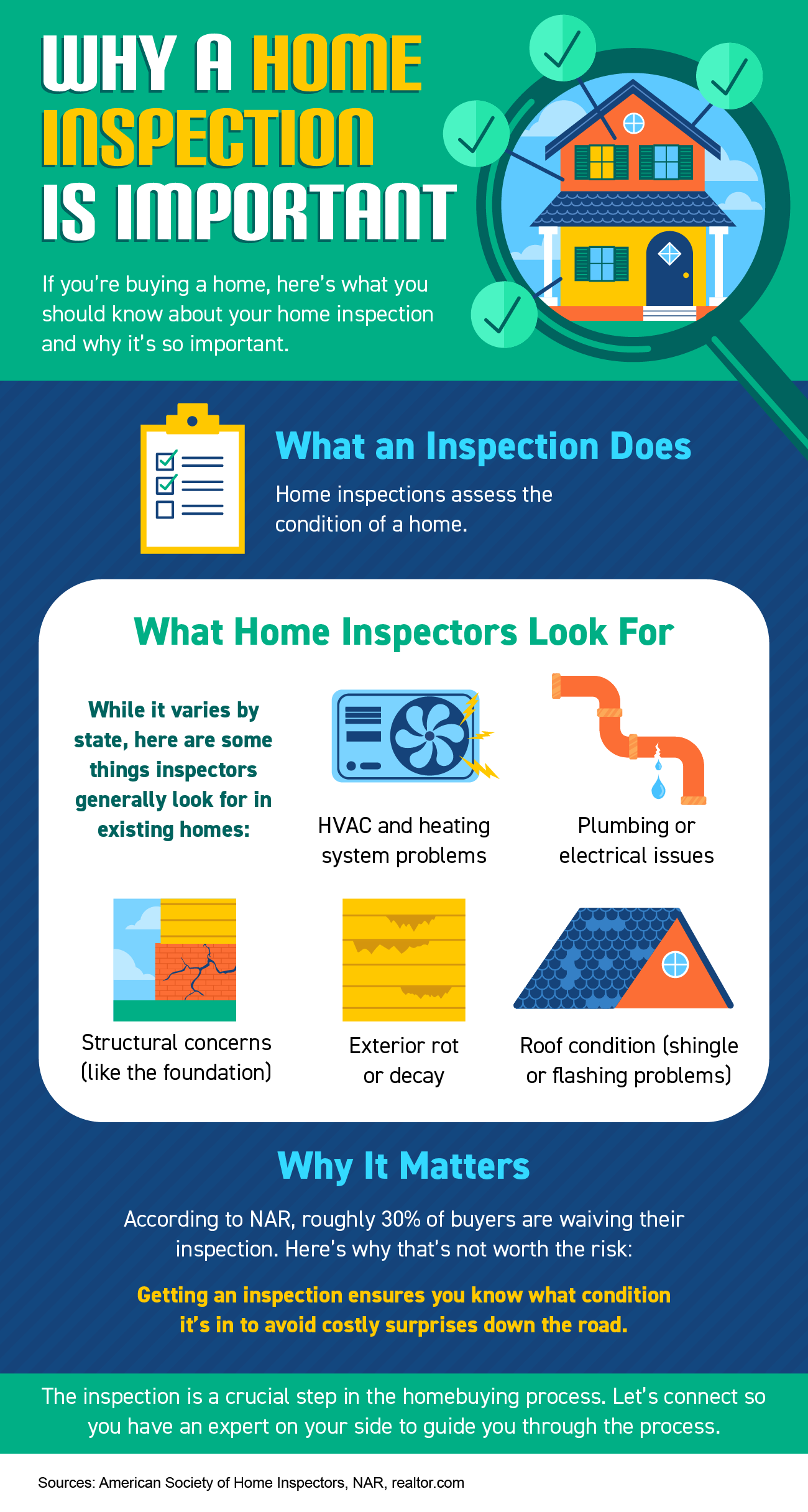
An independent home inspection, conversely, is advocate-centric. It is performed for the homeowner. The inspector conducts a deep dive into the mechanical and structural systems of the house—including the roof, foundation, HVAC, electrical panels, and plumbing systems. While an appraisal might note that a roof is "old," a home inspection will assess the remaining service life of that roof, identify active leaks, and evaluate the integrity of the underlying decking. Understanding this distinction is the first step toward proactive homeownership.
Why Refinancing Is the Ideal Time for an Assessment
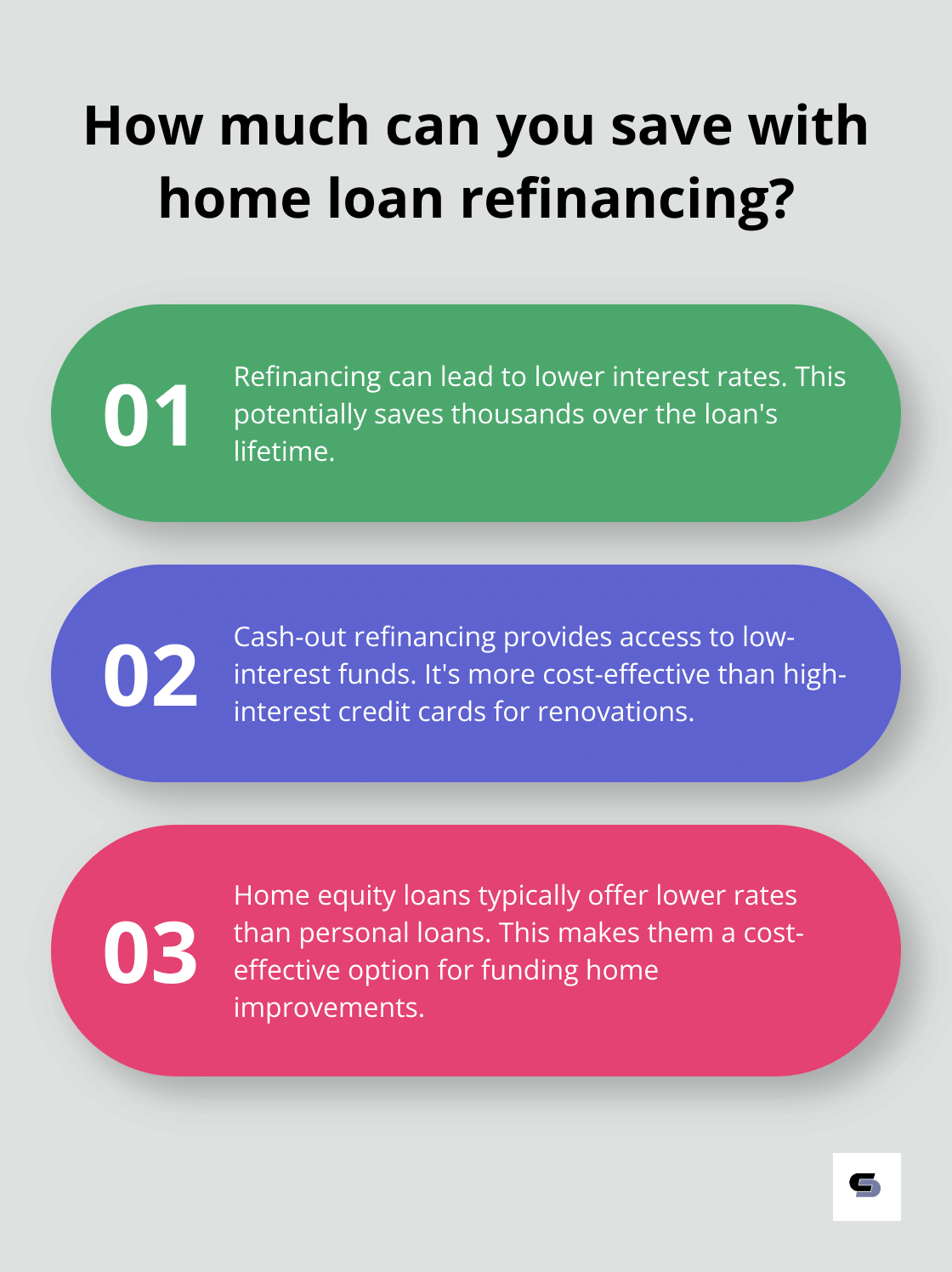
Refinancing is typically driven by financial goals: lowering interest rates, consolidating debt, or tapping into home equity via a cash-out refinance. However, these financial maneuvers increase your investment in the property. It is fiscally responsible to verify that the "asset" you are leveraging is actually worth the investment and free from "ticking time bombs."
If you plan to use a cash-out refinance to fund renovations, a pre-project inspection is essential. Homeowners often begin kitchen remodels or bathroom upgrades without realizing that the underlying electrical system is outdated (e.g., knob-and-tube wiring) or that the framing in the wall shows signs of wood-destroying organism (WDO) damage. An inspection ensures that your renovation budget is prioritized toward structural necessity rather than cosmetic finish, preventing you from sinking capital into a house with fundamental technical flaws.
Risk Mitigation and Equity Preservation
The value of your home is directly tied to its physical condition. As property standards and building codes evolve, deferred maintenance can lead to a phenomenon known as "economic obsolescence." For example, if a home inspection reveals significant moisture intrusion in a crawlspace that leads to mold or structural decay, the cost to remediate those issues can far exceed the financial benefit gained by a lower interest rate on a mortgage.
| Component | Why it Matters for Refinance | Potential Risk if Ignored |
|---|---|---|
| Foundation | Determines structural stability | Uneven floors, wall cracks, water entry |
| Roofing | Protects the building envelope | Interior water damage, mold, wood rot |
| Electrical | Primary safety and fire prevention | Insurance denial, fire hazard, code violation |
| HVAC | Impacts daily living costs | High utility bills, premature equipment failure |
| Plumbing | Prevents systemic water damage | Slab leaks, pipe bursts, interior flooding |
The Impact on Insurance and Future Liability
In 2026, many insurance carriers are tightening underwriting guidelines. Some homeowners who attempt to refinance find that their insurance premiums skyrocket or that they are forced to switch carriers because their property fails to meet updated safety criteria. An independent inspection allows you to identify these "red flags"—such as double-tapped breakers, outdated plumbing materials like polybutylene, or insufficient roof life—before an insurance company inspector flags them.
By addressing these items proactively, you maintain your insurability. If you wait until a lender or an insurer mandates repairs, you lose leverage. You may be forced to hire expensive, emergency-priority contractors. When you identify these issues independently, you have the luxury of time to solicit multiple quotes, choose reputable contractors, and ensure the work is performed to current building codes.
Navigating the Inspection Process
If you decide to proceed with an inspection during your refinance, follow these steps to maximize the utility of the report:
- Select a Certified Professional: Look for inspectors certified by organizations such as the American Society of Home Inspectors (ASHI) or the International Association of Certified Home Inspectors (InterNACHI).
- Prioritize Systems over Aesthetics: Direct your inspector to focus specifically on the "bones" of the house. Inform them that your goal is long-term maintenance and risk management.
- Review the Summary: A professional report should contain a summary of "major deficiencies." Pay close attention to items labeled as safety hazards or those requiring immediate attention.
- Create a Maintenance Schedule: Use the inspector's observations to create a 3-to-5-year capital improvement plan. This transforms the inspection report from a static document into a roadmap for asset management.
Common Misconceptions Regarding Refinance Inspections
Some homeowners believe that because they have lived in their home for years, they know everything about its condition. However, homeowners often become "blind" to gradual changes—a slow leak in an attic, the subtle settling of a foundation, or the gradual degradation of attic insulation.
Additionally, there is a misconception that a home inspection is only for home buyers. This is a dangerous narrative. Whether you are buying, selling, or refinancing, the house does not change its physical condition based on your mortgage status. The risks present in the house are constant; the refinance process is simply the most logical juncture to verify that your home remains a stable investment.
Frequently Asked Questions
Does a home inspection for refinance affect my interest rate? No. A home inspection is not a condition of the mortgage approval process and does not influence your interest rate. Lenders rely on appraisals for valuation, not physical condition reports from homeowners.
Can I use the home inspection report to negotiate with the lender? Generally, no. Lenders are interested in the appraised value. If the home is in such poor condition that it does not meet minimum property requirements (MPRs) for the specific loan type (such as FHA or VA loans), the appraiser will catch it. The private inspection is for your benefit as the owner.
Should I disclose inspection findings to the bank? Usually, the bank does not request an inspection report. However, if the inspector uncovers a major safety issue that could impact the habitability of the home or your ability to keep the home insured, it is your responsibility as a homeowner to address it, as it affects your long-term financial security.
Is an inspection worth the cost if I know my house is old? Yes. In fact, it is even more important. Older homes often have legacy systems that may not meet modern safety codes. Knowing exactly what those systems are allows you to manage the risk of failure before it happens.
What happens if the inspector finds a major problem? You are in a position of power. You can prioritize repairs based on your budget, avoid unexpected emergency repair costs that could drain your cash reserves, and prevent the issue from escalating into a larger, more expensive catastrophe.
Recommendation
If you are currently preparing for a refinance, allocate a portion of your budget for a professional, independent home inspection. Treat this as a "physical exam" for your house. The insights gained will allow you to make informed decisions about your property’s maintenance, ensure your insurance coverage remains stable, and protect the equity you are working so hard to leverage.
Image Gallery