How to Get Auto Insurance Quotes from Multiple Companies
To get auto insurance quotes from multiple companies, you can use online comparison tools (aggregators), contact an independent insurance agent, or manually request quotes directly from individual carriers' websites. Using a mix of the...
To get auto insurance quotes from multiple companies, you can use online comparison tools (aggregators), contact an independent insurance agent, or manually request quotes directly from individual carriers' websites. Using a mix of these methods ensures you capture both national brands and smaller regional insurers to find the most competitive rate.
Contents
Obtaining multiple insurance quotes is the most effective strategy for reducing your annual premiums. In 2026, the insurance landscape has become increasingly personalized, with many providers utilizing advanced AI-driven underwriting and telematics data. Because every insurance company uses a proprietary algorithm to assess risk, the price for the exact same driver can vary by hundreds or even thousands of dollars between carriers.
Information You Must Gather Before Requesting Quotes
Before you begin the process of comparing quotes, you must have specific documentation ready. Inconsistency in the data you provide to different companies will result in inaccurate quotes that may change significantly once the insurer runs your official reports.
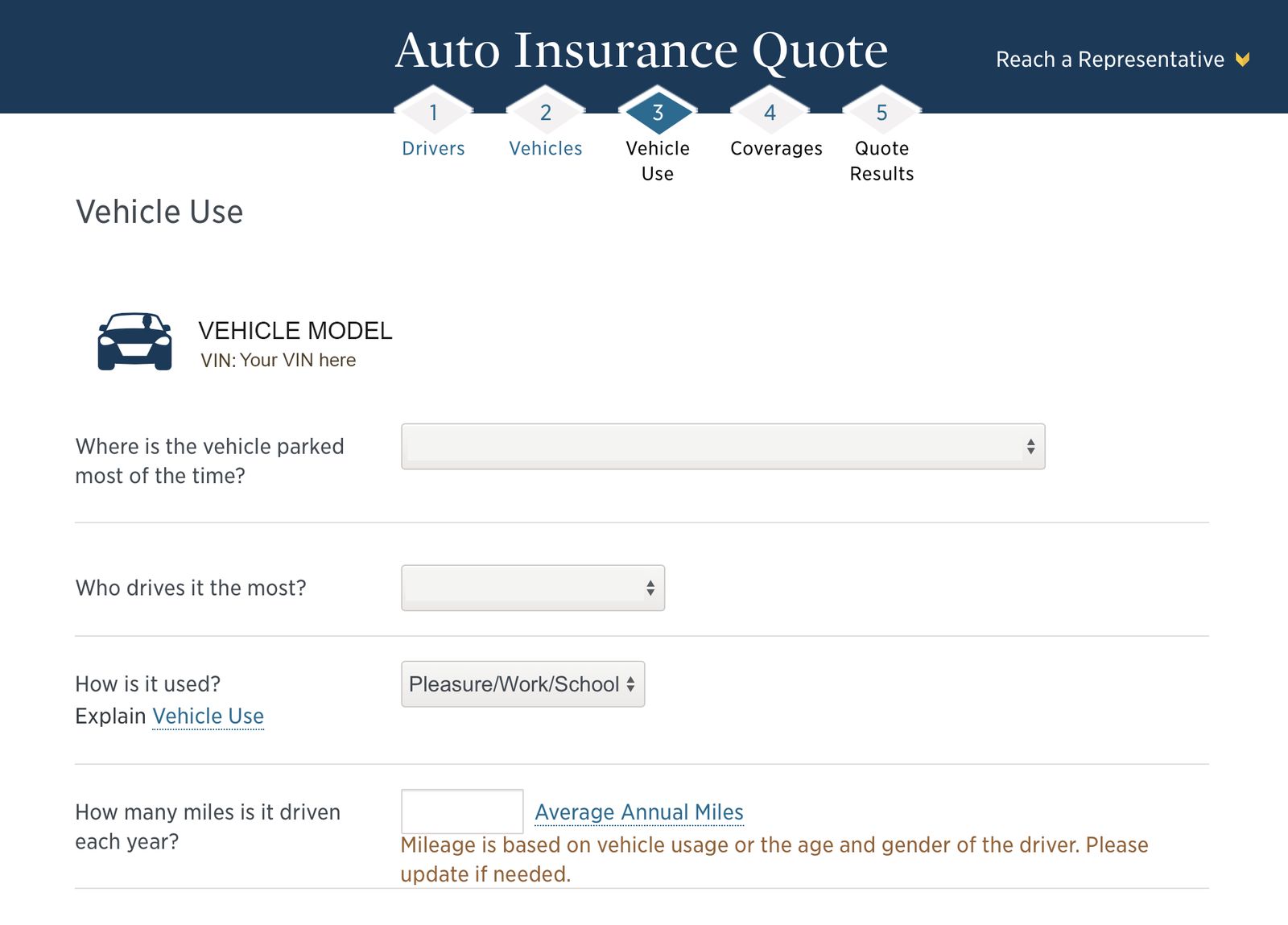
- Vehicle Identification Number (VIN): While you can get an estimate with just the year, make, and model, a VIN provides the insurer with exact safety features and trim levels, which are critical for accurate pricing.
- Driver’s License Information: You will need the license numbers for every driver in your household. In 2026, insurers still rely heavily on your motor vehicle record (MVR) to determine your risk profile.
- Driving History: Be prepared to disclose any accidents, speeding tickets, or claims from the last three to five years. Omitting these will not help you; insurers will discover them when they pull your CLUE report (Comprehensive Loss Underwriting Exchange).
- Current Policy Declarations Page: This document lists your current coverage limits, deductibles, and expiration dates. It serves as a baseline to ensure you are comparing "apples to apples" when looking at new quotes.
- Mileage Estimates: You will need to provide your annual mileage or your daily commute distance. With the rise of hybrid work models in 2026, many drivers qualify for "low-mileage" discounts that they might have previously overlooked.
Method 1: Using Online Comparison Tools (Aggregators)
Online comparison sites are the fastest way to see rates from several companies at once. These platforms function as lead generators or direct-to-consumer interfaces that pull data from multiple carrier APIs.
How They Work: You enter your information into a single form, and the site uses that data to generate real-time or estimated quotes from a panel of insurers.
Pros:
- Efficiency: You save time by not filling out ten different forms.
- Broad Overview: You can quickly see which companies are "in the ballpark" for your demographic.
Cons:
- Lead Generation: Some sites sell your data to agents, which can lead to an influx of marketing calls. Look for "real-time" quote sites that provide prices directly on the screen.
- Limited Scope: Not every insurer participates in these platforms. Large "captive" insurers or small local mutuals often opt out.
Method 2: Working with Independent Insurance Agents
An independent agent does not work for a single insurance company; instead, they represent dozens of different carriers. This is distinct from "captive agents" (like those at State Farm or Allstate) who can only sell policies from their specific company.
The Process: You provide your details to the agent, who then uses professional software to "shop the market." They can access regional companies that don't advertise nationally but often offer lower rates for specific niches, such as high-net-worth individuals or drivers with a history of accidents.
Why This Method Excels: Independent agents provide professional guidance on coverage limits. In 2026, as vehicle repair costs have escalated due to advanced sensor technology and EV battery complexities, having an expert explain why you might need higher property damage liability limits is invaluable. They also help manage claims and can re-shop your policy every year to ensure your rate remains competitive.
Method 3: Direct Inquiries with Captive Insurers
Some of the largest insurance companies in the United States do not list their rates on comparison websites. To get a quote from these providers, you must go directly to their corporate website or contact one of their local captive agents.
Because these companies spend billions on advertising, they often have highly streamlined digital interfaces. When you get a direct quote, you are dealing with the source, which can sometimes lead to a smoother customer service experience during the onboarding process. However, the downside is that the agent cannot offer you an alternative if the price is too high.
Understanding Coverage Options in 2026
When comparing quotes from multiple companies, you must ensure the coverage levels are identical across all quotes. If one company quotes you for "State Minimum" and another quotes you for "100/300/100" coverage, the price difference is meaningless.
| Coverage Type | What it Protects | Recommended 2026 Minimum |
|---|---|---|
| Bodily Injury Liability | Medical bills for others if you are at fault. | $100,000 per person / $300,000 per accident |
| Property Damage Liability | Damage to other vehicles or property (fences, buildings). | $100,000 (Essential due to high EV repair costs) |
| Collision | Damage to your own car from an accident. | Actual Cash Value (Minus Deductible) |
| Comprehensive | Theft, fire, vandalism, or "Acts of God." | Actual Cash Value (Minus Deductible) |
| Uninsured Motorist | Protects you if a driver without insurance hits you. | Matches your Bodily Injury limits |
Factors That Influence Your Multi-Company Quotes
As you receive quotes, you may notice significant price discrepancies. This is because companies weight risk factors differently.
- Credit-Based Insurance Scores: In most states, your credit history significantly impacts your premium. According to the National Association of Insurance Commissioners (NAIC), insurers use this data to predict the likelihood of a claim.
- Telematics and Usage-Based Insurance (UBI): By 2026, almost every major carrier offers a discount for using a mobile app or plug-in device that monitors your driving habits (braking, speed, and time of day). If you are a safe driver, companies with robust telematics programs will likely give you the lowest quotes.
- Location-Specific Risks: One company may have experienced high losses in your specific ZIP code due to recent flooding or high theft rates, leading them to raise prices locally, while another company may not have had that same loss experience.
Common Mistakes When Comparing Quotes
- Choosing the Lowest Price Only: The cheapest policy often comes with the worst claims service. Research the "Financial Strength Rating" of a company via A.M. Best before signing. A company with a "C" rating may struggle to pay out a large claim.
- Inconsistent Deductibles: A $500 deductible will always result in a higher premium than a $1,000 deductible. Ensure every quote you request uses the same deductible amount.
- Ignoring Discounts: Ensure you ask each company about bundling (combining home and auto), multi-car discounts, and professional organization discounts (e.g., alumni associations or military service).
Step-by-Step Strategy for the Best Results
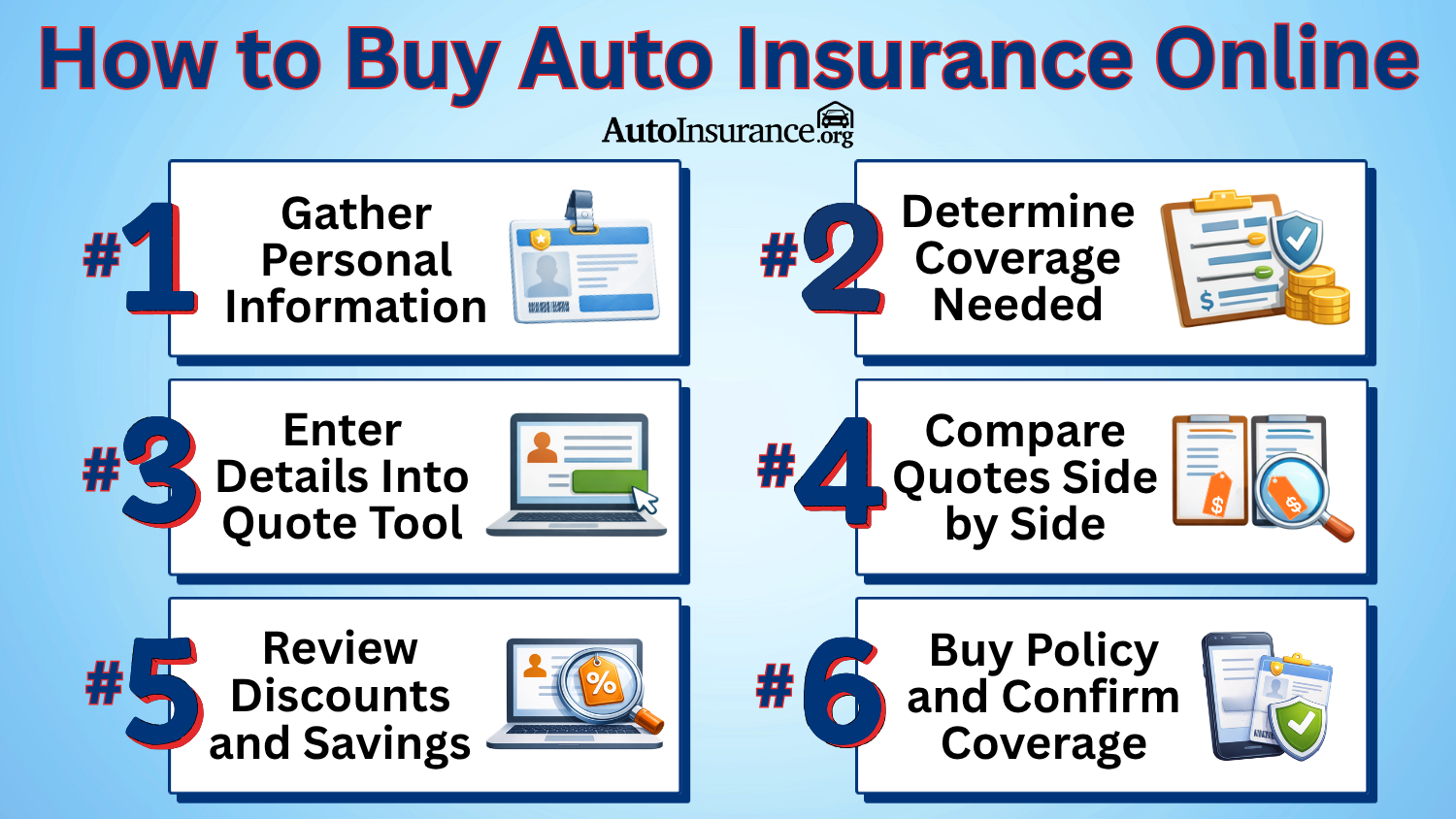
- Start with an Aggregator: Spend 10 minutes on a reputable comparison site to get a baseline for which companies are most competitive for your profile.
- Contact an Independent Agent: Give them the best quote you found online and ask if they can beat it using their private stable of regional carriers.
- Check the "Big Four": Visit the websites of the major carriers that don't typically appear on aggregators to ensure you aren't missing a "captive" deal.
- Review the Fine Print: Look for "vanishing deductibles," accident forgiveness, and glass replacement options that might add value even if the base premium is slightly higher.
Disclaimer: Auto insurance regulations and availability vary significantly by state. This guide is for informational purposes and does not constitute legal or financial advice. Always consult with a licensed insurance professional in your jurisdiction before purchasing a policy.
Frequently Asked Questions
Does getting multiple insurance quotes hurt my credit score? No. When insurance companies check your credit, they perform a "soft pull," which does not impact your credit score. This is different from the "hard pull" used when applying for a credit card or mortgage.
How often should I shop around for auto insurance? It is recommended to compare quotes at least once every 12 months, or whenever you experience a major life event, such as moving, getting married, buying a home, or seeing a significant improvement in your credit score.
Why is my quote different from the final price I was offered? Initial quotes are often based on the information you provide. The price may change once the insurer runs your official driving record (MVR) and claims history (CLUE report). If you forgot to mention a minor fender bender from two years ago, the final price will be adjusted to reflect that risk.
Can I get quotes if I don't currently have a car? Yes. You can get a "Non-Owner Insurance" policy. This is useful if you frequently rent cars or use car-sharing services and want to maintain continuous insurance coverage, which can help lower your rates when you eventually buy a vehicle.
What is the "Full Coverage" trap? "Full coverage" is not a legal term. It usually refers to a combination of Liability, Collision, and Comprehensive. However, it does not necessarily mean you have enough coverage. Always check your specific limits rather than relying on the term "full coverage."
Final Recommendation
For most drivers in 2026, the most efficient way to get auto insurance quotes from multiple companies is to start with a digital comparison tool to identify the lowest-priced national carriers, and then supplement that search by calling an independent agent. This hybrid approach ensures you are checking the high-tech national providers alongside the customer-service-oriented regional insurers, giving you the best chance of finding the optimal balance between price and protection.
Image Gallery