Understanding AllCare Optometry: Comprehensive Eye Care Services and Patient Guidance
AllCare Optometry represents a professional commitment to ocular health, offering a suite of services ranging from routine comprehensive eye examinations to the diagnosis and management of complex vision disorders. By integrating clini...
AllCare Optometry represents a professional commitment to ocular health, offering a suite of services ranging from routine comprehensive eye examinations to the diagnosis and management of complex vision disorders. By integrating clinical expertise with modern diagnostic technology, these practices aim to preserve long-term visual function, address refractive errors through precise prescriptions, and monitor for systemic conditions that manifest within the ocular structure.
Contents
The Scope of Professional Optometric Care
Optometry is a primary healthcare profession focused on the examination, diagnosis, treatment, and management of diseases and disorders of the visual system, the eye, and associated structures. Unlike ophthalmology, which focuses heavily on surgical intervention, optometry emphasizes the foundational aspects of eye health through non-surgical means.
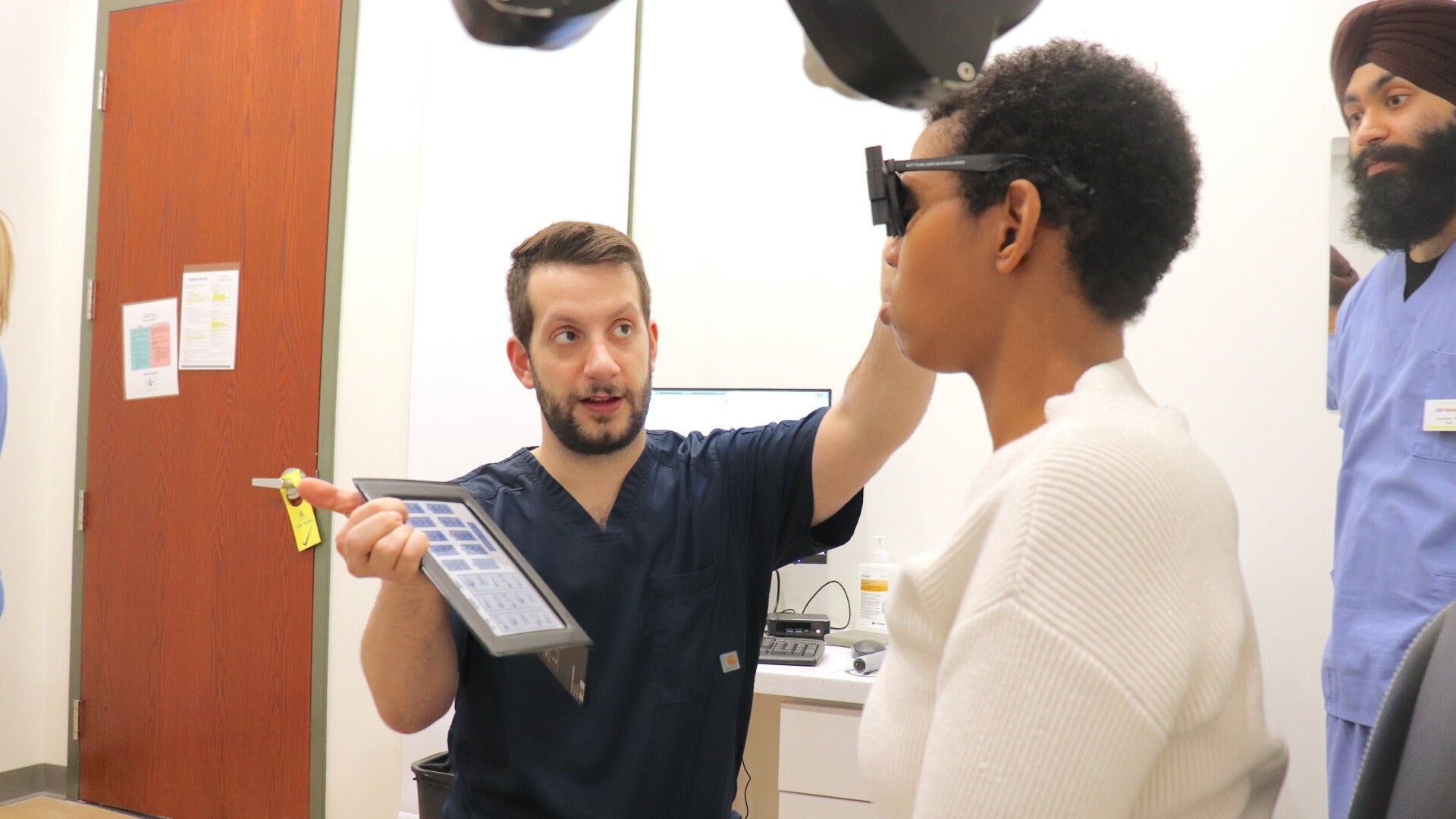
At an AllCare-branded optometric facility, the objective is to provide a continuum of care. This begins with the initial assessment of a patient’s current visual status. A comprehensive exam typically includes a battery of tests designed to measure visual acuity, depth perception, color vision, and eye muscle coordination. Furthermore, the practice utilizes advanced imaging—such as retinal scanning—to look for subtle changes that might indicate early-stage glaucoma, diabetic retinopathy, or macular degeneration.
When patients seek care, they are engaging with professionals licensed to evaluate the refractive state of the eye, which is the technical term for determining whether a patient requires corrective lenses, such as eyeglasses or contact lenses. The precision of this prescription is paramount, as it directly impacts daily functionality, work performance, and overall quality of life.
Core Services and Clinical Procedures
To effectively manage ocular health, optometry clinics organize their services into distinct categories. Understanding these categories helps patients prepare for their appointments and ensures that they select the appropriate type of care for their specific needs.
1. Comprehensive Eye Examinations
This is the standard, preventative visit. Even for individuals who believe they have "perfect" vision, an annual or biennial exam is essential. The eye is one of the few places in the human body where clinicians can directly observe blood vessels and nerve tissue without invasive procedures. Consequently, these exams often uncover systemic health issues, including hypertension and high cholesterol, before other symptoms emerge.
2. Contact Lens Fitting and Evaluation
Fitting contact lenses is a specialized task that goes beyond a standard prescription. Because a contact lens sits directly on the cornea, it requires a measurement of the cornea's curvature to ensure both comfort and safety. Poorly fitted lenses can lead to corneal abrasions or chronic infections. Professional fitting ensures the lens oxygen permeability matches the patient’s lifestyle and ocular surface requirements.
3. Pediatric and Geriatric Optometry
Vision care requirements shift significantly across a human lifespan. Children require monitoring for refractive development and binocularity (how the two eyes work together), which are critical for learning and literacy. Conversely, older adults face age-related changes such as presbyopia (the loss of near-focusing ability) and an increased risk of cataracts. Specialized care pathways in these clinics are designed to address the specific physiological demands of these age groups.
Comparative Overview of Ocular Health Services
The following table outlines common services provided in modern optometric practice, along with their primary purpose and typical target patient profile.
| Service Category | Primary Function | Ideal Frequency | Primary Target |
|---|---|---|---|
| Comprehensive Exam | Detect systemic and ocular disease | Annual/Biennial | All ages |
| Refractive Assessment | Prescribe corrective lenses | As needed | Patients with blurriness |
| Contact Lens Fitting | Ensure safe ocular surface fit | Annual | Lens wearers |
| Glaucoma Screening | Measure intraocular pressure | Annual (post-40) | High-risk adults |
| Pediatric Screening | Identify developmental delays | Bi-annually | Children |
The Role of Technology in Modern Optometry
In 2026, the standard of care in optometry is heavily supported by digital diagnostic tools. Patients should expect to encounter several pieces of technology during their visit.
One such tool is the Autorefractor, a device that provides an objective measurement of a person's refractive error by measuring how light changes as it enters the eye. While this provides a high-quality starting point, it is always followed by a subjective refraction, where the patient provides direct feedback to the doctor to fine-tune the final prescription.
Another critical advancement is the Optical Coherence Tomography (OCT) machine. This device uses light waves to take cross-section pictures of the retina. It allows the practitioner to map and measure the thickness of the retina and the optic nerve, providing invaluable data for the early detection of structural damage related to glaucoma or other neuro-ophthalmological conditions.
Patient Preparation and Best Practices
To maximize the value of an appointment at an optometric clinic, patients should arrive prepared with specific information.
- Medication List: Always provide a current list of systemic medications. Many pharmaceuticals have ocular side effects, such as dry eye, blurred vision, or photosensitivity.
- Visual History: Note any family history of eye disease, such as macular degeneration or glaucoma, as these conditions often have a hereditary component.
- Symptom Log: If experiencing specific issues like halos, light sensitivity, or headaches during screen time, be ready to describe the duration and frequency of these symptoms.
- Insurance Verification: Confirm that your specific vision plan is accepted by the provider. Vision insurance and general health insurance often function as separate entities, covering different aspects of eye care.
Addressing Common Challenges
A common hurdle for patients is distinguishing between "vision insurance" and "medical eye care." Vision insurance typically covers routine care, such as exams and hardware (frames and lenses). Medical insurance covers visits related to specific symptoms or diseases, such as eye pain, infection, or the management of chronic conditions.
If a patient visits a clinic for a routine check-up but the doctor identifies a medical issue (e.g., a suspicious mole on the iris or evidence of a retinal tear), the appointment may be billed to medical insurance. Understanding this distinction early in the appointment process prevents confusion regarding co-pays and deductibles.
Frequently Asked Questions
How often should I have an eye exam? Most adults should have an eye exam every one to two years. However, individuals with diabetes, a history of eye disease, or those who wear contact lenses often require annual examinations to monitor for changes or complications.
What is the difference between an optometrist and an ophthalmologist? An optometrist (OD) provides primary vision care, including prescriptions and routine health checks. An ophthalmologist (MD or DO) is a medical doctor who specializes in surgery and the treatment of complex, advanced ocular diseases.
Are digital eye exams accurate? Digital screening tools are highly accurate for capturing baseline data, but they function as a supplement to the professional expertise of the optometrist. The final prescription must always be validated by the clinician based on your specific visual comfort and history.
Why does my vision seem to fluctuate throughout the day? Vision fluctuation is often caused by digital eye strain, dehydration, or dry eye syndrome. If you spend significant time on computers, following the 20-20-20 rule—looking at something 20 feet away for 20 seconds every 20 minutes—can significantly mitigate this effect.
Can I get my prescription filled anywhere? Yes. Once you have a valid, signed prescription from your licensed optometrist, you have the legal right to purchase your eyewear from any optical retailer of your choosing.
Final Recommendation
If you have not had an eye examination within the last 24 months, your next action should be to schedule a comprehensive evaluation. Prioritize selecting a practitioner who utilizes current diagnostic imaging, as this provides a baseline of your ocular health that is essential for detecting future changes. Contact your chosen facility, verify your insurance coverage, and ensure you bring a list of your current medications and vision-related complaints to your appointment.
Image Gallery