Understanding Other State Insurance for Workers’ Compensation
Other state insurance is a crucial component of workers' compensation coverage that protects businesses with mobile workforces or operations spanning multiple jurisdictions. It ensures that employees injured while working temporarily i...
Other state insurance is a crucial component of workers' compensation coverage that protects businesses with mobile workforces or operations spanning multiple jurisdictions. It ensures that employees injured while working temporarily in a state other than the one where the company is based remain protected, preventing gaps in coverage that could lead to severe legal and financial liabilities for employers.
Contents
For business owners and risk managers, understanding how workers' compensation functions across state lines is essential for maintaining compliance with regional mandates. Workers' compensation laws are almost exclusively state-governed, meaning each state maintains its own statutes regarding benefit levels, insurance requirements, and administrative filings. While your primary policy typically covers your "home" state, those benefits may not automatically extend to cover claims filed in a different jurisdiction, especially if your business has established a "nexus"—a physical or legal presence—within that state. Other state insurance, often structured as "Part Three" of a standard workers’ compensation policy, bridges the gap between where your company is headquartered and where your employees are performing their duties.
The Mechanism of Extraterritorial Coverage
Workers' compensation policies are structured into specific sections. Part One of a policy covers the statutory obligations for the state where the business is domiciled. Part Three, commonly referred to as the "Other States Insurance" section, provides coverage for states where the employer may begin operations or have employees working on a temporary basis.
This coverage is designed to function automatically if an employer is already listed in the policy's information page. However, it is not a "blanket" policy that covers all fifty states without limitation. It serves as a safety net that triggers when an employee sustains an injury in a state where the employer has not yet established formal, separate coverage, provided that the state is included in the policy's "Other States" schedule.
Defining Nexus and Its Legal Implications
The primary challenge in managing multi-state operations is determining when a business has created a "nexus" in a secondary state. A nexus is established through various activities, such as:
- Maintaining a physical office or branch location.
- Having employees stationed in the state for an extended period.
- Executing contracts or projects that last beyond a threshold determined by state law.
- Meeting specific payroll or revenue thresholds within the state's borders.
Once a nexus is established, the "Other States" provision is generally no longer sufficient. At this stage, the employer is typically required to obtain a "monopolistic" or independent policy specifically for that state to satisfy statutory requirements.
States With Exclusive Funds (Monopolistic States)
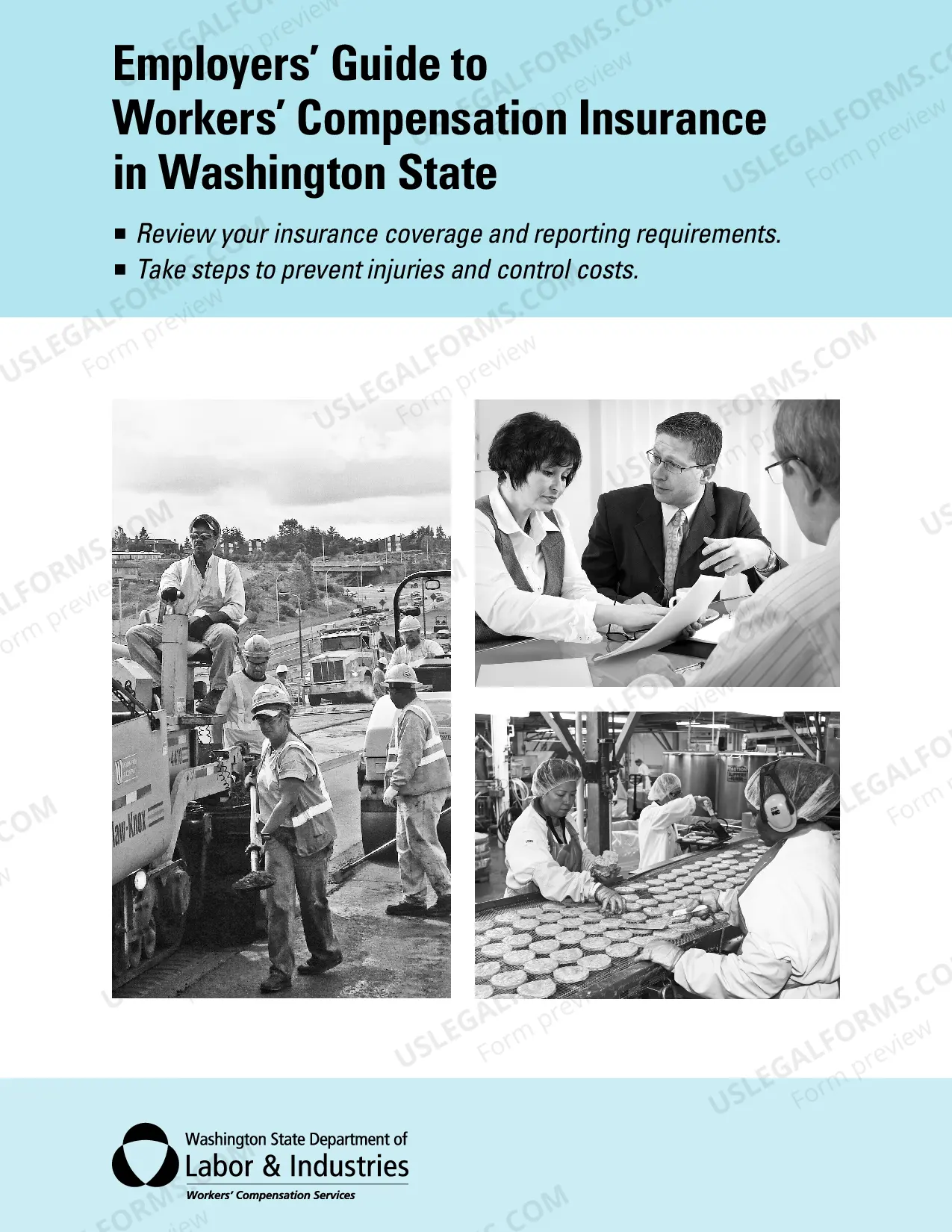
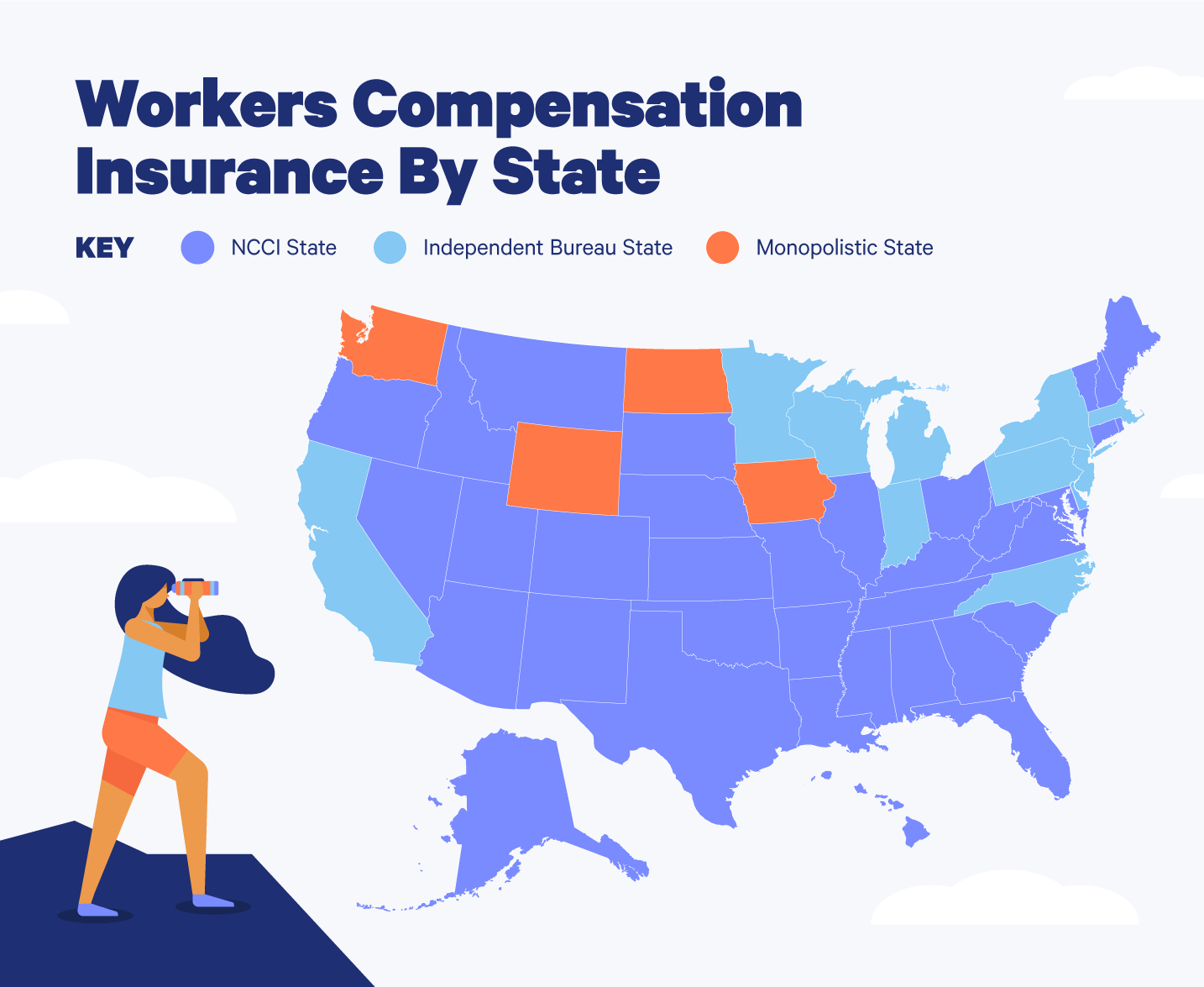
A critical limitation in understanding "Other States Insurance" is the existence of monopolistic states. Four states—North Dakota, Ohio, Washington, and Wyoming—operate as exclusive state-run insurance funds. In these jurisdictions, private insurers are prohibited from writing workers' compensation policies.
If you have employees performing work in these states, your standard private "Other States" coverage will not suffice. You must proactively apply for coverage directly through the state’s monopolistic fund. Relying on an existing commercial policy to cover injuries in these four states often results in a total denial of coverage, leaving the employer personally liable for medical bills, lost wages, and potentially significant regulatory fines.
Comparison of Coverage Scenarios
| Coverage Type | Geographical Scope | Trigger Mechanism | Requirement for Monopolistic States |
|---|---|---|---|
| Part One (Primary) | Home State | Domestic payroll/activity | N/A |
| Part Three (Other States) | Listed States (non-monopolistic) | Incidental/Temporary work | No (Must obtain separate state fund) |
| Separate Policy | Specific State | Nexus/Established operations | Yes (Required by law) |
Operational Steps for Managing Multi-State Coverage
To maintain compliance and protect your business, follow these steps when planning work in new states:
- Verify State Requirements: Before initiating a project, check the specific workers' compensation rules for that state. Some states recognize "reciprocity," meaning they may honor your home state's coverage for a limited period, while others have no such allowance.
- Review Your Policy Information Page: Examine your current policy's declarations page to see which states are currently listed under "Other States Insurance." Ensure these include the states where your workforce is active.
- Notify Your Carrier: If you plan to expand operations into a new territory, contact your insurance agent or carrier immediately. Providing them with projected payroll figures for the new state allows them to add the state to your policy, preventing potential coverage gaps.
- Evaluate Nexus Status: Determine if your project duration, physical presence, or local hiring warrants a standalone policy. If you are hiring local employees within the new state, you will almost certainly be required to carry that state's specific workers' compensation coverage.
- Annual Audits: At the end of each policy year, perform a payroll audit. If your activities in a secondary state have increased significantly, your insurer will need to adjust your premiums and coverage classifications accordingly.
Common Pitfalls and Troubleshooting
The most frequent mistake businesses make is assuming their primary policy provides global or nationwide protection. This leads to "gaps in coverage." If a worker is injured in a state where you lack coverage, your insurance carrier may deny the claim. Consequently, the employer is then forced to pay the medical costs and disability benefits out-of-pocket, while simultaneously facing legal penalties from the state’s labor board for failure to provide mandatory insurance.
Another common issue is the misclassification of employees versus independent contractors. Employers often assume that by labeling a worker an "independent contractor," they are exempt from providing coverage in a new state. However, many state labor departments apply strict "ABC tests" to determine employment status. If a state regulator finds that your "contractors" are legally employees, they will assess back premiums and fines, regardless of whether you have an "Other States" insurance endorsement.
Frequently Asked Questions
Does "Other States" coverage protect me in all 50 states? No. It only covers the states specifically listed in your policy. You must request that your broker add specific states to your coverage schedule before your employees begin working there to ensure the policy is triggered appropriately.
What happens if I work in a monopolistic state? Your private "Other States" coverage will not provide valid protection in North Dakota, Ohio, Washington, or Wyoming. You must obtain a policy directly through the state-run funds in these jurisdictions to avoid non-compliance.
Is there a time limit for how long I can work in another state under my current policy? There is no universal time limit; it is dictated by the specific state’s statutes and the language of your policy. Some states allow 30 days of coverage reciprocity, while others require immediate coverage upon the first day of work. Always consult your insurance carrier regarding your specific contractual limitations.
Does this coverage apply to employees I hire locally in another state? Generally, no. "Other States" insurance is typically intended for employees who are temporarily traveling from your home state. If you hire employees who are permanent residents of another state or who work exclusively in that state, you must obtain a separate, local policy.
What documentation should I keep for compliance? Maintain a record of your payroll distribution by state, copies of your policy declarations pages, and any certificates of insurance issued for specific project sites. These documents are vital during an audit or in the event of an insurance carrier verification request.
Professional Guidance and Next Actions
Compliance with workers' compensation statutes is not a "set it and forget it" task. As your business operations evolve and your workforce becomes more mobile, your insurance needs will shift.
If you are uncertain about your current level of protection, request a "Policy Coverage Gap Analysis" from your insurance broker. This should identify any states where you have active operations but lack specific policy endorsements. If you currently have employees working in states not listed on your policy, contact your carrier today to initiate an endorsement. Failure to do so puts your business at significant financial risk.
Image Gallery