How to Find Inexpensive Lawn Care Services Near You
Finding affordable lawn care requires a balance between scouting local providers, understanding the scope of your specific needs, and leveraging seasonal timing to secure competitive rates. By identifying whether you need basic mainten...
Finding affordable lawn care requires a balance between scouting local providers, understanding the scope of your specific needs, and leveraging seasonal timing to secure competitive rates. By identifying whether you need basic maintenance or complex landscaping, verifying professional credentials, and utilizing localized search strategies, you can maintain a healthy lawn while keeping overhead costs manageable.
Contents
Assessing Your Specific Lawn Care Needs
Before you begin soliciting quotes, it is essential to define the scope of work. "Lawn care" is a broad term that can range from simple grass cutting to chemical fertilization, weed control, aeration, and pest management. Providers typically charge higher premiums for bundled, full-service packages that include specialized equipment and licensed chemical applications.
If your primary goal is cost-minimization, separate your needs into "essential" and "discretionary." Essential tasks, such as mowing, edging, and basic debris removal, are labor-intensive but do not require advanced certifications. Discretionary services, such as soil testing, core aeration, or lawn fertilization, often require specialized knowledge and licensing. By performing simpler tasks yourself or limiting the frequency of professional visits, you can significantly lower your monthly lawn care expenditure.
Strategies for Sourcing Local Providers
Locating inexpensive services involves a mix of digital research and community-based scouting. While major national franchises offer consistency, smaller, independent owner-operator businesses often maintain lower overhead and, consequently, more flexible pricing structures.
- Hyper-Local Community Boards: Use platforms like Nextdoor or community-specific Facebook groups. Local neighbors often share recommendations for independent lawn care professionals who operate in specific neighborhoods. Because these operators do not have to travel far between jobs, they may offer discounted "neighborhood rates" for multiple houses on the same street.
- Specialized Local Marketplaces: Use platforms like Angi or Thumbtack to compare quotes from multiple providers simultaneously. When using these platforms, pay close attention to the service area radius. Providers who work within a five-mile radius of your home are generally more efficient and can pass those savings on to you.
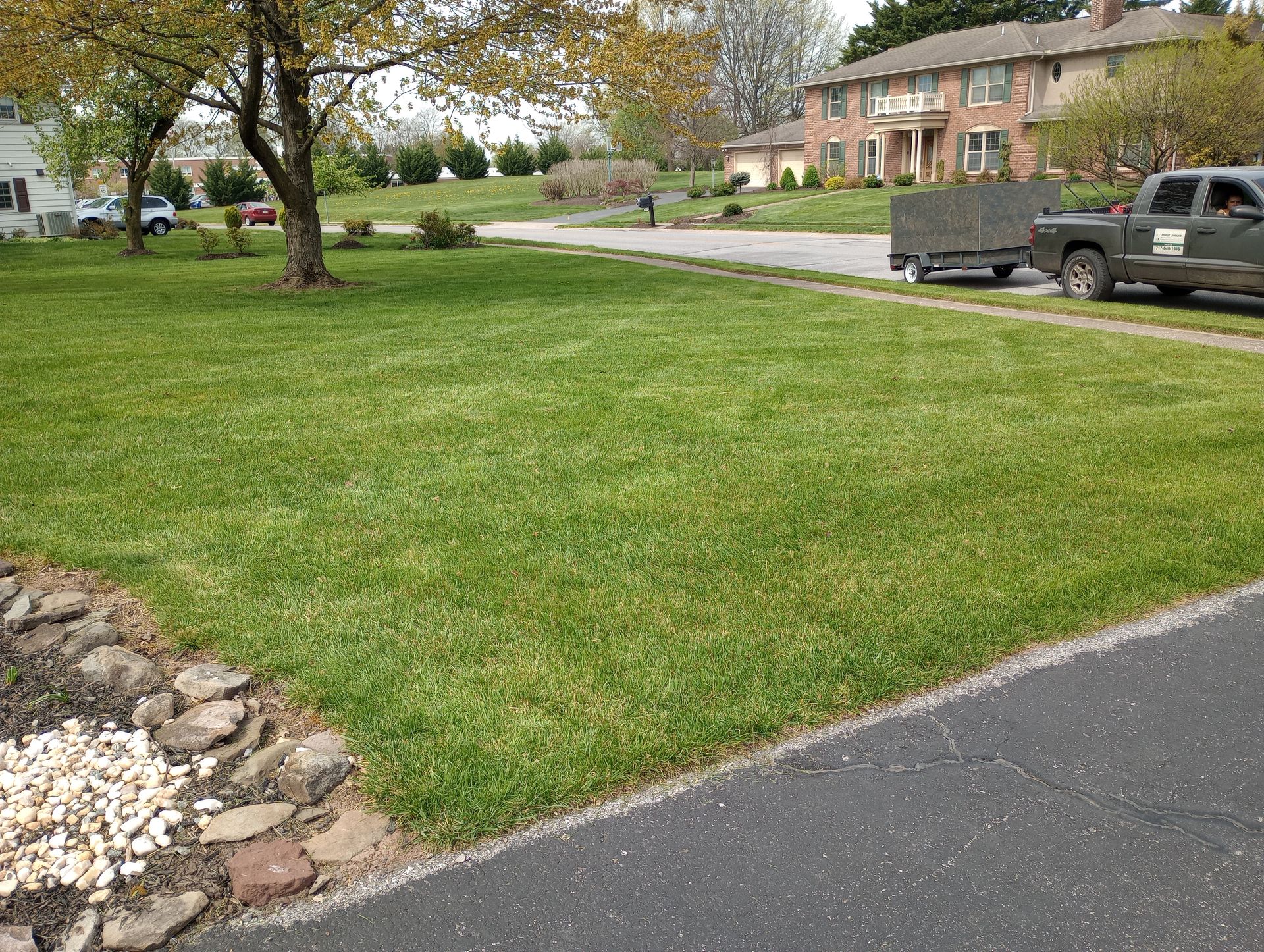
- Visual Scouting: Keep an eye out for lawn equipment trailers in your area. If you see a provider working on a neighbor’s lawn, wait until they are finished or leave a polite note. Asking for a quote while they are already in the vicinity can lead to a more favorable price, as you are minimizing their transit time and fuel consumption.
Comparative Cost Considerations
The cost of lawn care is heavily influenced by regional labor markets, the size of your property, and the specific terrain (e.g., steep slopes or areas with heavy obstacles). To evaluate quotes effectively, you must understand how providers calculate their pricing.
| Pricing Factor | Impact on Cost | How to Mitigate |
|---|---|---|
| Property Size | High: Larger lawns take more time. | Clear obstacles to speed up mowing. |
| Frequency | Medium: Weekly vs. Bi-weekly. | Opt for bi-weekly during slow growth. |
| Equipment Type | Medium: Specialized tools cost more. | Request only standard mowing/trimming. |
| Service Bundling | High: Full-service packages. | Choose "a la carte" essential services. |
| Transit Time | Low: Distance from base of operations. | Hire providers already working nearby. |
Verifying Professionalism and Reliability
Low-cost services should not come at the expense of property safety. Even if you are budget-conscious, you must ensure that the provider carries basic business insurance. A lack of liability insurance could leave you financially responsible if a worker is injured on your property or if your property (such as windows or siding) is damaged during the service.
Ask potential candidates for a Certificate of Insurance (COI). Reliable, inexpensive providers will often carry general liability policies. Furthermore, if you are hiring for chemical treatments, verify their state-mandated applicator license. In most jurisdictions, applying restricted-use pesticides without a license is a violation of environmental regulations. Checking these details upfront prevents legal complications and potential remediation costs later.
Seasonal Timing and Contract Negotiations
The lawn care industry is highly seasonal. Demand peaks during the rapid growth months of spring, causing prices to rise. To secure the most inexpensive rates, consider negotiating during the shoulder seasons or requesting "off-peak" service hours.
- Early Season Contracts: Many providers offer discounted rates for the entire season if you sign a service contract in February or March. This guarantees them a steady revenue stream and often earns you a 5% to 10% discount.
- Off-Peak Scheduling: If you are flexible with the day of the week your lawn is serviced, ask if your provider has a "filler" day. Providers are often willing to charge less if they can slot your home in during a gap in their schedule rather than insisting on a rigid, high-demand schedule.
Common Mistakes to Avoid
When pursuing inexpensive lawn care, it is easy to fall into traps that increase costs in the long run. The most common error is choosing a provider based solely on an initial, low-ball estimate without confirming what that price covers. Always ask: "Does this price include disposal of clippings?" and "Is edging included?" Some providers quote a base price for mowing and then add significant surcharges for trimming around trees or blowing clippings off your driveway.
Another mistake is neglecting to establish clear expectations regarding the height of the cut. Removing too much of the grass blade at once can stress the lawn, making it susceptible to disease and weeds. This often necessitates expensive chemical recovery treatments later in the year. Ensure your inexpensive provider follows horticultural best practices, such as the "one-third rule," which states you should never remove more than one-third of the grass blade in a single mowing session.
Frequently Asked Questions
Can I get cheaper lawn care by paying cash? Paying in cash does not inherently lower your cost and removes the paper trail essential for resolving disputes. Always request an invoice or a digital receipt. If you are seeking savings, ask for discounts for paying for the entire month or season in advance rather than asking for "cash discounts," which may signal an attempt to avoid tax obligations.
What is the difference between a lawn care company and a landscaping company? Lawn care companies focus on maintenance, such as mowing, fertilizing, and aeration. Landscaping companies focus on design, construction, and installation, such as planting shrubs, building hardscapes, and installing irrigation. Landscaping companies are almost always more expensive; for basic maintenance, always look for specialized lawn maintenance firms.
Does a larger company always cost more than a solo operator? Not necessarily. Large companies benefit from economies of scale—they have more efficient routing software and bulk purchasing power for fuel and fertilizer. While they may have higher administrative costs, they can sometimes beat independent prices. It is best to get quotes from both to compare.
What should I do if a provider damages my property? If damage occurs, document it immediately with photographs and contact the provider. If they are insured, you will be able to file a claim through their insurance carrier. This is why verifying liability insurance during the hiring phase is critical, even when you are focused on finding the lowest price.
Is it cheaper to provide my own equipment? While you might think asking a provider to use your mower saves money, most professional services refuse this request due to insurance and liability concerns. If their employee is injured using your potentially poorly maintained equipment, or if the mower breaks, it creates a liability headache for the contractor. You are better off hiring a professional who uses their own reliable, insured equipment.
Recommendation
For the most effective balance of cost and quality, solicit three quotes from local owner-operators in your immediate zip code during the late winter or early spring. Ask for a "maintenance-only" quote that excludes chemical treatments, and confirm they hold active liability insurance. By selecting a provider with a concentrated route in your area, you leverage their efficiency to obtain the most competitive price possible.
Image Gallery