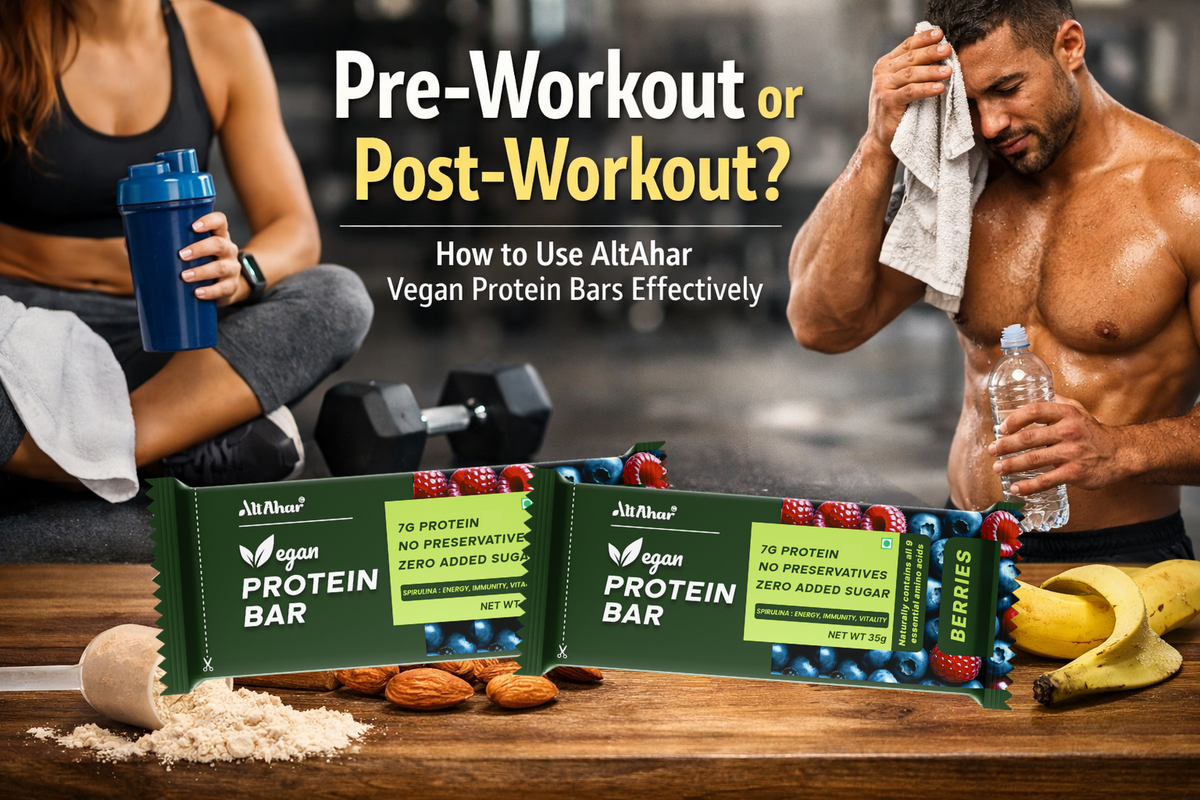
Should You Grab a Protein Bar Post-Workout? A Nutritional Analysis
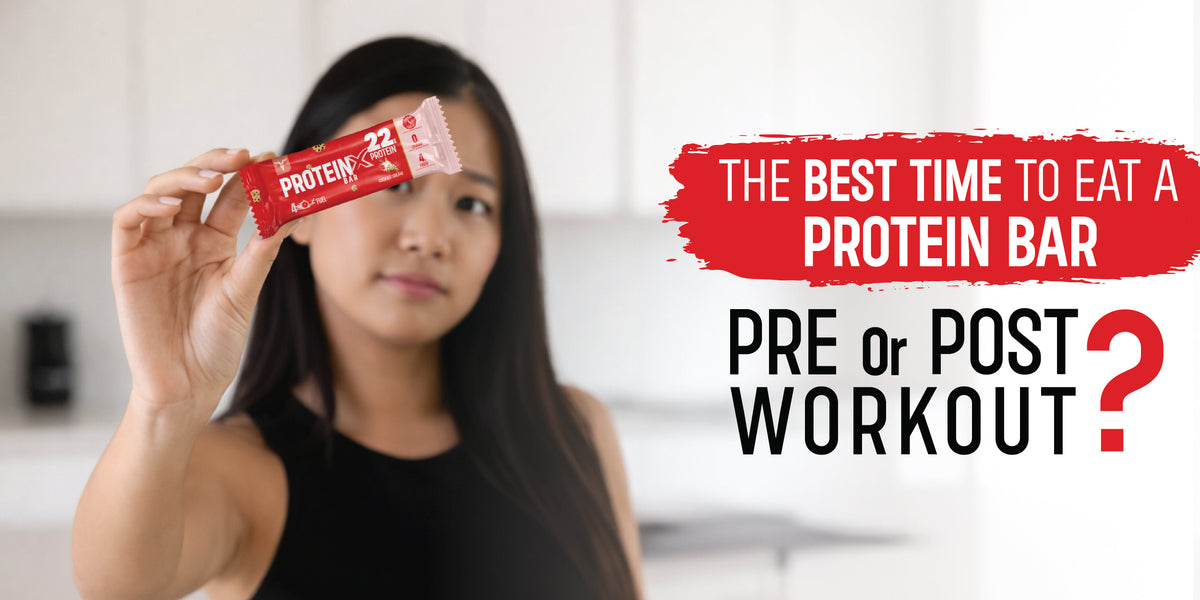
Grabbing a protein bar after a workout can be a convenient and effective way to support muscle recovery, provided the bar aligns with your specific nutritional goals. While high-quality bars offer a balanced blend of protein and carboh...
Grabbing a protein bar after a workout can be a convenient and effective way to support muscle recovery, provided the bar aligns with your specific nutritional goals. While high-quality bars offer a balanced blend of protein and carbohydrates to replenish energy stores and stimulate muscle protein synthesis, many commercial options are highly processed and may contain excessive sugars or fillers that offer little physiological benefit.
Contents
Understanding the Post-Workout Window
The concept of the "anabolic window"—the idea that you must consume protein within 30 to 60 minutes after exercise—has evolved significantly in sports science. Current research indicates that the total daily intake of protein is more critical for long-term muscle hypertrophy than the precise timing of a single snack. However, for individuals training in a fasted state, performing multiple sessions in a single day, or engaging in intense resistance training, immediate post-workout nutrition remains a valuable strategy for kickstarting the recovery process.
During exercise, your body undergoes micro-tearing in muscle fibers and depletes glycogen, the stored form of glucose in your muscles. Consuming protein provides the essential amino acids—specifically leucine—required to repair these tissues. Simultaneously, including a source of carbohydrates helps replenish glycogen levels and reduces the cortisol spike that follows heavy physical exertion. A well-formulated protein bar acts as a bridge between the training stimulus and your next whole-food meal, ensuring your body has the raw materials necessary to begin the repair cycle without excessive delay.
Evaluating Protein Bar Composition
Not all protein bars are created equal. When determining if a bar belongs in your gym bag, you must look past marketing claims such as "high protein" or "keto-friendly" and examine the ingredient profile. A functional post-workout bar should support recovery rather than simply providing empty calories.
Macro-Nutrient Balance
For a post-workout recovery tool, aim for a ratio that prioritizes protein but includes sufficient carbohydrates to replenish energy. A target of 20 to 30 grams of high-quality protein is generally recommended for the average adult. If your workout was particularly intense or endurance-focused, a carbohydrate-to-protein ratio of 2:1 or 3:1 may be more beneficial for glycogen restoration.
Ingredient Quality
Scan the ingredient list for primary protein sources. Whey protein isolate, casein, or high-quality plant blends (such as pea and rice protein) are preferred. Be wary of bars that list "protein blends" without specifying the quantity or those that rely on cheap fillers like soy protein concentrate or hydrolyzed collagen, which may have lower bioavailability for muscle protein synthesis.
The Problem with Additives
Many mass-market protein bars function more like candy bars disguised as health food. Ingredients such as high-fructose corn syrup, artificial sweeteners (like sugar alcohols, which can cause gastrointestinal distress in some athletes), and hydrogenated oils can negate the benefits of the protein content. If a bar contains more sugar than protein, it is likely to cause a rapid insulin spike followed by a crash, which is counterproductive to the sustained recovery process.
Comparison of Common Post-Workout Protein Sources
To help you decide whether a protein bar fits your routine, it is useful to compare it against other common recovery strategies.
| Recovery Method | Convenience | Protein Quality | Cost-Effectiveness | Fiber/Micronutrients |
|---|---|---|---|---|
| Protein Bar | Very High | Variable | Low | Usually Low |
| Whey Shake | High | High | Medium | Very Low |
| Greek Yogurt | Medium | High | High | Moderate |
| Whole Food Meal | Low | High | High | High |
The primary advantage of the protein bar is portability. If you commute directly from the gym to the office or class, the bar provides a "grab-and-go" solution that requires no refrigeration or preparation. However, in terms of cost per gram of protein and total nutrient density, whole foods like Greek yogurt or a home-prepared meal are consistently superior.
Potential Downsides and Risks
Relying too heavily on processed bars can lead to several unintended consequences. First, the cost of high-quality protein bars can add up significantly over a month, often costing two to four times as much as an equivalent amount of protein obtained through whey powder or whole-food sources.
Second, the digestive impact of synthetic ingredients should not be overlooked. Many modern "low-carb" bars utilize sugar alcohols (such as maltitol, erythritol, or xylitol) to reduce calorie counts. These compounds are notorious for causing bloating, gas, and osmotic diarrhea in many individuals, particularly when consumed immediately before or after heavy training when blood flow is diverted away from the gut.
Finally, there is the risk of "nutritional displacement." When you fill up on a 250-calorie processed bar, you may find yourself less hungry for a nutrient-dense whole-food meal later. Whole foods offer essential micronutrients—vitamins, minerals, and phytonutrients—that are rarely present in processed bars, and these are vital for long-term health and inflammation management.
Guidelines for Selecting the Right Bar
When you choose to use a protein bar, use these four criteria to verify its quality:
- Protein-to-Sugar Ratio: Ensure the bar contains at least twice as much protein as it does sugar. Avoid bars where sugar is listed in the first three ingredients.
- Fiber Content: Look for at least 3 to 5 grams of fiber. This helps regulate the absorption of nutrients and improves satiety.
- Protein Source: Prioritize whey, casein, or complete plant-based proteins over mystery "protein blends" or collagen-based products.
- Digestibility: If you experience stomach discomfort after consuming a specific brand, prioritize moving toward liquid protein (shakes) or whole-food snacks, as the additive profile in that specific bar may not agree with your digestive system.
Frequently Asked Questions
Does it matter if my protein bar has high fat content post-workout? Generally, it is better to limit fat intake immediately after a workout. Fat slows down the rate of gastric emptying, which delays the speed at which protein and carbohydrates reach your bloodstream. For faster recovery, prioritize a bar that is lower in fat and higher in protein and carbohydrates.
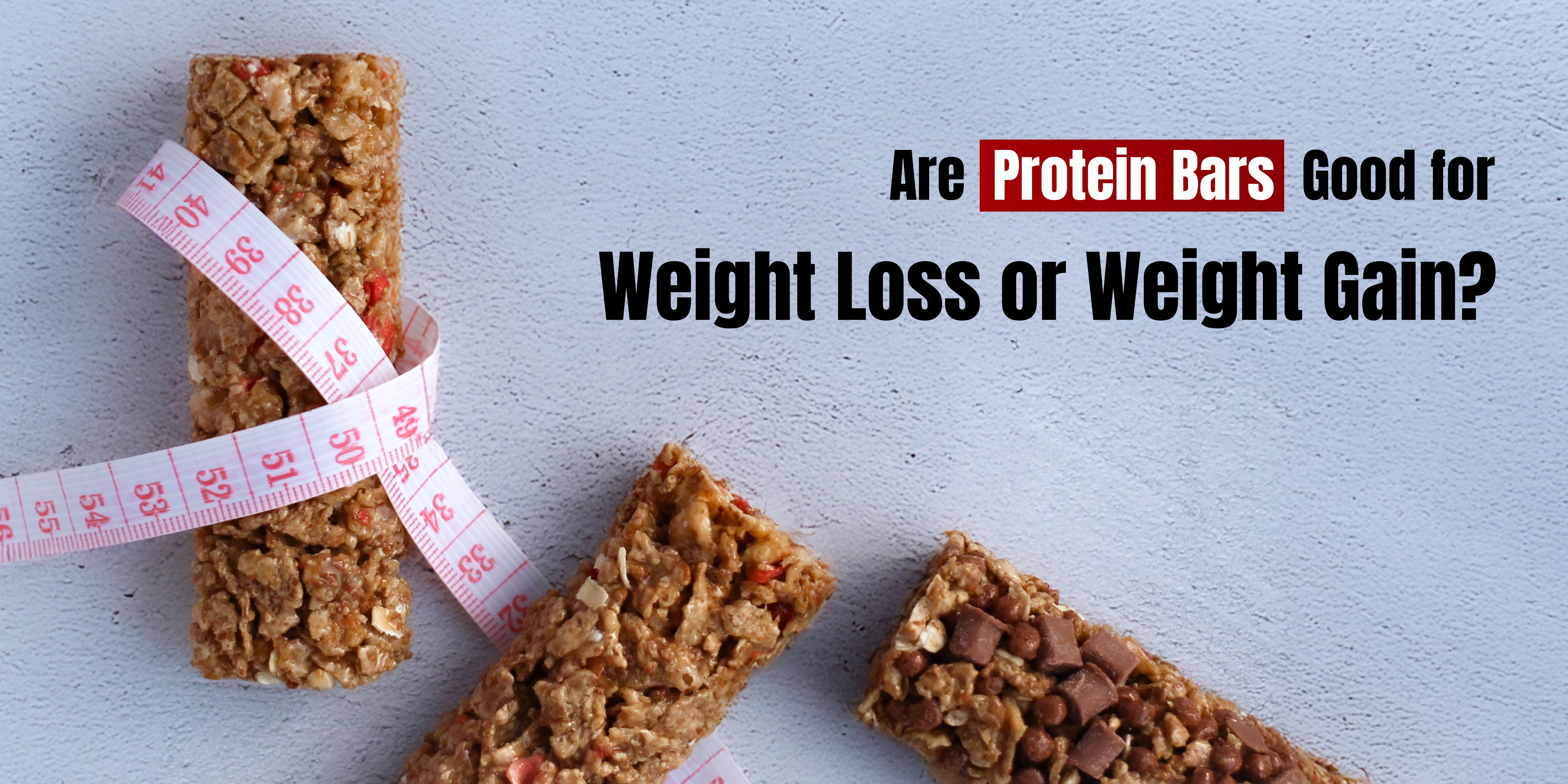
Can I eat a protein bar if I am trying to lose weight? Yes, but you must account for the calories. Many protein bars are calorically dense, sometimes reaching 300 to 400 calories. If you are in a caloric deficit, a protein bar should serve as a meal replacement or a controlled snack rather than an "extra" addition to your diet.
Is it better to have a shake or a bar? A protein shake is typically absorbed faster and often contains fewer processed fillers, making it the superior choice for immediate post-training recovery. Bars are best reserved for situations where you lack access to a shaker bottle or fresh food.
Do "organic" or "natural" protein bars provide better results? The "organic" label refers to how ingredients are grown, not their physiological effect on muscle repair. A natural bar is still a processed food. Focus on the macronutrient profile and ingredient quality rather than marketing buzzwords on the packaging.
Should I rely on protein bars as my main source of protein? No. Protein bars should be considered a supplemental tool. Relying on them for the bulk of your daily protein intake is discouraged because you will likely miss out on the diverse amino acid profiles and essential micronutrients found in whole-food sources like eggs, lean meats, legumes, and dairy.
Practical Recommendation
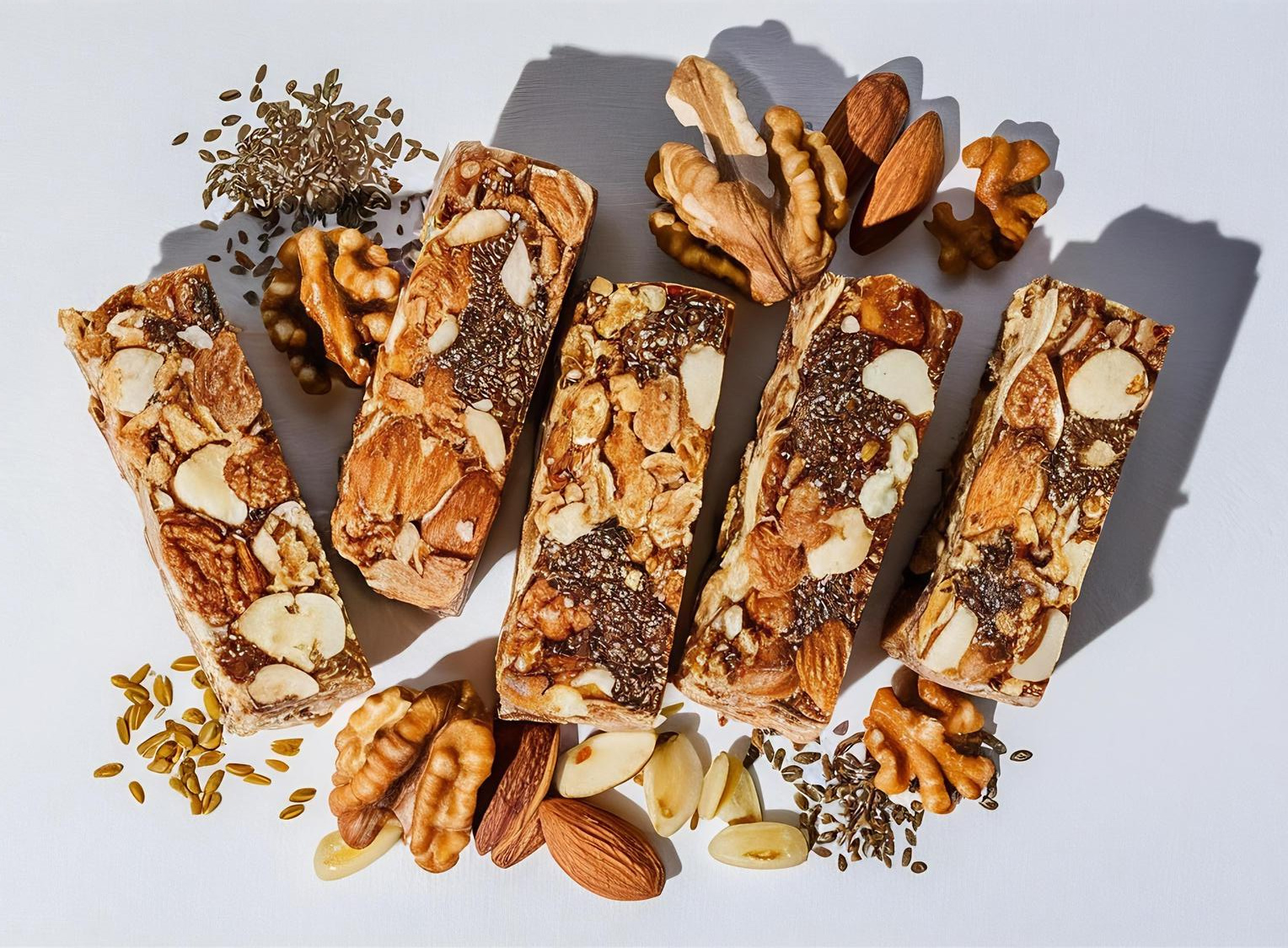
If your schedule necessitates a post-workout snack, prioritize bars that contain a short, recognizable list of whole-food ingredients. Use them as a tactical tool for convenience, but aim to consume your primary daily protein requirements through whole foods. If you find your current bar causes digestive issues or is negatively impacting your hunger for later meals, consider switching to a whey protein isolate shake or a simple snack like a hard-boiled egg with a piece of fruit. Remember that the goal of post-workout nutrition is recovery; if your choice of snack hinders your digestion or adds unnecessary artificial sweeteners to your diet, it is likely time to reassess your selection.
Image Gallery