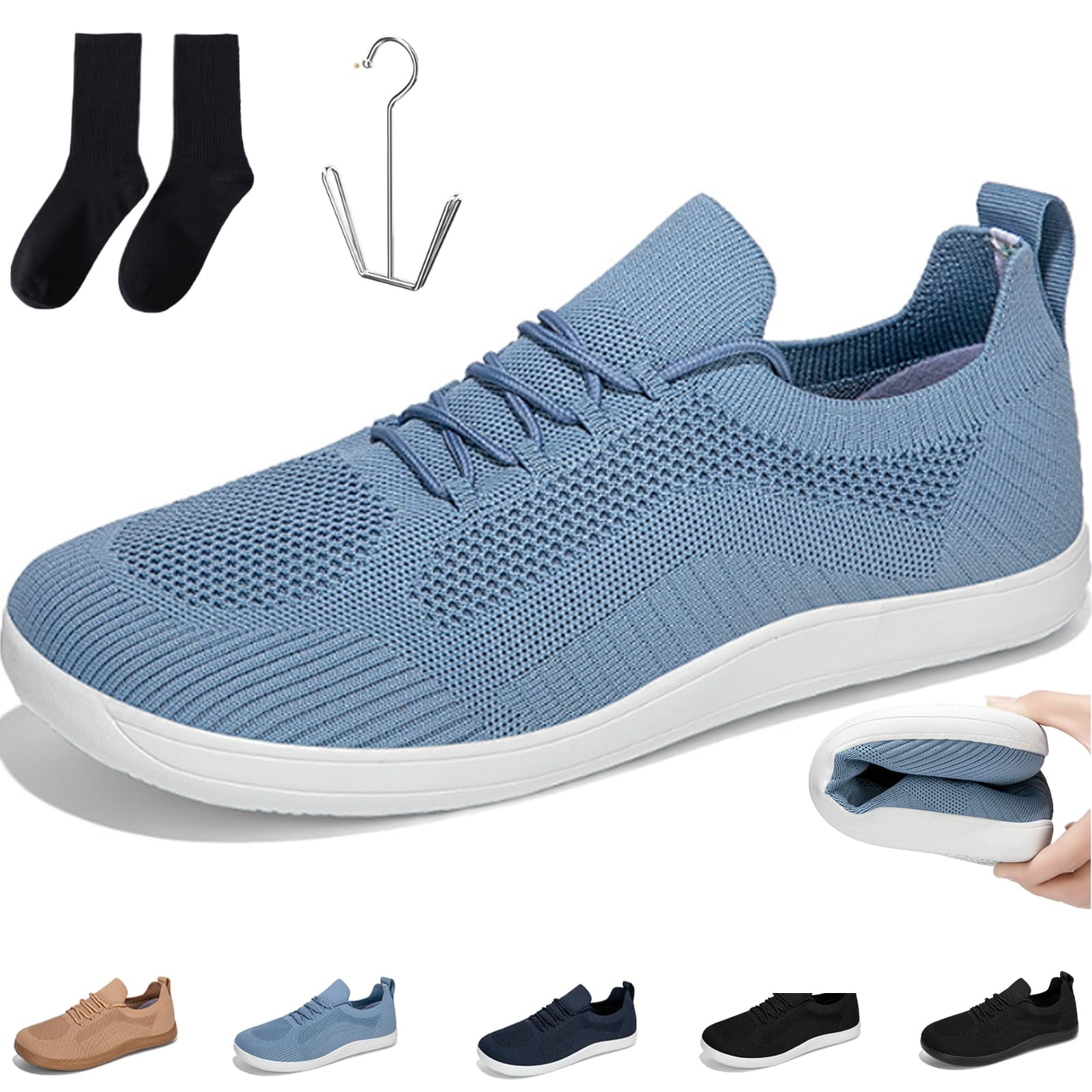
The Best Casual Shoes for Walking: A Guide to Comfort and Structural Support
Finding the best casual shoes for walking requires balancing anatomical support with aesthetic versatility. The ideal walking shoe minimizes biomechanical stress—specifically on the plantar fascia and the metatarsals—while offering a d...
Finding the best casual shoes for walking requires balancing anatomical support with aesthetic versatility. The ideal walking shoe minimizes biomechanical stress—specifically on the plantar fascia and the metatarsals—while offering a design suitable for daily wear, professional settings, or travel. Whether for urban commuting or recreational exercise, the right footwear must provide adequate arch support, heel cushioning, and a flexible forefoot to facilitate a natural gait cycle.
Contents
Understanding Biomechanics in Casual Footwear
The primary function of a walking shoe is to manage the kinetic chain of the human body. When you walk, the foot undergoes three distinct phases: heel strike, midstance, and toe-off. A casual shoe that fails to accommodate these phases can lead to common complaints such as plantar fasciitis, Achilles tendonitis, or chronic knee pain.
For a casual shoe to be effective for significant walking, it must avoid the pitfalls of "flat-sole" fashion sneakers. Many lifestyle sneakers utilize vulcanized rubber outsoles that lack midfoot stability. Instead, look for shoes that feature an engineered midsole—typically composed of Ethylene-Vinyl Acetate (EVA) or specialized polyurethane foams—which provides shock absorption. The heel-to-toe drop is also critical; a moderate drop (generally between 8mm and 12mm) shifts pressure away from the heel and reduces the load on the calf muscles and the Achilles tendon.
Key Criteria for Evaluating Walking Shoes
When evaluating potential candidates, you should look beyond the external branding. Professional-grade walking footwear is defined by specific structural components:
- Torsional Rigidity: If you hold a shoe at both ends and attempt to twist it, it should resist excessive bending. A shoe that is too flexible provides insufficient support during the push-off phase.
- Heel Counter: This is the rigid structure at the back of the shoe. A firm, well-structured heel counter prevents the foot from sliding laterally, which is essential for ankle stability on uneven pavement.
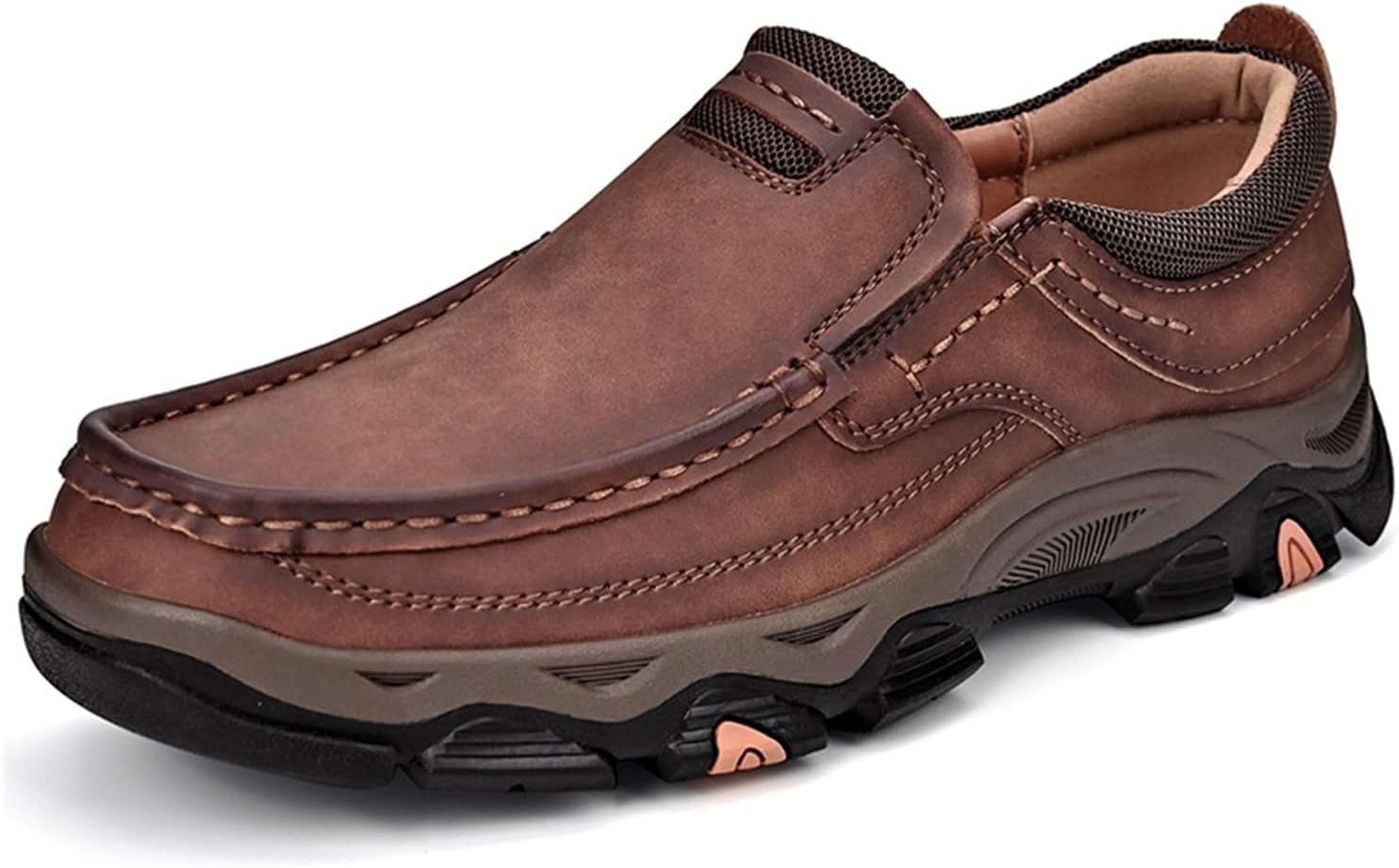
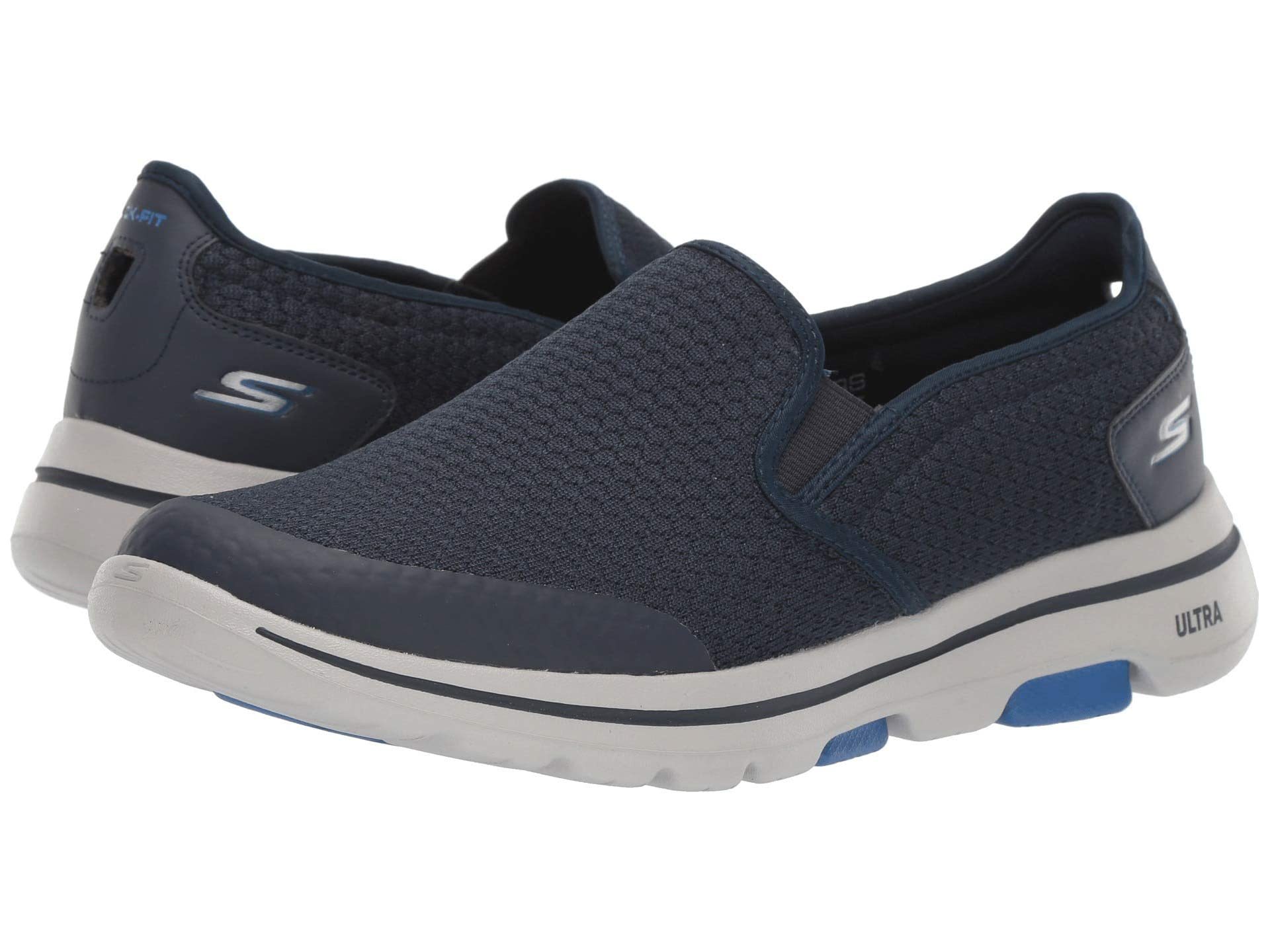
- Breathability and Upper Material: Synthetic mesh or high-quality knit uppers allow for moisture regulation. While leather offers a classic look, ensure it is treated or designed with ventilation zones to prevent the accumulation of heat and moisture, which can lead to skin irritation.
- Removable Insoles: The ability to remove the factory insole is a major advantage. It allows you to replace standard cushioning with custom orthotics or specialized arch supports if you have specific podiatric needs, such as high arches or flat feet.
Comparative Analysis of Casual Walking Footwear Categories
To assist in your selection, the following table compares common casual footwear types based on their structural strengths and primary use cases.
| Footwear Category | Cushioning Level | Stability Rating | Best For |
|---|---|---|---|
| Performance-Lifestyle Hybrid | High | High | Long urban commutes, travel |
| Leather Walking Sneakers | Moderate | Medium | Professional settings, office wear |
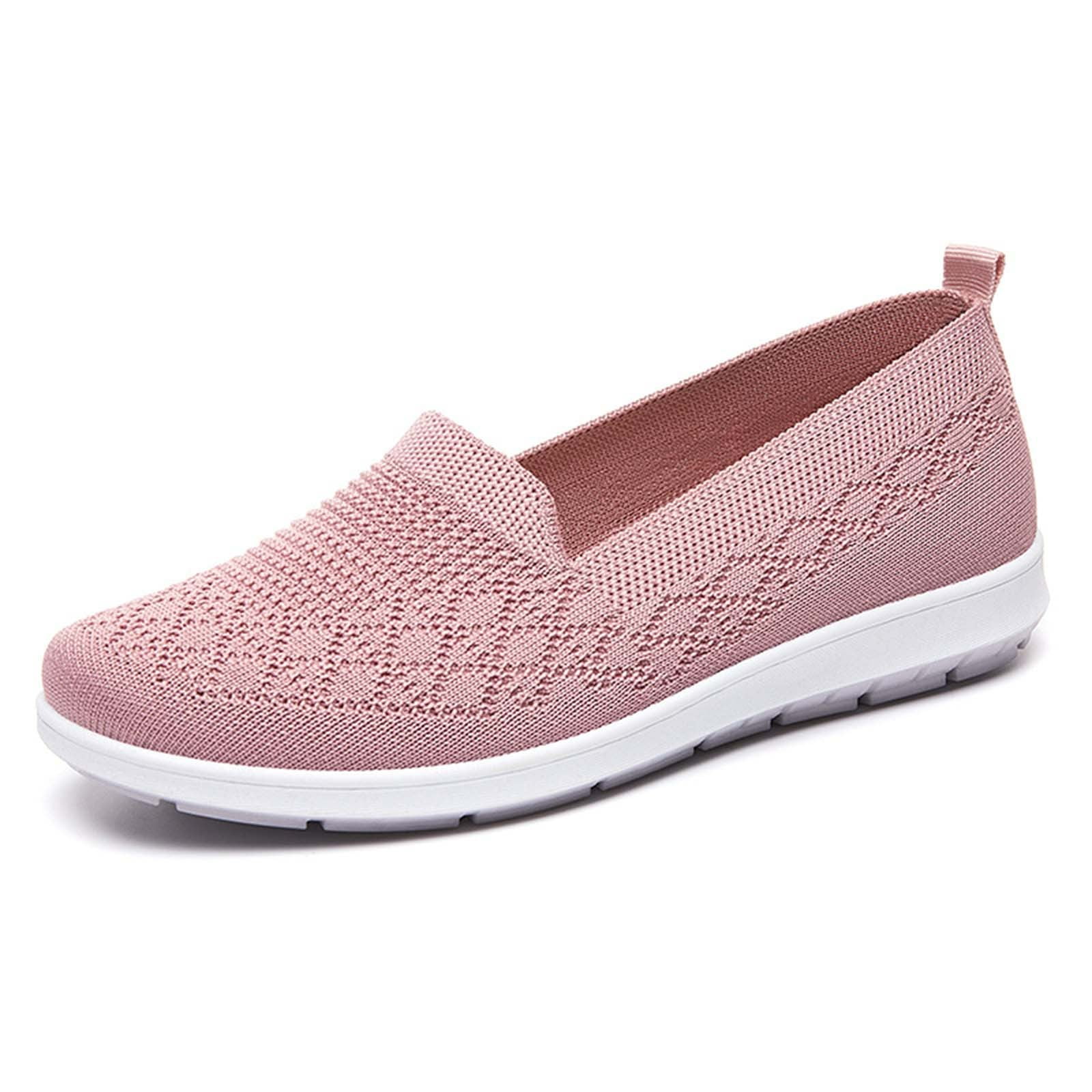
| Technical Knit Loafers | Low-Moderate | Low | Casual outings, light walking |
| Stability-focused Casuals | Moderate | Very High | Individuals with overpronation |
The Role of Fit and Sizing
An often overlooked aspect of comfort is the width and volume of the toe box. Many casual shoes are designed with a tapered toe, which can crowd the toes and lead to bunions or hammertoes over time. The best walking shoes feature a "straight-lasted" or anatomically wide toe box, allowing the toes to splay naturally during the gait cycle.
When trying on shoes, perform the "thumb test": there should be approximately one thumb-width of space between your longest toe and the front of the shoe. Furthermore, because feet naturally swell throughout the day due to gravity and heat, it is advisable to shop for and try on shoes in the late afternoon. This ensures that the fit accounts for your maximum foot volume, preventing tightness during prolonged walking sessions.
Maintaining Your Footwear for Longevity
The structural integrity of a walking shoe typically lasts between 300 and 500 miles. Beyond this threshold, the midsole foam begins to compress permanently, losing its ability to absorb impact effectively. To maximize the lifespan of your shoes:
- Rotation: Alternate between two pairs of shoes. This allows the cushioning foam 24 to 48 hours to decompress and recover its shape after a long day of use.
- Cleaning: Avoid machine washing leather or suede components, as excessive water can damage the adhesives and structural bonds. Use a soft-bristled brush and mild soap to spot clean, and always air dry at room temperature.
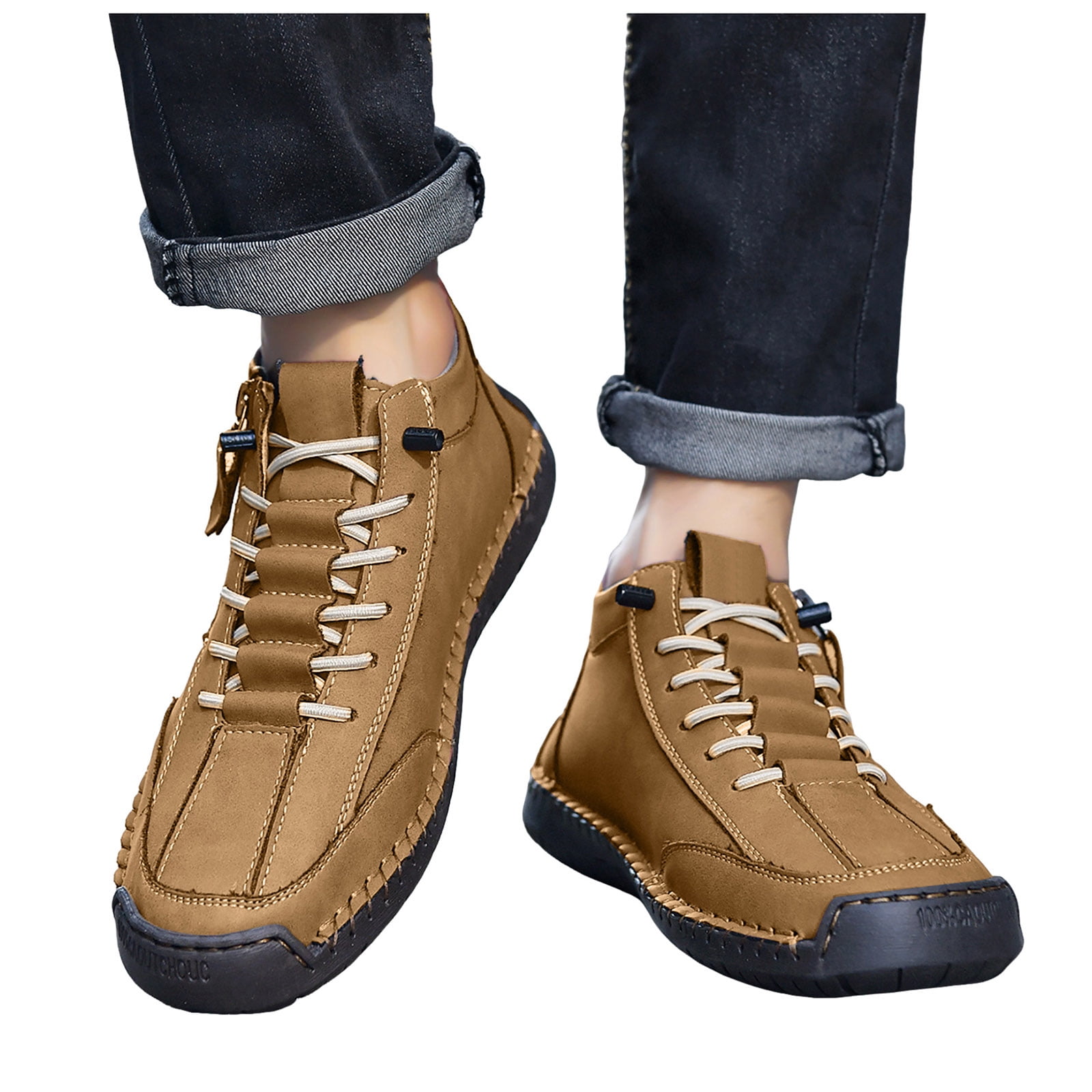
- Lacing Techniques: Experiment with lacing patterns to relieve pressure points. For example, a "window lacing" technique can alleviate pain on the bridge of the foot (instep), while "heel lock" lacing can prevent the heel from slipping out of the shoe during rapid walking.
Common Misconceptions
- "Softer is better": Excessive softness (often found in "marshmallow" style lifestyle shoes) can actually be counterproductive for long walks. Without enough structural resistance, the foot muscles must work harder to stabilize the body, leading to early fatigue.
- "Breaking in" is mandatory: Modern, high-quality walking shoes should feel comfortable the moment you put them on. While a slight adjustment period is normal for leather, significant pain or blistering in a new shoe is an indication that the fit or the model is incorrect for your foot shape.
Frequently Asked Questions
How do I know if I have high arches or flat feet? You can perform a simple "wet test." Dip your foot in water and step onto a piece of cardboard. If you see a full impression of your foot, you likely have low arches or flat feet. If you see only the ball of your foot and your heel, connected by a very thin line or nothing at all, you likely have high arches. This information helps you select shoes with the appropriate level of arch support.
Can I wear running shoes for walking? While you can, they are optimized differently. Running shoes are designed for higher impact and a different gait pattern involving a shorter stance phase. Walking shoes are designed to encourage a smooth heel-to-toe roll with less emphasis on the extreme energy return often found in running-specific footwear.
Should I choose wide-width shoes if I have average feet? No. A shoe that is too wide will cause your foot to slide, leading to friction and blisters. If you feel tightness, look for models with a "wide toe box" rather than a "wide width" designation, as this allows for toe splay without compromising midfoot stability.
Does price correlate with walking comfort? Price often correlates with the quality of materials and the complexity of the midsole engineering. However, the most expensive shoe is not necessarily the best. You are looking for a shoe that matches your specific foot mechanics, regardless of the brand's price point.
Final Recommendations
Before finalizing a purchase, verify your current shoe size using a Brannock device, as foot size can change over time. If you have a history of orthopedic issues, consult a podiatrist to determine if you require medical-grade orthotics. For the general walker, prioritize models that offer a firm heel counter, a removable midsole, and a spacious toe box. By focusing on these technical pillars, you ensure that your casual footwear supports your physical health for every mile traveled.
Image Gallery