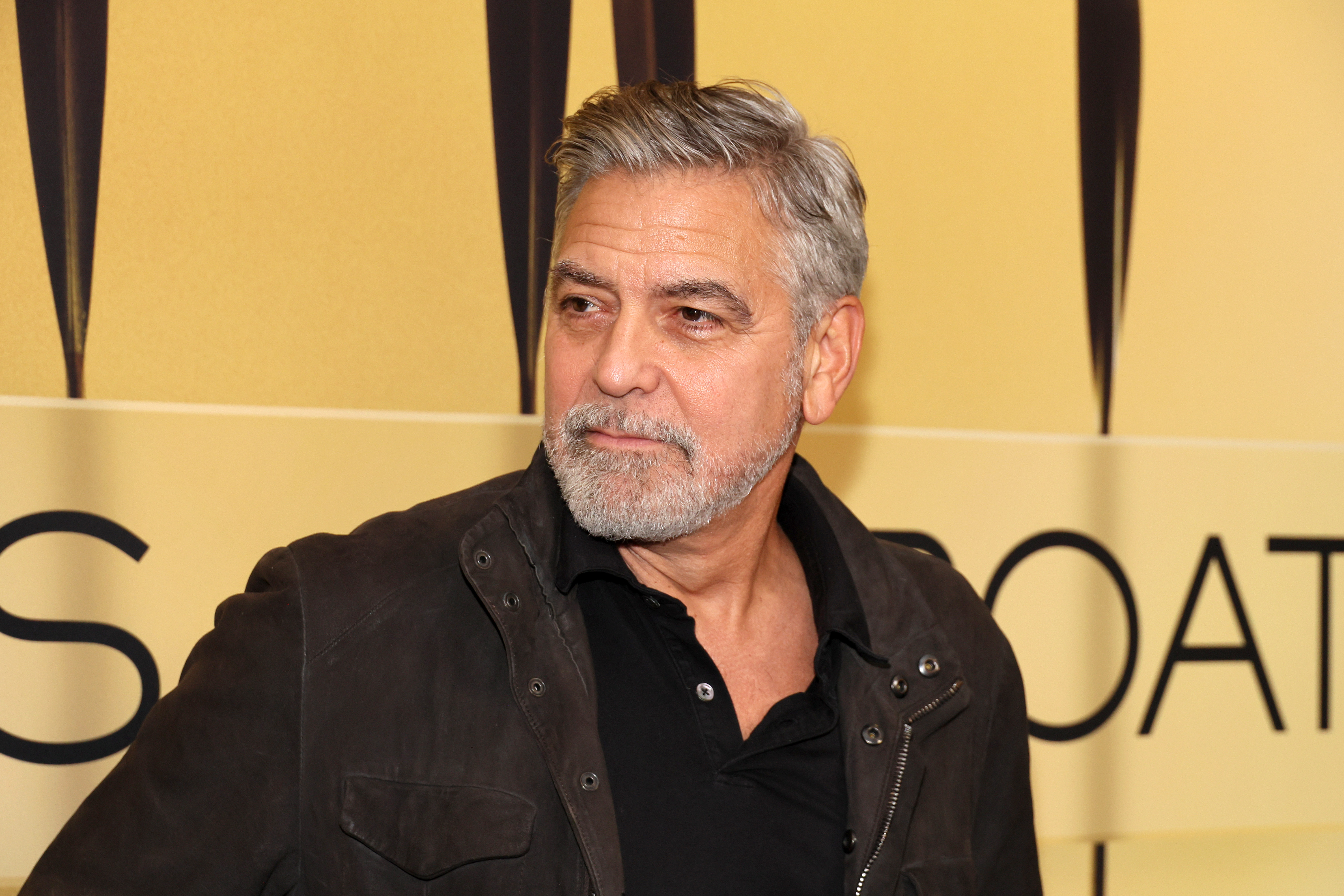
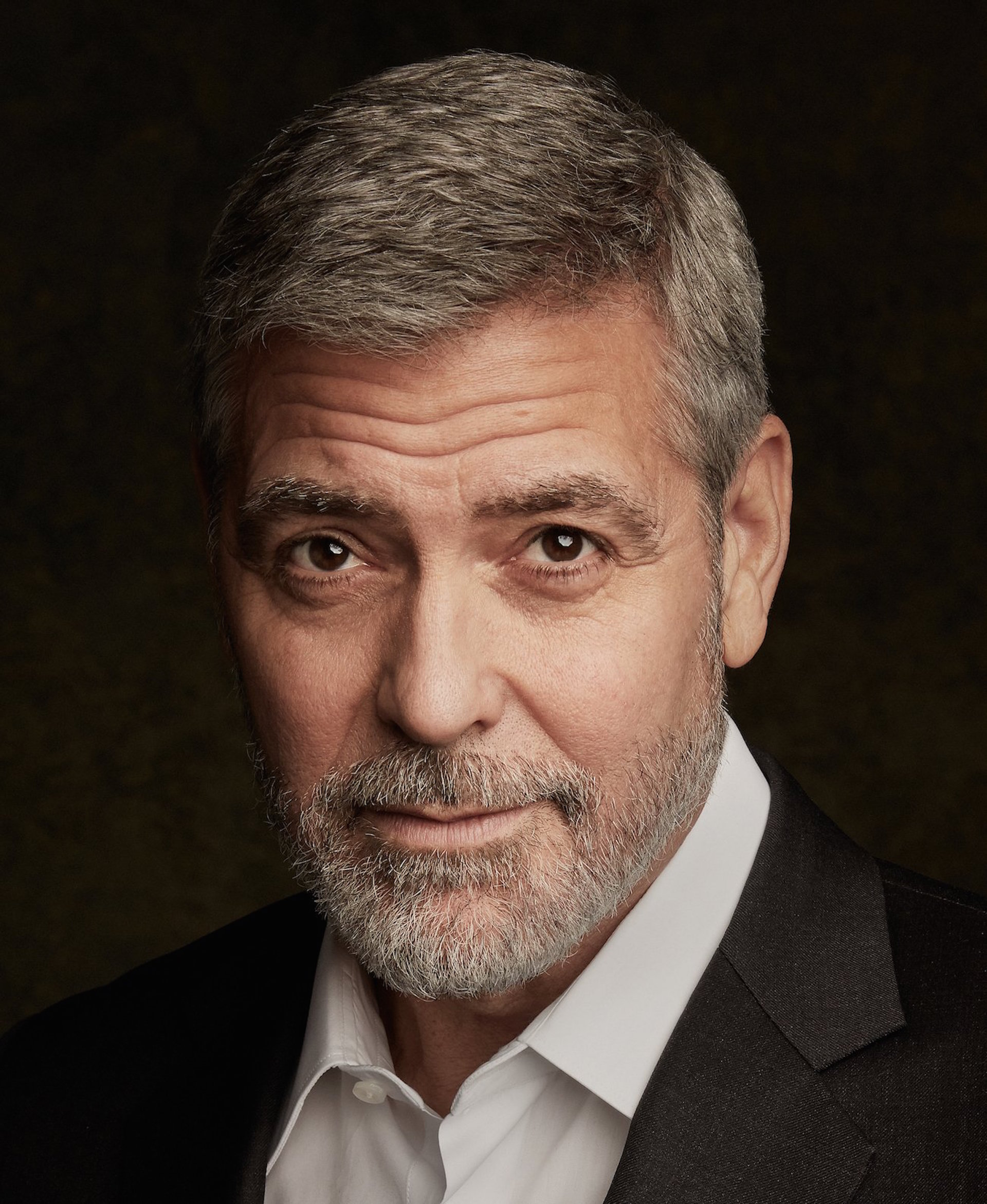
Understanding the Use and Impact of a George Clooney Headshot in the Media
The circulation of a George Clooney headshot in the media serves as a potent tool for public relations, editorial curation, and brand licensing, reflecting how professional publicity portraits function within global entertainment journ...
The circulation of a George Clooney headshot in the media serves as a potent tool for public relations, editorial curation, and brand licensing, reflecting how professional publicity portraits function within global entertainment journalism.
Contents
The Role of Official Publicity Portraits in Modern Media
A professional headshot is far more than a simple photograph; it is a meticulously managed asset designed to shape public perception, anchor news coverage, and project a specific personal or professional brand. When media outlets reference, license, or publish a publicist-approved portrait of an actor, director, or activist of George Clooney's stature, they rely on a tightly controlled ecosystem of image licensing and public relations protocols.
In the contemporary media landscape, high-profile portraits circulate across diverse channels, including digital entertainment journalism, print magazines, television broadcast segments, and promotional billboards. These images act as visual anchors that immediately capture audience attention and establish the subject's credibility. For prominent figures, maintaining a portfolio of current, high-resolution publicity portraits ensures that when a major career milestone, philanthropic announcement, or directorial release occurs, editors have immediate access to approved visual representations.
Understanding how these images enter the media stream requires examining the mechanics of press releases, electronic press kits (EPKs), and authorized syndication agencies. Without established channels for image distribution, newsrooms would face immense logistical hurdles in sourcing legal, high-quality imagery for daily reporting.
Licensing, Copyright, and Media Usage Regulations
The publication of any celebrity photograph is governed by strict legal frameworks, encompassing copyright law, right of publicity, and editorial licensing agreements. Media organizations cannot simply extract any photograph from the internet and publish it without legal repercussion.
Copyright Ownership and Photo Agencies
Most official headshots are the intellectual property of the photographer who captured the image or the studio that commissioned it. Major photo agencies—such as Getty Images, Reuters, and Associated Press—act as syndication hubs, managing the distribution and licensing rights for commercial and editorial use. When an outlet publishes a George Clooney headshot, they typically operate under one of several legal frameworks:
- Editorial Licensing: Paid subscriptions or per-use fees granting permission to illustrate news stories, reviews, and biographical profiles.
- Press Distribution: Images intentionally released to the media via electronic press kits for promotional coverage of upcoming films, commercial ventures, or humanitarian initiatives.
- Fair Use / Fair Dealing: Limited legal exemptions allowing the use of copyrighted material for criticism, commentary, or news reporting without explicit permission, though these boundaries are frequently contested in commercial contexts.
Right of Publicity versus Freedom of the Press
While copyright law protects the creator of the photograph, the right of publicity protects the individual depicted from unauthorized commercial exploitation. A news publication can feature a headshot in an editorial piece about an actor's career because freedom of the press generally protects news reporting. However, using that same headshot in an unauthorized print advertisement or commercial product endorsement would violate right of publicity laws, exposing the user to significant liability.
Editorial Curation: Selecting the Right Portrait for the Narrative
Media gatekeepers—including photo editors, art directors, and journalists—carefully select specific portraits to match the tone of their coverage. A single actor can be framed in vastly different ways depending on the visual asset chosen.
| Portrait Style | Common Editorial Context | Psychological Impact on Audience |
|---|---|---|
| Classic Studio Headshot | General biographical profiles, encyclopedic entries, career retrospectives | Professional, polished, timeless, authoritative |
| Candid or Press Conference Still | Breaking news, festival red carpets, interviews, controversy | Immediate, authentic, dynamic, current |
| Character-Specific Publicity Still | Movie reviews, promotional press releases, trailer analyses | Immersive, narrative-driven, genre-focused |
| Philanthropic / Documentary Still | Humanitarian reporting, political advocacy, UN engagements | Serious, empathetic, purposeful, grounded |
When covering an actor who transitions between multiple roles—such as commercial actor, filmmaker, brand ambassador, and political activist—the choice of headshot telegraphs the intended angle of the story. For instance, a sleek, monochromatic studio portrait reinforces a Hollywood insider persona, whereas a relaxed, outdoor press portrait aligns more closely with human-interest reporting or entrepreneurial ventures.
Economic and Strategic Value of Celebrity Portraits in Journalism
The pairing of a recognizable face with editorial content directly influences audience engagement metrics, publication sales, and digital ad revenue. In the digital age, click-through rates and social media visibility heavily depend on compelling imagery.
Driving Reader Engagement and Click-Through Rates
Visual prominence is a primary driver of user retention on news platforms. Articles accompanied by high-definition, professionally lit portraits consistently outperform text-heavy pieces or articles using low-resolution, unauthorized screen grabs. Publications invest heavily in licensing top-tier imagery because visual authority builds reader trust and extends time-on-page metrics.
Brand Partnerships and Commercial Synergy
For public figures who maintain lucrative endorsements with global brands (such as watch manufacturers, coffee brands, or luxury goods), the control of their visual likeness is tied to contractual obligations. When media outlets publish approved headshots alongside coverage of these business ventures, it creates a symbiotic relationship where the news cycle supports the brand's visibility while providing the publication with high-interest celebrity content.
Common Misconceptions Regarding Celebrity Photography
Navigating the world of entertainment journalism and media rights often involves widespread misunderstandings regarding how photographs are sourced, altered, and protected.
- "Public figures forfeit all image rights." While celebrities have a reduced expectation of privacy in public spaces, they retain robust legal protections against false endorsement, unauthorized commercial use, and defamation through manipulated imagery.
- "All internet images are free to use." The accessibility of images via search engines does not imply public domain status. Nearly every professional headshot is protected by copyright law, and unauthorized reproduction can result in statutory damages for copyright infringement.
- "Editorial use requires the subject's direct permission." Under standard journalistic practices, news outlets do not need a celebrity's personal consent to publish an editorial piece or review accompanied by a licensed photograph, provided the coverage does not cross into defamation or commercial exploitation.
Frequently Asked Questions
Can any media outlet publish a George Clooney headshot without paying?
No. Unless the image has been explicitly placed in the public domain or distributed as part of a free press kit for specific promotional windows, publishing a copyrighted headshot requires securing a license from the copyright holder or authorized photo agency. Unlicensed use can result in copyright infringement claims.
What is the difference between a publicity headshot and a paparazzi photo?
A publicity headshot is a controlled, professionally produced portrait commissioned by the subject or their management team to present a specific, polished image. A paparazzi photograph is an opportunistic, candid shot taken without the subject's consent or cooperation, often carrying different legal considerations regarding privacy and publication rights.
How do newsrooms ensure compliance when publishing celebrity images?
Reputable news organizations source their imagery through established wire services and photo syndication agencies that verify copyright ownership and licensing terms. Editorial staff adhere to strict style guides and legal review protocols to prevent unauthorized use or copyright violations.
Are digital alterations of publicity headshots permitted in journalism?
While minor adjustments such as cropping, color correction, or resizing are standard practice in newsrooms, substantive digital alterations that misrepresent the subject or create a false narrative (such as digitally placing a subject in a fake setting or altering their physical appearance to defame or mislead) violate journalistic ethics and can lead to legal liability.
Practical Next Steps for Media Professionals and Researchers
For journalists, content creators, and researchers seeking to utilize professional portraits legally and effectively, adherence to industry standards is paramount. Always verify image rights through recognized licensing platforms, confirm whether an image falls under promotional press distribution rules for specific entertainment releases, and attribute authorship to the rightful photographer or agency whenever required by the licensing agreement. Consulting legal counsel specializing in intellectual property rights is recommended for any complex commercial or large-scale publishing projects.
Image Gallery