Analyzing Why the White Wizard Was Not the Stronger One in Middle-earth
The perception of power in J.R.R. Tolkien’s legendarium is often confounded by titles and outward displays of authority. While Gandalf the White is frequently viewed as the pinnacle of the Istari’s power, his transition from the Grey w...
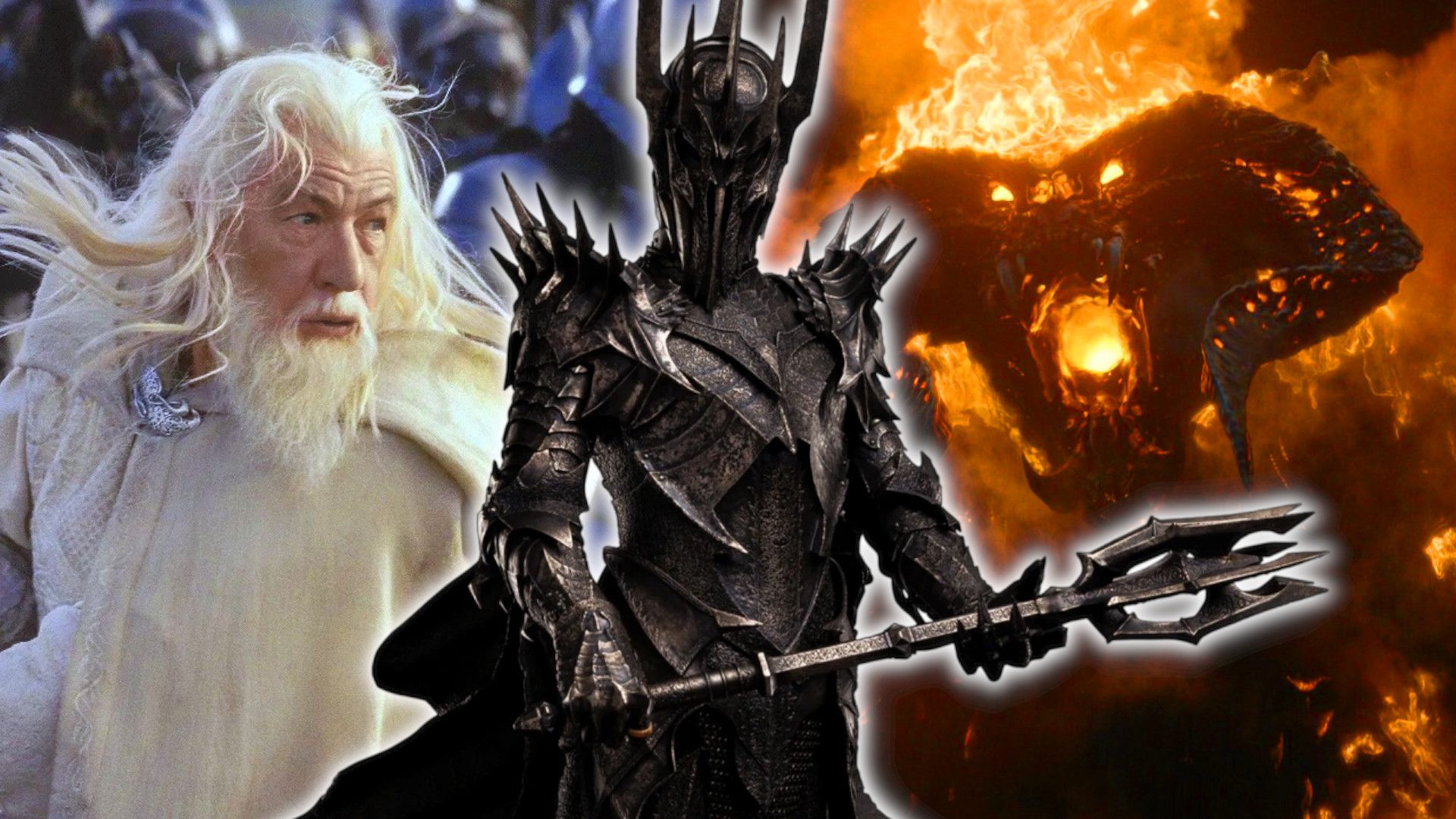
The perception of power in J.R.R. Tolkien’s legendarium is often confounded by titles and outward displays of authority. While Gandalf the White is frequently viewed as the pinnacle of the Istari’s power, his transition from the Grey was a refinement of purpose rather than a raw increase in martial or magical potency over his peer, Saruman. Saruman the White remained the head of the order by design and lore, and his lack of strength ultimately stemmed from the corruption of his intent rather than a deficit in his inherent capabilities or status.
Contents
The Hierarchy of the Istari: Defining the Order
To understand the balance of power, one must first recognize the nature of the Istari. They were not merely "wizards" in the human sense of spellcasters; they were Maiar—angelic beings sent by the Valar to Middle-earth to assist the Free Peoples in their struggle against Sauron.
When they were sent in the Third Age, they were clothed in the bodies of old men, which limited their original power. Among them, Saruman was chosen as the leader. He was the most studied, the most skilled in the lore of the Rings of Power, and the primary diplomat among the Council of the Wizards. Gandalf, while wise, was secondary in status to Saruman during their time in Middle-earth. The "White" designation was not a measurement of the highest power, but a title denoting the head of the order, akin to a head of state or a lead scholar.
The Nature of Saruman’s Power
Saruman’s strength was characterized by his intellect, his influence over others, and his deep, obsessive study of Sauron’s methods. He was effectively the "stronger" of the two in terms of traditional leadership, logistical control, and political maneuvering for the majority of the Third Age.
However, Saruman’s strength was inherently brittle because it relied on the assumption that he could out-think and eventually dominate the Enemy. By studying the Rings of Power and attempting to replicate Sauron’s success, Saruman moved away from the mandate given to him by the Valar. He ceased to be a shepherd of the Free Peoples and became a competitor to the Dark Lord. This transition created a fundamental flaw: his power became self-serving. In Tolkien’s moral universe, power that turns inward or seeks dominion over others is inherently "weaker" than power aligned with the greater good, as it inevitably leads to paranoia, isolation, and eventual betrayal of the self.
Why Gandalf the White Was Not "Stronger" in Raw Ability
When Gandalf returned as Gandalf the White, many readers assume he gained a massive influx of power that made him objectively superior to Saruman. In truth, Gandalf the White was an iteration of the same Maia, but with the "brakes" removed.
The primary difference was not that Gandalf became more powerful than Saruman, but that he was now more effective at his mission. As Gandalf the Grey, he was fearful of his own power and tempered his influence to avoid becoming a tyrant. As the White, he was authorized by the divine powers (the Valar) to wield his authority with greater certainty. He was, in essence, the "replacement" for Saruman. When Gandalf confronted Saruman at Orthanc, he did not defeat him through superior magic, but through superior moral authority. He cast Saruman out of the order, stripped him of his staff, and revoked his title because Saruman had forfeited his right to lead through his fall into evil.
Comparative Dynamics of the Wizards
The following table illustrates the conceptual differences between the two entities based on their roles and trajectories in Middle-earth.
| Feature | Saruman the White | Gandalf the White |
|---|---|---|
| Primary Attribute | Intellect and Organization | Wisdom and Encouragement |
| Source of Authority | Assigned by the Valar (Head) | Transformed to complete the mission |
| Approach to Evil | Attempting to control it | Supporting resistance against it |
| Outcome | Fall due to pride and corruption | Success through humility and sacrifice |
| Relationship to Power | Viewed as an end goal | Viewed as a tool for the mission |
The Role of Moral Agency in Magical Strength
In the context of Middle-earth, "strength" is almost never synonymous with offensive capability. If strength were purely defined by magical output, Sauron or Saruman might have been considered "stronger" than Gandalf for much of the war.
However, Tolkien posits that the power to influence others, to inspire hope, and to act in accordance with the design of Eru Ilúvatar is the only true measure of strength. Saruman failed because he tried to impose his will upon the world. He lost his strength because his will became fractured; he was consumed by his own machinery, his own lies, and his own greed.
Gandalf the White was "stronger" only in the sense that he was aligned with reality. He accepted that he could not win the war alone, and he accepted the limits of his own mortality while in his physical form. By embracing the role of a guide rather than a commander, he avoided the traps that ensnared Saruman.
Frequently Asked Questions
Did Gandalf become more powerful after he died?
Gandalf did not necessarily increase in raw magical output. Instead, he was returned to Middle-earth by the Valar to finish the task he had begun. The transition from Grey to White allowed him to act with the authority that Saruman had abandoned, enabling him to command, lead, and influence others more directly without the hesitation he displayed as the Grey.
Why couldn't Saruman defeat Gandalf?
Saruman could not defeat Gandalf because his heart was no longer in his work. He was hampered by his desire for the One Ring and his fear of Sauron. When Gandalf approached him at Orthanc, Saruman was already a diminished entity, his spirit broken by his own treachery and his obsession with things he could not control.
Was Saruman the most powerful of the Istari?
Yes, in terms of initial lore and assignment. He was the wisest in the arts of the Enemy and the most learned. His failure was not due to a lack of power, but due to a moral failure that rendered his great power ineffective.
Why is Gandalf considered the only successful wizard?
Of the five Istari, Saruman fell to corruption, Radagast became distracted by the natural world and abandoned his mission, and the Blue Wizards disappeared into the East. Gandalf is the only one who remained steadfast in the mission of the Valar, never seeking to rule, only to guide the inhabitants of Middle-earth to their own victory.
Final Perspective on Wizarding Authority
The lesson of the White Wizard is a core tenet of Tolkien’s philosophy: power is a test, not a privilege. Saruman was "stronger" by every measurable metric of the world—he had the tower, the industry, the knowledge, and the rank. Yet, he is remembered as the one who failed, while Gandalf is remembered as the savior. True strength in this narrative is defined by the refusal to claim dominion and the willingness to sacrifice one’s own standing for the sake of the greater mission.
The next time you re-examine the history of the Third Age, consider that Gandalf’s victory was not won through a spell or a show of force, but through the consistent application of his purpose. The status of "The White" was merely a reflection of the mantle of responsibility, one that Saruman discarded and Gandalf, through his sacrifice, eventually picked up to ensure the survival of the West.
Image Gallery