Navigating the Best Life Insurance Options for Kids in New York
Choosing the best life insurance for kids in New York involves balancing the desire for long-term financial planning with the state’s specific regulatory framework. Most parents seek policies that lock in insurability at a young age, p...
Choosing the best life insurance for kids in New York involves balancing the desire for long-term financial planning with the state’s specific regulatory framework. Most parents seek policies that lock in insurability at a young age, provide a cash-value component for future educational or startup costs, and remain affordable throughout the child’s youth and transition into adulthood.
Contents
Understanding Juvenile Life Insurance in New York
Juvenile life insurance, often referred to as a "child policy," is a form of permanent coverage—typically whole life—purchased on the life of a minor. Unlike term life insurance, which provides coverage for a set period, permanent policies remain in effect as long as premiums are paid and the policy is maintained.
In New York, the sale of life insurance is heavily regulated by the New York State Department of Financial Services (DFS). When purchasing a policy for a minor, the owner of the policy is usually the parent or legal guardian. The child is the "insured," and the policyowner holds the rights to manage the account, pay premiums, and eventually transfer ownership to the child once they reach the age of majority, which is 18 in New York.
Primary Drivers for Purchasing Coverage
Parents in New York generally consider life insurance for children for three primary reasons:
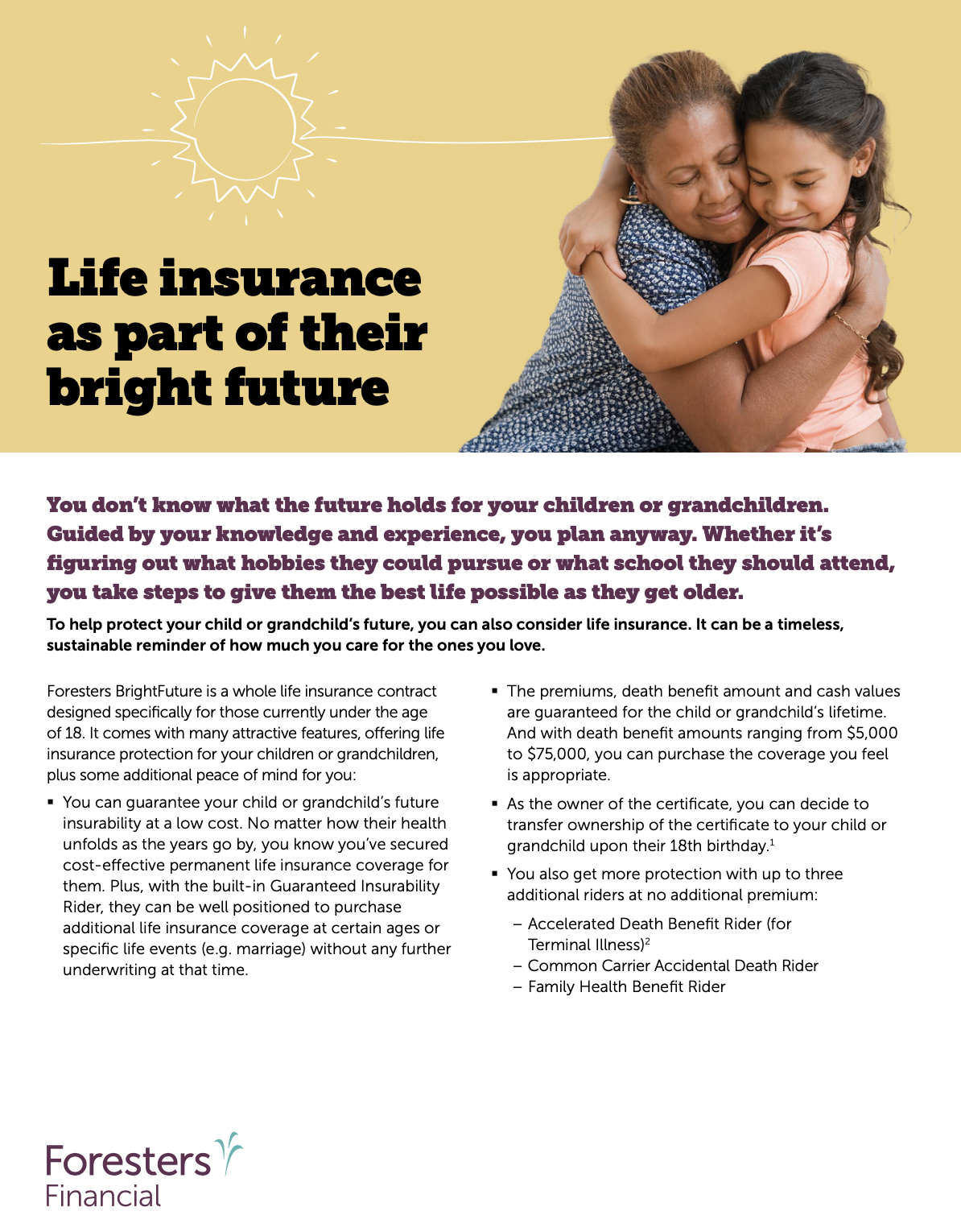
- Guaranteed Insurability: One of the most significant benefits is the "guaranteed insurability rider." This allows the child to purchase additional coverage at specific future ages or life events—such as marriage or the birth of their own children—regardless of their future health status. This protects them if they develop a medical condition later in life that would otherwise make them uninsurable.
- Cash Value Accumulation: Whole life policies accumulate a "cash value" over time. This portion of the premium earns interest or dividends, depending on the insurer. By the time the child reaches their 20s, this account can serve as a supplemental source of funds for college tuition, a down payment on a first home, or seed money for a business.
- Locking in Low Premiums: Premiums for children are exceptionally low because the risk of death is statistically very small and the child is in prime health. By purchasing a policy early, you secure a premium rate that remains level for the life of the contract.
Evaluating Policy Types
When comparing the best life insurance for kids, you will primarily encounter two categories: Whole Life and Universal Life.
- Whole Life Insurance: This is the most common choice for minors. It offers a fixed premium, a guaranteed death benefit, and a guaranteed cash value growth rate. The simplicity and predictability of whole life make it a conservative, low-risk financial tool for parents.
- Universal Life Insurance: This offers more flexibility regarding premium payments and the potential for higher cash value growth, but it carries more risk. If market performance is poor, the policyholder may need to pay higher premiums to keep the policy active. For most parents looking for a simple, "set-it-and-forget-it" plan, whole life is the preferred standard.
Regulatory Considerations in New York
New York is an "admitted" market, meaning the companies operating there must be licensed by the DFS. This provides a layer of consumer protection that is more robust than in some other states. When evaluating carriers, you should verify their standing via the DFS portal.
Additionally, New York insurance law places limits on the amount of insurance that can be purchased on the life of a child. While these limits are generally high enough to accommodate standard planning needs, it is important to discuss specific face-amount caps with a licensed broker.
Comparison Table: Key Features to Consider
| Feature | Whole Life Policy | Universal Life Policy |
|---|---|---|
| Premium Stability | Fixed and Guaranteed | Flexible/Variable |
| Cash Value Growth | Guaranteed Minimums | Linked to Market Indices |
| Complexity | Low | Moderate to High |
| Ideal Use Case | Long-term savings/Insurability | Strategic wealth transfer |
| Risk Level | Low | Moderate |
Important Steps Before Purchasing
Before finalizing a policy, follow these structured steps to ensure you are selecting the best path for your child’s financial future:
- Assess Financial Objectives: Determine if your primary goal is to provide a "nest egg" for the child’s future or if you are primarily interested in the guarantee of future insurability.
- Evaluate the Carrier’s Financial Strength: Since these policies are intended to last for decades, look at the insurer’s financial strength ratings from agencies such as AM Best or Fitch. A strong rating suggests the company will have the capital to fulfill its obligations 20 or 30 years from now.
- Review the Transferability: Ensure the contract includes clear language on how ownership of the policy is transferred to the child upon adulthood.
- Analyze Dividends: If you choose a "participating" whole life policy, ask the agent how dividends are calculated. While dividends are never guaranteed, they can significantly increase the cash value of the policy over time.
Potential Pitfalls and Common Mistakes
One of the most common mistakes parents make is treating life insurance as a high-yield investment vehicle. It is not designed to outperform the stock market. Instead, it should be viewed as a safe, tax-advantaged financial foundation.
Another error is failing to maintain the policy. If life becomes busy and premiums are missed, the policy may lapse. While some policies have "automatic premium loan" features that pay premiums from the cash value to prevent a lapse, these should not be relied upon as a primary management strategy. Always set up automatic payments to ensure the policy remains in good standing.
Frequently Asked Questions
Is life insurance for kids necessary? It is not a financial necessity in the way that health or auto insurance is. However, it is an effective financial planning tool to guarantee a child's future insurability and provide a head start on savings.
Can I buy a policy for a grandchild? Yes, grandparents can purchase and own life insurance policies for their grandchildren. You will generally need to provide the child's social security number and the parents' consent.
How does the cash value become available? Once the policy has accrued enough cash value, you can typically borrow against it through a policy loan or withdraw a portion of the value. Note that taking a loan will reduce the death benefit if not repaid.
What happens if the child doesn't want the policy later? The policy owner—whoever pays the premiums—can surrender the policy for the cash value, or the child can choose to take over the premiums once they reach the age of majority.
Are there tax implications? In general, the death benefit is income-tax-free, and the growth of cash value is tax-deferred. You should consult with a tax professional regarding your specific financial situation in New York.
Can I increase the death benefit later? Only if the policy includes specific riders, such as a "guaranteed purchase option" or "guaranteed insurability rider." This is why choosing a policy with this feature is highly recommended.
Recommendation
If you are moving forward with a policy, prioritize carriers that have a long history of paying dividends and strong financial ratings. Contact a licensed insurance broker in New York who specializes in permanent life products rather than focusing on a single brand. Ask specifically for a "whole life illustration" that shows the guaranteed cash values vs. the projected non-guaranteed values. This transparency will allow you to make an informed decision based on the guaranteed floor of the policy.
Image Gallery