How to Start a Family Trust: A Comprehensive Guide to Asset Protection and Estate Planning
Establishing a family trust is a strategic method for managing, protecting, and distributing assets to heirs while maintaining control over how and when those resources are utilized. By transferring property into a legal entity managed...
Establishing a family trust is a strategic method for managing, protecting, and distributing assets to heirs while maintaining control over how and when those resources are utilized. By transferring property into a legal entity managed by a trustee, you can bypass the time-consuming and public nature of the probate process, potentially reduce estate tax burdens, and provide long-term financial structure for beneficiaries.
Contents
Understanding the Role of a Family Trust
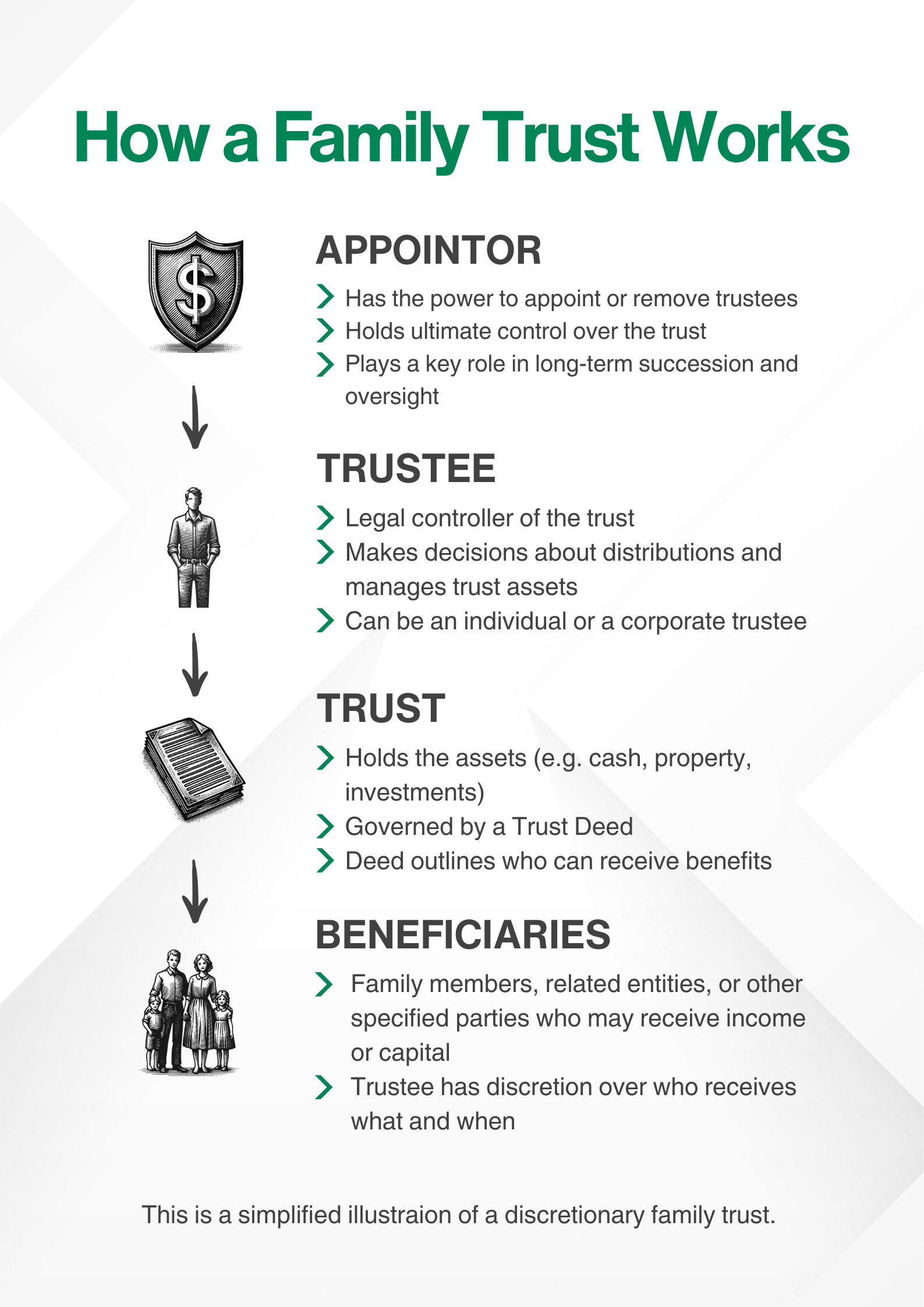
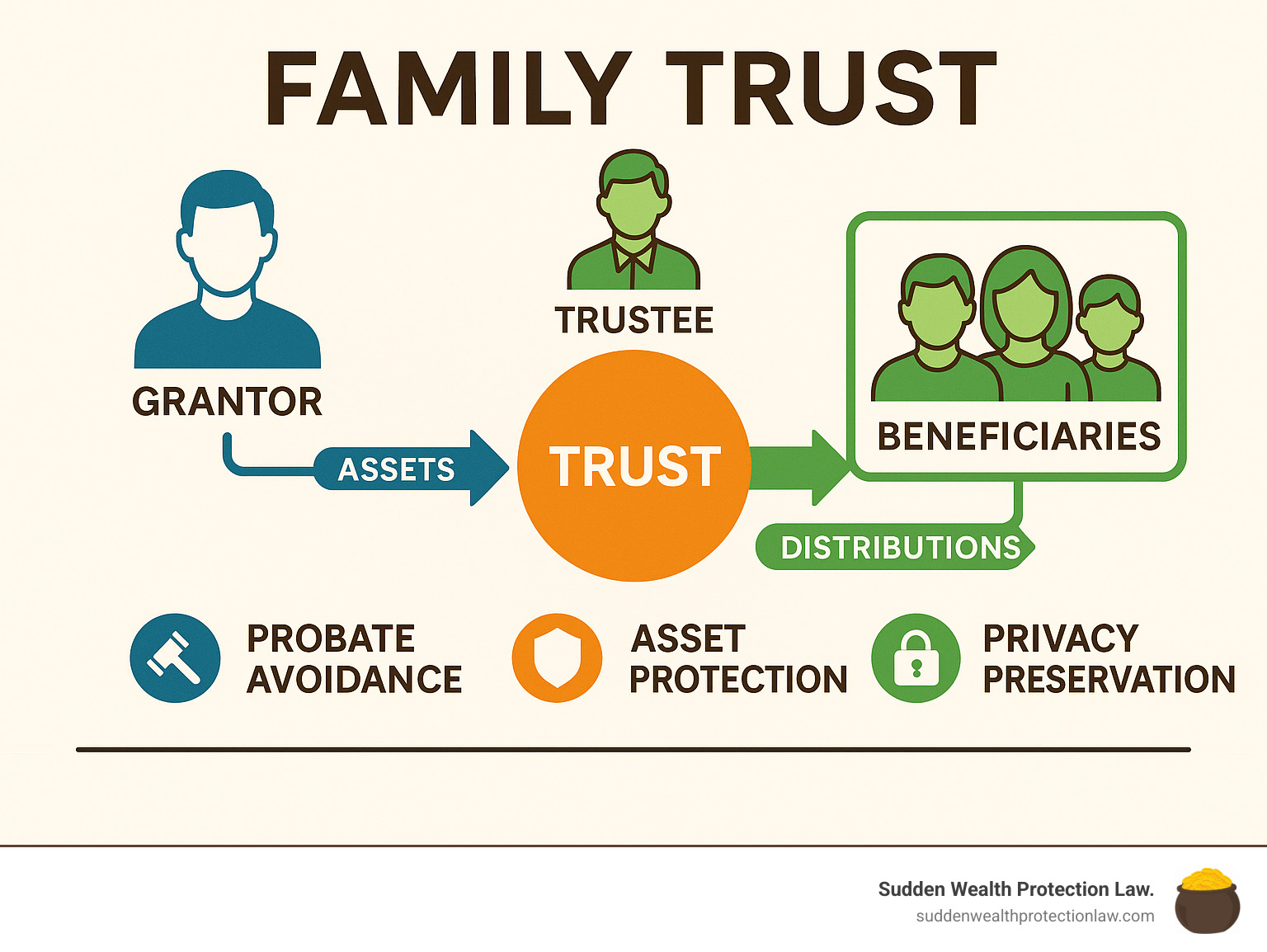
A family trust—often structured as a revocable living trust—is a legal arrangement where a grantor (the creator) transfers the title of their assets to a trust. The trust is then managed by a trustee for the benefit of designated beneficiaries.
Unlike a will, which only takes effect upon death, a trust operates during your lifetime. This distinction is critical because it allows the trust to manage assets if you become incapacitated, ensuring that your financial affairs continue without court intervention. When you pass away, the assets held within the trust pass directly to your beneficiaries according to your specific instructions, avoiding the probate court’s supervision, which can be costly and prone to public disclosure.
Essential Prerequisites Before Formation
Before drafting documents, you must perform a thorough inventory of your assets. A trust is only effective if it is properly "funded," meaning the legal ownership of assets must be transferred from your name into the name of the trust.
- Asset Audit: List all real estate, bank accounts, investment portfolios, business interests, and personal property.
- Beneficiary Identification: Determine exactly who will receive the assets, in what proportions, and under what conditions.
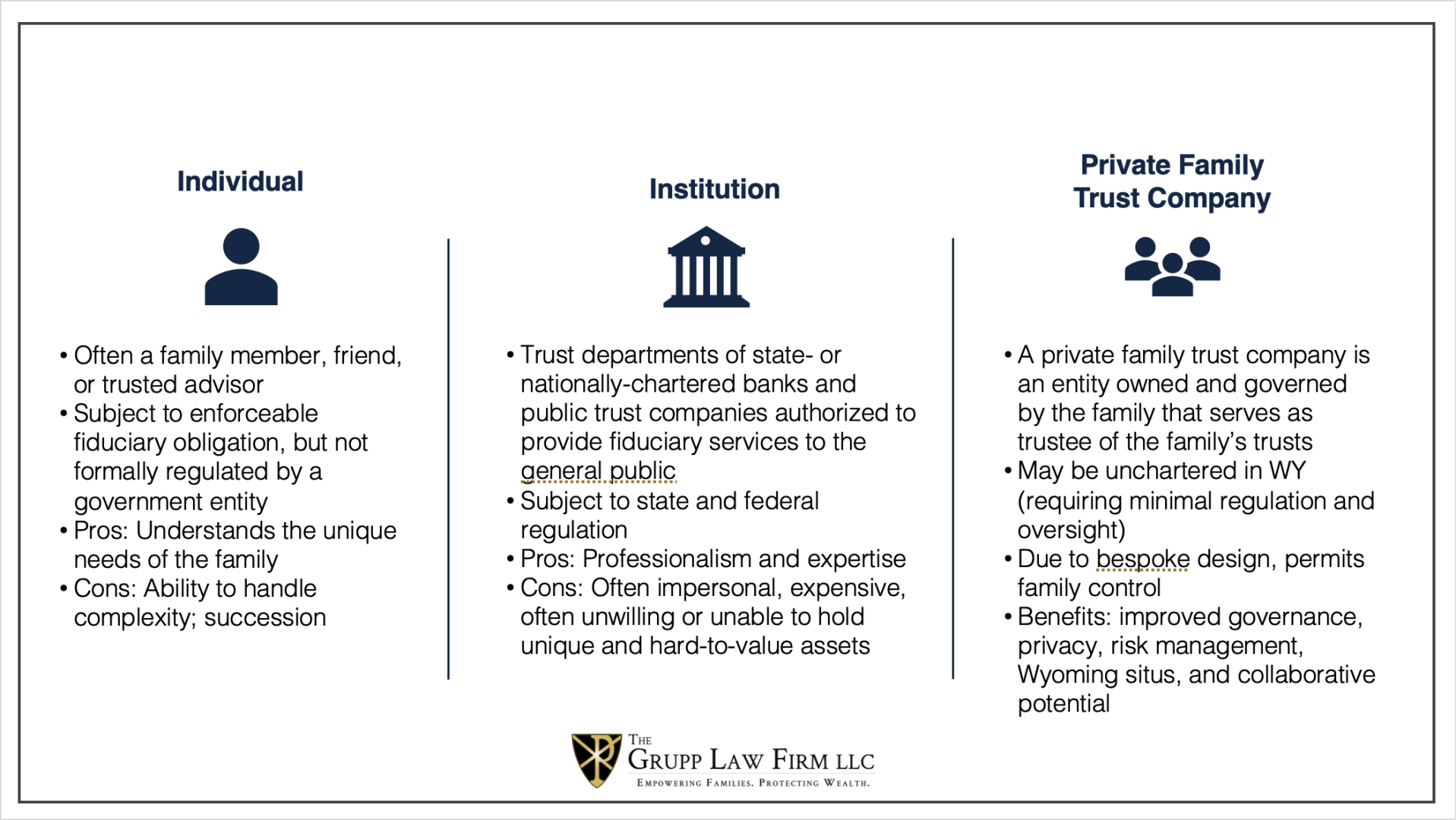
- Trustee Selection: Choose a successor trustee who will manage the trust after your death or incapacitation. This individual must be trustworthy, organized, and capable of handling financial matters.
- Professional Consultation: Estate laws are highly jurisdiction-specific. Consult with an attorney specializing in trust and estate law to ensure your documentation complies with local statutes.
The Procedural Steps to Establish the Trust
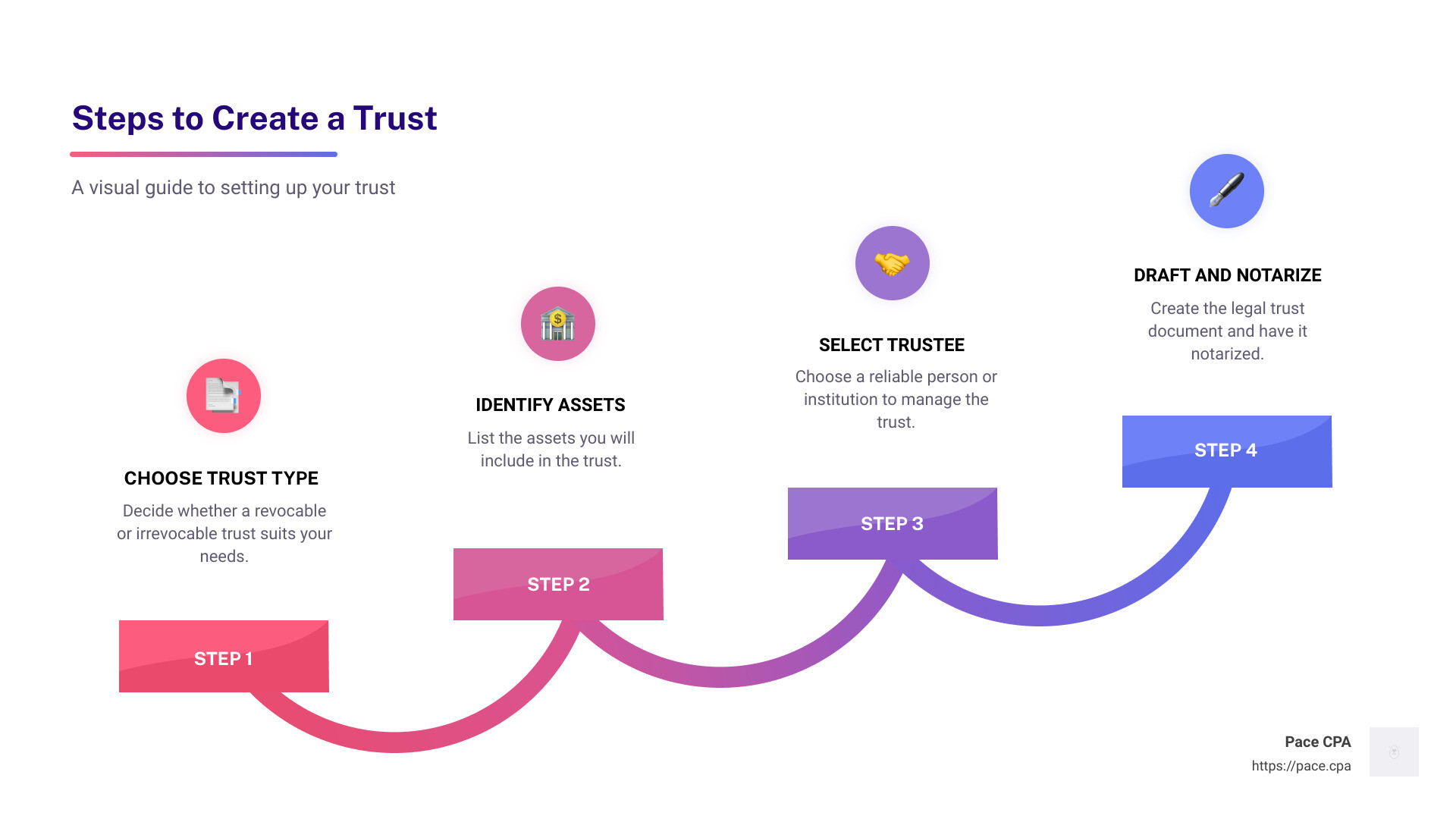
The formation process generally follows a standardized legal sequence designed to ensure the entity is recognized by financial institutions and tax authorities.
1. Drafting the Trust Agreement
The trust agreement is the foundational legal document. It outlines the powers of the trustee, the rights of the beneficiaries, the conditions for distributions, and the procedures for amending or revoking the trust. Even if you use software templates, having a licensed attorney review the document is a primary safeguard against future litigation or administrative failure.
2. Executing the Documents
The document must be signed, ideally in the presence of a notary public, to verify your identity and confirm your intent. In many jurisdictions, this step provides a "self-proving" affidavit that simplifies the later verification of your signature.
3. Formal Funding of the Trust
This is the most critical stage. A trust without assets is an empty shell. You must retitle assets:
- Real Estate: File new deeds (such as a Quitclaim or Grant Deed) with the county recorder’s office to transfer property into the name of the trust.
- Financial Accounts: Contact your banks and brokerage firms. Provide them with a "Certification of Trust" or the trust document to update account ownership to the trust’s name.
- Business Interests: If you own a company, you may need to update the operating agreement or stock certificates to reflect the trust as the shareholder or member.
4. Establishing a Tax Identity
For a revocable living trust, you generally use your own Social Security number while you are alive. However, if the trust becomes irrevocable upon your death, or if you utilize certain complex tax structures, you will need to apply for a separate Employer Identification Number (EIN) from the Internal Revenue Service (IRS).
Comparison of Estate Planning Tools
| Feature | Will | Revocable Living Trust | Power of Attorney |
|---|---|---|---|
| Probate Required | Yes | No | N/A |
| Privacy | Public Record | Private | Private |
| Incapacity Protection | None | Yes | Yes |
| Cost to Set Up | Low | Moderate to High | Low |
| Asset Control | Direct | Through Trustee | Through Agent |
Operational Limitations and Common Mistakes
One of the most frequent errors is "forgetting" to transfer new assets into the trust. If you purchase a new home or open a new investment account and keep it in your personal name, those assets will likely fall into probate, undermining the very reason you created the trust.
Another pitfall is the failure to choose a secondary, contingent beneficiary. If your primary beneficiary predeceases you, the trust document must provide a clear path for distribution to avoid ambiguity or potential legal disputes among remaining family members. Furthermore, ensure you understand the difference between revocable and irrevocable trusts. A revocable trust offers maximum flexibility but provides fewer protections against creditors. Conversely, an irrevocable trust—which cannot be easily modified—may offer significant estate tax advantages and creditor protection but at the cost of losing control over the assets.
FAQ: Addressing Common Concerns
What is the difference between a trustee and an executor? An executor manages a will and must navigate the probate process. A trustee manages the assets held within a trust, usually avoiding probate entirely. You may appoint the same person for both roles, but their legal responsibilities are distinct.
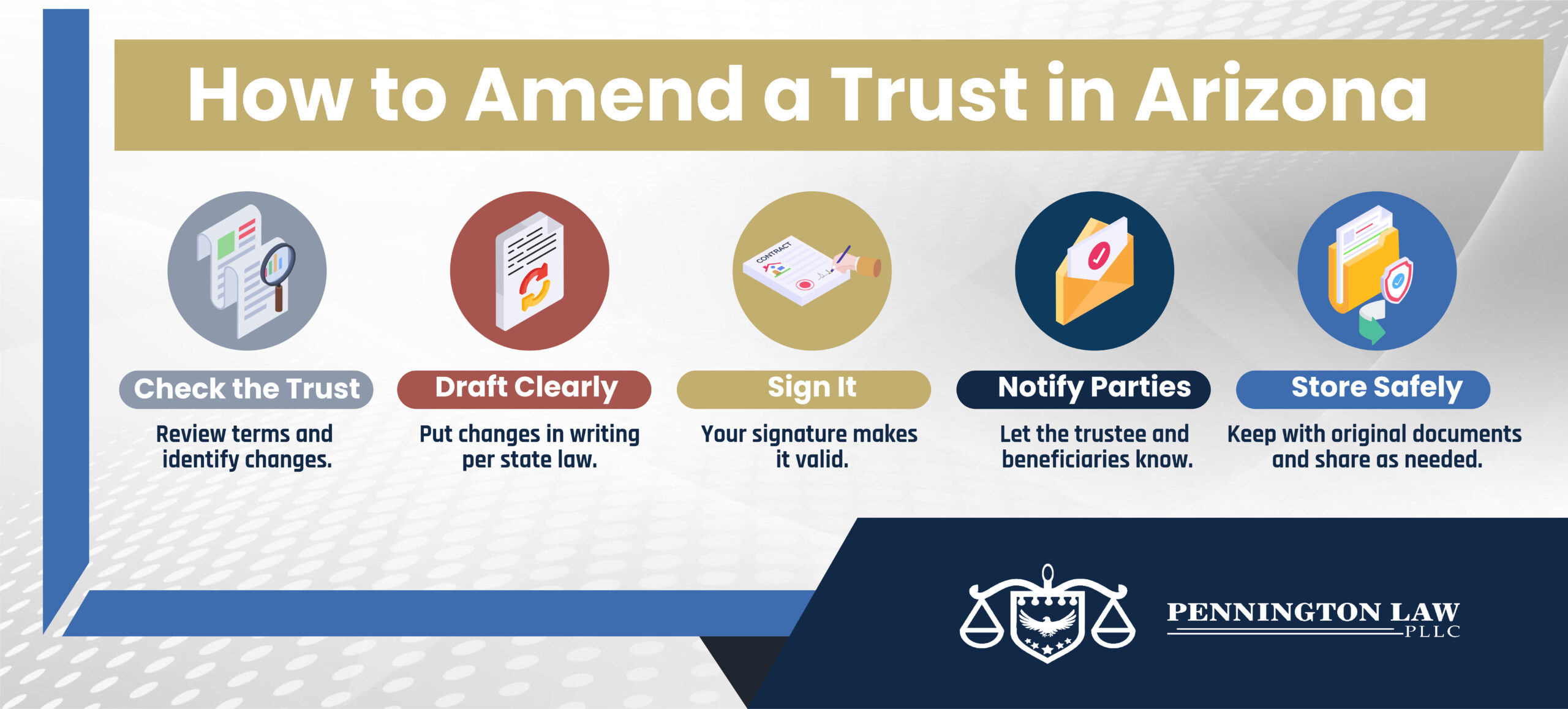
Can I modify my family trust after it is created? If you have created a revocable living trust, you generally retain the right to amend or dissolve it at any time during your lifetime. Once you become incapacitated or pass away, the trust typically becomes irrevocable.
How much does it cost to start a family trust in 2026? Costs vary significantly based on the complexity of your estate and your geographic location. Attorney fees typically range from $2,000 to $6,000 for standard family trust packages. Additional costs may include filing fees for property deeds and notary services.
Do I need a trust if I have a small estate? Trusts are not just for the wealthy. If you own real estate, a trust can prevent your home from being tied up in a lengthy, expensive court process, making it a valuable tool for families of all income levels to ensure a seamless transfer of assets.
What happens if I forget to fund the trust? If an asset remains in your name rather than the trust's name, it will likely be subject to probate. Many attorneys include a "pour-over will" as a safety net, which instructs that any assets left outside the trust be transferred into the trust upon your death—though these assets will still likely go through the probate process first.
Next Steps and Recommendations
To move forward, begin by organizing a comprehensive statement of your assets and liabilities. Schedule a consultation with an estate planning attorney in your jurisdiction to discuss your goals for distribution and creditor protection. Prioritize the transfer of your most significant assets, specifically real estate and primary investment accounts, as these provide the most immediate benefit in avoiding probate. Always keep your trust documents in a secure, fireproof location and ensure your successor trustee knows exactly where to find them and how to access the trust’s financial records.
Image Gallery