The Role of Bill Murray in Global Public Health and Disease Advocacy
Bill Murray, specifically the veteran official within the World Health Organization (WHO), played a foundational role in modern public health by transforming the communication and advocacy infrastructure of the Global Malaria Programme...
Bill Murray, specifically the veteran official within the World Health Organization (WHO), played a foundational role in modern public health by transforming the communication and advocacy infrastructure of the Global Malaria Programme. His work was instrumental in elevating malaria from a neglected disease to a global financing priority, primarily through the strategic coordination of the Roll Back Malaria partnership and the standardization of the World Malaria Report.
Contents
Disambiguating "Bill Murray" in the Health Sector
In the landscape of public health, the name Bill Murray refers to two distinct influences. The primary technical figure is William "Bill" Murray, a long-serving communications and strategy official at the World Health Organization (WHO). Unlike the cinematic icon, this Bill Murray operated at the intersection of international policy and epidemiology, serving as the voice of the WHO’s Global Malaria Programme for over a decade.
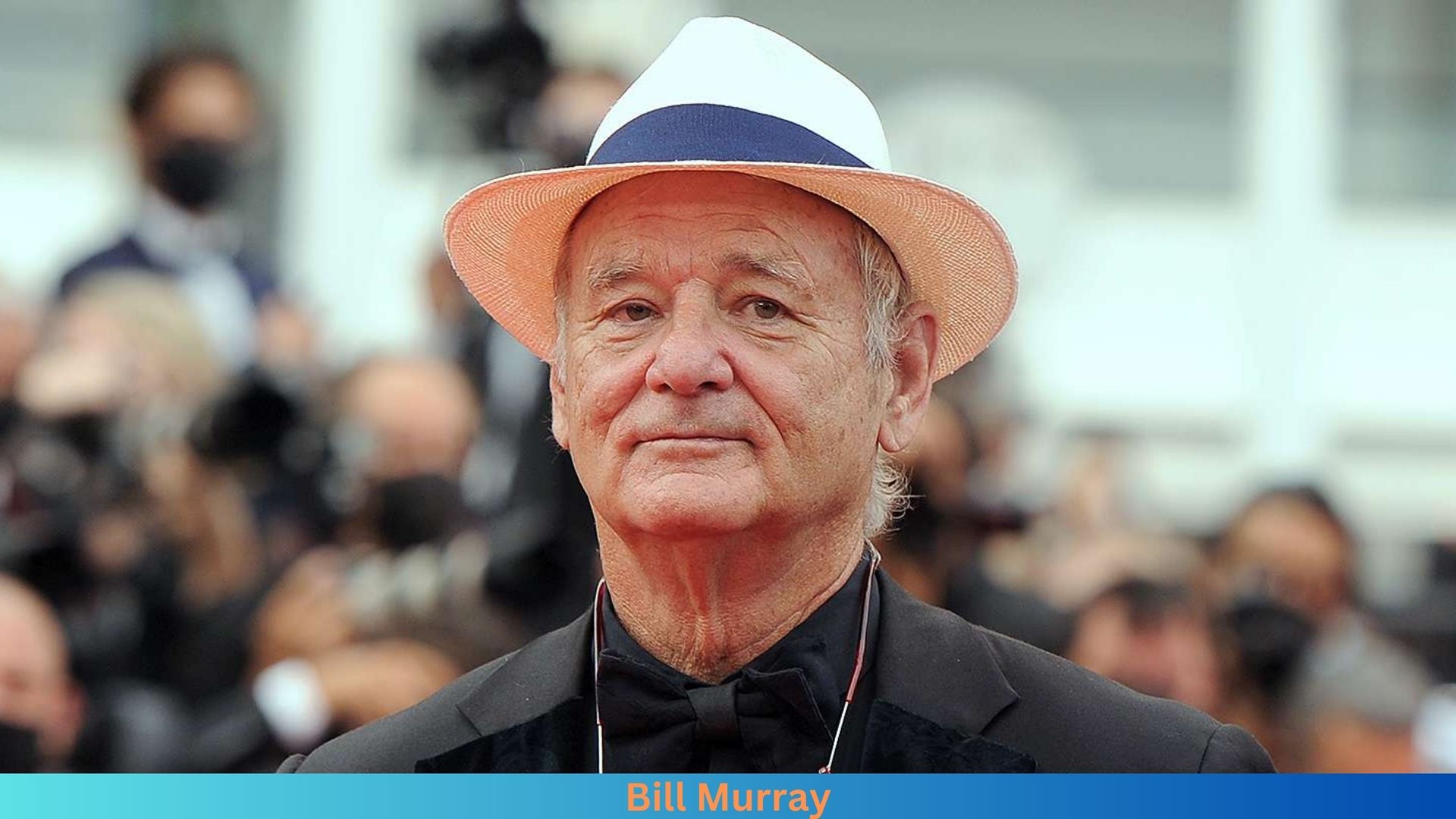
However, the actor Bill Murray has also played a secondary, "soft power" role in public health. Through his participation in the END7 campaign and other initiatives targeting Neglected Tropical Diseases (NTDs), the actor helped bridge the gap between complex medical crises and public awareness. While the health official provided the technical and strategic framework, the actor provided the cultural visibility. Understanding the "role" of Bill Murray in public health requires analyzing how both professional strategy and celebrity advocacy have combined to influence global health outcomes through 2026.
Strategic Leadership in the WHO Global Malaria Programme
The most significant technical contribution associated with the name Bill Murray lies in the stabilization of global malaria messaging during the early 2000s and 2010s. As a senior spokesperson and strategist for the WHO, Bill Murray (the official) was tasked with a challenge that many public health experts struggle with: making "silent" endemic diseases visible to Western donors and local governments.
The Evolution of the World Malaria Report
One of Murray’s most enduring legacies was his role in the development and dissemination of the World Malaria Report. Prior to the mid-2000s, data regarding malaria prevalence was often fragmented and inconsistently reported. Under the guidance of the Global Malaria Programme’s leadership, including Murray’s communications efforts, the report became the definitive gold standard for global health metrics.
His role involved:
- Data Translation: Converting complex epidemiological data into actionable policy briefs for health ministers.
- Resource Mobilization: Using annual report findings to justify the funding requirements of the Global Fund to Fight AIDS, Tuberculosis, and Malaria.
- Accountability: Establishing a framework where countries were held accountable for progress in vector control (bed nets) and case management (ACT treatments).
Roll Back Malaria (RBM) Partnership
Bill Murray was a key figure in the Roll Back Malaria Partnership, a global platform designed to coordinate action between the WHO, UNICEF, UNDP, and the World Bank. His role was to ensure that the partnership’s diverse stakeholders—ranging from pharmaceutical companies to grassroots NGOs—spoke with a unified voice. This coordination was critical during the transition from "Malaria Control" to "Malaria Elimination," a strategic shift that has defined the public health landscape leading up to 2026.
Communication as a Public Health Intervention
In the technical sphere, communication is not merely "public relations"; it is a clinical and social intervention. Bill Murray’s work at the WHO emphasized the "Why" and "How" of behavioral change. Public health requires more than just the delivery of medicines; it requires the social license to operate in complex environments.
Overcoming "Donor Fatigue"
By the mid-2010s, public health faced significant "donor fatigue." Murray’s strategy involved shifting the narrative from the tragedy of infection to the economic benefits of eradication. By highlighting how malaria reduction leads to increased GDP in sub-Saharan Africa, he helped secure long-term financial commitments from organizations like the Bill & Melinda Gates Foundation.
Crisis Management and Misinformation
Throughout his tenure, Murray had to navigate several public health crises, including the rise of drug-resistant malaria in the Greater Mekong Subregion. His role was to manage the global response, ensuring that the alarm was sounded without causing panic that could destabilize local health systems or travel markets. This required a high level of technical depth, as he had to explain the nuances of artemisinin resistance to non-specialist audiences.
The Cultural Impact: Celebrity Advocacy and NTDs
While the WHO official worked on the policy side, Bill Murray the actor became a face for the END7 campaign, an initiative by the Global Network for Neglected Tropical Diseases. This campaign targeted seven specific diseases, including lymphatic filariasis (elephantiasis), trachoma, and river blindness.
The Mechanics of the END7 Campaign
The campaign utilized celebrity influence to highlight that these seven diseases could be treated for approximately 50 cents per person per year. Bill Murray’s participation was strategic:
- Humanizing the Data: He helped translate the "burden of disease" into human stories.
- Low-Cost Solutions: By focusing on the affordability of the cure, his advocacy helped drive small-dollar donations that funded mass drug administration (MDA) programs.
- Cross-Sector Visibility: His involvement brought public health issues into late-night talk shows and mainstream media, reaching demographics that would never read a WHO technical brief.
Comparative Contributions to Public Health
The following table distinguishes the roles played by the two prominent figures named Bill Murray in the broader public health ecosystem.
| Feature | Bill Murray (WHO Official) | Bill Murray (Actor/Philanthropist) |
|---|---|---|
| Primary Domain | Global Health Policy & Strategy | Public Awareness & Fundraising |
| Key Organization | World Health Organization (WHO) | Global Network for Neglected Tropical Diseases |
| Primary Disease Focus | Malaria (P. falciparum and P. vivax) | Lymphatic Filariasis, Soil-transmitted Helminths |
| Main Contribution | Development of the World Malaria Report | END7 "Fifty Cents" Campaign |
| Technical Depth | High: Epidemiology and Resource Management | Moderate: Social Advocacy and Human Impact |
| Audience | Health Ministers, Donors, NGOs | General Public, Potential Small Donors |
| Legacy Tool | Global Technical Strategy for Malaria | Social Media Advocacy for NTDs |
The 2026 Perspective: Long-term Impacts on Public Health
As we look at the state of public health in 2026, the influence of these efforts is evident in the current infrastructure of disease surveillance. The strategies championed by the WHO’s Bill Murray—specifically the emphasis on real-time data reporting and integrated vector management—have become the blueprint for responding to other mosquito-borne threats like Zika and Dengue.
Furthermore, the "celebrity advocacy" model proved that public health cannot exist in a vacuum. The successes seen in reducing the prevalence of NTDs in Southeast Asia and parts of Africa by 2026 can be traced back to the funding surges generated by the high-visibility campaigns of the 2010s.
Prerequisites for Public Health Success
Reflecting on Murray’s role, several prerequisites emerge for any successful public health initiative:
- Consistent Metrics: Without the standardized reporting seen in the World Malaria Report, funding remains sporadic.
- Unified Messaging: Conflict between major health bodies (WHO vs. CDC vs. Regional NGOs) confuses the public and donors alike.
- Accessible Narratives: Complex biological processes (like parasite resistance) must be translated into social consequences to maintain political will.
Frequently Asked Questions
Was Bill Murray the actor ever a health official?
No. While Bill Murray the actor has been a prominent supporter of global health initiatives, particularly the END7 campaign to eliminate neglected tropical diseases, he has never held a technical or official position within a health organization like the WHO. The "Bill Murray" often cited in technical WHO documents is a career international civil servant and communications strategist.
What is the most significant health achievement associated with Bill Murray (WHO)?
His most significant achievement was the professionalization of the World Malaria Report. By making the data more accessible and using it as a tool for political advocacy, he helped secure the billions of dollars in funding required to distribute over two billion insecticide-treated bed nets and millions of courses of life-saving medicine between 2000 and 2025.
How did Bill Murray contribute to the END7 campaign?
Bill Murray the actor participated in a high-profile video campaign alongside other celebrities. The goal was to raise awareness for a "blister pack" of pills that could treat seven different tropical diseases. His role was to leverage his "everyman" persona to convince the public that global health problems are solvable with very small individual contributions (the "50 cents" model).
Why is Bill Murray’s role in malaria so frequently cited in public health studies?
He is cited because his tenure coincided with the most successful period of malaria reduction in human history. Between 2000 and 2015, malaria mortality rates fell by 60%. Researchers study his communication strategies to understand how to maintain global focus on a single disease over a multi-decade period.
Did Bill Murray work on the COVID-19 response?
The WHO official, Bill Murray, was primarily involved in the Malaria Programme, but his work on global health coordination and the Roll Back Malaria partnership provided many of the "lessons learned" for the COVAX initiative and other global responses to the COVID-19 pandemic. His focus on equitable access to tools (like nets and diagnostic tests) is a direct precursor to modern vaccine equity strategies.
Practical Recommendation for Public Health Professionals
For those working in public health today, the dual "roles" of Bill Murray offer a vital lesson: technical excellence is ineffective without strategic communication. Whether you are managing a local clinic or a global vaccine rollout, you must balance the "Official" Murray's commitment to data and rigorous reporting with the "Actor" Murray's ability to engage the public's empathy and attention.
To replicate this success, practitioners should focus on building robust monitoring and evaluation (M&E) frameworks while simultaneously developing a "social narrative" for their data. High-quality data prevents waste, but high-quality storytelling secures the budget to collect that data in the first place.
Image Gallery