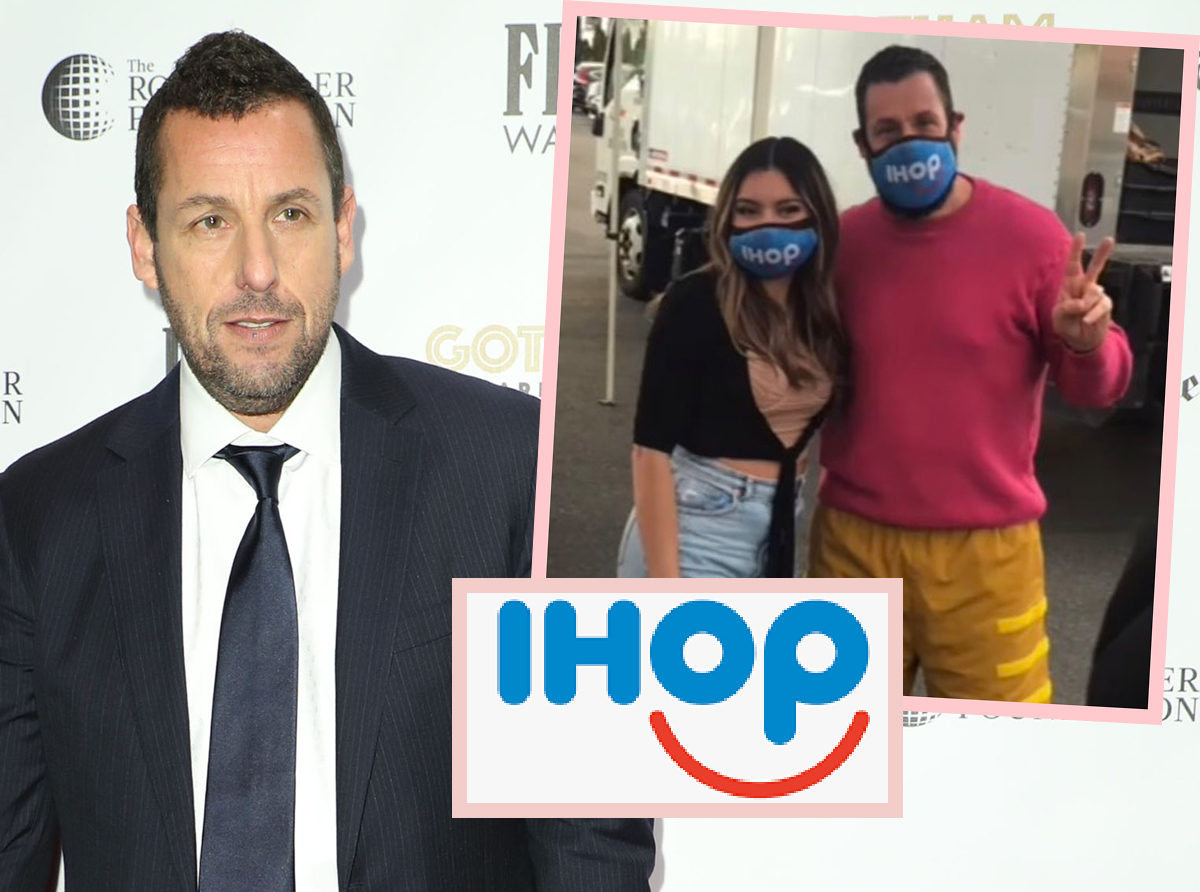
Adam Sandler Donations: A Closer Look at Celebrity Giving
Adam Sandler has contributed millions of dollars to charitable causes throughout his career, most notably a $1 million donation to the Boys & Girls Club in his hometown of Manchester, New Hampshire. His philanthropic portfolio prioriti...
Adam Sandler has contributed millions of dollars to charitable causes throughout his career, most notably a $1 million donation to the Boys & Girls Club in his hometown of Manchester, New Hampshire. His philanthropic portfolio prioritizes children’s welfare, medical research, and disaster relief, often characterized by a preference for direct impact and community-level support over high-profile public galas.
Contents
As we assess the landscape of celebrity philanthropy in 2026, Adam Sandler remains a primary case study in how public figures navigate the intersection of personal wealth and social responsibility. While his onscreen persona often leans toward the "slacker" archetype, his financial track record reveals a disciplined and loyalty-driven approach to giving. Sandler’s donations are not merely tax-deduction strategies; they are reflections of his personal history and his long-standing commitment to the organizations that supported his development.
The Manchester Connection: Supporting the Boys & Girls Club
One of the most significant and well-documented instances of Sandler’s philanthropy is his deep-rooted support for the Boys & Girls Clubs of America. In 2007, Sandler made a landmark $1 million donation to the Manchester, New Hampshire, chapter. This was not a random act of kindness but a calculated reinvestment in the community where he spent his formative years.
The impact of such a donation on a local level is profound. According to the organization, these funds were utilized to modernize facilities, purchase new athletic equipment, and enhance educational technology for thousands of local youths. For Sandler, the Boys & Girls Club represents a foundational institution that provides safe environments for children to play and learn—a mission that aligns with his frequent focus on family-centric comedy.
By 2026, the legacy of this donation continues through the "Adam Sandler" designated programs in the region. This model of giving—where a celebrity targets a specific, localized branch of a national organization—is often more effective than general donations to a corporate headquarters, as it ensures the capital is deployed directly into the infrastructure of a specific community.
Diversifying the Portfolio: Health and Medical Research
Beyond community development, Sandler has consistently supported medical research and health-related advocacy. His involvement with organizations like Autism Speaks and the EB Research Partnership highlights a commitment to addressing complex health issues that often lack sufficient federal funding.
Sandler’s support for Autism Speaks has historically involved both financial contributions and the use of his platform to raise awareness. While the organization has faced various internal and external critiques over the years regarding its messaging, Sandler’s involvement has remained focused on the practical needs of families dealing with neurodivergence.
Additionally, Sandler has a history of supporting the Chris Farley Foundation, named after his late friend and "Saturday Night Live" castmate. This foundation focuses on substance abuse prevention and recovery. This specific area of giving underscores a common theme in Sandler’s life: loyalty. By funding initiatives that honor fallen colleagues, Sandler bridges the gap between personal grief and public service.
Crisis Response and Disaster Relief
Celebrity giving often shifts in response to immediate global needs. Adam Sandler has frequently stepped up during moments of acute crisis. He has been a notable contributor to Feeding America, an organization that became critical during the economic shifts of the early 2020s and continues to address food insecurity in 2026.
His contributions to disaster relief often come in the form of "quiet" donations following natural disasters. Whether it was the aftermath of hurricanes on the East Coast or wildfires in California, Sandler’s camp typically processes these donations through his production company, Happy Madison Productions, or personal accounts without the fanfare of a press release. This "low-key" approach is a hallmark of his philanthropic identity, distinguishing him from "brand-first" philanthropists who utilize charity primarily as a public relations tool.
The "Happy Madison" Model: Private Generosity and Loyalty
While not a traditional 501(c)(3) donation, any analysis of Adam Sandler’s giving must include his internal "philanthropy"—the way he distributes wealth within his professional circle. Sandler is famous in Hollywood for his extreme loyalty to his friends and recurring cast members.
By consistently hiring friends like Rob Schneider, Steve Buscemi, David Spade, and Chris Rock, Sandler ensures a steady stream of income and insurance benefits for his "crew." In the high-volatility world of entertainment, this form of reliable employment is often more valuable than a one-time cash gift. This ecosystem creates a private safety net, illustrating a different facet of "giving" that focuses on sustainable livelihoods rather than transactional charity.
Comparative Analysis of Celebrity Giving Models
To understand where Sandler fits in the broader spectrum of 2026 celebrity philanthropy, it is helpful to compare his methods with other high-net-worth individuals in the industry.
| Philanthropist | Primary Strategy | Major Beneficiary | Visibility Level |
|---|---|---|---|
| Adam Sandler | Localized & Personal | Boys & Girls Clubs | Low/Moderate |
| Oprah Winfrey | Educational Infrastructure | The Oprah Winfrey Leadership Academy | High |
| George Clooney | Human Rights Advocacy | The Sentry / Clooney Foundation | High |
| Dwayne Johnson | Individual Empowerment | Make-A-Wish Foundation | Moderate/High |
| Leonardo DiCaprio | Environmental Policy | Re:wild / Earth Alliance | High |
Sandler’s model is noticeably less "political" than Clooney’s or DiCaprio’s. He avoids polarizing policy debates, choosing instead to focus on "humanitarian basics"—food, shelter, safety, and health. This neutrality allows his philanthropic efforts to remain universally accepted, much like his broad-appeal comedies.
Verification and Transparency in Celebrity Philanthropy
For fans and analysts looking to verify celebrity donations, several hurdles exist. Most high-profile individuals utilize Donor-Advised Funds (DAFs) or private family foundations. These entities offer significant tax advantages while allowing the donor to remain anonymous if they choose.
In Sandler's case, while the $1 million donation to Manchester was public, many of his annual contributions are handled through private channels. To verify the legitimacy of a celebrity's charitable claims, one should look for:
- Form 990 Filings: For those who have their own foundations, these IRS filings disclose where the money goes.
- Organization Reports: Many charities list "Diamond" or "Platinum" level donors in their annual reports.
- Third-Party Audits: Organizations like Charity Navigator provide ratings on how efficiently a charity uses its donations, which helps validate the "quality" of a celebrity's endorsement.
The Logistics of Giving: Tax Benefits and Social Impact
It is a reality of 2026 that celebrity giving is often tied to sophisticated financial planning. Donations to registered 501(c)(3) organizations allow celebrities to reduce their taxable income, which is particularly relevant for someone like Sandler, whose Netflix deals and film residuals generate massive annual revenue.
However, the "social impact" of these dollars often exceeds the tax benefit. When a figure like Sandler puts his name behind a cause, it creates a "multiplier effect." Fans are more likely to donate to Toys for Tots or Feeding America because they see their favorite actor doing the same. This "influence capital" is often worth more to a non-profit than the actual cash donation itself.
Frequently Asked Questions
What is Adam Sandler’s largest single donation?
His largest publicly disclosed donation is the $1 million gift to the Boys & Girls Club of Manchester, NH, in 2007. This donation was specifically aimed at improving the lives of children in his hometown and remains a cornerstone of his philanthropic legacy.
Does Adam Sandler have his own foundation?
Unlike some celebrities who run large, public-facing foundations, Sandler tends to donate to established non-profits. This allows him to provide support without the administrative overhead and public scrutiny that comes with managing a private foundation.
Which health charities does Adam Sandler support?
Sandler has been a long-time supporter of Autism Speaks and the EB Research Partnership. He also contributes to the Chris Farley Foundation, which focuses on recovery and substance abuse education.
Does Adam Sandler donate to disaster relief?
Yes, he has a history of contributing to crisis funds, including those for hurricane relief and food bank shortages. His approach is typically "quiet," with donations often made through his company, Happy Madison Productions.
How can I verify if a celebrity donation is real?
You can verify donations by checking the annual reports of the recipient charities or by looking up the IRS Form 990 for private foundations. Additionally, reputable news outlets often confirm major donations with the charity's spokesperson.
Next Actions for Interested Donors
If you are inspired by the philanthropic model of figures like Adam Sandler, the most effective next step is to look toward your own "hometown" institutions. Just as Sandler prioritized the Manchester Boys & Girls Club, you can maximize your impact by:
- Researching Local Chapters: National organizations like Feeding America or the Boys & Girls Clubs of America allow you to direct funds to specific zip codes.
- Evaluating Efficiency: Use Charity Navigator to ensure the organizations you support use at least 75-80% of their funds for direct programming.
- Committing to Consistency: Small, recurring monthly donations are often more valuable to a non-profit’s budget than a one-time large gift, as they allow for better long-term planning.
By following a "loyalty-based" giving model, you can ensure that your contributions strengthen the specific communities and causes that have had the greatest impact on your own life.
Image Gallery