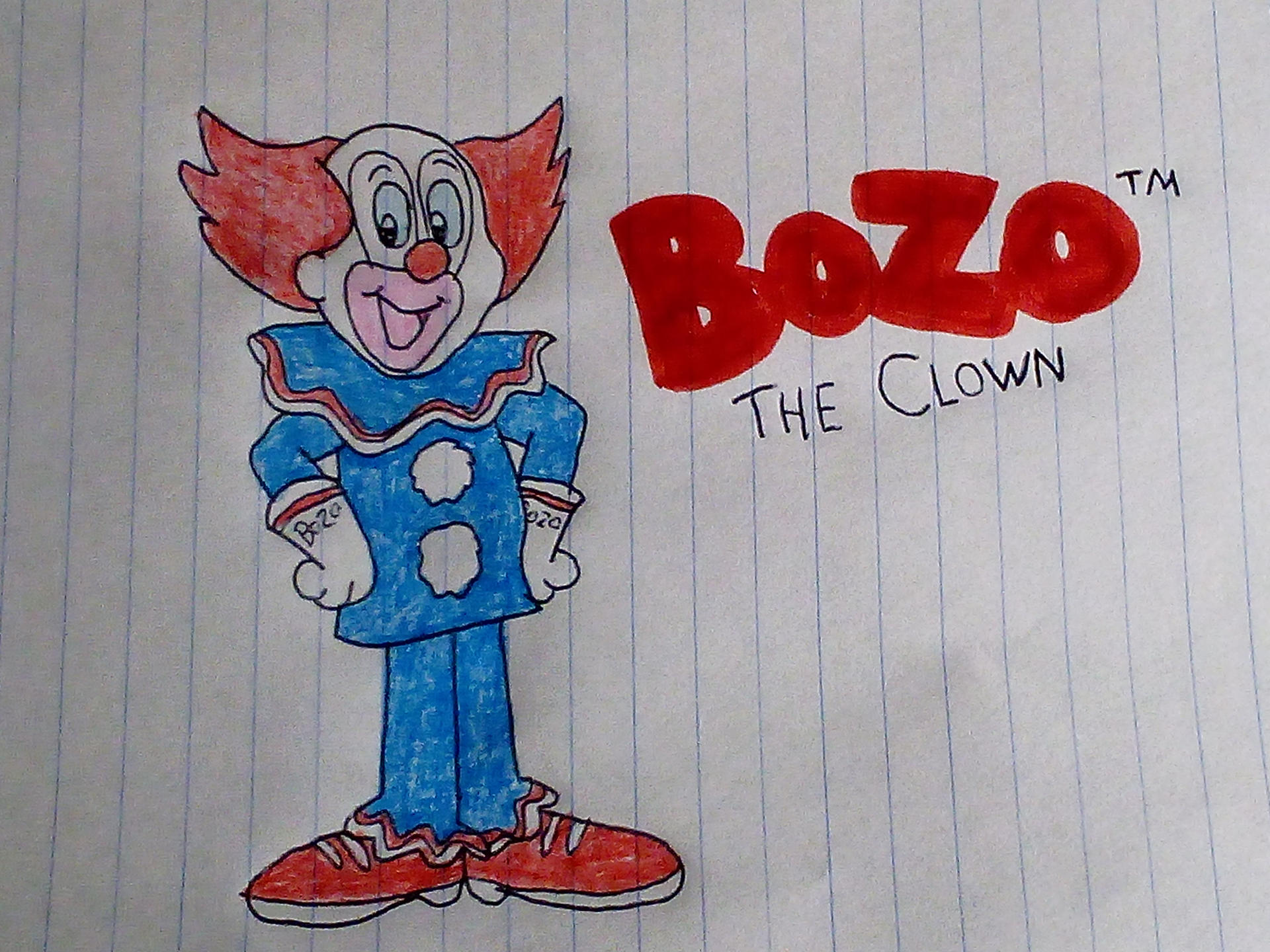
Bozo the Clown: The True Story Behind the Character and His Portrayals
The character of Bozo the Clown is not a single person, but a highly successful entertainment franchise created by Alan W. Livingston in 1946. Because Bozo was a licensed character portrayed by many different actors across local televi...
The character of Bozo the Clown is not a single person, but a highly successful entertainment franchise created by Alan W. Livingston in 1946. Because Bozo was a licensed character portrayed by many different actors across local television stations in the United States, "Bozo the Clown died" often refers to the passing of various regional performers who brought the iconic red-haired character to life over several decades.
Contents
The Origins of the Bozo Franchise
To understand the history of Bozo, one must first look at the business model behind the character. Bozo was not an organic folk creation but a proprietary creation of Capitol Records. Alan Livingston, then a creative executive at the label, developed the character for a series of children’s storytelling records. The project was an immediate success, leading to the creation of a physical character who could be marketed through television.
By 1949, the character had been licensed to television stations. The brilliance of the Bozo franchise lay in its decentralization. Instead of producing a single national show, the owners allowed local stations to produce their own versions of Bozo the Clown. This required each station to hire their own actor to wear the iconic costume, whiteface makeup, and red wig. This format allowed Bozo to become a local cultural fixture in cities across the United States, from Chicago and Los Angeles to Boston and Washington, D.C.
Understanding the "Death" of the Character
When search inquiries ask about "Bozo the Clown dying," they are usually conflating the death of the franchise with the death of the performers. There is no single "true story" of Bozo’s death because the character was inherently plural.
The most famous version of the character was arguably the one produced by WGN-TV in Chicago. Portrayed most iconically by Bob Bell (1960–1984) and later by Joey D'Auria (1984–2001), the Chicago version of Bozo became a national phenomenon when WGN began broadcasting via satellite to cable systems across the country. Consequently, when people associate the character with a specific death, they are often referring to the passing of the actors who occupied that role.
Key Performers and Their Legacies
The following table outlines several notable performers who portrayed Bozo. The "true story" of the character is simply the sum of these men’s contributions to children's media.
| Performer | Primary Market | Tenure Years | Note |
|---|---|---|---|
| Pinto Colvig | Original / Audio | 1946–1967 | The voice of the original records. |
| Bob Bell | Chicago (WGN) | 1960–1984 | The face of the national cable broadcast. |
| Joey D'Auria | Chicago (WGN) | 1984–2001 | The final Bozo on WGN. |
| Frank Avruch | Boston (WHDH) | 1959–1970 | Gained fame via international syndication. |
| Willard Scott | Washington (WRC) | 1959–1962 | Later became a famous weather reporter. |
The Cultural Impact of the WGN Chicago Run
The longevity of the WGN Chicago iteration is central to the public's perception of Bozo. The show Bozo's Circus (later The Bozo Show) was a staple of children’s television for over 40 years. The production required an immense commitment from the performers and the crew. Unlike modern cartoons or digital media, the show was broadcast live or taped in segments that featured circus acts, games like the "Grand Prize Game," and musical skits.
The "death" of the Chicago Bozo occurred in 2001, when WGN-TV decided to cancel the program. This was not a death in the biological sense, but rather the conclusion of a historical era in broadcasting. The cancellation reflected a broader shift in television toward faster-paced, animated programming, leaving the slow-burn, live-action clown format behind.
Addressing Confusion: Why the Search Intent Persists
The confusion regarding the "true story" of Bozo's death is a common byproduct of the "Mandela Effect" and the nature of regional television. Because different generations grew up with different Bozos, there is no shared singular experience of the character's end.
Furthermore, the character of Bozo has often been used as a template for "creepy clown" tropes in horror literature and cinema. This secondary association has led to a persistent fascination with the dark side of circus performers, causing some to search for "true stories" involving the clown as if there were a hidden, sinister backstory to the character's retirement or the actors' passing. In reality, the history of the men who played Bozo is one of professional dedication to a craft that provided joy to millions of children for over half a century.
Frequently Asked Questions
Did the original Bozo the Clown die?
Pinto Colvig, the man who provided the original voice for Bozo on the Capitol Records storytelling albums, passed away in 1967. While he was the "original" in a recording sense, the character continued to be performed by dozens of actors in various markets for decades after his death.
Is the Bozo the Clown show still on television?
No. The last major iteration of the program, the Chicago-based The Bozo Show on WGN, aired its final episode in 2001. While reruns or clips are occasionally shown in commemorative specials, the character is no longer an active part of daily television programming.
Who was the most famous Bozo?
While subject to personal preference based on where the viewer grew up, Bob Bell of WGN-TV in Chicago is widely considered the most influential. His portrayal was the one broadcast nationally, establishing the visual and behavioral standard for the character for the modern generation.
Why did Bozo the Clown stop airing?
The show was canceled primarily due to changing demographics and television economics. By the early 2000s, the popularity of live-action children’s variety shows had waned in favor of high-budget animation and syndicated educational programming, making the maintenance of a full circus set and cast for a local production less viable.
Is there a "dark" true story behind Bozo?
No. While there are many urban legends surrounding clowns in popular culture, the production history of Bozo is well-documented and professional. The actors who played Bozo were generally regarded as talented performers who took their work seriously, focusing on comedy and audience engagement rather than the dark themes often found in modern horror fiction.
Final Perspective
If you are looking for the "true story," it is one of a successful business experiment that evolved into a beloved cultural institution. The character did not die in a single, definitive moment; rather, the era of the local television clown gradually faded as the media landscape transitioned toward national, digital, and on-demand content. The legacy of Bozo remains preserved in the archives of local television stations and the memories of the millions of children who participated in the "Grand Prize Game." To honor that history, recognize that Bozo was a collective effort, sustained by the tireless work of performers who adapted to the needs of their specific time and place.
Image Gallery