Understanding Residential Foundation Repair for Grapevine Homes
Navigating residential foundation repair companies in Grapevine requires an understanding of the region’s unique soil composition, local building codes, and the specific structural challenges posed by the North Texas environment. Wheth...
Navigating residential foundation repair companies in Grapevine requires an understanding of the region’s unique soil composition, local building codes, and the specific structural challenges posed by the North Texas environment. Whether your home is experiencing hairline cracks in masonry, sticking doors, or uneven flooring, choosing a qualified contractor necessitates a thorough vetting process grounded in structural engineering principles and verifiable credentials rather than aggressive sales tactics.
Contents
The Geological Context of Grapevine Foundations
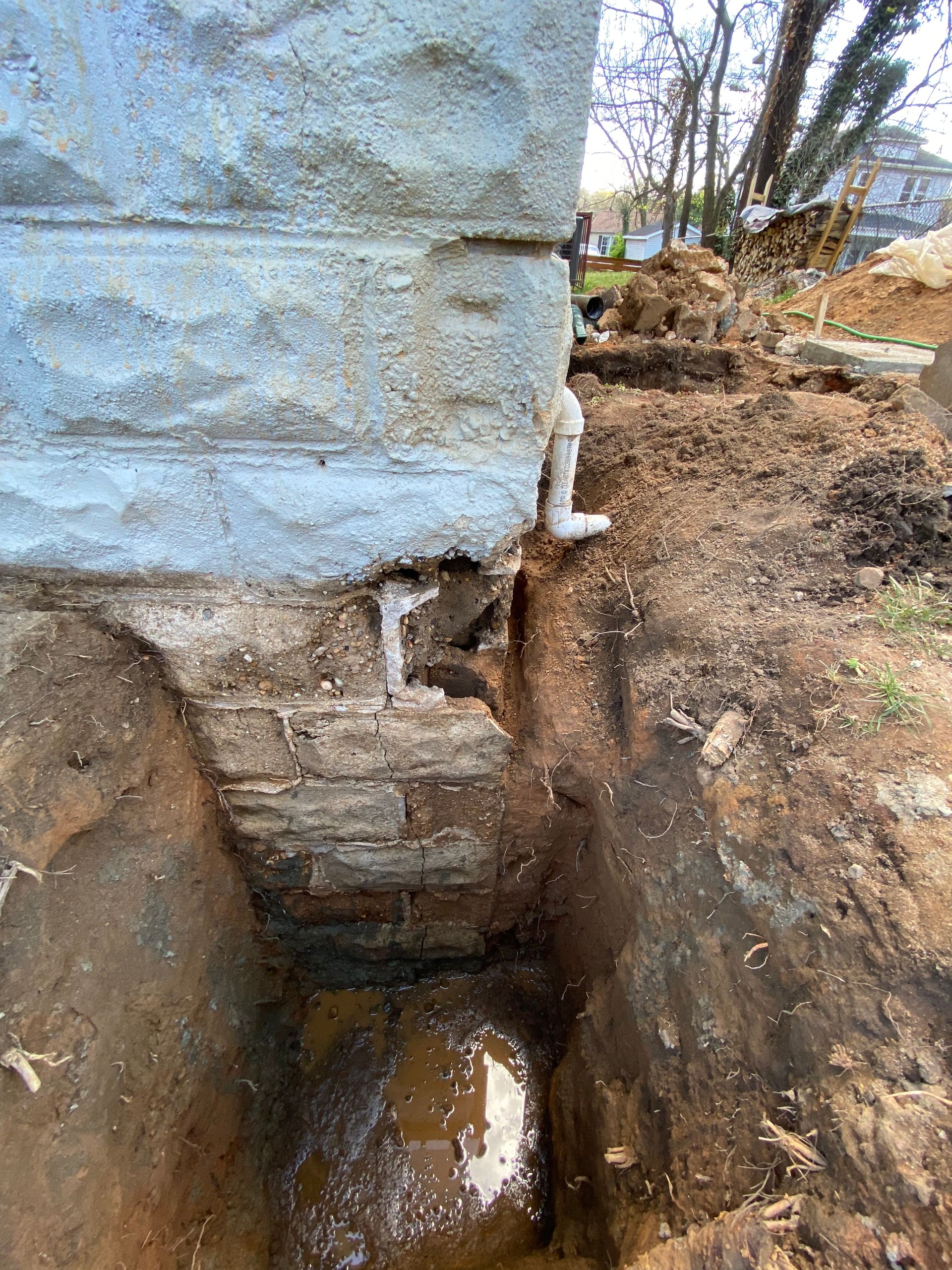
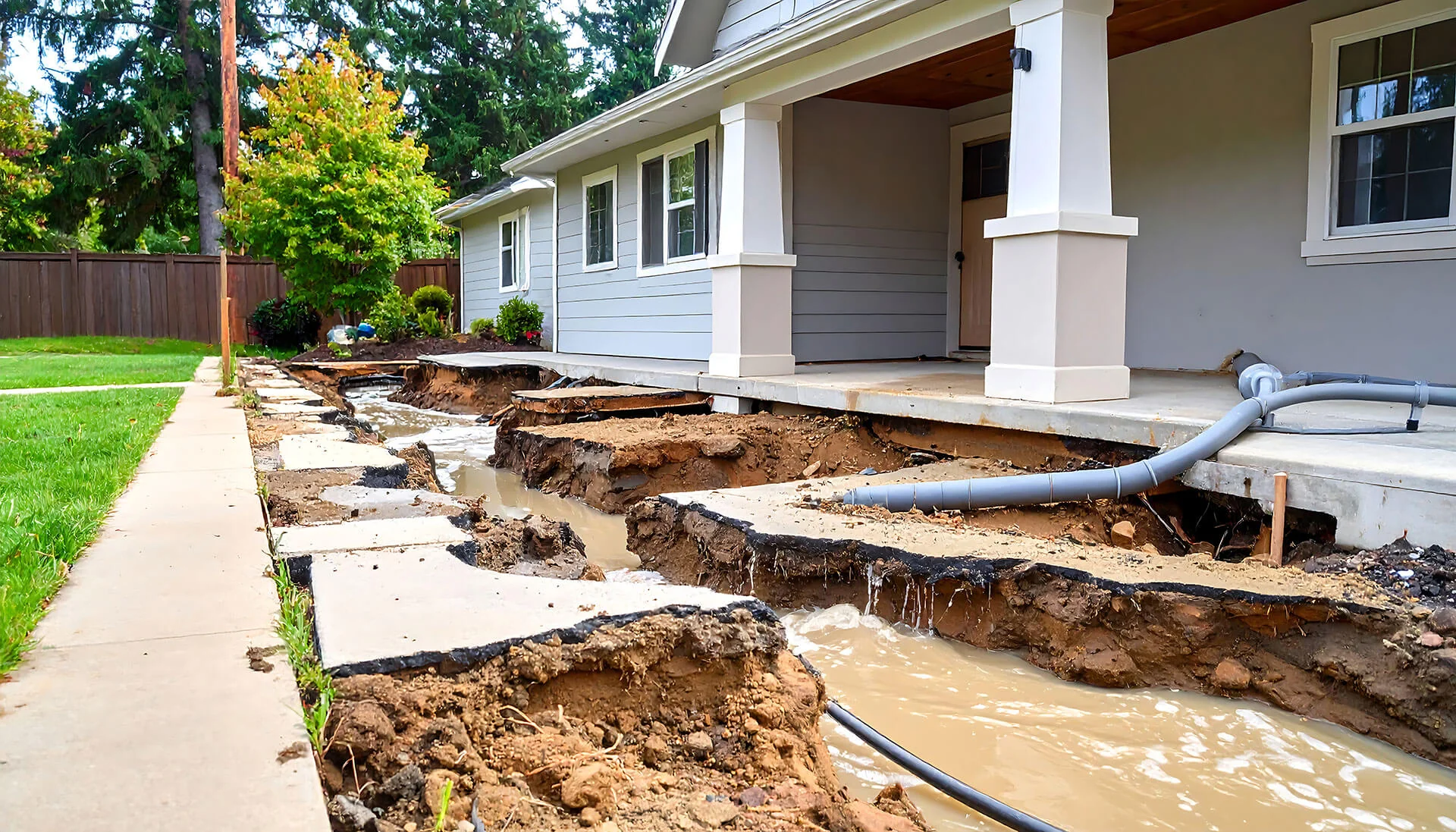
Grapevine, like much of the Dallas-Fort Worth metroplex, sits upon expansive clay soils—primarily Eagle Ford Shale. These soils are characterized by high plasticity, meaning they shrink significantly during the hot, dry summers and swell intensely during periods of heavy rainfall. This constant moisture-induced movement, known as "soil heave" or "settlement," exerts immense pressure on concrete slab and pier-and-beam foundations.
When a foundation shifts, it rarely moves uniformly. This differential movement creates stress points that lead to common distress indicators. Before contacting a repair company, homeowners should document these signs to provide context for a prospective engineer or contractor. Common indicators include:
- Diagonal Cracks: Fissures extending from the corners of window or door frames.
- Separation: Visible gaps between the chimney and the siding, or baseboards pulling away from the floor.
- Operability Issues: Doors and windows that suddenly stick, fail to latch, or swing open on their own.
- Floor Leveling: A noticeable slope or "bounce" in specific areas of the home, which can often be confirmed using a simple laser level or a professional survey.
Vetting Residential Foundation Repair Companies
In 2026, the marketplace for foundation repair is crowded with service providers ranging from large franchises to specialized local contractors. Because foundation work carries long-term implications for your home’s structural integrity and resale value, it is essential to prioritize companies that rely on empirical data rather than speculative estimates.
1. Independent Engineering Assessments
The most reliable step is to engage an independent structural engineer before calling a contractor. An engineer who does not perform repairs has no financial incentive to recommend unnecessary work. They will provide a report identifying whether the movement is within "allowable tolerances" or if structural intervention is required. Contractors then use this report to formulate a bid, ensuring that the proposed solution aligns with professional engineering specifications.
2. Evaluating Repair Methods
Residential foundation repair companies in Grapevine typically utilize two primary methods:
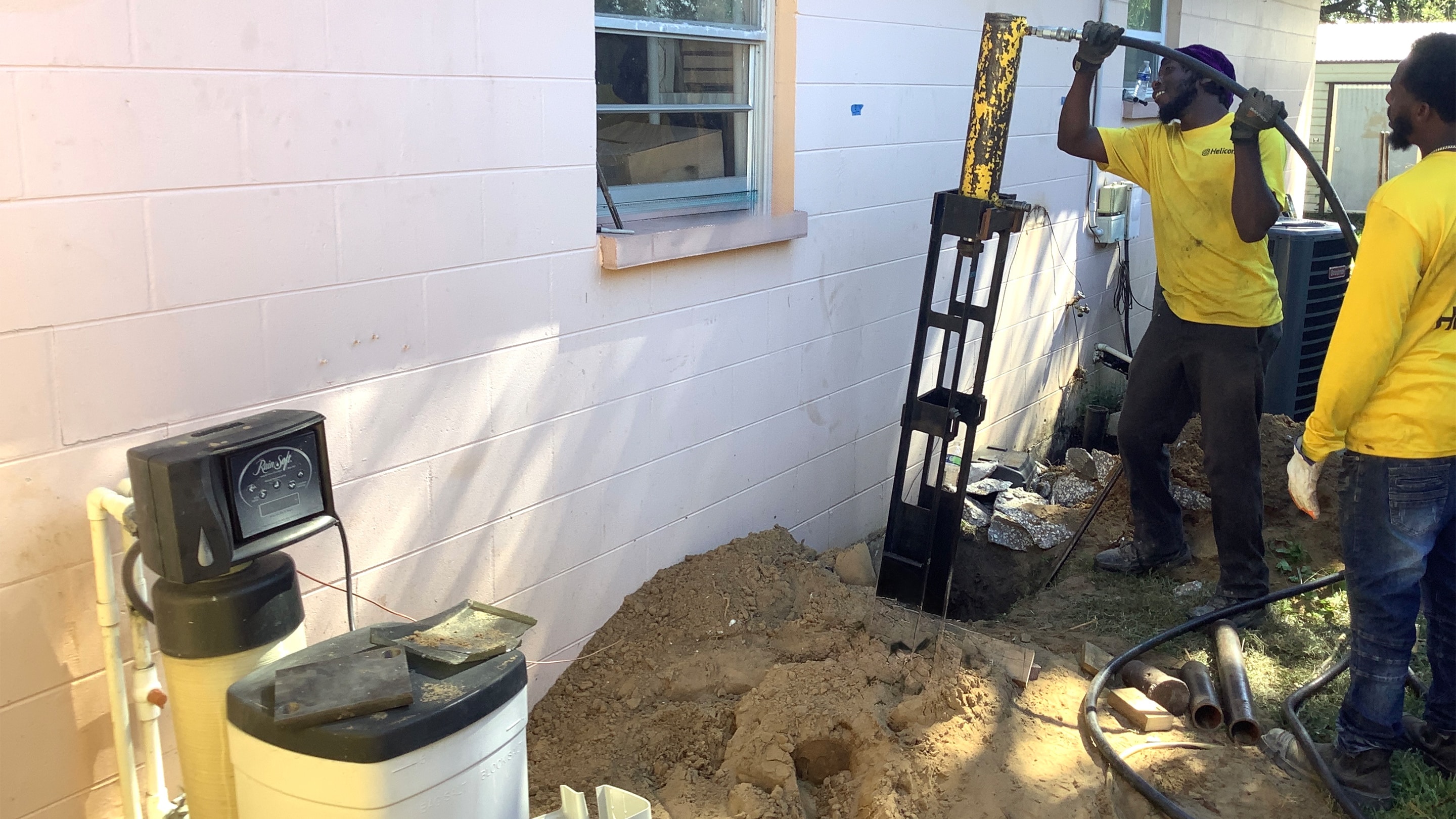
- Pressed Concrete Pilings: Pre-cast concrete cylinders are driven into the ground to provide support. These are popular due to their cost-effectiveness and speed of installation.
- Steel Piers: These involve driving heavy-duty steel pipe into the earth until they hit bedrock or a stable stratum. While more expensive than concrete piers, they are often recommended for homes with extreme settlement or poor soil conditions at shallow depths.
- Mudjacking or Polyurethane Injection: These methods focus on filling voids beneath the slab to stabilize the soil, rather than lifting the house. These are typically maintenance solutions rather than structural corrections.
3. Verification of Credentials
Before hiring, ensure the company is fully insured, including general liability and workers' compensation. Furthermore, check the Texas Department of Licensing and Regulation (TDLR) for any specific professional requirements, and review their history through the Better Business Bureau or local municipal permit offices to see if they have a track record of completing projects in accordance with Grapevine’s building standards.
Comparison Table: Common Repair Considerations
| Feature | Pressed Concrete Pilings | Steel Piers | Slab Jacking / Injection |
|---|---|---|---|
| Primary Use | General settlement | Extreme soil depth issues | Void filling/minor leveling |
| Typical Cost | Moderate | High | Moderate |
| Lifespan | Long-term | Long-term (best for deep strata) | Medium-term |
| Invasiveness | Excavation required | Excavation required | Minimal (drilled holes) |
| Best For | Standard slab homes | Heavily shifting clay | Initial soil stabilization |
The Role of Drainage and Maintenance
Repairing a foundation is often only half the solution. If the underlying cause—usually improper drainage—is not addressed, the foundation may move again. Most reputable repair companies will insist on a drainage assessment.
Homeowners should ensure that the grade of the soil around the foundation slopes away from the structure at a minimum of 6 inches over the first 10 feet. Downspouts should be extended to discharge water at least 5 feet from the foundation perimeter. In some instances, installing French drains or surface drains may be necessary to regulate the moisture content of the clay soil, preventing the extreme cycling of expansion and contraction that caused the damage initially.
Frequently Asked Questions
How can I tell if my foundation damage is "normal" or serious? Minor foundation movement is common in Grapevine due to clay soils. However, cracks wider than 1/4 inch, floors that slope noticeably, or structural gaps in the frame usually indicate damage requiring professional assessment.
Does my homeowner's insurance cover foundation repair? Standard homeowner's insurance policies generally exclude damage caused by "earth movement," including settlement or expansion. You should review your specific policy, but typically, foundation repair is considered a maintenance expense unless the damage is caused by a sudden, specific "peril" like a plumbing leak under the slab.
Should I choose a lifetime warranty? Many companies offer "lifetime warranties," but the value of the warranty depends on the company's longevity. If a company goes out of business, the warranty is effectively void. Research the company's financial stability and their history of honoring past agreements rather than just the marketing claim of a warranty.
What is the average timeline for a foundation repair project? A typical residential repair project in Grapevine generally takes 2 to 5 days, depending on the size of the house and the number of piers required. Larger projects involving extensive interior plumbing or slab lifting may take longer.
Can I live in my home during foundation repairs? Yes, in most cases, you can remain in the home during the repair process. The work is primarily performed on the exterior, and interior disruptions are usually limited to dust and noise during the installation of shims or interior piers.
Recommended Next Actions
If you suspect foundation distress, your first action should be to create a "crack log." Use a marker to trace the ends of existing wall cracks and date them. Monitor these over 30 to 60 days. If the cracks extend beyond your markings, the foundation is actively moving. At this stage, contact a licensed structural engineer in the Grapevine area to perform an unbiased assessment. Once you have a report in hand, solicit bids from at least three reputable contractors, ensuring they all quote based on the specific engineering plan provided. By taking this data-driven approach, you protect your home’s value and ensure the repairs are performed to the necessary technical standards.
Image Gallery