When and Why the Life Insurance Corporation of India Was Set Up
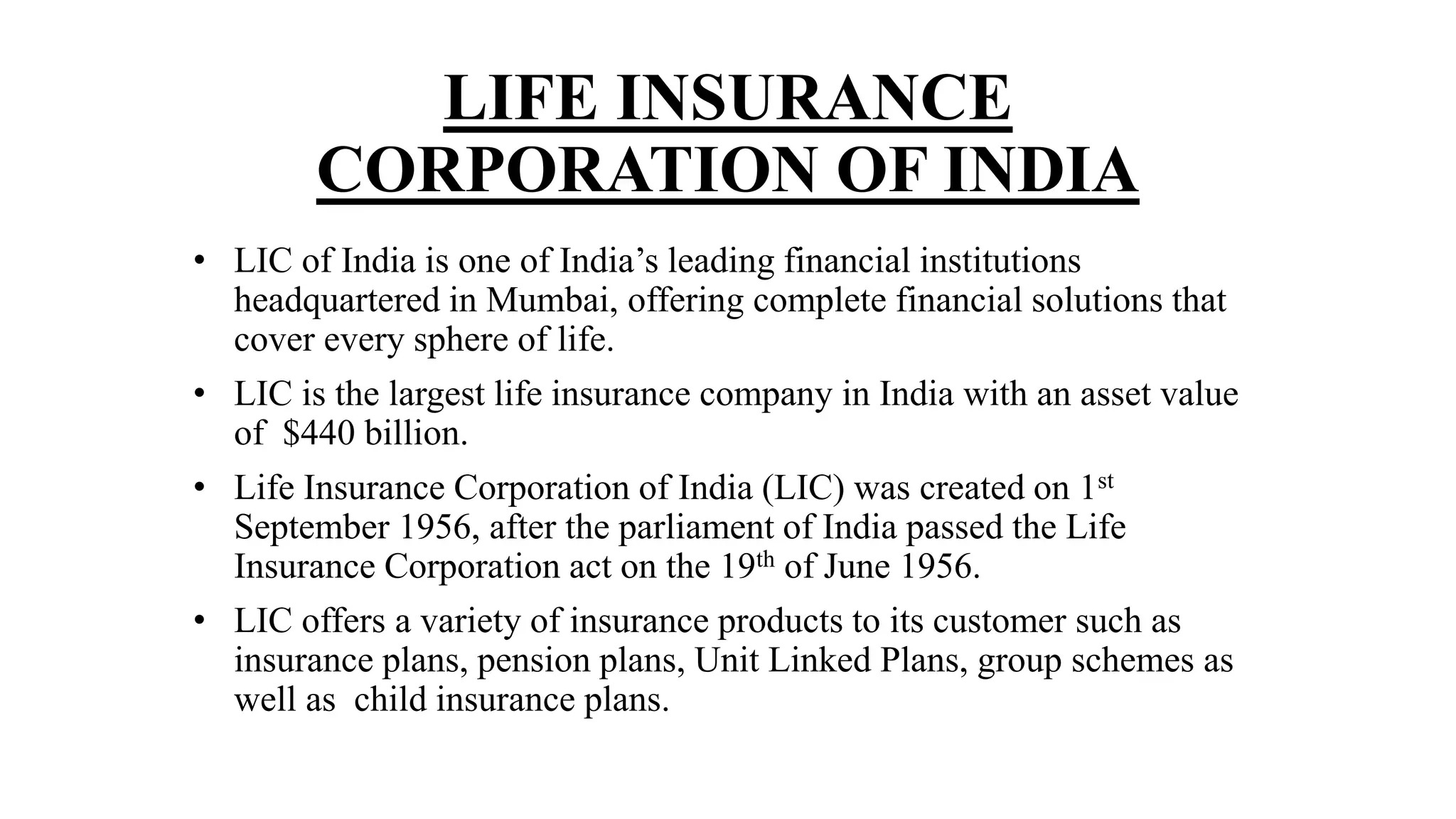
The Life Insurance Corporation of India (LIC) was officially set up on September 1, 1956, following the passage of the Life Insurance Corporation Act by the Indian Parliament in June of that year. This landmark move nationalized the In...
The Life Insurance Corporation of India (LIC) was officially set up on September 1, 1956, following the passage of the Life Insurance Corporation Act by the Indian Parliament in June of that year. This landmark move nationalized the Indian insurance industry, merging 245 private insurance companies and provident societies into a single state-owned entity.
Contents
The Legislative Genesis: The Life Insurance Corporation Act of 1956
The establishment of LIC was not a sudden administrative decision but the culmination of a rigorous legislative process aimed at social welfare and economic stability. On January 19, 1956, the Government of India issued an ordinance that took over the management of all life insurance businesses in the country. This was a temporary measure intended to prevent the flight of capital and ensure a smooth transition while the formal legislation was being drafted.
The Life Insurance Corporation Act was subsequently introduced in Parliament and received presidential assent in June 1956. The Act provided the legal framework for the transfer of assets and liabilities from private insurers to the newly formed corporation. It also defined the functional parameters of LIC, establishing its initial capital at ₹5 crore (50 million rupees), provided entirely by the Central Government.
The primary motivation behind this legislative overhaul was to protect policyholders from the frequent failures of private insurance firms, many of which lacked adequate reserves or engaged in unethical financial practices. By creating a government-backed monopoly, the state sought to instill confidence in the public and utilize insurance premiums as a source of long-term capital for national infrastructure projects.
Historical Context: Life Insurance in India Before 1956
To understand why the Life Insurance Corporation was set up in 1956, one must look at the fragmented and often volatile history of insurance in India during the 19th and early 20th centuries. The first life insurance company on Indian soil was the Oriental Life Insurance Company, established in Calcutta (now Kolkata) in 1818. However, this company—and many that followed—primarily served the European community, often charging higher premiums for Indian lives.
The "Swadeshi" movement of the early 1900s sparked the birth of many Indian-owned insurance companies, such as the Bombay Mutual Life Assurance Society and United India. While this increased the availability of insurance for the general populace, the industry remained largely unregulated. By the mid-1950s, the landscape was cluttered with 154 Indian insurance companies, 16 non-Indian insurers, and 75 provident societies.
Many of these entities were small, financially unstable, and prone to mismanagement. The government recognized that a fragmented market could not effectively mobilize the massive savings required for India's ambitious Five-Year Plans. Nationalization was viewed as the only viable path to ensure that the "gospel of insurance" reached the rural masses rather than remaining concentrated in urban industrial centers.
The Nationalization Movement: Consolidating 245 Entities
The scale of the merger that took place on September 1, 1956, remains one of the largest corporate consolidations in global financial history. Integrating 245 disparate organizations required massive administrative coordination. These entities varied significantly in their accounting practices, policy terms, and employee structures.
The transition was managed by dividing the country into five initial zones: Northern, Central, Eastern, Western, and Southern. Each zone was given a headquarters, with the central office located in Mumbai (then Bombay). This decentralized structure allowed LIC to maintain a presence across the vast Indian landscape while maintaining a unified corporate identity.
One of the most critical aspects of the merger was the protection of existing policies. Every policy issued by the 245 original insurers was guaranteed by the Government of India under Section 37 of the LIC Act. This sovereign guarantee remains a cornerstone of LIC’s reputation even in 2026, providing a level of security that private competitors struggle to match.
Strategic Objectives of LIC at Inception
The Life Insurance Corporation was established with a mandate that went far beyond simple profit generation. Its objectives were deeply rooted in the socialist ideals of post-independence India.
- Spread of Insurance to Rural Areas: Before 1956, insurance was almost exclusively an urban phenomenon. LIC was tasked with extending the social security net to rural and socially backward classes.
- Mobilization of Savings: By encouraging people to save through life insurance, the government could channel those funds into nation-building activities like irrigation, power, and housing.
- Policyholder Welfare: The corporation was designed to act as a trustee for the policyholders, ensuring that the returns on their investments were maximized while risks were minimized.
- Professionalization of the Workforce: Nationalization allowed for the creation of standardized training programs for agents and administrative staff, improving the quality of service across the board.
The Evolution of LIC: From Monopoly to Listed Entity
While the Life Insurance Corporation was set up in 1956 as a monopoly, its operational environment has changed drastically over the decades. For over 40 years, LIC was the sole provider of life insurance in India. This changed in 1999 with the passage of the Insurance Regulatory and Development Authority (IRDA) Act, which opened the sector to private players and foreign investment.
Even with the entry of dozens of private competitors, LIC maintained its market dominance through its unmatched physical reach and the trust associated with the government. A major turning point occurred in May 2022, when the Government of India launched the LIC Initial Public Offering (IPO). This transformed LIC from a 100% government-owned statutory body into a publicly listed company, although the government retains a majority stake.
As of 2026, LIC continues to leverage its historical foundation while adapting to a digital-first economy. It remains the largest institutional investor in the Indian stock market and a significant contributor to the country's fiscal stability.
Comparison of India's Insurance Landscape: 1956 vs. 2026
The following table highlights the radical shift in the insurance environment from the year the Life Insurance Corporation was set up to the current operational year of 2026.
| Feature | Pre-Nationalization (1955) | At Inception (September 1956) | Current Status (2026) |
|---|---|---|---|
| Number of Insurers | 245 (Private/Societies) | 1 (State-owned Monopoly) | LIC + Over 25 Private Insurers |
| Sovereign Guarantee | None | Guaranteed by Central Govt. | Section 37 Guarantee remains |
| Reach | Mostly Urban Centers | Five Initial Regional Zones | Nationwide Digital & Physical |
| Capital Structure | Fragmented Private Capital | ₹5 Crore (Govt. Funded) | Publicly Listed (NSE/BSE) |
| Primary Regulator | Controller of Insurance | Ministry of Finance | IRDAI |
| Asset Base | Relatively Small/Dispersed | Consolidated Assets | ₹50+ Trillion (Estimated) |
The Economic Role of LIC in Nation Building
Since its establishment in 1956, LIC has functioned as the "backbone" of the Indian financial system. Because life insurance contracts are long-term, the corporation manages vast sums of "patient capital." Unlike mutual funds or banks, which may face sudden withdrawals, LIC can invest in projects with long gestation periods.
Historically, LIC has been the primary purchaser of government securities, effectively funding the development of railways, highways, and public housing. In times of market volatility, LIC often acts as a stabilizing force in the equity markets, purchasing stocks when private investors are selling. This role as a "stabilizer" was particularly evident during the market fluctuations observed in the mid-2020s.
Furthermore, the dividends paid by LIC to the Government of India provide a consistent source of non-tax revenue, which is used to fund social welfare programs and reduce the fiscal deficit. The Corporation's investment department is one of the most influential entities in the Mumbai financial district, guiding the direction of several key industrial sectors.
Summary of Key Milestones
- January 19, 1956: Ordinance issued to take over life insurance management.
- June 18, 1956: Life Insurance Corporation Act passed.
- September 1, 1956: LIC officially begins operations.
- 1999: IRDA Act passed, ending the LIC monopoly.
- 2022: LIC is listed on the stock exchanges (IPO).
- 2026: LIC remains the largest insurer and institutional investor in India.
Frequently Asked Questions
Why was the Life Insurance Corporation set up as a monopoly in 1956?
The monopoly was established to eliminate competition-driven unethical practices, prevent the failure of small private firms, and consolidate national savings for centralized planning. The government believed that a single entity could more efficiently reach the rural population than a fragmented market.
Who was the Finance Minister when LIC was set up?
C.D. Deshmukh was the Finance Minister of India when the Life Insurance Corporation Act of 1956 was introduced and passed. He was a key architect of the nationalization process and advocated for the protection of small policyholders.
What is the significance of Section 37 of the LIC Act?
Section 37 provides a sovereign guarantee from the Government of India for the payment of the sum assured and any declared bonuses on all LIC policies. This means that if LIC were ever unable to meet its obligations, the Central Government is legally bound to pay the policyholders.
How did the 2022 IPO change the status of the corporation?
The IPO changed LIC from being 100% government-owned to being a publicly listed entity. While the government remains the majority shareholder, LIC now has a fiduciary responsibility to public shareholders and must comply with the strict transparency and disclosure requirements of the Securities and Exchange Board of India (SEBI).
Can foreign citizens buy policies from the Life Insurance Corporation?
Yes, Non-Resident Indians (NRIs) and People of Indian Origin (PIOs) can purchase LIC policies. However, the rules regarding the currency of the premium and the payout vary depending on the specific plan and the residency status of the individual.
Final Recommendation for Policyholders and Investors
For those looking to secure their financial future in 2026, understanding that the Life Insurance Corporation was set up in 1956 provides context for its stability and reliability. If your primary concern is the absolute safety of your principal amount, LIC’s sovereign guarantee makes it a premier choice. However, for those seeking higher growth or modern flexibility, it is advisable to compare LIC’s traditional endowment plans with modern Unit Linked Insurance Plans (ULIPs) and term insurance offerings from both LIC and private competitors.
Always verify the current claim settlement ratios and solvency margins through the official IRDAI annual reports before committing to a long-term premium schedule.
Image Gallery