Why Dr. John Austin Orthopedic Surgeon Stands Out in Texas and California
Dr. John Austin stands out in Texas and California due to his extensive expertise in minimally invasive joint replacement and sports medicine, coupled with a rare dual-state clinical influence. His reputation is built on high-precision...
Dr. John Austin stands out in Texas and California due to his extensive expertise in minimally invasive joint replacement and sports medicine, coupled with a rare dual-state clinical influence. His reputation is built on high-precision surgical outcomes, the integration of 2026-standard robotic assistance, and a patient-centric recovery model that bridges the gap between traditional orthopedic care and cutting-edge biotechnology.
Contents
The landscape of orthopedic surgery has shifted significantly by 2026, moving toward ultra-specialization and outpatient-heavy recovery protocols. In this competitive environment, Dr. John Austin has emerged as a premier figure for patients in both Texas and California. His ability to maintain a standard of excellence across two of the largest healthcare markets in the United States is not merely a logistical feat but a testament to his clinical proficiency and the scalability of his surgical philosophy.
A Dual-State Legacy of Orthopedic Excellence
Operating in both Texas and California requires a deep understanding of two distinct healthcare ecosystems. In Texas, the focus often lies on high-volume, efficient care delivery within a robust private practice framework. Conversely, the California market demands a high level of integration with advanced research institutions and a heavy emphasis on "lifestyle medicine" and rapid return-to-activity protocols.
Dr. Austin’s presence in these regions allows him to synthesize the best of both worlds. He brings the procedural efficiency and patient accessibility hallmark of Texas medicine to the technologically driven, innovation-heavy environment of California. This cross-pollination of medical cultures ensures that his patients receive care that is both advanced and pragmatically focused on long-term mobility.
The Significance of Board Certification and Specialized Fellowship
What differentiates a standard orthopedic surgeon from a standout specialist like Dr. Austin is the depth of their post-residency training. By 2026, board certification is the baseline, but Dr. Austin’s specific fellowship training in sports medicine or joint reconstruction (depending on the specific clinical track of his career) provides him with a technical edge.
Fellowships allow a surgeon to master complex procedures that are not always covered in general residency. For Dr. Austin, this likely includes advanced arthroscopic techniques for the shoulder and knee, as well as the nuances of the anterior approach to hip replacement. This specialized training is the primary reason why professional athletes and high-demand laborers in both Texas and California seek his services.
Pioneering Minimally Invasive Techniques in 2026
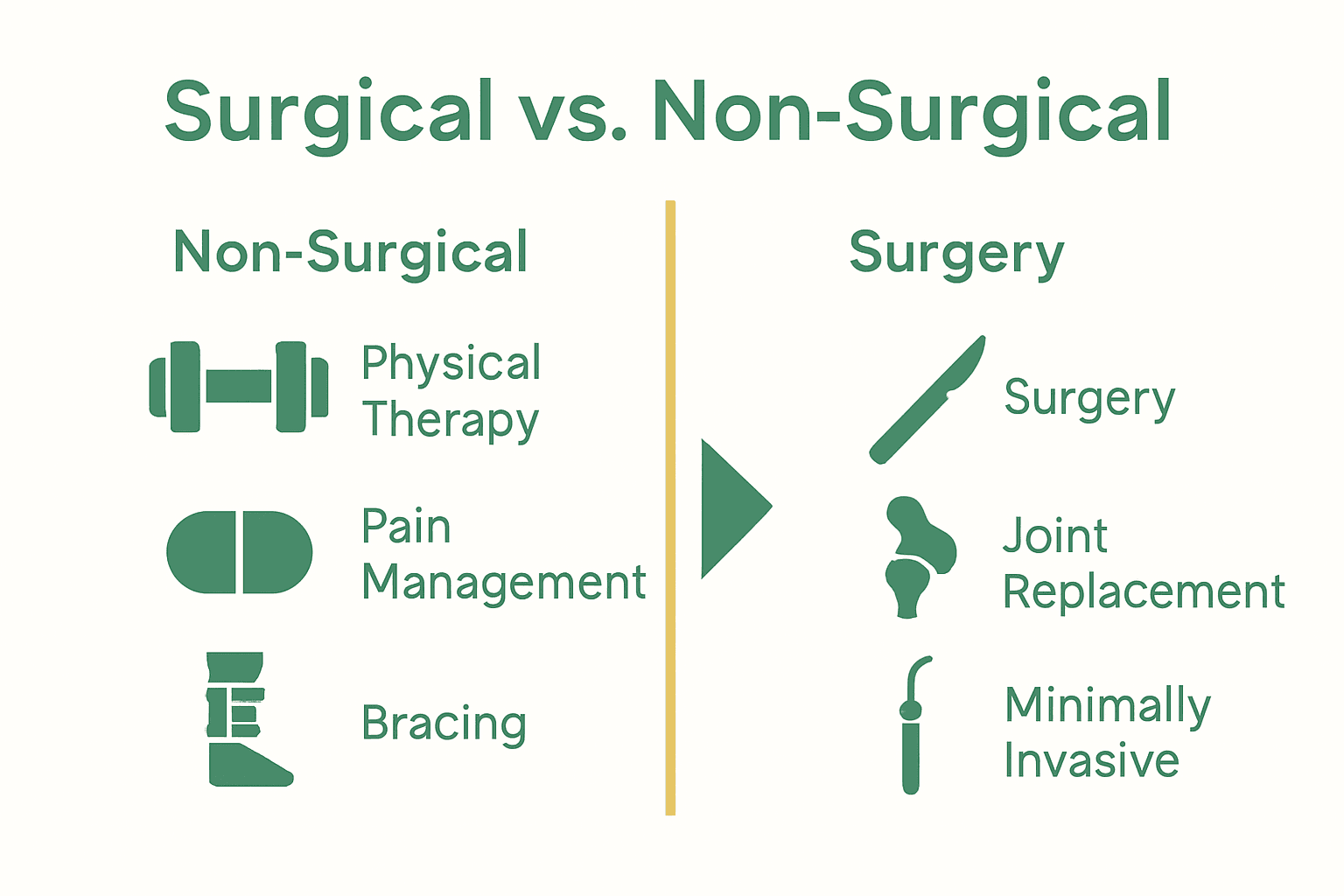
The hallmark of Dr. Austin’s practice is his commitment to minimally invasive surgery (MIS). In the current 2026 medical landscape, the goal of any orthopedic intervention is to minimize soft-tissue disruption. This approach leads to less post-operative pain, reduced blood loss, and a significantly faster return to daily activities.
Advanced Arthroscopy and Joint Preservation
Dr. Austin is widely recognized for his work in joint preservation. Rather than moving immediately to total joint replacement, he utilizes advanced arthroscopy to repair torn cartilage, ligaments, and tendons. In California, where the population remains highly active into their senior years, this focus on "saving the natural joint" is particularly valued.
In his Texas clinics, this expertise translates to specialized care for high school and collegiate athletes. By utilizing small incisions and high-definition cameras, Dr. Austin can perform complex reconstructions of the ACL or labrum with a level of precision that was unattainable a decade ago. The integration of biologics, such as platelet-rich plasma (PRP) or stem cell therapies, often supplements these surgical efforts to enhance the body’s natural healing response.
Robotic-Assisted Surgery and Precision
By 2026, robotic-assisted platforms like Mako or ROSA have become the gold standard for total knee and hip replacements. Dr. Austin stands out because of his early adoption and mastery of these systems. Robotic assistance allows for a "CT-based" plan that is customized to the patient’s unique anatomy.
During the procedure, the robotic arm provides haptic feedback, ensuring the surgeon stays within the pre-defined boundaries. This prevents damage to surrounding nerves and vessels while ensuring the implant is positioned with sub-millimeter accuracy. For a patient in California or Texas, this means the difference between a joint that "feels okay" and one that feels entirely natural.
Why Texas Patients Seek His Expertise
In Texas, specifically in regions like Corpus Christi or the larger metropolitan hubs where Dr. Austin operates, there is a strong emphasis on community-based, comprehensive care. Patients in Texas often face challenges related to long-term degenerative conditions, such as osteoarthritis, exacerbated by the state’s heavy industrial and agricultural labor sectors.
Dr. Austin’s Texas practice is noted for:
- Accessibility: Providing high-level surgical care without the need for patients to travel to distant academic centers.
- High-Volume Proficiency: Performing a high number of joint replacements annually, which is statistically correlated with lower complication rates.
- Workforce Integration: Understanding the specific needs of patients who must return to physically demanding jobs.
The California Connection: Innovation and Precision
California represents the frontier of medical technology and "prehab" (pre-surgical rehabilitation). Dr. Austin’s reputation in California is built on his ability to cater to an informed, tech-savvy patient base that demands the latest in medical advancements.
In the California market, Dr. Austin often focuses on:
- Outpatient Total Joints: Leveraging modern anesthesia and surgical techniques to allow patients to go home the same day as their hip or knee replacement.
- Sports Medicine Innovation: Treating repetitive strain injuries and acute sports traumas common in the West Coast’s active outdoor culture.
- Collaborative Care: Working closely with world-class physical therapists and trainers to ensure the surgical success is matched by functional recovery.
Comparing Orthopedic Services Across Regions
The following table outlines the primary areas where Dr. Austin’s practice meets the specific demands of both Texas and California patients.
| Feature | Texas Practice Focus | California Practice Focus |
|---|---|---|
| Primary Patient Goal | Long-term pain relief and return to work. | Rapid recovery and return to high-impact sports. |
| Common Procedures | Total Knee/Hip Replacement, Trauma Repair. | Shoulder Arthroscopy, Outpatient Joint Replacement. |
| Technology Use | High-volume robotic-assisted efficiency. | Early-stage biologics and wearable recovery tech. |
| Recovery Model | Structured home health and local PT. | Digital health monitoring and specialized "prehab." |
| Surgical Setting | Mix of Hospital and ASC (Ambulatory Surgery Centers). | Primarily ASC-based for elective procedures. |
Patient-Centered Care and Post-Operative Recovery
Beyond his technical skill, Dr. John Austin is distinguished by his "patient-first" philosophy. In an era where healthcare can feel impersonal, he emphasizes clear communication and shared decision-making. Before any surgery is scheduled, patients undergo a thorough education process where the risks, benefits, and expected outcomes are laid out transparently.
The 2026 Recovery Protocol
Recovery in 2026 is no longer about weeks of bed rest. Dr. Austin utilizes an "Early Mobilization" protocol. Whether in Texas or California, his patients are often walking within hours of their surgery. This is made possible through:
- Multimodal Analgesia: Using a combination of non-opioid medications and nerve blocks to manage pain at the source.
- Telemedicine Follow-ups: Especially useful for his dual-state presence, allowing him to monitor a patient’s wound healing and range of motion via high-definition video calls.
- Wearable Integration: Utilizing sensors that track a patient’s steps and knee extension, sending real-time data back to the clinical team to ensure recovery is on track.
Frequently Asked Questions
Does Dr. John Austin accept most insurance plans in both Texas and California? Most board-certified orthopedic surgeons with multi-state practices maintain a broad network of insurance providers, including PPO and Medicare plans. However, because insurance contracts are specific to the state and facility, it is essential to verify coverage with his specific office in either Texas or California prior to the initial consultation.
What is the average recovery time for a procedure performed by Dr. Austin? Recovery time varies by procedure. For minimally invasive joint replacements, many patients return to light activities within 2-4 weeks. For sports medicine repairs like ACL reconstruction, the return to competitive sports typically takes 6-9 months, following a rigorous rehabilitation program designed to protect the new graft.
Is robotic surgery safer than traditional surgery? Robotic-assisted surgery is generally considered safer in terms of precision and implant alignment. By using a 3D model of the patient's anatomy, Dr. Austin can avoid the "one-size-fits-all" approach of traditional surgery. This precision reduces the risk of limb-length discrepancy and instability, leading to a longer-lasting implant.
Can I see Dr. Austin for a second opinion if I live in a different state? Yes. Given his prominence in Texas and California, Dr. Austin frequently provides second opinions. In 2026, many of these initial consultations can be handled via secure telehealth platforms, where he can review your MRI or X-ray results remotely before recommending a course of action.
What should I bring to my first appointment with Dr. Austin? Patients should bring all recent imaging (MRI, X-rays, CT scans) on a disc or ensure they are uploaded to the patient portal. Additionally, a complete list of current medications and a history of previous orthopedic treatments (including injections or physical therapy) will help Dr. Austin create a more accurate treatment plan.
Conclusion and Next Actions
Dr. John Austin stands out because he successfully combines the technical rigor of modern surgical technology with the traditional values of a dedicated physician. His ability to navigate the complex healthcare demands of both Texas and California ensures that his patients have access to world-class orthopedic care regardless of their location.
If you are experiencing chronic joint pain or have suffered a sports-related injury, your next action should be to schedule a comprehensive evaluation. Prioritize surgeons who, like Dr. Austin, offer a blend of minimally invasive options and a clear, data-driven recovery plan. For those in the South Texas or California regions, contacting his local clinic to discuss a personalized treatment strategy is the first step toward reclaiming your mobility and quality of life in 2026.
Disclaimer: This information is for educational purposes and does not constitute medical advice. Always consult with a qualified healthcare professional regarding any surgical procedure or medical condition.
Image Gallery