Comprehensive Guide to BC Optional Auto Insurance Options in 2026
In British Columbia, while basic insurance is mandatory through ICBC, optional auto insurance provides critical additional protection such as extended liability, collision, and comprehensive coverage. Drivers can purchase these add-ons...
In British Columbia, while basic insurance is mandatory through ICBC, optional auto insurance provides critical additional protection such as extended liability, collision, and comprehensive coverage. Drivers can purchase these add-ons from ICBC or private insurers to customize their protection, lower deductibles, and cover specialized risks like vehicle replacement or rental costs.
Contents
The Landscape of BC Auto Insurance in 2026
Navigating the auto insurance market in British Columbia requires an understanding of the two-tier system managed by the Insurance Corporation of British Columbia (ICBC) and the competitive private marketplace. Since the transition to the Enhanced Care model in 2021, the way British Columbians view coverage has shifted from a litigation-based mindset to a care-focused one. However, the importance of optional insurance remains paramount for protecting personal assets and ensuring vehicle repairability.
Under the current 2026 guidelines, every driver must carry Basic Autoplan insurance. This is a mandatory product provided exclusively by ICBC. It includes $200,000 in Third-Party Liability, Enhanced Accident Benefits (which cover medical and rehabilitation costs regardless of fault), and Underinsured Motorist Protection. While this provides a safety net, it rarely offers sufficient protection for the average vehicle owner, leading the vast majority of drivers to seek Optional Insurance products.
The primary distinction in 2026 is that while you must buy your Basic insurance from ICBC, you have the freedom to shop around for your Optional coverage. This competitive landscape includes ICBC’s own optional products and a variety of private insurers such as BCAA, Intact, and others. Private insurers often compete on price for low-risk drivers and offer specialized "perks" that may not be available through the public carrier.
Mandatory vs. Optional: Defining the Boundary
To understand optional insurance, one must first identify what it is not. Basic insurance is the legal minimum required to operate a motor vehicle on BC roads. It is designed to ensure that if you are injured in an accident, your medical costs are covered, and if you damage someone else’s property or cause injury (within specific limits), there is a fund to draw from.
Optional insurance, conversely, is about asset protection. It covers the financial loss of your own vehicle and extends your liability to protect your personal net worth. In a "no-fault" environment like BC’s Enhanced Care, the need for high liability limits is sometimes misunderstood. While you generally cannot be sued for causing a crash in BC, you can be sued for property damage or bodily injury if the accident occurs outside of British Columbia (e.g., while driving in Alberta or the United States) or in specific circumstances involving non-vehicle property within the province.
Key Types of Optional Coverage in BC
When building a policy in 2026, drivers typically choose from a menu of optional components. Each serves a specific financial purpose and carries its own deductible and premium structure.
Extended Third-Party Liability
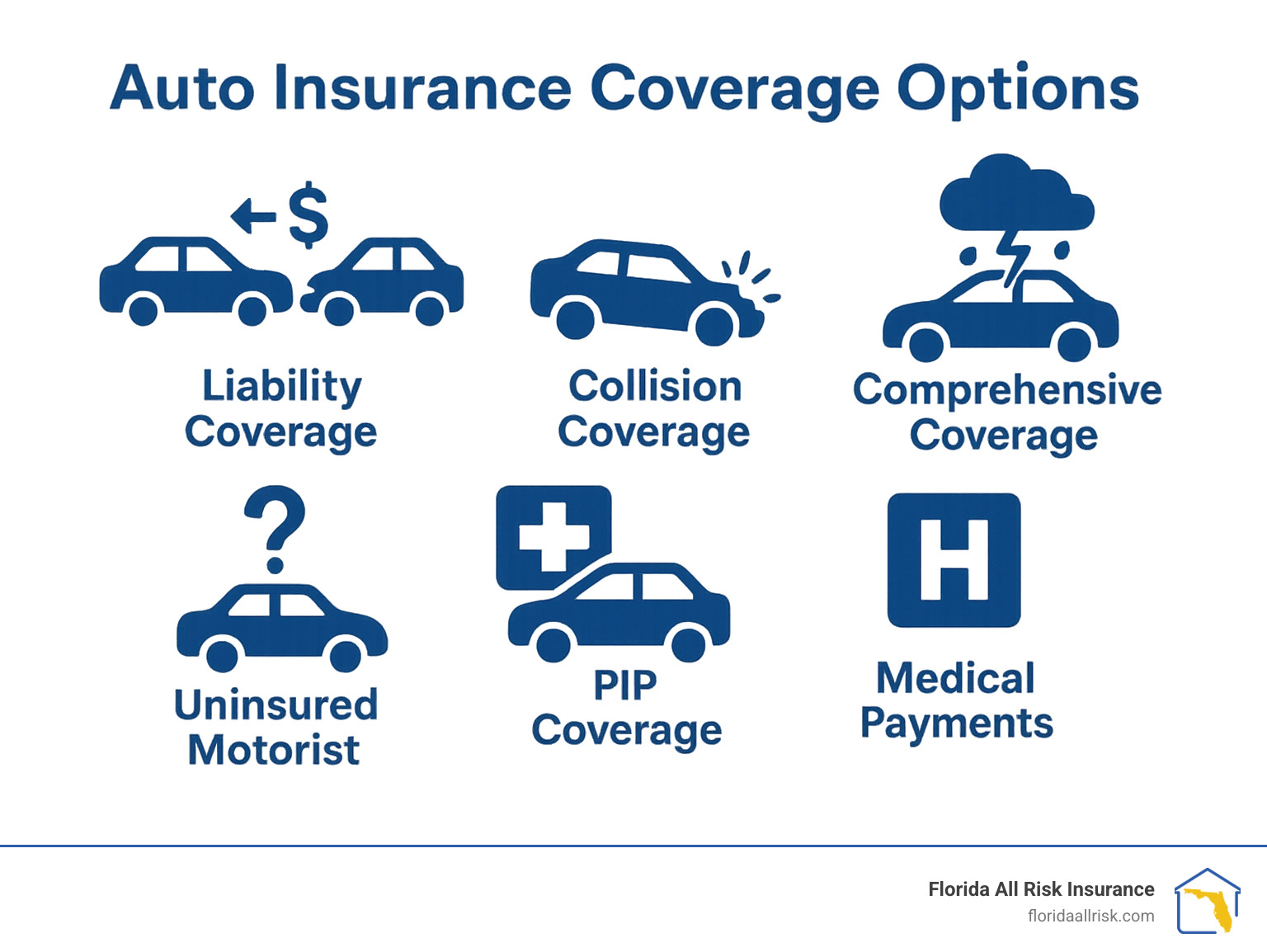
While Basic insurance provides $200,000 in liability, this amount is often insufficient for modern legal realities. If you are involved in a collision in Washington State or even another Canadian province, $200,000 can be exhausted almost instantly by legal fees and medical claims. Optional Extended Third-Party Liability allows drivers to increase their coverage to $1 million, $2 million, $3 million, or even $5 million. In 2026, insurance advisors generally recommend a minimum of $2 million for any driver who occasionally crosses the border or drives on high-speed highways.
Collision Coverage
Collision insurance pays for the repairs to your vehicle if you are at fault in an accident, or if no other party is identified (such as a hit-and-run in a parking lot, though specific hit-and-run rules apply). Under the Enhanced Care model, if you are not at fault, your repairs are often covered by your own "Basic" policy under Basic Vehicle Damage Coverage (BVDC). However, if you are even partially at fault, you need Collision coverage to pay for the portion of the damage for which you are responsible.
Comprehensive Coverage
Comprehensive coverage protects against "non-collision" events. This includes:
- Theft and Vandalism: Protection if your car is stolen or intentionally damaged.
- Fire and Weather: Coverage for damage from wildfires, floods, or windstorms.
- Glass Damage: One of the most common claims in BC. Comprehensive coverage often handles rock chips and windshield replacements, though many insurers now offer specialized "Glass" add-ons with lower deductibles.
- Animal Strikes: Hitting a deer or other animal is typically filed under Comprehensive rather than Collision.
Specified Perils
For those seeking a lower premium, Specified Perils is a restricted version of Comprehensive. It covers only the risks explicitly named in the policy, such as fire, lightning, or theft. It usually excludes vandalism and glass damage from flying objects, making it a niche choice for older vehicles with low market value.
Advanced Optional Add-ons and Endorsements
Beyond the standard pillars of Collision and Comprehensive, the 2026 BC market offers several "endorsements" that provide specialized peace of mind.
New Vehicle Protection
If you purchase a new vehicle, its value depreciates the moment you drive it off the lot. Standard insurance only pays the Actual Cash Value (ACV) at the time of the loss. If your three-month-old car is totaled, the ACV might be $10,000 less than what you owe the dealership.
- Replacement Cost Coverage: If your car is written off within the first 2-3 years, the insurer provides a brand-new vehicle of the same make and model.
- Limited Depreciation: This ensures that if the vehicle is written off, the insurer does not apply depreciation to the settlement for a set period.
Loss of Use
If your vehicle is in the shop for two weeks following a covered claim, how do you get to work? Loss of Use coverage pays for a rental vehicle, taxi fares, or transit costs up to a specified limit per day and per claim. In 2026, with the rising costs of rental cars and specialized repairs, having a robust Loss of Use limit is highly recommended.
Roadside Plus
This is a popular ICBC-specific package that bundles several benefits into one product. It typically includes Loss of Use, theft of personal belongings from the vehicle, emergency roadside repairs, and locksmith services. Private insurers offer similar "platinum" packages that may also include "Deductible Waiver" features, where your deductible is waived for your first at-fault accident.
Comparing ICBC and Private Optional Insurance
The choice between ICBC and a private carrier is often the most complex part of the renewal process. Below is a comparison of how these options generally stack up in the 2026 market.
| Feature | ICBC Optional Insurance | Private Optional Insurance |
|---|---|---|
| Availability | Available to all BC residents. | Often requires a clean driving record. |
| Pricing | Based on Driver Factor and Territory. | May offer lower rates for "preferred" drivers. |
| Glass Coverage | Standard Comprehensive deductible. | Often offers $0 or $50 glass-specific deductibles. |
| Bundling | Bundled with Basic for one-stop shopping. | May require a separate policy and payment. |
| Claims Process | Single point of contact for all claims. | May involve two adjusters (one ICBC, one Private). |
| Flexibility | Standardized policy terms. | Often offers unique perks like "Excess Windscreen." |
Drivers should note that private insurers in BC are regulated by the BC Financial Services Authority (BCFSA), ensuring that they meet solvency and consumer protection standards.
Factors Influencing Optional Premiums in 2026
In 2026, the cost of optional insurance is determined by a sophisticated set of variables. Understanding these can help you manage your costs.
- The Driver Factor: ICBC uses a decimal-based "Driver Factor." A score of 1.000 is the baseline; lower scores represent safer drivers and result in lower premiums. This factor follows the driver, not the vehicle, so adding a high-risk driver to your policy will increase the optional premium.
- Territory and Usage: Where you live matters. Drivers in the Lower Mainland typically pay more than those in the Kootenays due to higher traffic density and theft rates. Furthermore, if you use your car for commuting or business (including delivery apps like Uber or DoorDash), your optional premium will reflect that increased risk.
- The Vehicle's "Rate Group": Modern vehicles equipped with Advanced Driver Assistance Systems (ADAS)—such as automatic braking—may have higher repair costs due to expensive sensors, but they also have lower accident frequencies. Insurers weigh these factors to assign a rate group to every vehicle model.
- Deductible Choice: Your deductible is the amount you pay out of pocket before insurance kicks in. Choosing a higher deductible (e.g., $1,000 instead of $300) will significantly lower your annual premium, but you must be prepared to cover that cost in the event of a claim.
Frequently Asked Questions
Do I need optional insurance if my car is old?
While you might skip Collision and Comprehensive for a vehicle worth less than $3,000, you should almost always carry Extended Third-Party Liability. The risk of being sued for an out-of-province accident does not decrease just because your car is older.
Can I buy optional insurance from a private company and basic from ICBC?
Yes. This is a very common practice in British Columbia. You simply renew your Basic Autoplan at an insurance brokerage and inform the agent you wish to purchase your optional coverage through a private provider they represent.
Does optional insurance cover my laptop if it's stolen from my car?
Standard ICBC optional insurance has limited coverage for personal property. However, specialized packages like Roadside Plus or certain private policies may provide coverage for personal items up to a specific limit (e.g., $500–$1,000). Generally, high-value items are better covered by your home or tenant insurance.
How does "No-Fault" affect my optional collision coverage?
Under the Enhanced Care model, if you are 100% not at fault, ICBC covers your repairs under Basic insurance. You only need to tap into your Optional Collision coverage if you are found to be at least partially responsible for the crash. In that case, your Collision coverage pays for the portion of the damage attributed to your fault.
Is glass damage covered under Collision or Comprehensive?
Glass damage (such as a rock hitting your windshield) is covered under Comprehensive. Because glass claims are so frequent in BC, many drivers choose a lower deductible specifically for Comprehensive to avoid high out-of-pocket costs for windshield replacements.
Practical Recommendation for BC Drivers
For most drivers in 2026, the most balanced approach is to maintain a minimum of $2 million in Extended Third-Party Liability and a Comprehensive deductible of $300 or $500. If your vehicle is less than 10 years old or is financed, Collision coverage is an essential safeguard for your investment.
Before your next renewal, take the time to get a quote from at least one private insurer to compare against the ICBC optional rates. Often, the savings from a private carrier can be used to "buy up" to a lower deductible or add Loss of Use coverage, providing you with better protection for the same total dollar amount. Always ensure you disclose your vehicle's use accurately—such as for food delivery or long-distance commuting—to avoid a voided policy during a claim.
Image Gallery