Life Insurance GPS Watch Offers Explained: How to Qualify, Costs, and Data Privacy in 2026
Life insurance GPS watch offers are incentive-based programs where insurers provide a discounted or "earned" smartwatch (such as an Apple Watch or Garmin) to policyholders. In exchange, users share their physical activity data via the...
Life insurance GPS watch offers are incentive-based programs where insurers provide a discounted or "earned" smartwatch (such as an Apple Watch or Garmin) to policyholders. In exchange, users share their physical activity data via the device to meet fitness goals, which can eliminate monthly device payments or lower insurance premiums over time.
Contents
For several years, the intersection of wearable technology and personal finance has transformed how premiums are calculated and how policyholders interact with their coverage. As of 2026, these programs have matured from experimental marketing "hooks" into sophisticated, data-driven "shared value" insurance models. Whether you are looking at a fitness-tracking smartwatch for a term life policy or a specialized GPS safety device for a senior's final expense plan, understanding the underlying requirements is essential before signing up.
The Evolution of Shared Value Insurance
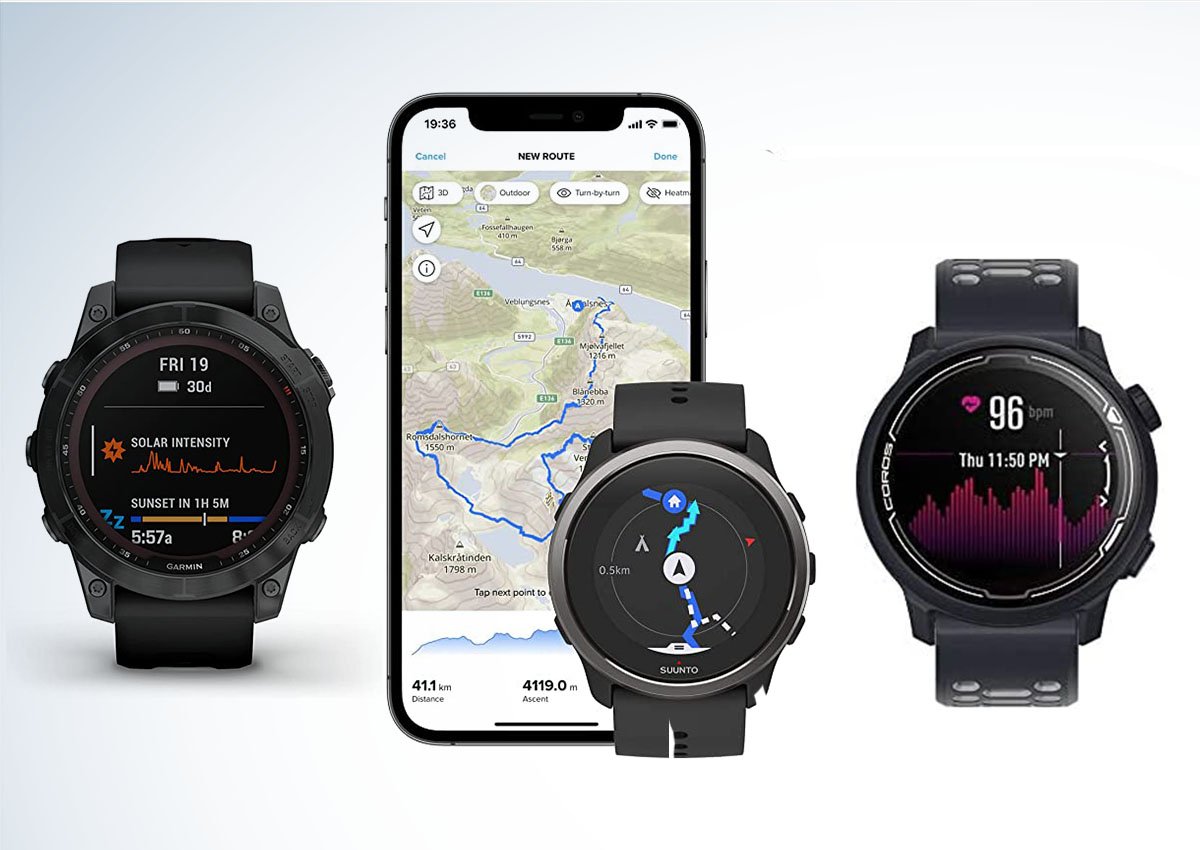
The concept behind the life insurance GPS watch offer is rooted in "shared value" insurance. This model suggests that when a policyholder is healthier, they live longer, which reduces the financial risk for the insurance company. To encourage this, the insurer provides a high-end GPS-enabled wearable—traditionally an Apple Watch, Garmin, or Fitbit—as a tool for the policyholder to track their health.
In this ecosystem, the "GPS" component is critical for two reasons:
- Activity Verification: It ensures that movement (steps, distance, heart rate) is accurately logged and tied to a physical location or intensity level, preventing manual data entry fraud.
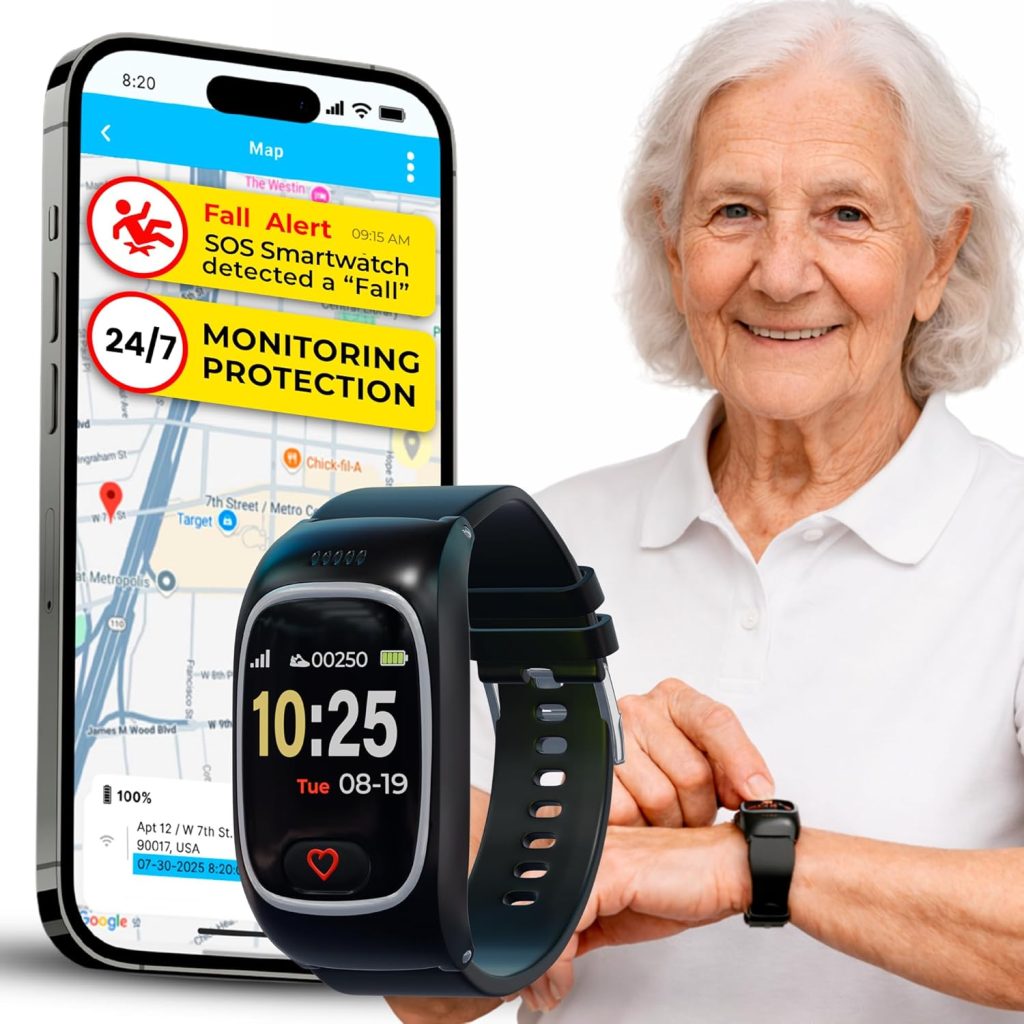
- Safety and Monitoring: For senior-specific policies, GPS functionality serves as a life-saving tool, providing real-time location data in the event of a fall or a medical emergency.
How the "Free" Watch Offer Actually Works
The most common question regarding these offers is whether the watch is truly free. In 2026, the financial structure of these deals generally follows one of three paths:
1. The "Earned" Device Model
This is the most prevalent model used by major carriers like John Hancock (Vitality) or Manulife. You pay an initial small activation fee (often $25–$50). The remaining balance of the watch is financed over 24 months. If you meet specific weekly or monthly fitness targets (e.g., hitting a certain number of "Vitality Points" through steps or elevated heart rate), the insurer pays the monthly installment for you. If you fail to meet the goals, the installment (roughly $15–$25) is charged to your credit card.
2. The Direct Premium Discount
Some insurers do not give you the watch for "free" but offer a deep discount on the hardware purchase. Once you own the watch and sync it to the insurer’s app, your consistent activity leads to a percentage-based reduction in your monthly life insurance premium.
3. The Senior Safety Bundle
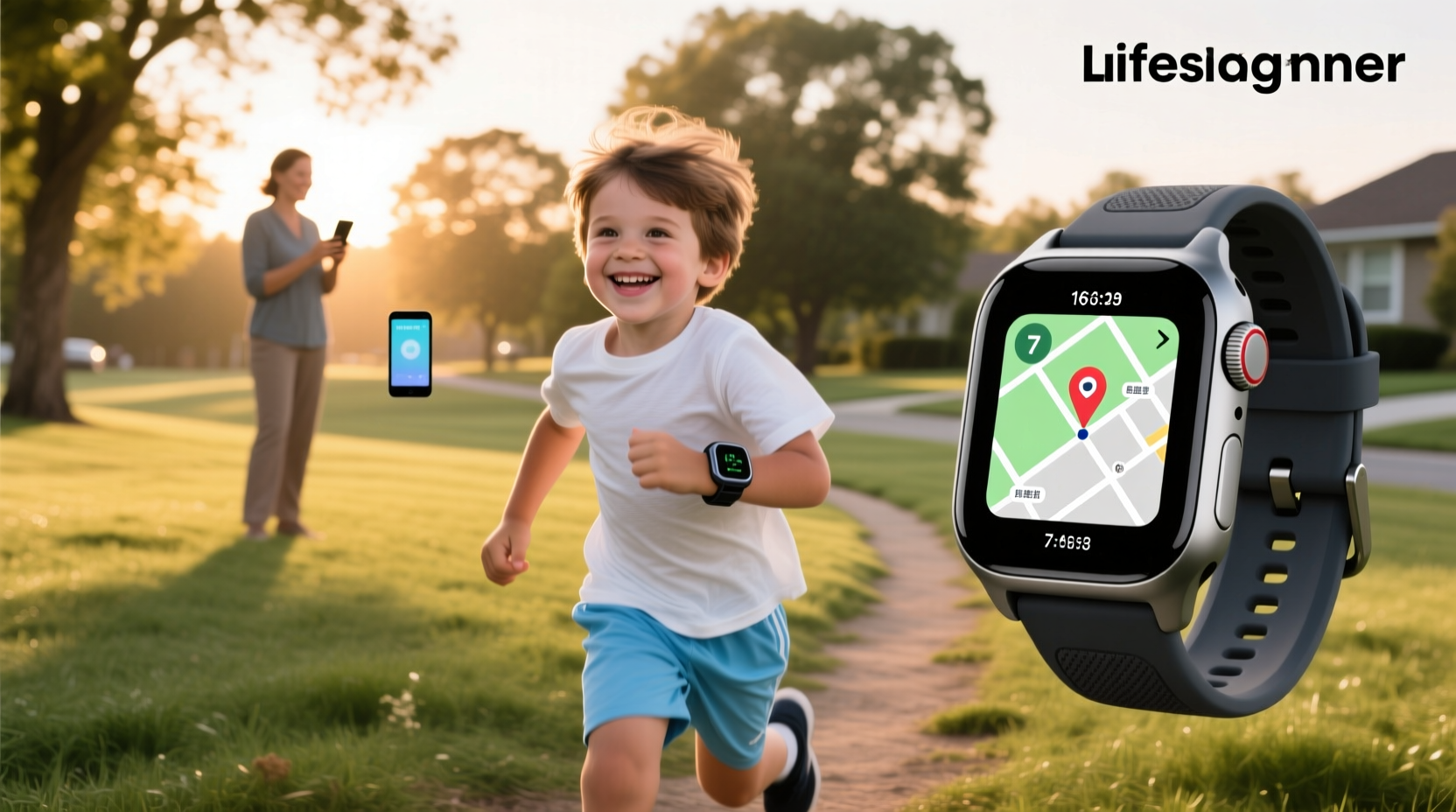
Unlike fitness-focused watches, these offers are often bundled with "Final Expense" or "Guaranteed Issue" life insurance. The watch is a specialized medical alert device with GPS tracking. The "offer" here usually involves the insurer waiving the hardware cost and the monthly monitoring fee as long as the policy remains active, viewing the device as a loss-prevention tool that could prevent accidental death through faster emergency response.
Eligibility and Technical Prerequisites
Not everyone who applies for life insurance is eligible for a GPS watch offer. As of 2026, the following requirements are standard across the industry:
- Policy Type: Most offers are tied to Term Life or Whole Life policies with a minimum face value (often $100,000 or higher). Simple "Accidental Death" policies rarely include these perks.
- Age Restrictions: For fitness-based watches, the age limit is usually capped at 70 or 75. For senior safety GPS watches, the eligibility often begins at age 60.
- Smartphone Compatibility: The watch must be able to sync with a modern smartphone (iOS or Android). You must be willing to install the insurer’s proprietary health-tracking app.
- Geographic Availability: Due to varying state and national insurance regulations, these "inducement" offers are not available in all jurisdictions.
Comparing Popular Life Insurance GPS Watch Offers
| Feature | Fitness-Focused Offer (e.g., Vitality) | Senior Safety Offer (e.g., Medical Alert) |
|---|---|---|
| Primary Device | Apple Watch, Garmin, Fitbit | Proprietary GPS Safety Watch |
| Primary Goal | Encourage exercise/weight loss | Fall detection/Emergency response |
| Initial Cost | $25 - $50 Activation Fee | $0 - $99 Setup Fee |
| Monthly Cost | $0 (if goals met) to $25 | Included in premium or waived |
| Data Shared | Steps, HR, Sleep, Workouts | Real-time Location, Fall Alerts |
| Best For | Active individuals seeking lower rates | Seniors living alone / Caregivers |
Data Privacy: What Are You Trading for a Watch?
When you accept a life insurance GPS watch offer, you are entering into a data-sharing agreement. In 2026, data privacy is a significant concern for many consumers. It is vital to distinguish between what the insurer can see and what they cannot see.
What Insurers Collect
- Activity Metrics: Total steps, active calories burned, and minutes of vigorous exercise.
- Biometrics: Heart rate trends and, in some newer models, blood oxygen levels or ECG readings.
- Consistency: How often you wear the device and engage with the health app.
What (Usually) Remains Private
- Specific GPS Routes: While the watch uses GPS to calculate distance, most insurers claim they do not track your specific "heat map" or everywhere you go, focusing instead on the distance traveled.
- Third-Party Data: Insurers generally do not have access to your text messages, photos, or non-health related apps on the watch.
Note on Legal Protections: In many jurisdictions, laws prevent life insurance companies from increasing your premiums if the watch data shows you are less active than expected. However, they can withhold the discounts or rewards you would have otherwise earned.
Potential Pitfalls and "The Catch"
While these offers are attractive, they are not without risks. Before committing, consider the following:
- The "Gym Tax": If you suffer an injury or simply lose motivation, the "free" watch becomes a monthly bill. Over two years, a "missed goal" every month could result in you paying more for the watch than its retail price.
- Obsolescence: These contracts typically last 24 months. By the time you "earn" the watch, a newer model is likely on the market.
- Underwriting Sensitivity: While the watch data is used for rewards, the initial application still requires traditional underwriting. If you have significant pre-existing conditions, the "free watch" may not offset the higher premiums associated with your health profile.
How to Claim a Life Insurance GPS Watch Offer
If you have determined that the trade-off between data and rewards is worth it, follow these steps to secure the offer:
- Request a "Vitality" or "Interactive" Quote: When speaking with a broker, specifically ask for policies that include wearable incentives.
- Complete the Digital Health Review: Most insurers require a preliminary online health survey to activate the rewards program.
- Choose Your Hardware: Once the policy is in force, you will receive a link to the "Rewards Mall" or a specific portal to select your device.
- Sync and Verify: Download the insurer’s app immediately and sync it with your Apple Health or Google Fit account.
- Monitor Your Progress: Check the app weekly. Most programs operate on a "points" system that resets monthly. Ensure your data is uploading correctly to avoid being charged the device installment.
Frequently Asked Questions
Can my life insurance be canceled if I stop wearing the watch?
No, your life insurance policy cannot be canceled simply because you stop wearing the GPS watch or fail to meet fitness goals. However, you will lose any associated premium discounts, and you will likely be required to pay the remaining balance of the watch's hardware cost.
Does the GPS watch track my location at all times?
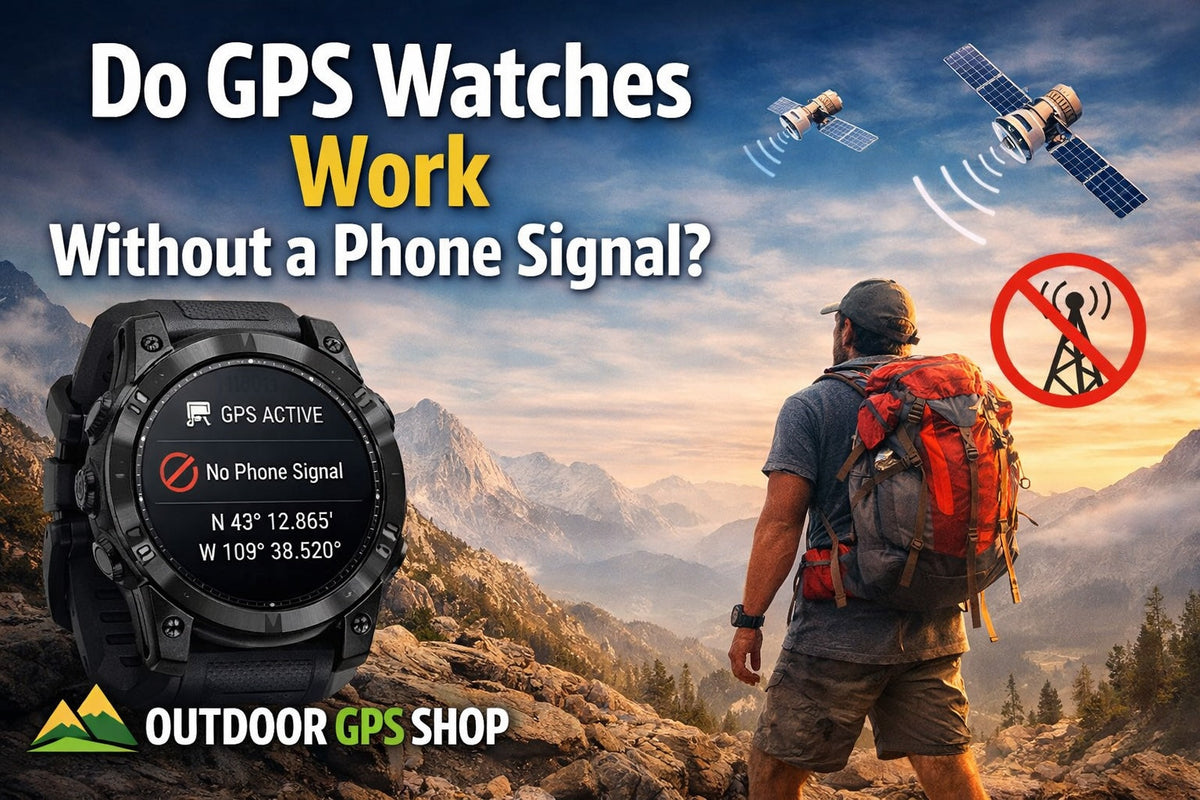
Fitness-based watches use GPS primarily to measure distance and pace during outdoor workouts. While the hardware has the capability to track location, standard insurance privacy agreements in 2026 restrict insurers to collecting aggregate activity data rather than real-time location pings, unless it is a specific "Senior Safety" device intended for emergency tracking.
What happens if the watch breaks?
Most "earned" watch programs include the manufacturer's standard warranty. If the device fails due to a defect, the manufacturer handles the replacement. If it is lost or broken through accidental damage, the policyholder is usually responsible for the remaining installments on the original "loan" for the device.
Can I use a watch I already own?
Many insurers now offer a "Bring Your Own Device" (BYOD) option. In this scenario, you do not receive a new watch, but you receive immediate premium credits or higher reward points because the insurer does not have to subsidize the hardware cost.
Are these offers available for "No Medical Exam" policies?
Yes, many "no-med" or "accelerated underwriting" policies in 2026 use wearable data as a substitute for the traditional paramedical exam. In these cases, the GPS watch acts as a continuous "digital exam" that helps the insurer manage risk without needing a blood draw.
Practical Recommendation
If you are already an active individual who walks, runs, or cycles regularly, a life insurance GPS watch offer is essentially a "subsidized upgrade" to your tech stack. It rewards your existing behavior with tangible financial gains. However, if you are uncomfortable with an insurance company having a window into your daily movement patterns, or if you find the pressure of "hitting your numbers" stressful, it is better to opt for a traditional policy and purchase your smartwatch independently. Always read the Data Privacy Addendum of your specific policy to ensure you know exactly how your movement data will be stored and used.
Image Gallery