AAA Auto Insurance Comprehensive Coverage: Features, Costs, and Claims
AAA comprehensive auto insurance provides financial protection against non-collision incidents such as theft, vandalism, fire, and weather damage. Often referred to as "other-than-collision" coverage, it pays to repair or replace your...
AAA comprehensive auto insurance provides financial protection against non-collision incidents such as theft, vandalism, fire, and weather damage. Often referred to as "other-than-collision" coverage, it pays to repair or replace your vehicle up to its actual cash value, minus your chosen deductible, ensuring peace of mind against unpredictable environmental risks and external hazards.
Contents
Understanding the Structure of AAA Auto Insurance
AAA (the American Automobile Association) is not a single insurance company but a federation of independent regional clubs. Depending on your location, your insurance may be underwritten by different entities, such as the Auto Club Group (ACG), CSAA Insurance Group, or Auto Club Enterprises. While the specific policy language can vary slightly between regions, the core definition of comprehensive coverage remains consistent across the federation.
To access AAA auto insurance, you must first be a member of the organization. This membership-based model differentiates AAA from standard "direct-to-consumer" insurers. The comprehensive portion of your policy is designed to bridge the gap between liability insurance—which covers damage you cause to others—and collision insurance—which covers your car during an accident with another vehicle or object. In 2026, as vehicle technology including advanced driver-assistance systems (ADAS) becomes standard, the cost of repairing sensors and cameras damaged by non-collision events (like a cracked windshield) has made comprehensive coverage more vital than ever.
What Does AAA Comprehensive Insurance Actually Cover?
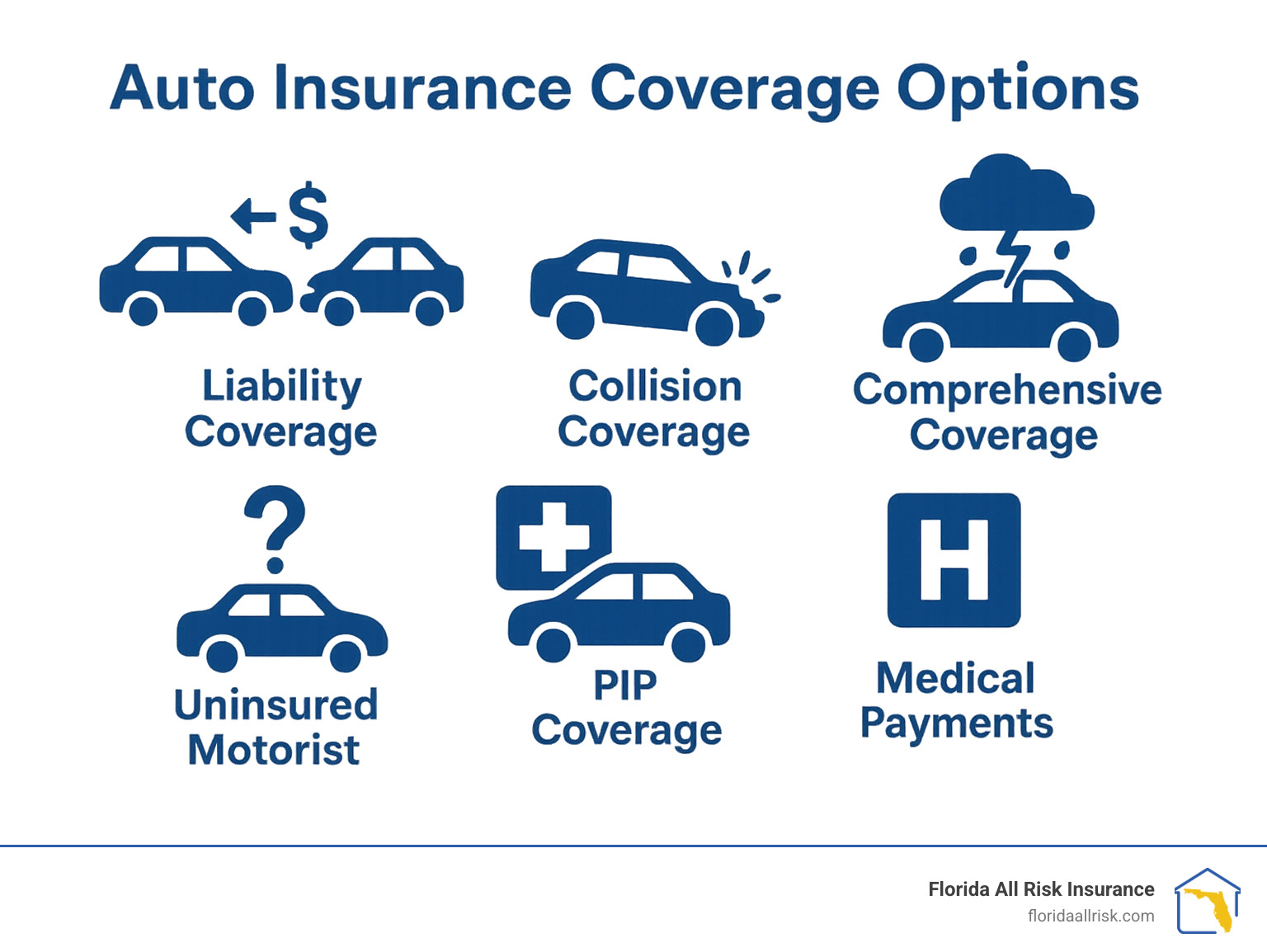
Comprehensive coverage is a "multi-peril" policy. Instead of covering one specific type of accident, it covers almost everything that isn't a collision. For many drivers, this is the most important part of their policy for long-term asset protection.
Theft and Vandalism
If your vehicle is stolen and not recovered, AAA comprehensive coverage pays out the Actual Cash Value (ACV) of the car. It also covers damage resulting from a break-in, such as smashed windows, damaged ignition systems, or stolen factory-installed equipment. In 2026, this increasingly includes coverage for the theft of specialized components like high-capacity EV batteries or catalytic converters, provided they were original to the vehicle or declared to the insurer.
Weather and Natural Disasters
Environmental damage is a primary driver of comprehensive claims. This includes:
- Hail Damage: Pitting or denting of the car’s bodywork and shattered glass.
- Flooding: Internal and mechanical damage caused by rising water or storm surges.
- Windstorms: Damage from debris blown against the vehicle during high-wind events.
- Fire: Total or partial loss due to engine fires, wildfires, or external fires spreading to the garage.
Animal Strikes
If a deer, moose, or other animal jumps in front of your car, the resulting damage is filed under comprehensive coverage, not collision. This is a crucial distinction because animal strikes are often considered "not-at-fault" accidents, which typically have a lower impact on your future premiums than a standard collision claim.
Falling Objects
This covers damage from falling tree limbs, ice falling from buildings, or even debris falling from a construction site. Essentially, if gravity brings an object into contact with your parked or moving vehicle, comprehensive coverage is the applicable protection.
Understanding the Comprehensive Deductible
The deductible is the amount you agree to pay out of pocket before AAA covers the remaining costs of a claim. In 2026, most AAA policies offer deductible options ranging from $100 to $1,000.
Choosing a higher deductible will lower your monthly or annual premium, as you are assuming more of the financial risk. Conversely, a $0 or $100 deductible will result in a higher premium but ensures that small incidents, like a $600 windshield replacement, are mostly covered by the insurer. Many AAA clubs offer a specific "Full Glass" endorsement, which allows for $0 deductible glass repair or replacement even if your main comprehensive deductible is higher.
Comprehensive vs. Collision: Key Differences
It is common for policyholders to confuse these two "physical damage" coverages. While they are often packaged together as "full coverage," they serve different purposes and are triggered by different events.
| Feature | Comprehensive Coverage | Collision Coverage |
|---|---|---|
| Primary Trigger | Non-collision events (Theft, Nature) | Accidents with vehicles or objects |
| At-Fault Status | Usually "Not-at-Fault" | Can be "At-Fault" or "Not-at-Fault" |
| Required by Law? | No | No |
| Required by Lenders? | Yes (if the car is financed/leased) | Yes (if the car is financed/leased) |
| Covers Animal Strikes? | Yes | No |
| Covers Vandalism? | Yes | No |
| Payout Limit | Actual Cash Value (ACV) | Actual Cash Value (ACV) |
AAA Membership and Insurance Eligibility
Because AAA is a member-centric organization, you cannot purchase comprehensive insurance without maintaining an active AAA membership. The cost of this membership (usually $60 to $160 per year depending on the tier) should be factored into the overall cost of your insurance.
Membership provides benefits that complement comprehensive coverage, such as:
- Roadside Assistance: If your car is damaged by an event covered by comprehensive (like a tree limb falling on it), AAA's roadside service can tow it to a repair facility.
- Discounts: Members often receive 5% to 15% discounts on their premiums.
- Repair Network: AAA-Approved Auto Repair (AAR) facilities often offer guaranteed workmanship for as long as you own the vehicle when you use your comprehensive coverage there.
To apply for coverage in 2026, you generally need to provide your vehicle identification number (VIN), driving history for all household members, and the address where the vehicle is garaged. AAA will also evaluate your credit-based insurance score in states where this is legally permitted.
The Cost of AAA Comprehensive Coverage in 2026
The price of comprehensive coverage is generally lower than collision coverage because the statistical likelihood of a "random" act of nature or theft is often lower than the likelihood of a fender-bender. However, several factors influence your specific rate:
- Vehicle Value: A 2026 luxury electric SUV costs more to replace than a ten-year-old sedan, leading to higher comprehensive premiums.
- Location: If you live in an area prone to hurricanes, hail, or high rates of vehicle theft, your comprehensive rates will reflect that increased risk.
- Garage Status: Parking your car in a locked garage versus on a public street can sometimes lower your comprehensive premium.
- Security Features: Anti-theft devices, GPS trackers (like LoJack), and etched VINs on windows can trigger discounts.
According to the National Association of Insurance Commissioners (NAIC), comprehensive coverage remains one of the most stable components of auto insurance pricing, though it is sensitive to the rising cost of high-tech replacement parts.
Optional Add-ons and Enhancements
When selecting AAA comprehensive coverage, you may have the option to include "riders" or endorsements that expand your protection:
- OEM Parts Coverage: Standard policies usually pay for "Like Kind and Quality" (LKQ) parts, which may be used or aftermarket. This endorsement ensures that repairs are made with Original Equipment Manufacturer parts from the car's maker.
- Transportation Expense / Rental Reimbursement: If your car is in the shop for a week due to a comprehensive claim (like hail repair), this pays for a rental car.
- Gap Insurance: If your car is totaled and you owe more on your loan than the Actual Cash Value, Gap insurance covers the difference. This is vital for new car owners in 2026 due to rapid initial depreciation.
Filing a Comprehensive Claim with AAA
If your vehicle sustains damage covered by the comprehensive portion of your policy, the claims process follows these general steps:
- Document the Damage: Take high-resolution photos and videos of the vehicle and the surrounding area (e.g., the fallen tree or the flood waterline).
- File a Police Report: For theft or vandalism, a police report is almost always required by AAA before they will process the claim.
- Contact AAA: You can file a claim via the AAA mobile app, website, or by calling their 24/7 claims hotline.
- Adjuster Inspection: AAA may send an adjuster to inspect the damage or ask you to take photos through a guided digital tool to generate an estimate.
- Payment: AAA will issue payment to the repair shop or directly to you (minus the deductible). If the vehicle is totaled, payment goes to the lienholder first, with any remaining balance sent to you.
Detailed information on the claims process and consumer rights can be found at the Insurance Information Institute (III).
Common Mistakes to Avoid
- Underestimating the Value of Glass: Many people select a high deductible to save money but realize too late that a single rock chip requires a full windshield replacement. In modern cars, this often requires "recalibrating" sensors, which can cost upwards of $1,500. Ensure you have glass-specific coverage.
- Assuming Personal Items are Covered: Comprehensive coverage protects the car, not the items inside it. If your laptop is stolen from your backseat, you usually need to file a claim through your homeowners or renters insurance, not your AAA auto policy.
- Forgetting to Update the Lienholder: If you pay off your car loan, notify AAA. You may want to adjust your comprehensive deductible once you are no longer contractually obligated by a bank to maintain specific limits.
FAQs
Is AAA comprehensive insurance mandatory?
No state law requires comprehensive coverage. However, if you have a car loan or lease, your lender or leasing company will almost certainly require you to carry both comprehensive and collision insurance to protect their financial interest in the asset.
Does comprehensive insurance cover engine failure?
Standard comprehensive insurance does not cover mechanical breakdowns, wear and tear, or engine failure due to poor maintenance. It only covers engine damage if it is caused by a covered "peril," such as a fire or a flood.
If a tree falls on my car while it's in my garage, is it covered by AAA?
Yes, this is a classic comprehensive claim. Even though the car was in your home/garage, the damage to the vehicle is covered by your auto policy’s comprehensive section, while the damage to the garage structure would be covered by your homeowners insurance.
Will my rates go up if I file a comprehensive claim?
Generally, comprehensive claims have a much smaller impact on premiums than collision claims because they are considered "acts of God" or incidents beyond the driver's control. However, filing multiple comprehensive claims in a short period (e.g., three glass claims in one year) may lead to a rate increase or the loss of a "claims-free" discount.
Does AAA comprehensive coverage work in other countries?
Most AAA policies provide coverage throughout the United States, its territories, and Canada. Coverage in Mexico usually requires a separate specific endorsement or a separate policy entirely, as Mexican law has different requirements for insurance.
Practical Recommendation
If your vehicle is less than 10 years old or is worth more than $5,000, maintaining AAA comprehensive coverage is highly recommended. For those living in regions with extreme weather or high theft rates, consider a lower deductible ($250 or less) to ensure that the policy remains useful for smaller, more frequent incidents. Always verify if your regional AAA club offers a "Full Glass" endorsement, as this is often the most cost-effective way to handle the most common type of comprehensive claim in 2026.
Image Gallery