A Comprehensive Guide to Choosing the Perfect Wedding Suit for 2026
Choosing the right suit for a wedding in 2026 involves balancing the couple’s specified dress code with the season, venue, and time of day. Generally, a well-tailored navy or charcoal wool suit serves as the most versatile option for c...
Choosing the right suit for a wedding in 2026 involves balancing the couple’s specified dress code with the season, venue, and time of day. Generally, a well-tailored navy or charcoal wool suit serves as the most versatile option for cocktail or semi-formal events, while a black tuxedo remains the standard for formal or black-tie celebrations.
Contents
Navigating the Hierarchy of Wedding Dress Codes
The foundation of selecting a wedding suit is the dress code stated on the invitation. This instruction is not merely a suggestion; it is a guideline designed to ensure the aesthetic harmony of the event and to help guests feel comfortable within the environment. Understanding the nuances between "Formal" and "Black Tie Optional" can prevent the embarrassment of being over- or under-dressed.
White Tie: The Pinnacle of Formality
White tie is the most formal dress code in Western fashion, though it has become increasingly rare in 2026. For a white tie wedding, a standard suit is insufficient. You must wear a black tailcoat, a white stiff-fronted shirt with a detachable wing collar, a white piqué waistcoat, and a matching white piqué bow tie. Footwear must be black patent leather oxfords. Because this is a highly specialized ensemble, many guests choose to rent these garments from reputable formalwear providers.
Black Tie: Timeless Elegance
Black tie is common for evening weddings held at upscale hotels or private clubs. The requirement here is a tuxedo (dinner jacket). Traditionally, this includes a black or midnight blue wool jacket with silk or grosgrain lapels (peak or shawl), matching trousers with a silk stripe down the leg, and a black bow tie. In 2026, we see a slight trend toward velvet dinner jackets in deep emerald or burgundy for winter weddings, provided the event isn't strictly traditional.
Black Tie Optional and Formal
These terms are often used interchangeably. They signal that the wedding is a high-formality event, but the couple recognizes that not every guest owns a tuxedo. If you have a tuxedo, wear it. If you do not, a dark, conservative suit in charcoal or midnight navy is the appropriate substitute. A white dress shirt and a conservative silk tie are mandatory to maintain the "formal" atmosphere.
Cocktail Attire: The Modern Standard
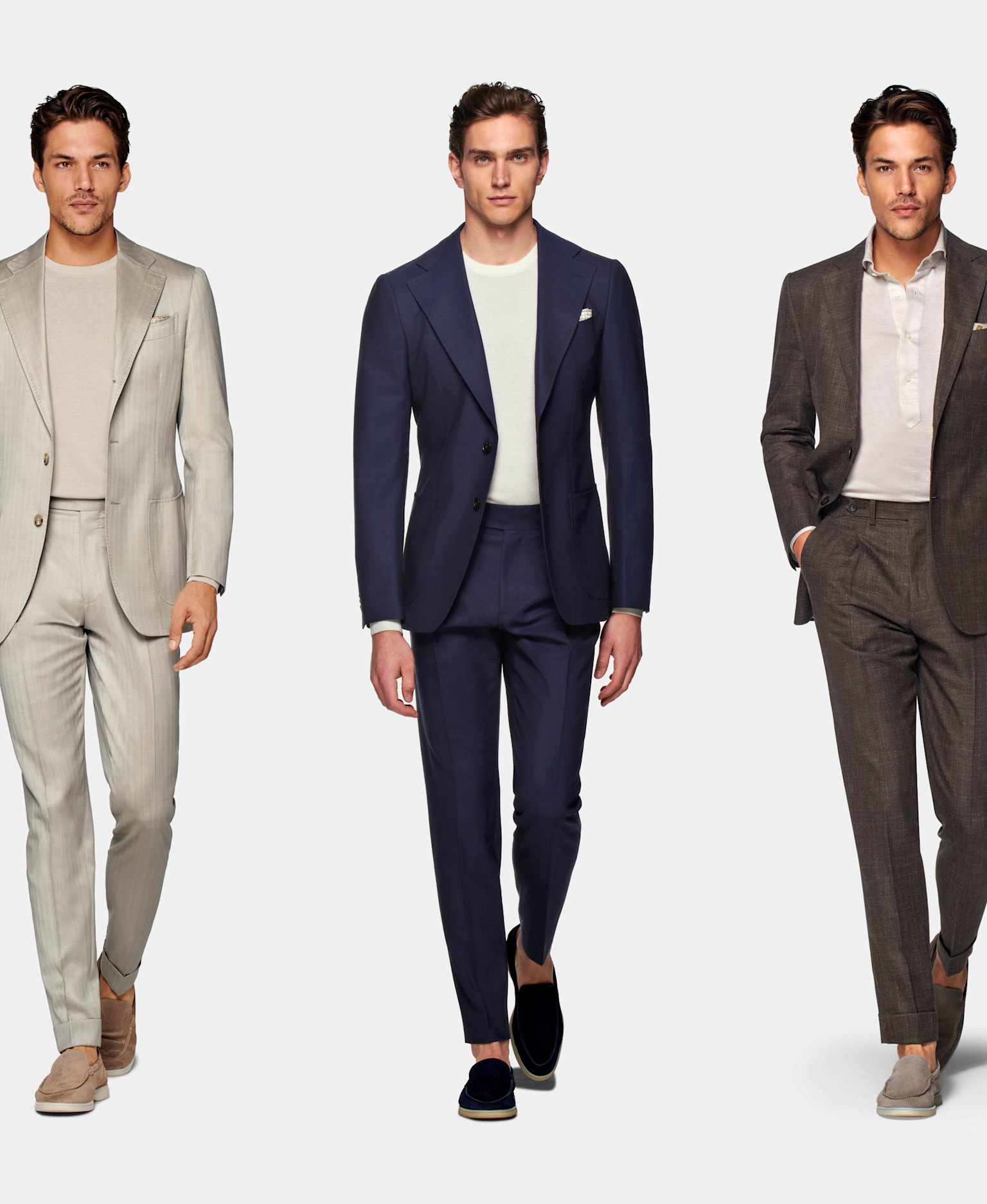
Cocktail attire is perhaps the most frequent dress code for weddings in 2026. It bridges the gap between formal and semi-formal. A suit is required, but you have more freedom with colors and patterns. While navy and grey remain staples, you can experiment with subtle textures like bird’s-eye or windowpane checks. A tie is expected, and your footwear should be leather dress shoes—either oxfords, derbies, or high-quality loafers.
Seasonal Fabric Selection and Comfort
In 2026, textile technology has advanced to allow for better temperature regulation, but the fundamental rules of fabric weight and breathability remain the same. The season in which the wedding takes place should dictate the material of your suit to ensure you remain comfortable from the ceremony through the reception.
Spring and Summer: Lightweight and Breathable
For outdoor or beach weddings during the warmer months, heavy wools can lead to significant discomfort. Instead, look for:
- Linen: Highly breathable but prone to wrinkling. In 2026, linen-silk or linen-wool blends are popular as they provide the cooling benefits of linen with the structure and wrinkle resistance of other fibers.
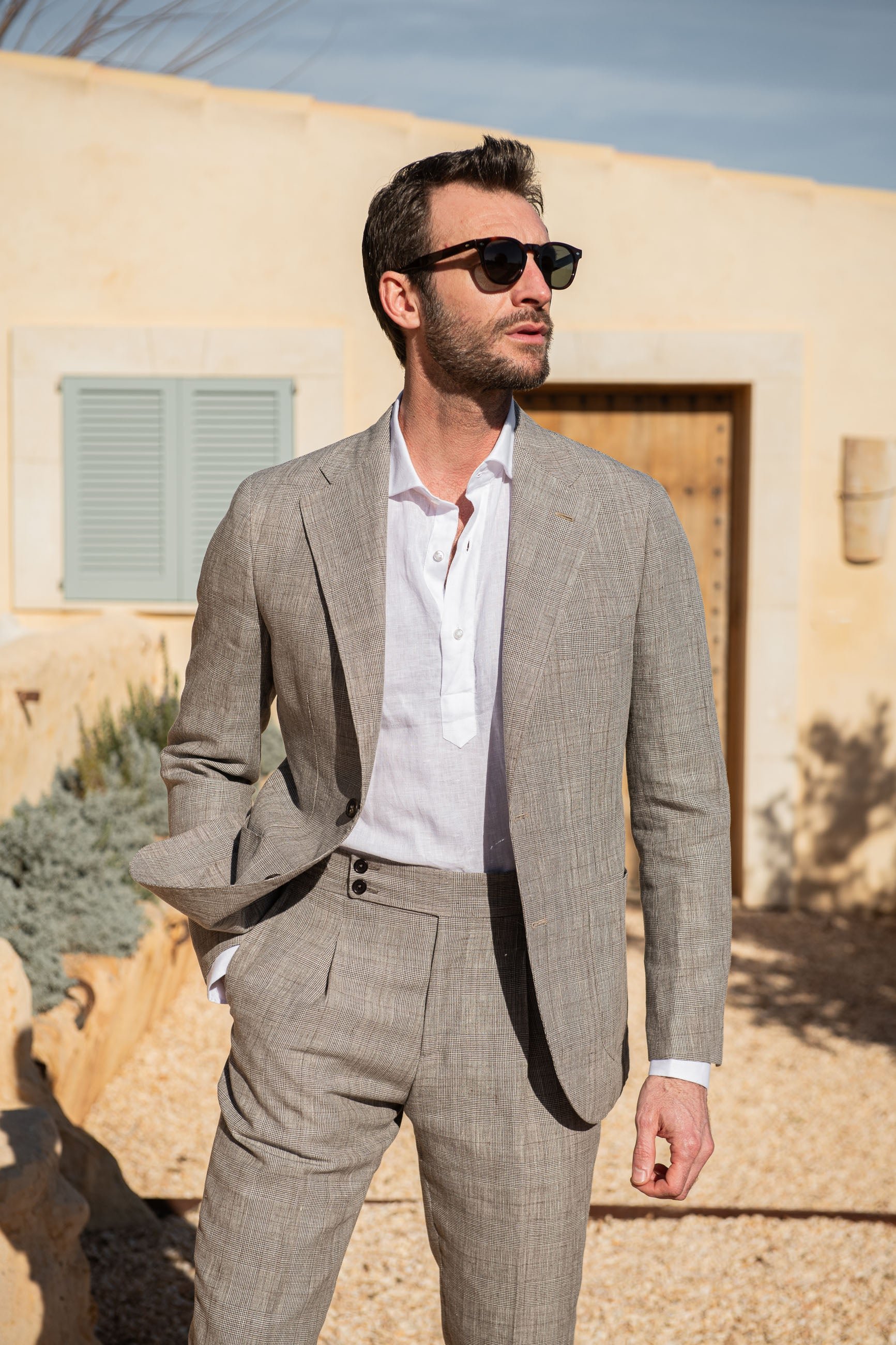
- Seersucker: A puckered cotton fabric that sits away from the skin, allowing for airflow. While traditionally blue and white striped, modern seersucker in solid navy or tan is a sophisticated choice for 2026 summer weddings.
- Fresco Wool: A high-twist wool with an open weave. It looks like a standard suit but breathes as well as linen, making it the "gold standard" for formal summer events.
Fall and Winter: Texture and Warmth
Cooler temperatures allow for heavier, more textured fabrics that add visual depth to your look:
- Flannel: A brushed wool that provides excellent insulation and a soft, matte finish. Grey flannel suits are particularly elegant for autumn forest weddings.
- Tweed: Ideal for rustic or countryside weddings. Tweed is durable and warm, often featuring earthy tones like olive, brown, and rust.
- Velvet: Primarily reserved for evening formalwear, a velvet blazer in a dark jewel tone is a signature 2026 style for winter celebrations.
The Importance of Fit and Tailoring
Regardless of how expensive a suit is, it will look poor if it does not fit correctly. In 2026, the trend has moved away from the ultra-skinny silhouettes of the previous decade toward a "neo-classic" fit—slim but comfortable, with natural shoulders and a slight taper in the trousers.
Key Areas for Tailoring
- The Shoulders: The seam of the suit jacket should end exactly where your natural shoulder ends. If it hangs over, the jacket is too large; if it bunches up, it is too small. Shoulder adjustments are expensive and difficult, so prioritize getting this right off-the-rack.
- The Sleeve Length: Your jacket sleeves should end just above your wrist bone, allowing about half an inch of your shirt cuff to show. This creates a polished, intentional look.
- The Trouser Break: The "break" is the fold of fabric where your trouser leg hits your shoe. For 2026, a "quarter break" or "no break" is preferred, providing a clean, modern line that doesn't look sloppy.
- The Jacket Waist: A tailor can "take in" the waist of a jacket to create a more athletic V-shaped silhouette, which prevents the garment from looking like a box.
Color Theory for Wedding Guests
While the couple are the stars of the show, your choice of color should reflect the mood of the event while remaining respectful.
| Wedding Type | Recommended Suit Colors | Recommended Shirt | Footwear Color |
|---|---|---|---|
| Traditional Evening | Black, Midnight Blue, Charcoal | White | Black |
| City/Hotel (Cocktail) | Navy, Slate Grey, Dark Plum | White, Light Blue | Dark Brown, Black |
| Garden/Outdoor | Olive, Tan, Light Grey | Pale Pink, Blue, White | Mid-Brown, Tan |
| Beach/Destination | Sand, Dusty Blue, Off-White | White, Linen | Tan Loafers, Suede |
Colors to Avoid
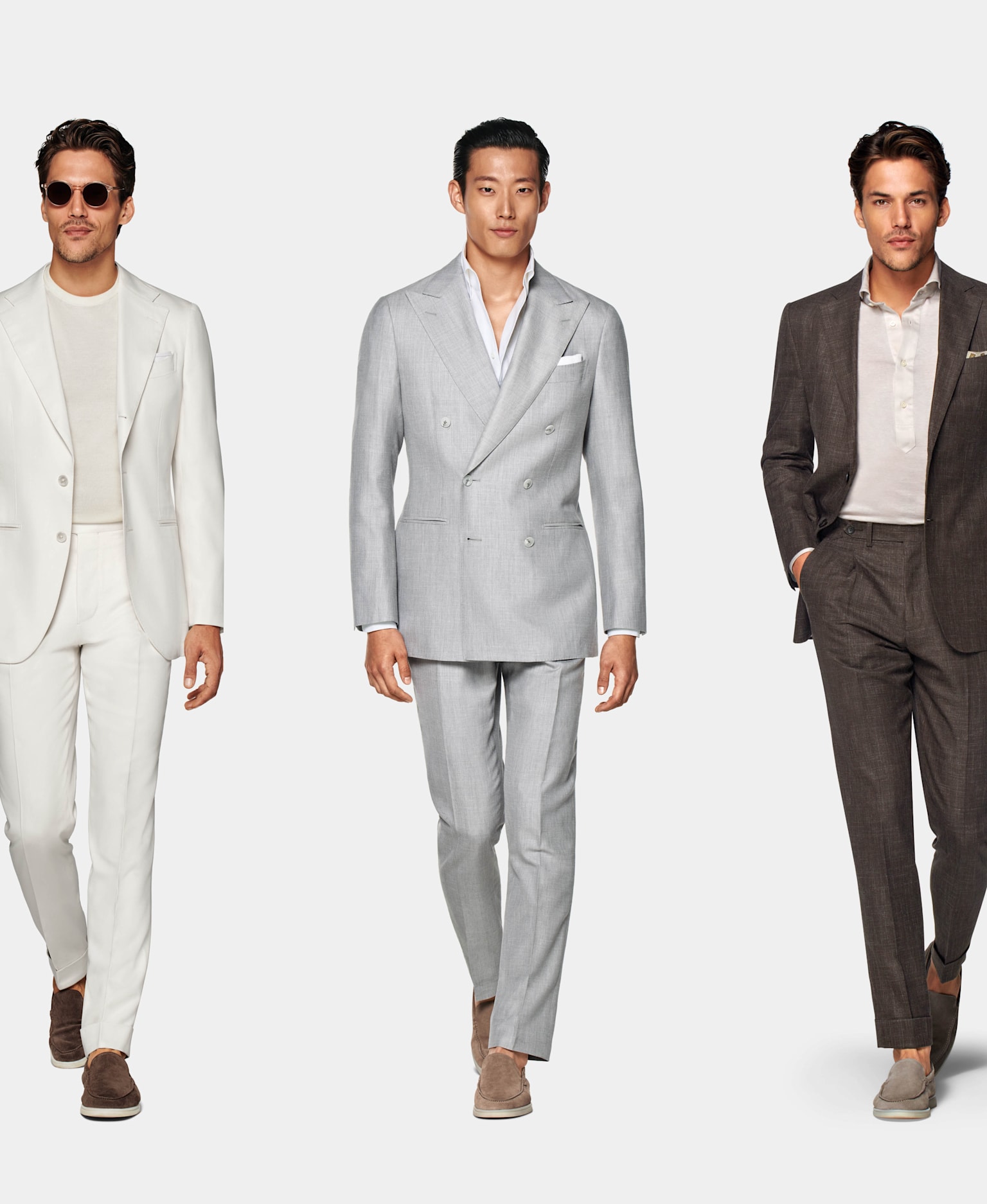
Unless explicitly requested by the couple, avoid wearing a solid white or ivory suit, as these colors are traditionally reserved for the bride. Similarly, very bright or "neon" colors should be avoided as they can be distracting in photographs. In 2026, "stealth wealth" aesthetics—rich, muted tones—are far more fashionable than loud, branding-heavy outfits.
Footwear and Accessories: Finishing the Look
Accessories are where you can inject personality into your wedding attire, provided they don't clash with the dress code.
Shoes
For formal weddings, stick to leather oxfords. For cocktail and semi-formal events, you have more flexibility. Leather or suede loafers (penny or tassel) are excellent choices for summer. Ensure your belt matches the color and finish of your shoes. In 2026, the "suit with sneakers" trend has largely receded for weddings, reserved only for the most casual, "athleisure-inspired" celebrations.
Ties and Pocket Squares
A silk tie is the standard for formal events, while knit ties can add a nice texture to semi-formal or casual looks. When choosing a pocket square, do not match it exactly to your tie. Instead, choose a pocket square that picks up a secondary color from your tie or shirt. A simple white linen pocket square in a TV fold is always appropriate and stylish.
Watches and Jewelry
A dress watch with a leather strap is the most appropriate timepiece for a suit. Large, chunky divers' watches or smartwatches with rubber bands can detract from the elegance of a formal ensemble. If you wear cufflinks, ensure the metal matches your watch and belt buckle.
Common Mistakes to Avoid
Even seasoned wedding-goers can make errors in judgment. Avoiding these common pitfalls will ensure you remain one of the best-dressed guests:
- Leaving the Tack Stitching Closed: New suits often come with "X" stitches holding the jacket vents and pockets closed. Always snip these before wearing the suit.
- Matching the Groom: If you are not in the wedding party, try to find out what the groom and groomsmen are wearing so you don't inadvertently look like a "lost" member of the bridal party.
- Ignoring the Venue: Wearing a heavy wool suit to a beach wedding in 90-degree heat is a recipe for a miserable day. Always check the venue location and weather forecast.
- Over-Accessorizing: Follow the "Rule of Three": tie, pocket square, and watch/cufflinks. Adding tie bars, lapel pins, and multiple rings can quickly become cluttered.
Frequently Asked Questions
Can I wear a black suit to a wedding if it’s not black tie?
Yes, you can wear a black suit to a wedding, but it can sometimes look more like funeral attire or office wear. To make a black suit work for a wedding, pair it with a crisp white shirt and a colorful or patterned tie and pocket square to lighten the mood. Alternatively, a charcoal suit is usually a more versatile and softer option.
Is a tie always necessary for a wedding?
Unless the invitation specifies "Casual" or "Beach Casual," a tie is generally expected. For "Cocktail" or "Semi-Formal" events, you can sometimes omit the tie if you wear a high-quality, well-structured suit with a crisp button-down shirt, but it is always safer to bring one. You can always take it off later if the vibe is more relaxed.
What should I wear if there is no dress code listed?
When no dress code is provided, the time and location are your best clues. An evening wedding at a banquet hall usually implies cocktail attire (a suit and tie). A morning ceremony in a park suggests semi-formal (a blazer and chinos or a lighter-colored suit). When in doubt, a navy suit with a white shirt is the "Swiss Army Knife" of wedding attire.
Can I wear a suit I already use for work?
Yes, provided it is in good condition and fits well. To "de-office" a business suit, change your accessories. Swap your corporate striped tie for a solid silk or floral pattern, and use a pocket square. Ensure the suit is professionally dry-cleaned and pressed before the event.
Are loafers acceptable with a suit for a wedding?
In 2026, loafers are widely accepted for all but the most formal (White Tie/Black Tie) weddings. For cocktail or semi-formal events, a polished leather bit loafer or a sleek tassel loafer can look very sophisticated. However, ensure your trousers have a slight taper and a shorter break to complement the lower profile of the shoe.
Final Recommendations for 2026
When preparing for a wedding in 2026, prioritize comfort and fit above all else. A moderately priced suit that has been expertly tailored will always look better than an expensive designer suit that is too large or too tight. If you are only going to own one suit, make it a mid-to-dark navy blue in a four-season wool (around 250-280g weight). This garment will carry you through almost any wedding dress code with the right choice of shirt and tie. Lastly, remember that the goal is to look your best while respecting the couple's vision for their special day—when you look good, you feel confident, allowing you to focus on the celebration.
Image Gallery