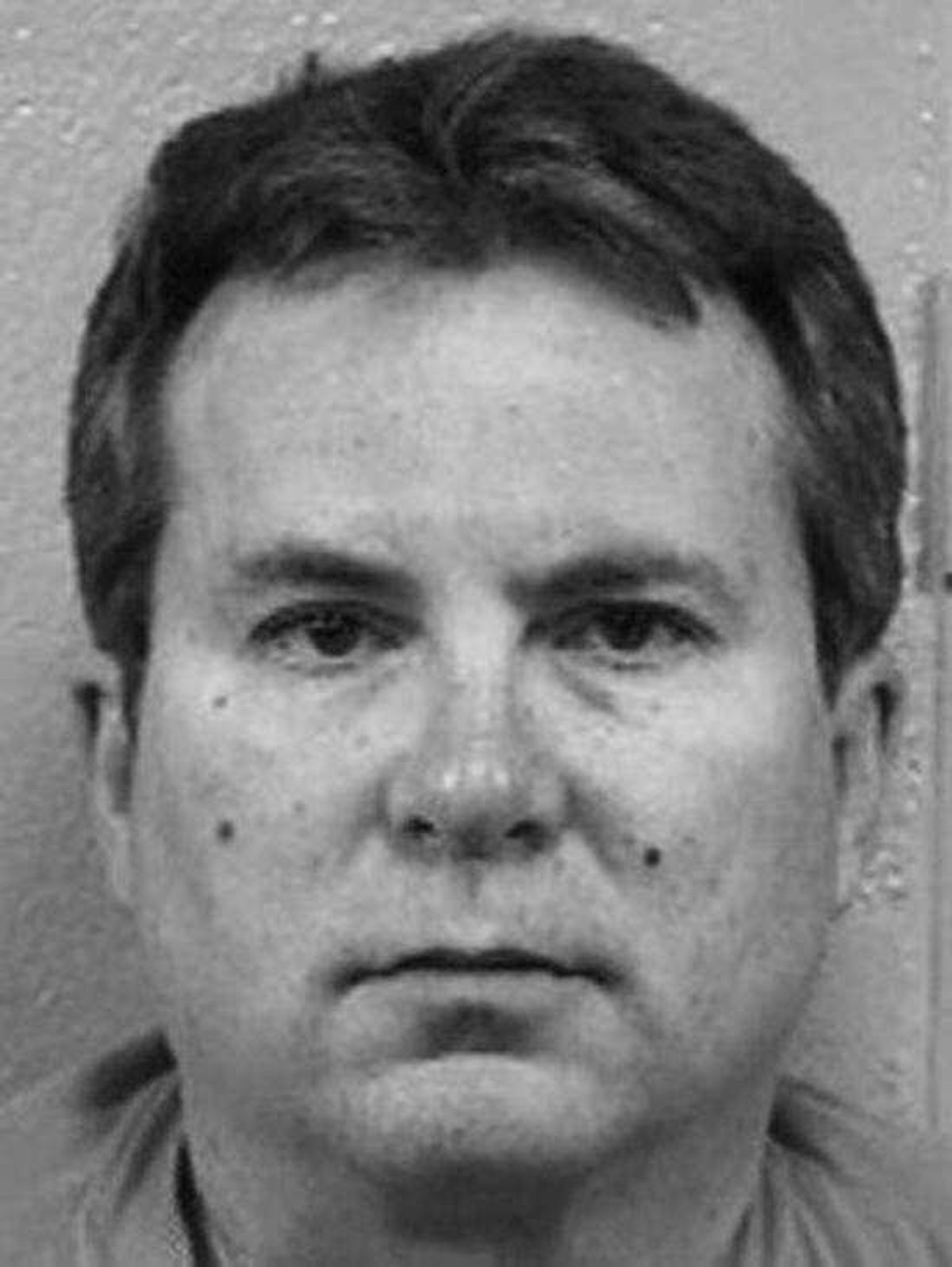
Is George Joseph Still Alive? The Current Status of the Mercury General Founder
As of early 2026, there are no public records or official announcements from Mercury General Corporation indicating that George Joseph has passed away. Born in September 1921, the billionaire founder remains a prominent figure in the i...
As of early 2026, there are no public records or official announcements from Mercury General Corporation indicating that George Joseph has passed away. Born in September 1921, the billionaire founder remains a prominent figure in the insurance world, recognized for his extraordinary longevity and his enduring role as the largest shareholder of the company he founded over six decades ago.
Contents
The Longevity of an Insurance Titan
George Joseph is frequently cited as one of the oldest living billionaires in the world. His life spans more than a century of American history, from the Great Depression and World War II to the digital revolution of the 21st century. For investors, employees of Mercury General, and industry analysts, the question of his health is often tied to the stability and legacy of the organization he built.
As a centenarian, Joseph has defied many of the typical expectations regarding retirement. Throughout his 90s and into his 100s, he remained a fixture at the Mercury General headquarters in Los Angeles, maintaining an active interest in the company's performance. While he has stepped back from day-to-day executive management, his influence as Chairman Emeritus and a significant stakeholder remains a foundational element of the company’s corporate identity.
Early Life and the Impact of World War II
To understand why George Joseph is such a respected figure, one must look at the discipline and resilience shaped during his early years. Born to Lebanese immigrant parents in Beckley, West Virginia, Joseph grew up in a modest household during the peak of the Great Depression. This era of scarcity is often credited with instilling the frugal, data-driven approach that would later characterize his business strategy.
During World War II, Joseph served as a flight navigator in the U.S. Army Air Forces. He flew 50 missions over North Africa and Italy in a B-17 Flying Fortress. The precision required for aerial navigation—calculating coordinates, managing risks, and executing missions under extreme pressure—parallels the actuarial precision he would later bring to the insurance industry.
Following the war, Joseph utilized the G.I. Bill to attend Harvard University. He completed a dual degree in mathematics and physics in just three years, graduating in 1949. This technical background was rare in the insurance sales world of the 1950s and provided him with a unique advantage when analyzing risk pools.
The Founding of Mercury General Corporation
After a stint as a door-to-door insurance salesman and a manager at Occidental Life, Joseph recognized a massive inefficiency in how auto insurance was priced. In the early 1960s, most major insurers used broad, generalized categories to determine premiums. Joseph realized that by using more granular data, he could offer lower rates to safe drivers while still covering those who were considered "sub-standard" or higher risk by other firms.
In 1961, with $250,000 in capital, he founded Mercury General. The company’s primary innovation was its aggressive use of data to segment the market. Joseph was one of the first to implement computerized systems to manage policyholder data, allowing Mercury to react faster than legacy competitors.
Business Model and Growth
Mercury General focused initially on the California market. Joseph’s strategy was simple but effective:
- Selective Underwriting: By identifying low-risk drivers more accurately, Mercury could undercut the pricing of giant insurers like State Farm and Allstate.
- Independent Agents: Instead of employing a massive internal sales force, Joseph leaned on independent agents, fostering a loyal network by providing them with competitive products.
- Cost Containment: The company became known for its lean operations, a reflection of Joseph’s own personal frugality.
By the time the company went public in 1985, it had established itself as a major player in the California insurance landscape. Even as the company expanded into other states and diversified its offerings to include homeowners and commercial insurance, the core philosophy remained rooted in the mathematical principles Joseph mastered at Harvard.
Professional Milestones and Historical Context
The following table outlines the key milestones in the life and career of George Joseph, providing context for his status as a centenarian leader.
| Period/Year | Milestone | Significance |
|---|---|---|
| 1921 | Born in Beckley, West Virginia | Raised in a Lebanese immigrant family during the Depression. |
| 1942–1945 | WWII Service | Flew 50 missions as a B-17 navigator. |
| 1949 | Graduation from Harvard | Earned degrees in Math and Physics in three years. |
| 1961 | Founded Mercury General | Launched with $250,000 in Los Angeles, California. |
| 1985 | Initial Public Offering (IPO) | Mercury General (MCY) began trading on the NYSE. |
| 2011 | 50th Anniversary of Mercury | Joseph remained active as Chairman at age 90. |
| 2021 | 100th Birthday | Celebrated as one of the oldest active billionaires globally. |
| 2026 | Current Status | Continues to hold the title of Chairman Emeritus and largest shareholder. |
Political Influence and Industry Advocacy
George Joseph's impact on the insurance industry is not limited to business growth; he has also been a formidable force in the political arena, particularly in California. He was a central figure in the battles surrounding Proposition 103, a 1988 California ballot initiative that fundamentally changed how insurance rates were regulated.
Joseph argued consistently that over-regulation and mandatory rate rollbacks would ultimately hurt consumers by reducing competition. Over the decades, he spent millions of his own fortune to support ballot measures aimed at allowing insurers to offer "persistency discounts" to loyal customers—a practice he believed rewarded responsible behavior.
While these political efforts were often controversial and met with resistance from consumer advocacy groups, they demonstrated Joseph's unwavering commitment to his vision of a market-driven insurance economy. His willingness to engage in the public square, even into his 90s, solidified his reputation as a "street fighter" in the corporate world.
Net Worth and Philanthropy
According to Forbes, George Joseph has maintained a net worth in the billion-dollar range for decades, primarily through his ownership of approximately 34% of Mercury General’s outstanding shares.
Unlike many other billionaires of his era, Joseph is not known for an opulent lifestyle. He has historically avoided the trappings of extreme wealth, famously driving older model cars and working out of a modest office. His philanthropic efforts, though often private, have focused on education and community health. He has made significant contributions to the University of Southern California (USC) and various Lebanese-American cultural organizations, honoring his heritage and his belief in the power of education.
Succession and the Future of Mercury General
One of the reasons the question "Is George Joseph still alive?" is so frequent is the concern over corporate succession. For many years, Joseph was the face and the mind of Mercury General. However, the company has been preparing for a transition for over two decades.
Gabriel Tirador, who joined Mercury in 1994 and has served as CEO since 2007, has been the primary architect of the company’s modern operations. Under Tirador’s leadership, Mercury has navigated the challenges of a changing climate (affecting homeowners' insurance) and the shift toward digital-first consumer interactions.
The company's board of directors is structured to ensure continuity. Because Joseph’s family and trusts hold a controlling interest, the strategic direction of the company is unlikely to shift radically, even when a final transition occurs. This stability has been a hallmark of Mercury General’s appeal to long-term value investors.
Frequently Asked Questions
Is George Joseph still the CEO of Mercury General?
No, George Joseph is not the CEO. He stepped down from the day-to-day Chief Executive role years ago. Gabriel Tirador currently serves as the President and Chief Executive Officer. Joseph holds the title of Chairman Emeritus, reflecting his status as the founder and a key advisor to the board.
What is the secret to George Joseph's longevity?
While Joseph has not published a health guide, associates often point to his rigorous work ethic and mental engagement as key factors. He was known for reviewing financial statements and actuarial data well into his 100s. He has also maintained a relatively simple lifestyle and stayed physically active through his 90s.
How much of Mercury General does George Joseph own?
As of the most recent SEC filings available in 2026, George Joseph and his related trusts own roughly one-third of the outstanding shares of Mercury General Corporation (MCY). This makes him the company's largest and most influential shareholder.
Has George Joseph retired completely?
While he no longer manages the daily operations or attends every committee meeting, Joseph has never formally "retired" in the traditional sense. He remains an influential presence within the company and continues to be briefed on major strategic decisions.
Where does George Joseph live?
George Joseph has long been a resident of Los Angeles, California. He chose to keep the headquarters of Mercury General in the same region where he founded the company, maintaining deep roots in the Southern California business community.
Practical Recommendation for Interested Parties
For those tracking the status of George Joseph for investment or professional reasons, the most reliable source of information is the Investor Relations section of the Mercury Insurance website. As a publicly-traded company on the New York Stock Exchange, Mercury General is legally required to disclose any material changes in leadership or the passing of a controlling shareholder through SEC Form 8-K filings.
If you are a policyholder or an investor, there is no immediate action required. The company’s leadership structure is robust, and the transition of George Joseph’s influence has been managed over a period of many years to ensure that the core operations of the insurance business remain unaffected by changes in the founder's status.
Image Gallery