How Rob Dyrdek Became Famous: From Professional Skater to Media Mogul
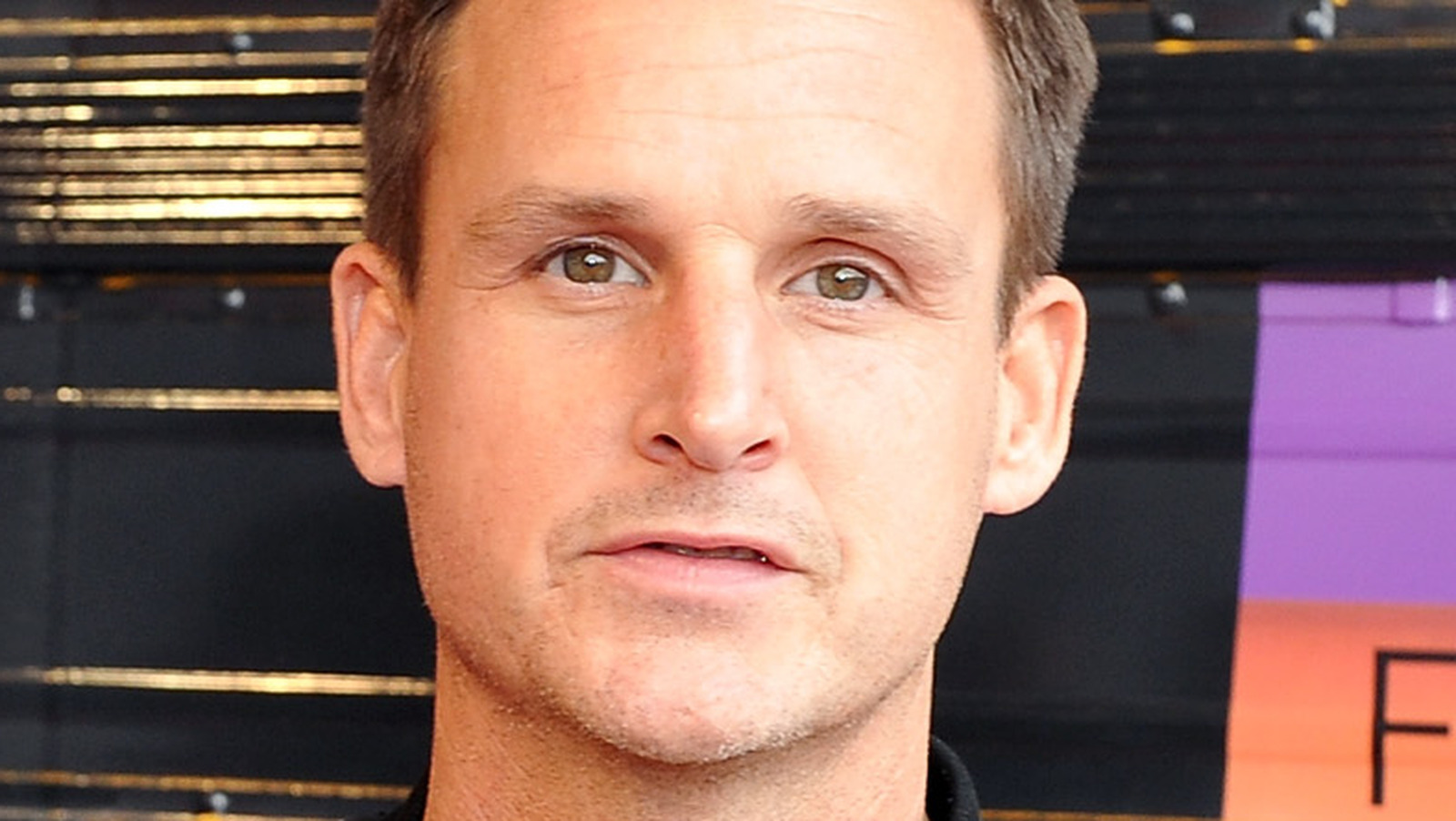
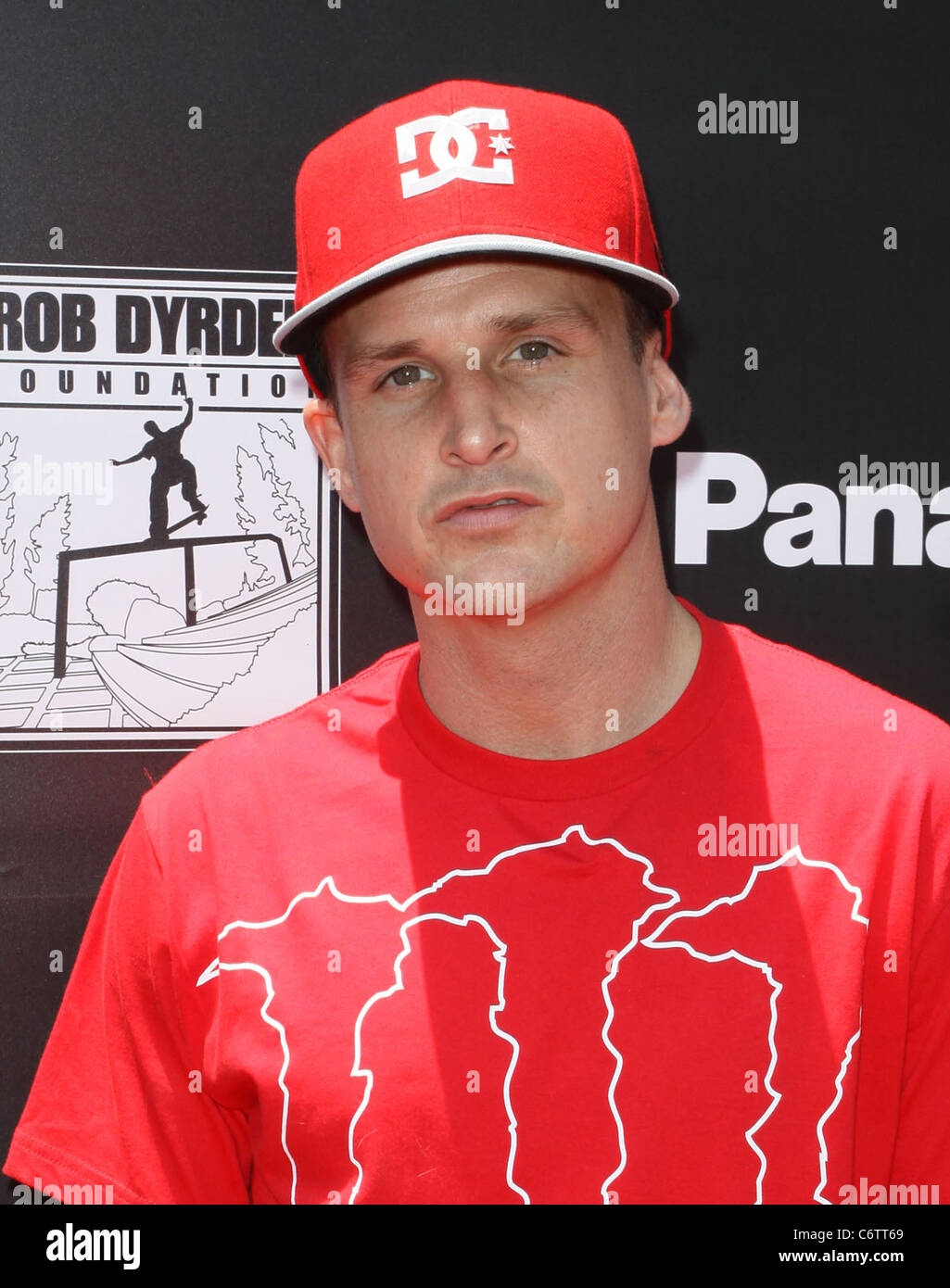
Rob Dyrdek became famous through a meticulously executed transition from a teenage skateboarding prodigy to a dominant reality television personality and systematic entrepreneur. His rise began with professional sponsorship at age 12,...
Rob Dyrdek became famous through a meticulously executed transition from a teenage skateboarding prodigy to a dominant reality television personality and systematic entrepreneur. His rise began with professional sponsorship at age 12, followed by a groundbreaking partnership with DC Shoes and a decade-long streak of hit MTV shows including Rob & Big, Fantasy Factory, and Ridiculousness.
Contents
The Foundations of a Prodigy: Kettering and the Early Skate Scene
Rob Dyrdek’s journey to global recognition did not begin in a media boardroom, but in the parking lots of Kettering, Ohio. Born in 1974, Dyrdek discovered skateboarding at age 11. Unlike many of his peers who viewed the sport as a hobby, Dyrdek approached it with a singular focus that would define his entire career.
By age 12, he had secured a sponsorship from G&S (Gordon & Smith), a major feat for a skater from the Midwest at a time when the industry was almost exclusively centered in Southern California. His talent caught the eye of professional skater Neil Blender, who became a mentor and a pivotal figure in Dyrdek’s early development. At age 16, Dyrdek made the radical decision to drop out of high school and move to California to pursue skateboarding professionally, a move that laid the groundwork for his future empire.
Shortly after arriving in California, Dyrdek and Blender left G&S to form Alien Workshop, which would become one of the most influential and respected brands in the skateboarding world. This move was Dyrdek’s first foray into ownership and brand building, teaching him the mechanics of the "skate economy" and the importance of creative control.
The DC Shoes Era: Building a Commercial Identity
While Alien Workshop established his "core" credibility, his partnership with DC Shoes in the mid-1990s transformed Dyrdek into a commercial force. During this period, skateboarding was transitioning from a niche underground subculture into a mainstream athletic phenomenon. Dyrdek was at the forefront of this shift.
He was one of the first skaters to treat a footwear sponsorship as a collaborative business venture rather than a simple endorsement deal. He released numerous signature shoe models that were massive commercial successes. His ability to market himself—not just as an athlete who performed tricks, but as a personality with a distinct aesthetic—made him a favorite for advertisers.
During his tenure with DC, Dyrdek began experimenting with video content that went beyond standard "skate parts." He understood early on that storytelling and personality were the keys to longevity in an industry where physical peak performance is notoriously short-lived.
The MTV Transition: Rob & Big and Reality Stardom
The most significant turning point in Dyrdek’s path to mainstream fame occurred in 2006 with the premiere of Rob & Big on MTV. The show’s origin was unconventional: Dyrdek hired Christopher "Big Black" Boykin, a 6'6" personal security guard, to protect him from police and security while filming skate videos. The natural, comedic chemistry between the two was so undeniable that it evolved into a full-length reality series.
Rob & Big succeeded because it deviated from the hyper-dramatic reality tropes of the mid-2000s. It focused on "meaningless" adventures, camaraderie, and the pursuit of fun. The show introduced Dyrdek to a demographic far wider than the skateboarding community, establishing him as a household name.
As of 2026, the show is still cited as a masterclass in organic brand building. It didn't just showcase Dyrdek's life; it integrated his businesses, his skate park, and his creative projects into the narrative, effectively using MTV as a global marketing platform for his personal brand.
Expanding the Empire: Fantasy Factory and Ridiculousness
After three seasons of Rob & Big, Dyrdek launched Rob Dyrdek's Fantasy Factory in 2009. This series took place in a 25,000-square-foot industrial warehouse that served as both a playground and a corporate headquarters. The show solidified Dyrdek’s image as the "entrepreneurial daredevil." It highlighted his various business ventures, from toy lines (Wild Grinders) to marketing agencies.
Following the success of Fantasy Factory, Dyrdek created Ridiculousness in 2011. This viral video commentary show became one of the most successful programs in MTV history. By 2026, Ridiculousness has aired thousands of episodes, often occupying massive blocks of MTV’s weekly programming.
The brilliance of Ridiculousness lay in its production efficiency. Unlike traditional reality shows that required weeks of filming on location, Ridiculousness could be filmed in a controlled studio environment, allowing Dyrdek to maximize his "media output" while freeing up time to focus on his growing portfolio of companies.
Street League Skateboarding (SLS) and Institutional Impact
While his television career made him famous, Dyrdek’s work with Street League Skateboarding (SLS) demonstrated his ability to restructure an entire industry. Founded in 2010, SLS was designed to bring professional skateboarding into the realm of organized sports, similar to the NBA or NFL.
Before SLS, skate competitions were often disorganized and difficult for casual viewers to follow. Dyrdek introduced:
- Instant Scoring: A proprietary system that allowed fans to see scores in real-time.
- Structured Seasons: Moving away from one-off events to a cohesive tour.
- High Production Value: Creating an arena-ready spectator experience.
SLS succeeded in making professional skateboarding more lucrative for athletes and more digestible for sponsors, further cementing Dyrdek’s reputation as a visionary who could bridge the gap between "the streets" and corporate boardrooms.
The Dyrdek Machine: Systematic Entrepreneurship
By the mid-2010s, Dyrdek pivoted away from being the "face" of every project to becoming a "venture builder." He founded the Dyrdek Machine, a "one-of-one venture studio" designed to manufacture, capitalize, and grow brands.
As we look at his status in 2026, the Dyrdek Machine has been responsible for the launch and exit of numerous companies across diverse sectors, including health and wellness, beauty, and technology. Dyrdek transitioned from a celebrity who endorses products to a founder who engineers businesses. This "Business Architect" phase is what has sustained his relevance and net worth long after his professional skating days ended.
Summary of Career Milestones
| Era | Key Entity/Project | Primary Role | Impact on Fame |
|---|---|---|---|
| 1990–1995 | Alien Workshop | Pro Skater / Co-Founder | Established core credibility in skate culture. |
| 1995–2005 | DC Shoes | Signature Athlete | Created a commercial footprint and global brand. |
| 2006–2008 | Rob & Big | TV Personality | Achieved mainstream celebrity status. |
| 2009–2015 | Fantasy Factory | Entrepreneur/Host | Branded himself as a business visionary. |
| 2010–Present | Street League (SLS) | Founder | Professionalized skateboarding at a global scale. |
| 2016–2026 | Dyrdek Machine | Venture Capitalist | Transitioned into a high-level business architect. |
Why Rob Dyrdek’s Success is Unique
Dyrdek’s fame is not a result of luck, but of a specific "flywheel" effect. He used his athletic talent to get a platform, used that platform to launch media properties, and then used the media revenue to fund a venture studio.
One of his most discussed contributions in recent years is his obsession with optimization. Dyrdek famously tracks every minute of his day, his sleep, and his mood, applying the same data-driven rigor to his personal life that he does to his business investments. This "optimized lifestyle" has garnered him a new following in the productivity and self-improvement niche, proving his ability to adapt to changing cultural trends.
Frequently Asked Questions
How did Rob Dyrdek first get noticed?
Rob Dyrdek was first noticed as a child prodigy in Kettering, Ohio. He was sponsored by G&S Skateboards at age 12, an age almost unheard of for professional-level sponsorship in the 1980s. His talent was validated when pro skater Neil Blender took him under his wing.
Is Rob Dyrdek still involved in skateboarding?
While he no longer competes, Dyrdek remains a massive influence in the sport through Street League Skateboarding (SLS) and his philanthropic efforts. His "Safe Spot Skate Spot" foundation has worked with cities to create legal, high-quality skate plazas, ensuring the next generation has places to train.
How did Ridiculousness become so popular?
Ridiculousness capitalized on the universal appeal of viral videos combined with the chemistry of Dyrdek, Steelo Brim, and Chanel West Coast. Its popularity is also attributed to its format, which is easy to watch in short segments or long marathons, making it a staple of cable television programming.
What is the Dyrdek Machine?
The Dyrdek Machine is a venture studio founded by Rob Dyrdek. Unlike a traditional VC firm that just provides capital, the Machine helps co-found companies from the ground up, providing branding, strategy, and operational support. It represents Dyrdek’s shift from entertainment to industrial business creation.
How much of Dyrdek's fame is due to his partnership with Big Black?
A significant portion of Dyrdek’s mainstream breakout is credited to the chemistry he shared with Christopher "Big Black" Boykin. Rob & Big broke the "skater" mold and showed Dyrdek as a relatable, humorous personality, which was essential for his transition into a broader media career.
Next Steps for Aspiring Entrepreneurs
To follow the "Dyrdek Model," individuals should focus on multi-dimensional branding. Don't just master a craft; understand the media and business structures that surround it. For those looking to dive deeper into his business philosophy, researching the "Dyrdek Machine" methodology and his "Build with Fantasy" podcast provides actionable insights into how he evaluates and scales new ventures.
Image Gallery