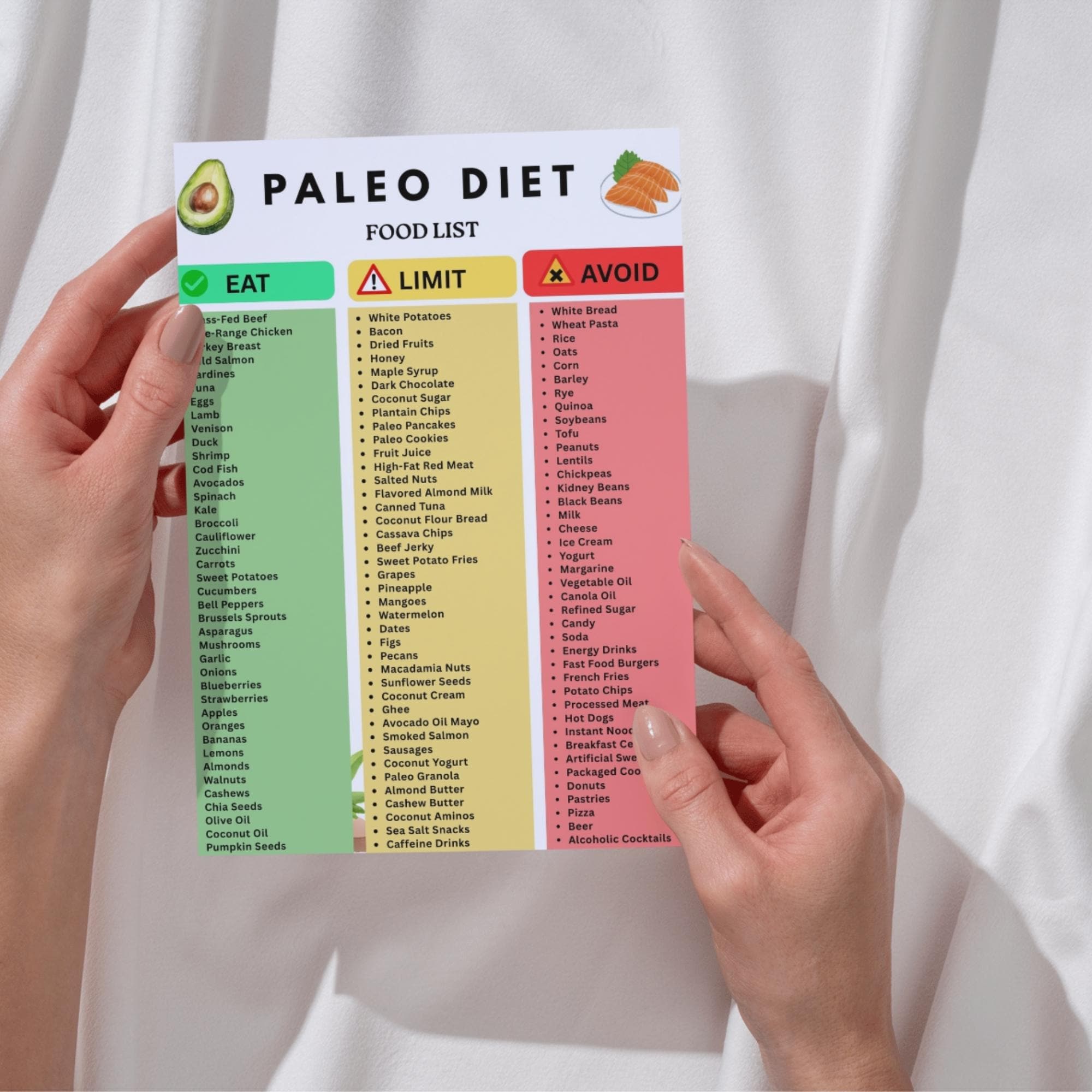
The Ultimate Paleo Food List PDF Guide for 2026
The Paleo food list focuses on whole, unprocessed foods that mimic the diet of our hunter-gatherer ancestors. This guide prioritizes lean meats, fish, fruits, vegetables, nuts, and seeds while strictly excluding grains, legumes, dairy,...
The Paleo food list focuses on whole, unprocessed foods that mimic the diet of our hunter-gatherer ancestors. This guide prioritizes lean meats, fish, fruits, vegetables, nuts, and seeds while strictly excluding grains, legumes, dairy, and refined sugars to reduce inflammation and optimize metabolic health through nutrient-dense, ancestral eating patterns.
Contents
Understanding the Paleolithic Dietary Framework
The Paleo diet, often referred to as the "Caveman Diet," is rooted in the philosophy of evolutionary biology. The central premise is that human genetics have not significantly changed since the Paleolithic era, which ended approximately 10,000 years ago with the dawn of the Agricultural Revolution. Proponents argue that the rapid introduction of farmed grains, dairy, and processed sugars outpaced our biological ability to adapt, leading to the "diseases of civilization," such as obesity, Type 2 diabetes, and various autoimmune conditions.
In 2026, the Paleo framework remains a leading protocol for individuals seeking to manage systemic inflammation. By removing modern agricultural products, the diet emphasizes a high intake of micronutrients, fiber (from non-grain sources), and a favorable ratio of Omega-3 to Omega-6 fatty acids. This "PDF guide" approach serves as a definitive reference for navigating modern grocery stores using ancient biological principles.
A successful Paleo transition requires moving beyond the "yes/no" list and understanding the "why." For instance, the exclusion of grains is not merely about carbohydrates; it is about anti-nutrients like phytates and lectins, which can interfere with mineral absorption and gut integrity. By focusing on the foods listed below, you align your nutritional intake with the fuel sources your body was evolutionarily designed to process.
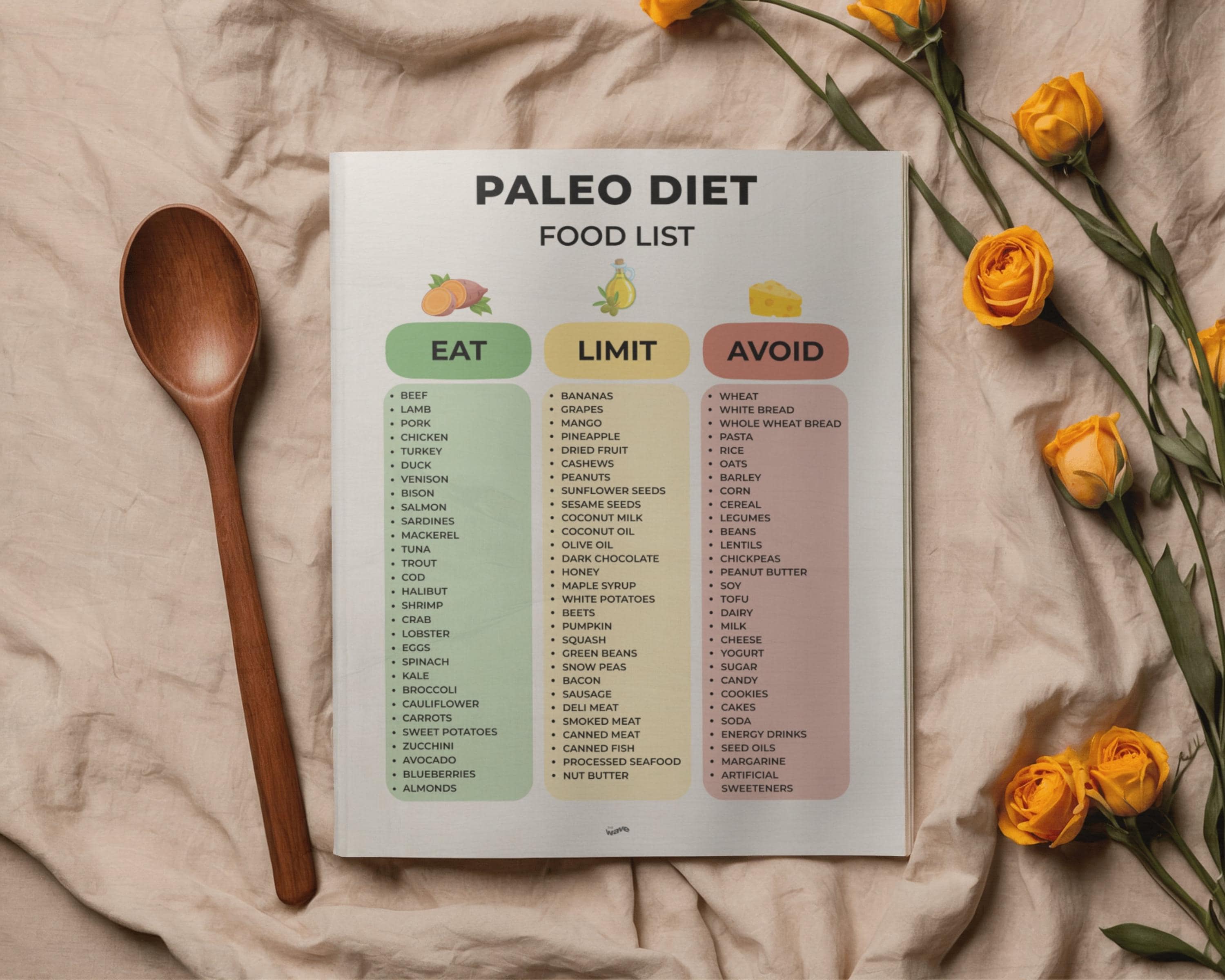
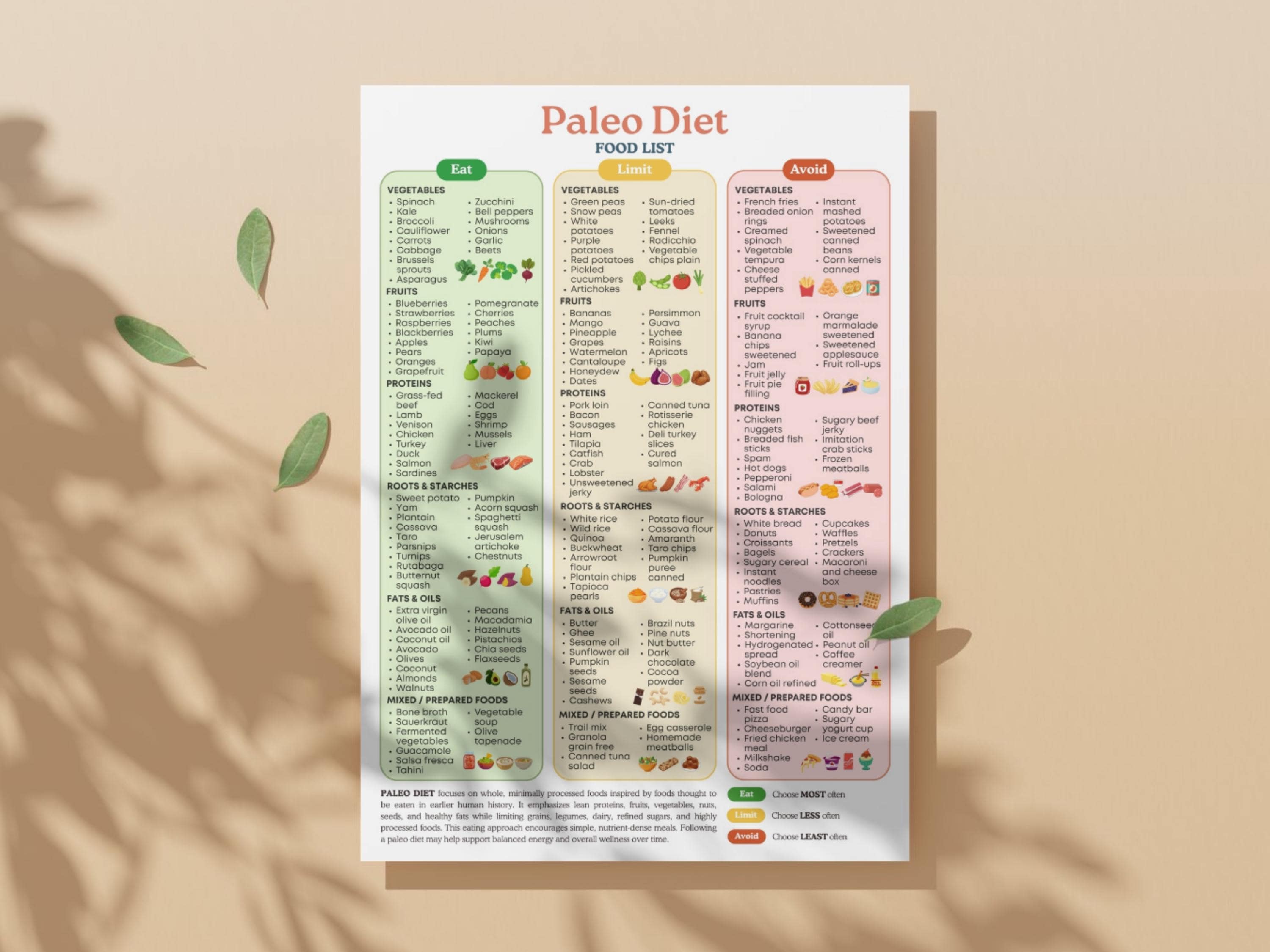
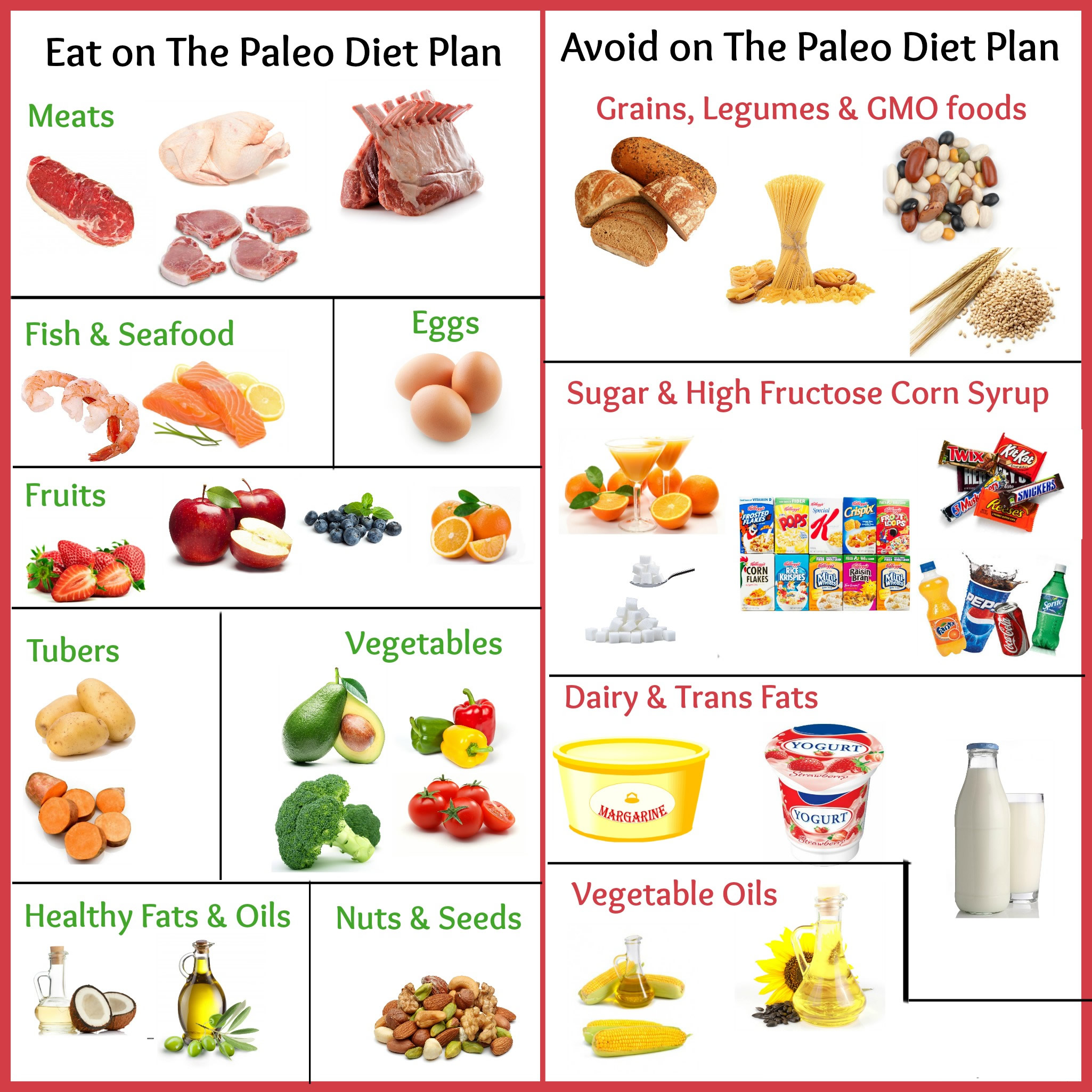
What to Eat: The Comprehensive Paleo Food List
The core of the Paleo diet is built on high-quality proteins and diverse plant matter. The following categories represent the "Gold Standard" for any Paleo meal plan.
Meats and Poultry
Protein is the cornerstone of the Paleo diet. However, the quality of the meat is as important as the type. In 2026, sourcing remains a critical factor in the diet's efficacy.
- Grass-Fed Beef and Lamb: These are preferred over grain-fed counterparts because they contain higher levels of conjugated linoleic acid (CLA) and a better Omega-3 profile.
- Poultry: Chicken, turkey, duck, and pheasant are excellent lean protein sources. When possible, choose pasture-raised options to ensure the birds were able to forage naturally.
- Game Meats: Venison, bison, elk, and wild boar are highly encouraged as they most closely resemble the wild proteins consumed by Paleolithic humans.
- Organ Meats: Liver, heart, and kidneys are "nature’s multivitamins," providing dense concentrations of Vitamin A, B12, and iron that are often lacking in muscle meats.
Fish and Seafood
Seafood provides essential fatty acids that are difficult to obtain from land-based sources.
- Fatty Fish: Salmon, mackerel, sardines, and herring are top-tier choices due to their high EPA and DHA content.
- Shellfish: Shrimp, clams, oysters, and scallops provide vital minerals like zinc and selenium.
- Wild-Caught vs. Farmed: Always prioritize wild-caught seafood to avoid the antibiotics and inferior fat profiles often found in commercial fish farms.
Fruits and Vegetables
Vegetables should ideally make up the largest volume of your plate. They provide the fiber and phytonutrients necessary for gut health and antioxidant protection.
- Cruciferous Vegetables: Broccoli, cauliflower, Brussels sprouts, and kale are high in fiber and indole-3-carbinol.
- Root Vegetables: Carrots, parsnips, and sweet potatoes serve as the primary "clean" carbohydrate source for active individuals.
- Berries: Blueberries, raspberries, and blackberries are the preferred Paleo fruits because they have a lower glycemic load and higher antioxidant density compared to tropical fruits.
- Alliums: Onions, garlic, and leeks are essential for flavor and their prebiotic benefits for the microbiome.
Nuts and Seeds
These serve as excellent snacks and sources of healthy fats, but they should be consumed in moderation due to their high caloric density.
- Approved: Macadamias (highest in monounsaturated fats), walnuts, almonds, pecans, and pumpkin seeds.
- Caution: Cashews and pistachios are higher in carbohydrates and should be limited.
- Excluded: Peanuts are technically legumes, not nuts, and are excluded from the Paleo food list.
What to Avoid: The "No-Go" List
The primary goal of a Paleo PDF guide is to provide a clear boundary between evolutionary foods and agricultural/industrial foods. Avoiding these categories is non-negotiable for those following a strict Paleo protocol.
Grains and Pseudo-Grains
This is the most significant departure from the standard modern diet. All grains are excluded, including:
- Gluten-Containing Grains: Wheat, barley, and rye.
- Gluten-Free Grains: Corn, rice, oats, and millet.
- Pseudo-Grains: Quinoa, buckwheat, and amaranth. The rationale is that these seeds of grasses contain compounds designed to protect the plant from predation, which can cause intestinal distress and systemic inflammation in humans.
Legumes
Legumes are excluded due to their high content of lectins and phytic acid. This includes:
- Beans (black, kidney, pinto, etc.)
- Lentils
- Soy (tofu, soy milk, edamame)
- Peanuts and peanut butter
Refined Sugars and Artificial Sweeteners
Refined sugars drive insulin resistance and metabolic dysfunction. A Paleo guide strictly prohibits:
- High fructose corn syrup
- Cane sugar
- Aspartame, sucralose, and other chemical sweeteners.
- Natural Alternatives: Small amounts of raw honey or maple syrup are generally accepted as "Paleo-friendly" treats, though they should not be staples.
Processed Vegetable and Seed Oils
Modern industrial oils are highly processed and contain high levels of pro-inflammatory Omega-6 fatty acids. Avoid:
- Soybean oil, canola oil, corn oil, cottonseed oil, and sunflower oil.
- Paleo Alternatives: Use extra virgin olive oil, avocado oil, coconut oil, or animal fats like lard and tallow.
Paleo Food Comparison and Substitutions
Navigating a Paleo transition is often easier when you have direct swaps for common modern foods. The following table outlines how to replace inflammatory staples with Paleo-approved alternatives.
| Modern Food Category | Modern Staple (Avoid) | Paleo Alternative (Eat) | Health Benefit |
|---|---|---|---|
| Grains/Sides | White Rice or Pasta | Cauliflower Rice / Zoodles | Lower glycemic load; higher fiber. |
| Cooking Fats | Canola or Vegetable Oil | Avocado Oil / Ghee | Higher smoke point; stable fats. |
| Sweeteners | Refined White Sugar | Medjool Dates / Raw Honey | Contains minerals and antioxidants. |
| Dairy | Cow's Milk | Almond or Coconut Milk | Avoids lactose and casein sensitivity. |
| Flour | All-Purpose Wheat Flour | Almond or Coconut Flour | Gluten-free; higher protein content. |
| Snacks | Potato Chips | Kale Chips / Plantain Chips | Reduced refined seed oil exposure. |
The Gray Area: Modern Paleo and Nuance
As the Paleo movement has evolved into 2026, some nuances have emerged regarding "gray area" foods. These are foods that were not part of the original strict Paleolithic framework but are tolerated well by many individuals.
White Potatoes
Originally, white potatoes were excluded because of their high glycemic index and status as a nightshade. However, many modern Paleo advocates (including the "Whole30" framework) now include them as a vital source of potassium and clean carbohydrates for athletes. If weight loss is your primary goal, you may still choose to limit them.
Grass-Fed Butter and Ghee
Strict Paleo excludes all dairy. However, Ghee (clarified butter) has the milk solids (lactose and casein) removed, leaving only the healthy butter fat. Many people who are sensitive to dairy find they can tolerate ghee perfectly. Grass-fed butter is often included in "Primal" variations of the diet.
Fermented Foods
While the Paleolithic era likely didn't have organized fermentation, foods like sauerkraut and kombucha are widely accepted in 2026 Paleo circles for their probiotic benefits. They are essential for maintaining a healthy gut microbiome, which can be altered when removing grains.
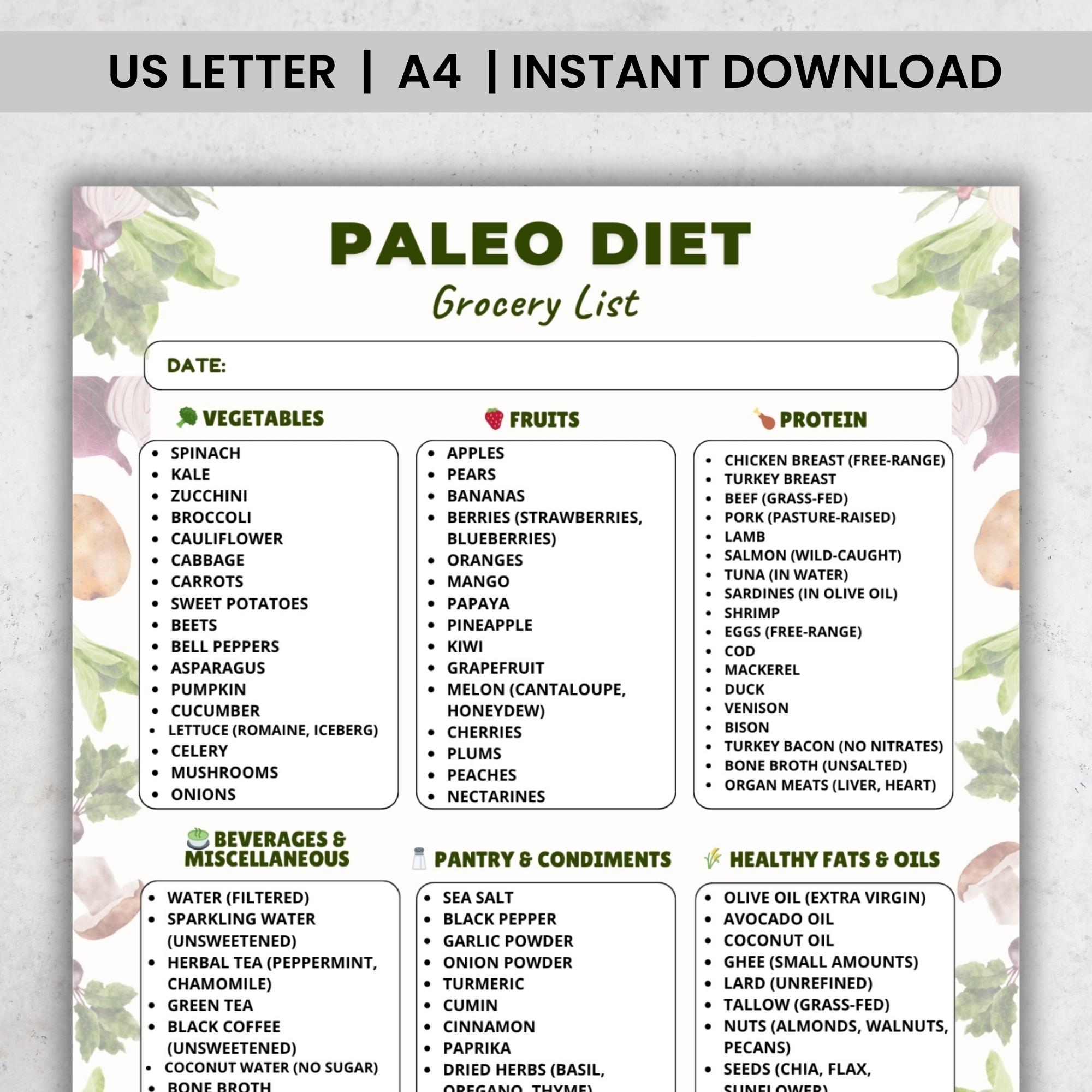
Practical Grocery Shopping and Meal Prep Strategies
Having a Paleo food list is one thing; executing it in a 2026 grocery store is another. To succeed, follow these three practical steps:
- Shop the Perimeter: Most Paleo-approved foods (meat, produce, eggs) are located on the outer edges of the grocery store. The inner aisles are typically where the processed grains, sugars, and oils reside.
- Read Labels for "Hidden" Ingredients: Manufacturers often add soy lecithin, corn starch, or sugar to seemingly healthy products. Even "organic" chicken broth can contain yeast extract or sugar. If the ingredient list contains words you can't pronounce, it isn't Paleo.
- Batch Cooking: Since Paleo relies on whole foods, you will spend more time in the kitchen. Prepare large quantities of roasted vegetables and grilled meats on Sundays to ensure you have "grab-and-go" options throughout the week. This prevents the temptation to reach for non-Paleo convenience foods.
Frequently Asked Questions
Is the Paleo diet the same as Keto?
No. While both diets emphasize whole foods and low sugar, they have different goals. Keto is a high-fat, very-low-carb diet designed to put the body into ketosis. Paleo does not restrict carbohydrates from fruits and root vegetables. A Paleo diet can be high-carb (lots of sweet potatoes and fruit) or low-carb, depending on your choices.
Can I drink coffee on the Paleo diet?
Yes. Coffee is generally considered Paleo-friendly because it is a natural bean extract. However, you must avoid adding dairy milk or refined sugar. Use coconut milk or a small amount of collagen peptides as a Paleo-compliant "creamer."
Why are peanuts banned if they are "nuts"?
Peanuts are actually legumes, part of the same family as beans and lentils. They grow underground and contain different proteins and anti-nutrients (like aflatoxins and lectins) than tree nuts. For a strict Paleo approach, switch to almond or cashew butter.
Is the Paleo diet safe for long-term use?
For most healthy individuals, the Paleo diet is safe because it emphasizes nutrient density and removes processed foods. However, because it excludes entire food groups like dairy and grains, it is important to ensure you are getting enough calcium (from leafy greens and canned bone-in fish) and Vitamin D. The Mayo Clinic notes that while Paleo can lead to weight loss and improved glucose tolerance, users should be mindful of their fiber and calcium intake.
How do I handle dining out on Paleo?
Focus on "protein and greens." Most restaurants can substitute a side of fries or bread for a side salad or steamed vegetables. Request that your meat be grilled without butter or seed oils, and ask for olive oil and lemon juice as a salad dressing instead of processed vinaigrettes.
Next Steps for Your Paleo Journey
To turn this Paleo food list into a sustainable lifestyle, start by clearing your pantry of the "Big Three" offenders: refined sugars, seed oils, and grains. Begin your first week by focusing on simple meals consisting of one protein, one healthy fat, and two types of vegetables.
Once you are comfortable with the basic list, you can explore Paleo baking using almond flour or experiment with different fermented foods. Remember that the goal of the Paleo diet is not perfection, but rather a return to a way of eating that supports your biological needs. For more scientific data on ancestral health, refer to The Journal of Nutrition for peer-reviewed studies on the impact of grain-free diets on metabolic markers.
Image Gallery