Strategies for Effective Multicloud Management in the Enterprise
Multicloud management in the enterprise involves the centralized orchestration, governance, and optimization of workloads distributed across multiple cloud service providers (CSPs). By implementing unified management frameworks, organi...
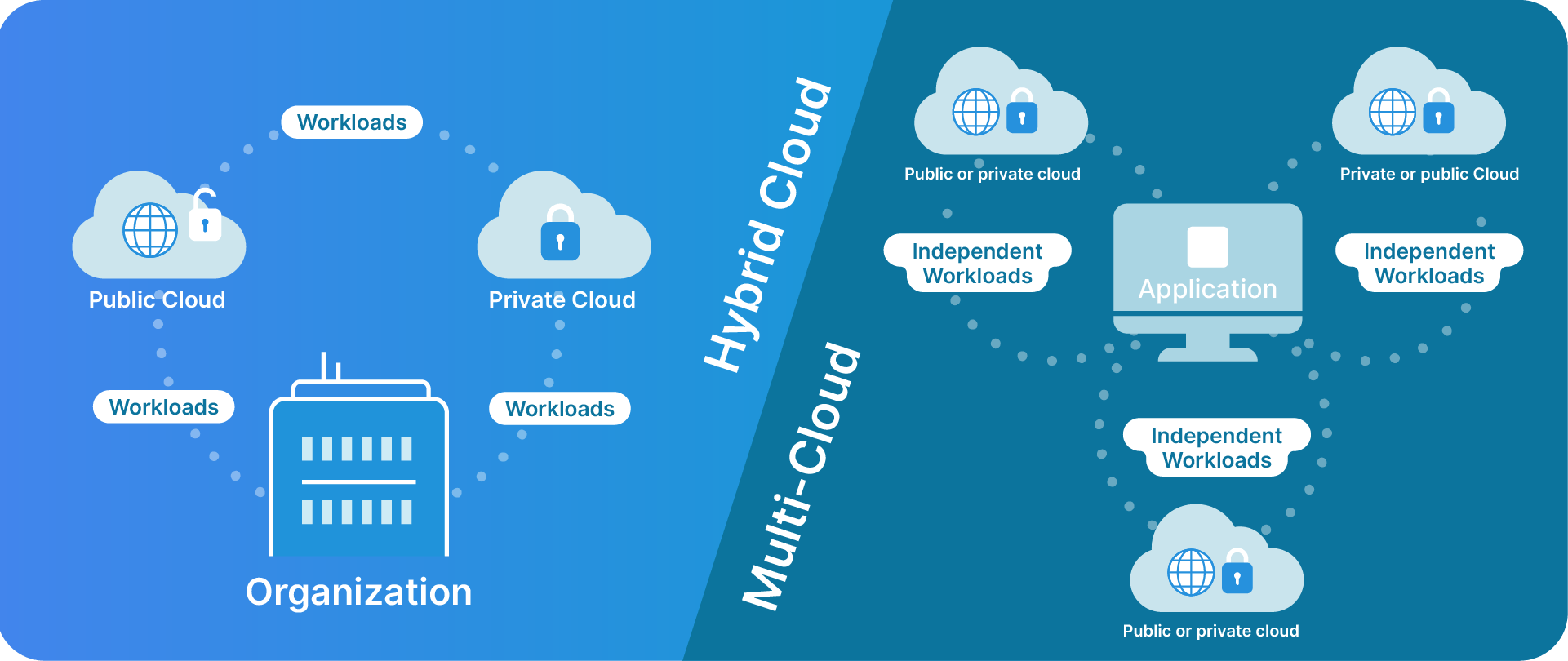
Multicloud management in the enterprise involves the centralized orchestration, governance, and optimization of workloads distributed across multiple cloud service providers (CSPs). By implementing unified management frameworks, organizations mitigate vendor lock-in, optimize egress costs, and ensure consistent security posture across heterogeneous environments while leveraging the unique technical strengths of different providers.
Contents
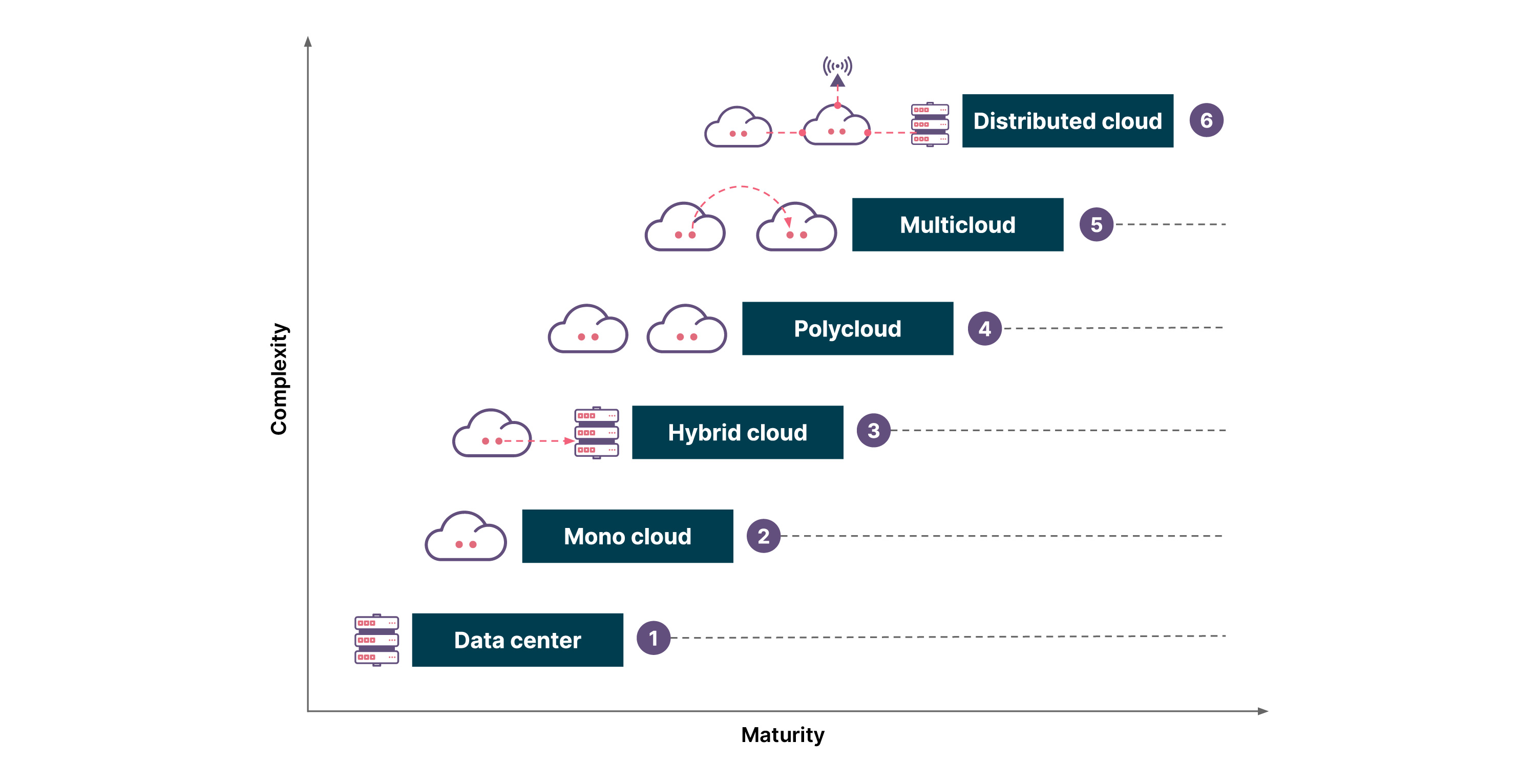
The shift toward a multicloud architecture has become a standard operational reality for large-scale enterprises. While early cloud adoption often focused on a single provider, the need for geographic redundancy, specific feature sets, and regulatory compliance has pushed organizations to distribute assets across platforms such as Amazon Web Services (AWS), Microsoft Azure, and Google Cloud Platform (GCP). Managing this fragmentation requires a shift from provider-specific tooling to platform-agnostic abstraction layers.
The Architectural Necessity of Multicloud Integration
Enterprise multicloud management is not merely a technical choice but a strategic response to the risks of service outages and the limitations of individual cloud provider ecosystems. A primary objective is the maintenance of operational agility. When teams are forced to navigate the distinct identity and access management (IAM) systems, networking protocols, and proprietary APIs of three different providers, efficiency plummets.
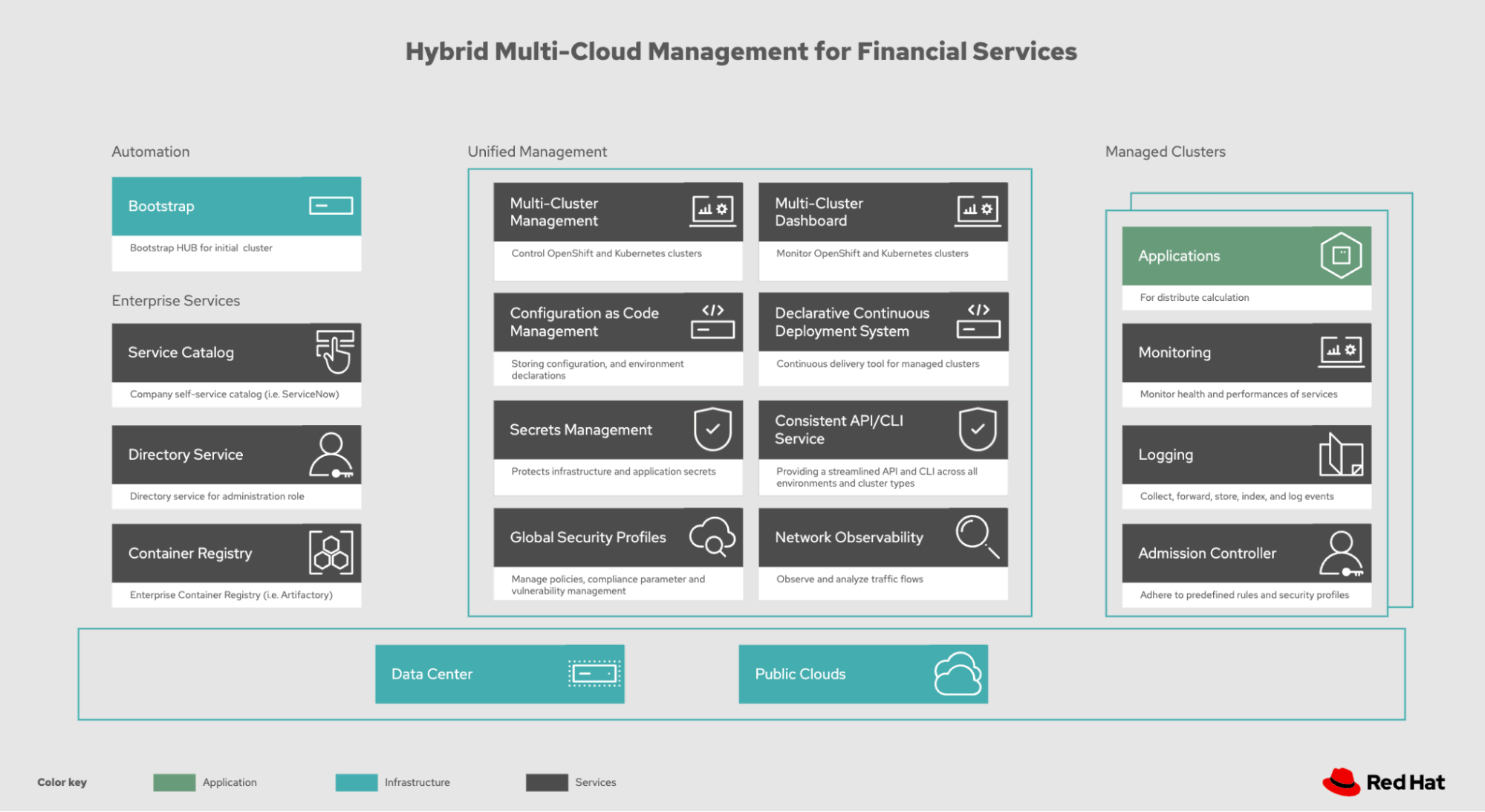
Effective management strategies focus on "Single Pane of Glass" visibility. This entails using a management layer—often provided by third-party platforms or native hybrid-cloud tools—to provide a unified view of resource consumption, security alerts, and performance metrics. Without this, visibility silos emerge, leading to "shadow IT" where departments provision resources outside of centralized oversight, ultimately resulting in unpredictable costs and security vulnerabilities.
Governance and Compliance Challenges
Regulatory frameworks such as the General Data Protection Regulation (GDPR) or industry-specific standards like PCI-DSS require strict data residency and access controls. In a multicloud environment, policy enforcement becomes exponential in complexity. An enterprise must ensure that a security policy defined in its primary data center is replicated accurately across every cloud region where data resides.
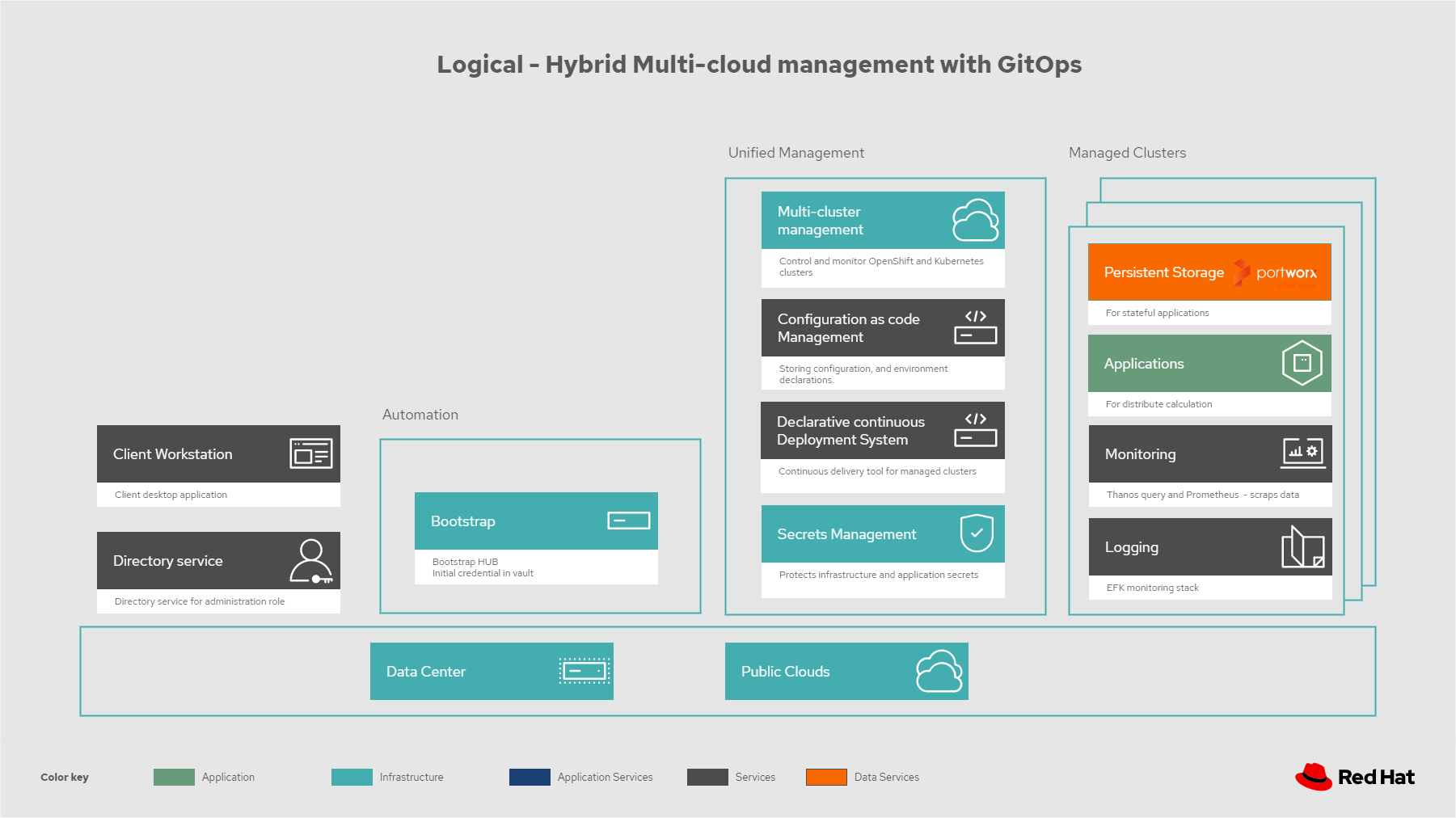
Standardizing policy-as-code is the most effective way to address this. By using infrastructure-as-code (IaC) tools—such as Terraform or Pulumi—enterprises can define their governance requirements in a declarative format that is version-controlled. This approach ensures that when a new cloud environment is provisioned, it is automatically deployed with the required encryption, logging, and networking guardrails already in place.
Cost Optimization and Financial Operations (FinOps)
Cloud sprawl is a significant financial risk in multicloud ecosystems. With resources provisioned across multiple bills and disparate billing cycles, enterprises often struggle to allocate costs accurately to business units. FinOps—the practice of bringing financial accountability to the variable spend of the cloud—is critical for managing these distributed environments.
Key strategies for managing enterprise cloud costs include:
- Unified Tagging Architectures: Implementing a mandatory, consistent tagging strategy across all providers to ensure that every resource is attributed to a specific cost center, project, or application owner.
- Automated Lifecycle Management: Utilizing scripts or policy engines to automatically power down non-production environments during off-hours or terminate orphaned instances that are no longer attached to active workloads.
- Egress Cost Analysis: Tracking data transfer costs, which often vary significantly between cloud providers and inter-region traffic. Enterprises must architecture their applications to minimize cross-provider data movement to avoid high egress fees.
Comparative Management Approaches
Enterprises typically choose between native provider tools, third-party management platforms, or custom-built internal orchestrators. The following table summarizes the trade-offs of these approaches:
| Approach | Primary Advantage | Primary Limitation |
|---|---|---|
| Native CSP Tools | Deepest integration and immediate feature availability. | Creates vendor-specific silos and increases management overhead. |
| Third-Party Platforms | Unified dashboard and consistent policy application across providers. | Adds licensing costs and potential latency in feature support. |
| Custom Internal Tools | Tailored exactly to specific enterprise workflows and compliance needs. | High maintenance burden and significant internal engineering investment. |
Technical Prerequisites for Successful Orchestration
Before attempting to deploy a centralized management framework, the enterprise must establish a solid foundation in containerization and automation. Kubernetes has become the de facto standard for this layer, as it provides a consistent compute abstraction regardless of whether the underlying infrastructure is hosted on AWS, Azure, GCP, or on-premises.
By standardizing on a container-orchestration platform, enterprises can move workloads between clouds with minimal refactoring. This portability is the cornerstone of a mature multicloud strategy. However, the organization must also invest in container security, including registry scanning, runtime protection, and service mesh technology to handle the complexities of inter-service communication across clusters.
Common Implementation Pitfalls
Many enterprises fail during the transition to multicloud by underestimating the skill gap required to manage diverse environments. If a team is highly proficient in AWS, they cannot assume their knowledge will translate directly to GCP without significant retraining.
Another common mistake is "over-abstraction." Attempting to mask all differences between clouds can lead to a "least common denominator" architecture, where the organization loses access to the high-value proprietary services (such as advanced AI or database analytics) that made them choose a specific cloud provider in the first place. A successful strategy acknowledges and manages these differences rather than attempting to hide them entirely.
Frequently Asked Questions
What is the primary risk of a decentralized multicloud approach? The primary risk is the loss of security and financial visibility. Decentralized management leads to unpatched vulnerabilities and uncontrolled spending as resources are provisioned in silos without standardized oversight.
How does containerization assist with multicloud management? Containerization provides a hardware and OS-agnostic runtime environment. By packaging applications into containers, organizations can ensure that software behaves consistently across any cloud environment, facilitating easier migration and workload balancing.
Should enterprises prioritize using one "primary" cloud provider? Yes, most successful organizations adopt a "primary plus" strategy. This involves selecting one cloud provider as the backbone for the majority of core services, while using secondary providers for niche functions, disaster recovery, or to avoid dependency risks.
How often should multicloud cost reports be reviewed? In an enterprise environment, cost monitoring should be continuous. While high-level financial reporting occurs monthly, automated budget alerts and anomaly detection should function in real-time to prevent runaway costs from cloud services.
Does multicloud management increase the need for specialized personnel? Yes. Multicloud environments require "cloud-agnostic" engineers who understand distributed systems, IaC, and security architecture, rather than just provider-specific certifications.
Recommended Next Actions
To mature your multicloud strategy in 2026, begin by conducting a comprehensive audit of your current footprint. Identify resources that are currently unmanaged or underutilized across your various cloud providers. Standardize your infrastructure deployment templates using a single IaC tool to ensure that new projects are launched with appropriate security and tagging controls. Finally, evaluate whether your current monitoring suite provides sufficient visibility into the cross-provider latency and egress costs that are likely impacting your bottom line.
Image Gallery