Understanding How Foundation Repair Works in Rhinelander
Foundation repair in Rhinelander, Wisconsin, involves identifying and correcting structural instabilities caused by the region's specific soil composition, moisture levels, and freeze-thaw cycles. Professionals typically stabilize sink...
Foundation repair in Rhinelander, Wisconsin, involves identifying and correcting structural instabilities caused by the region's specific soil composition, moisture levels, and freeze-thaw cycles. Professionals typically stabilize sinking or settling foundations by installing steel piers, wall anchors, or carbon fiber straps to transfer building weight to load-bearing strata, ensuring the structure remains level and secure against seasonal climate shifts.
Contents
The Regional Context: Why Foundations Fail in Northern Wisconsin
Homeowners in Rhinelander must contend with a unique geological environment. Northern Wisconsin is characterized by glacially deposited soils, which vary significantly from silty loams to dense clay. These soil types are prone to expansion and contraction when moisture levels change—a process known as "heave."
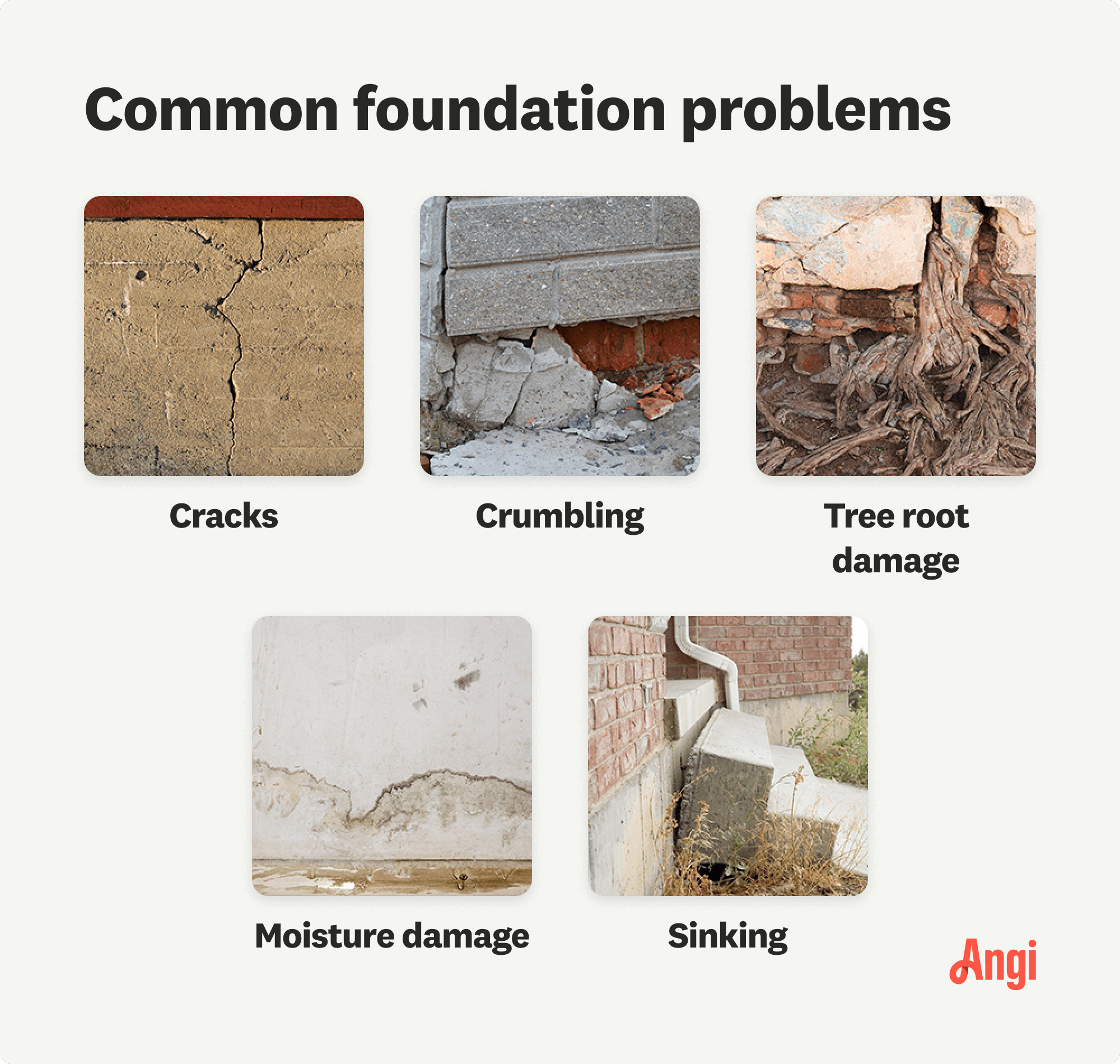
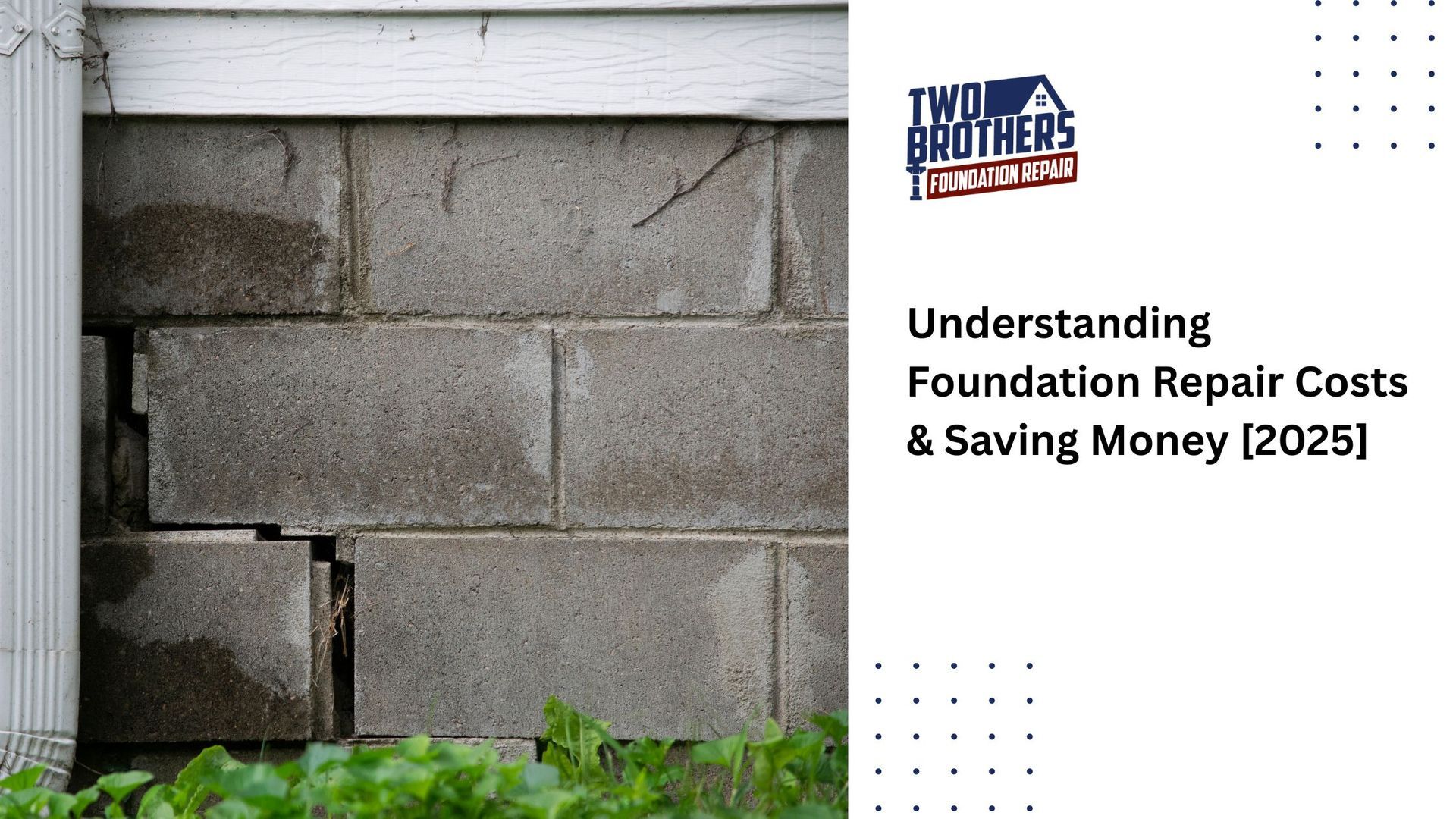
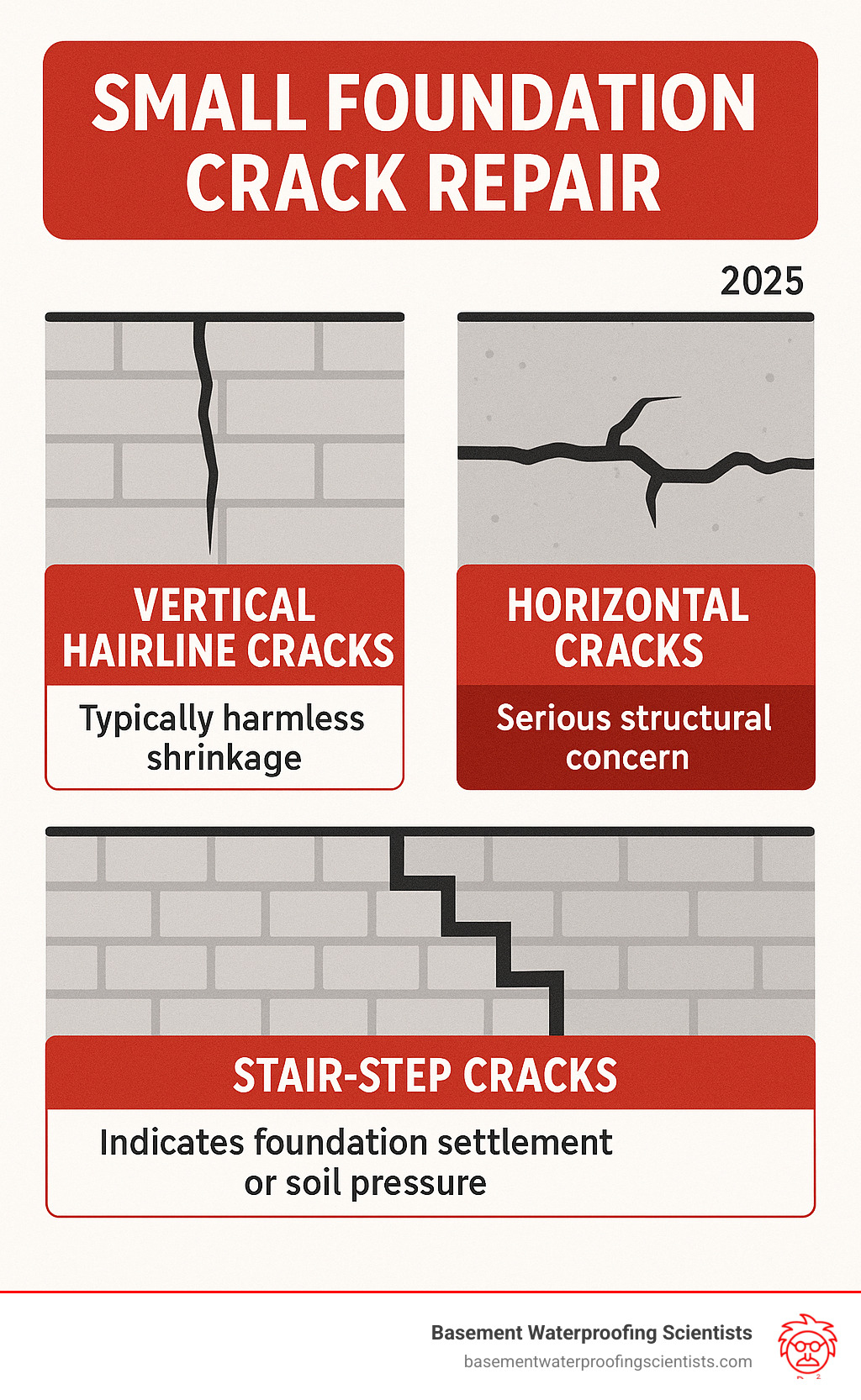
When the ground freezes, the water trapped within the soil expands, exerting immense pressure against basement walls and footings. As the ground thaws in the spring, the soil loses its density, potentially causing the foundation to settle unevenly. This movement leads to classic indicators of foundation failure: stair-step cracks in masonry, doors that stick or fail to latch, and visible bowing or buckling of basement walls. Understanding that the root cause is environmental is the first step toward choosing the correct repair methodology.
Identifying the Symptoms of Foundation Distress
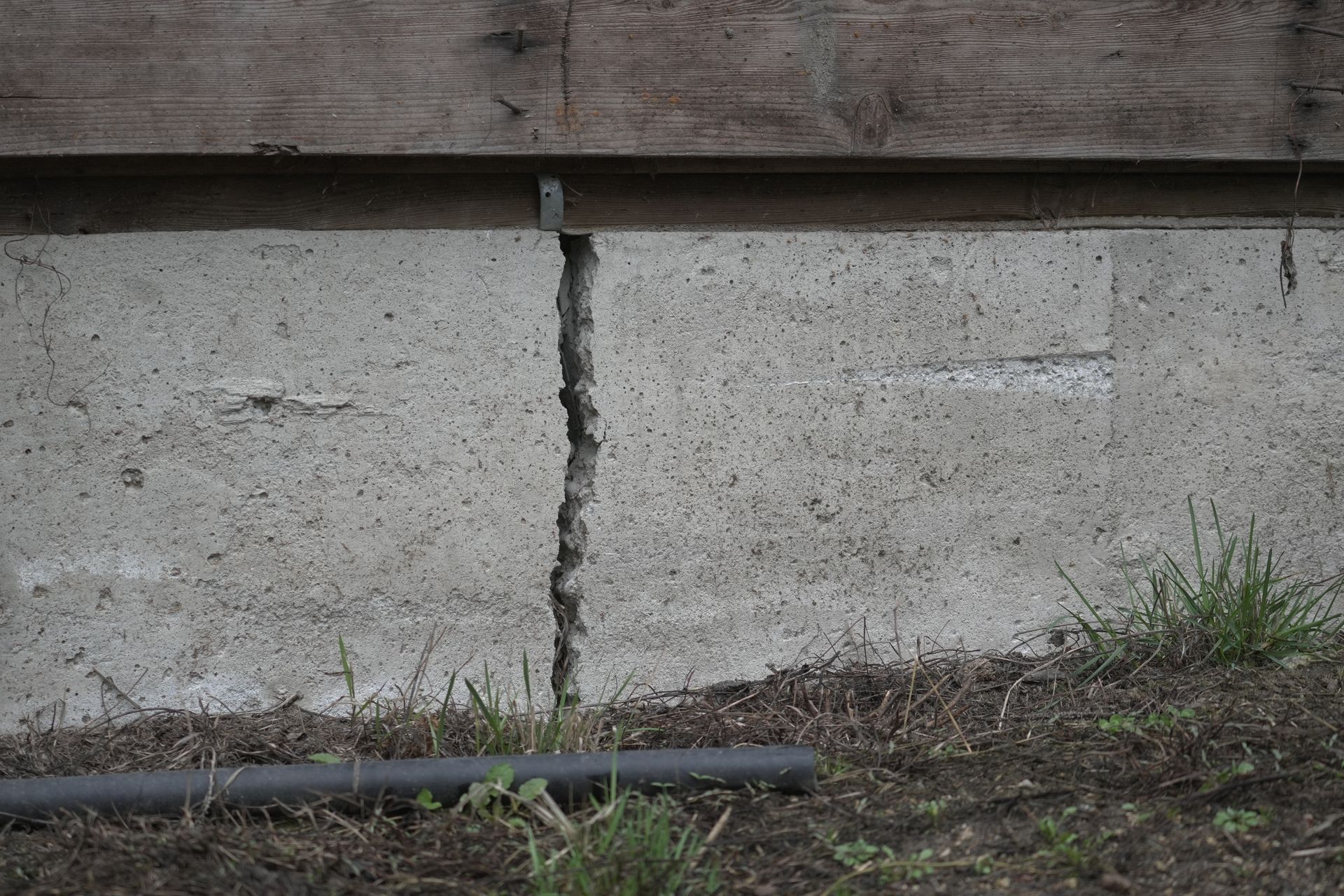
Before initiating repairs, it is essential to distinguish between cosmetic cracking and structural failure. Minor hairline cracks are often the result of concrete curing, whereas larger, wider, or patterned cracks typically signal deeper movement.
- Vertical Cracks: Often caused by simple settlement; these may be stable, but they should be monitored for widening.
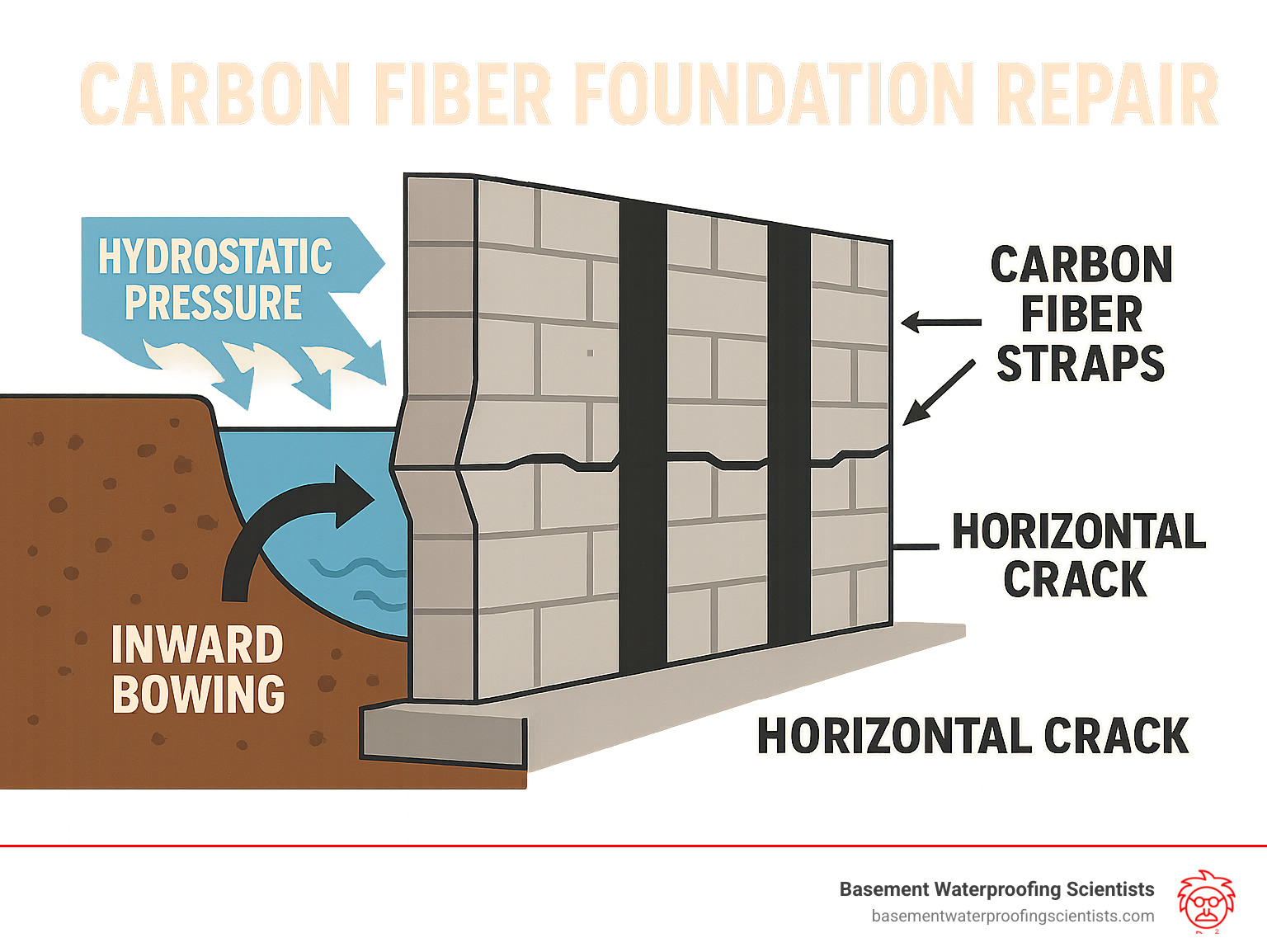
- Horizontal/Diagonal Cracks: These are generally more concerning, as they often suggest the foundation wall is buckling under external hydrostatic pressure.
- Water Infiltration: If cracks allow water to seep into the basement, it accelerates the deterioration of steel reinforcements within the concrete.
- Uneven Floors: If you notice windows or doors shifting out of square, it indicates that the underlying foundation footer is no longer supporting the weight of the structure uniformly.
Common Foundation Repair Methodologies
Repair professionals in the Rhinelander area utilize specific techniques designed to counteract the movement of both sinking foundations and failing walls.
Piering Systems for Vertical Settlement
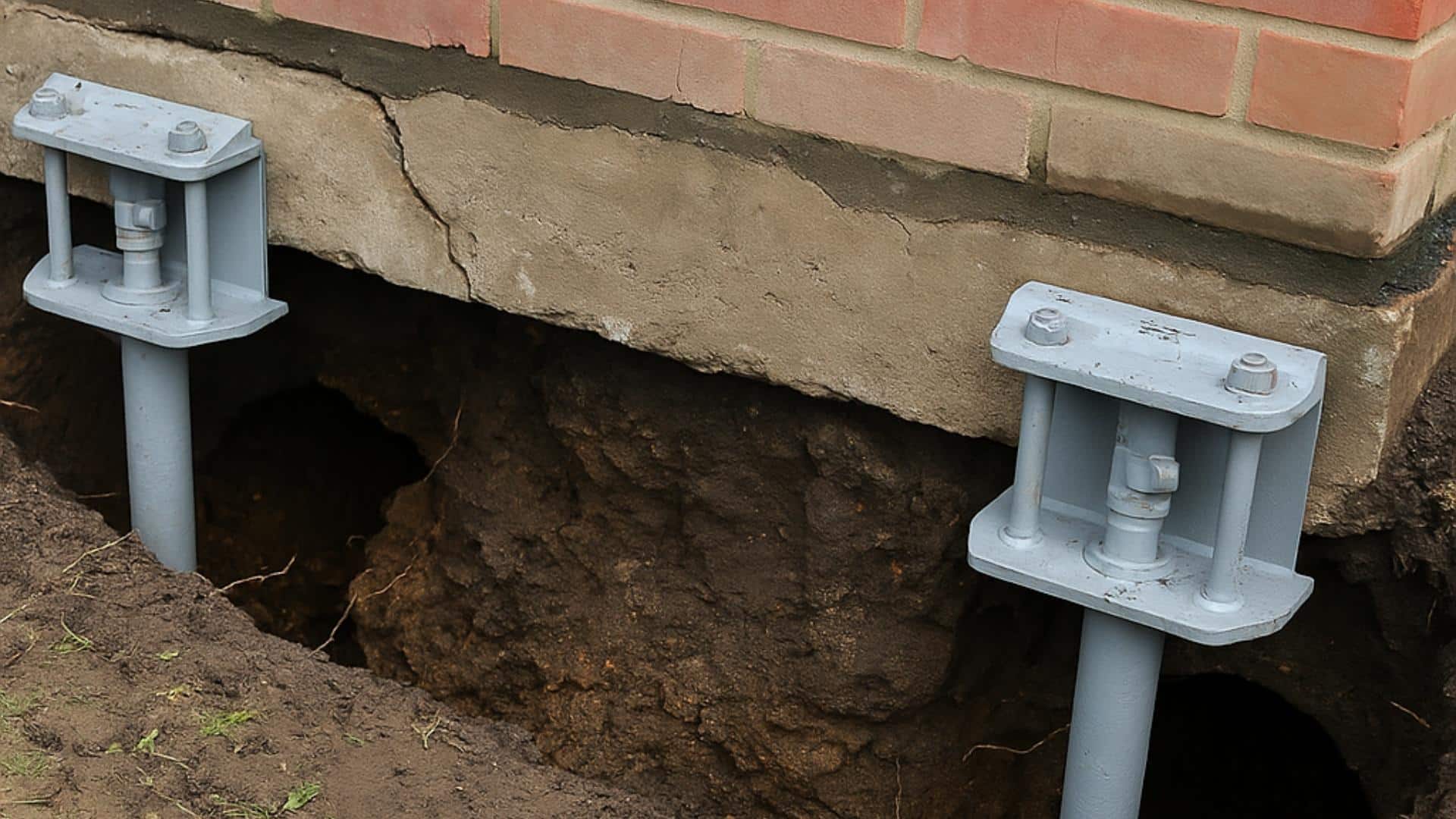
When a home sinks, contractors use piering. Steel piers (either push piers or helical piers) are driven deep into the ground until they reach load-bearing soil or bedrock. These piers are then hydraulically attached to the home's footer. Once installed, the weight of the house is transferred from the soft or shifting soil to the stable, deep strata. This allows contractors to stabilize the home and, in some cases, perform a "lift" to close existing cracks.
Wall Anchors and Bracing for Lateral Movement
Basement walls that are bowing inward due to soil pressure require bracing. Wall anchors involve installing steel plates inside the basement and on the exterior yard. These are connected by heavy-duty galvanized rods. By tightening these rods over time, the wall can be stabilized, and in some instances, pulled back toward its original position. Carbon fiber straps are an alternative, offering a low-profile solution that reinforces the wall against further inward bowing without the need for exterior excavation.
Comparison of Foundation Repair Solutions
Choosing the right method depends on the nature of the damage and the site-specific soil conditions found at your property.
| Solution | Best Used For | Primary Advantage | Typical Scope |
|---|---|---|---|
| Steel Piers | Sunken footings/settlement | Permanent load transfer | Exterior excavation |
| Wall Anchors | Bowing/leaning walls | High pressure resistance | Interior/exterior work |
| Carbon Fiber | Minor bowing/cracks | Low profile/aesthetic | Interior only |
| Mudjacking | Void filling under slabs | Cost-effective leveling | Targeted injection |
The Repair Process: Step-by-Step
A professional repair project in Rhinelander generally follows a predictable sequence to ensure both the safety of the occupants and the longevity of the repair.
- Structural Assessment: A qualified contractor or structural engineer inspects the property to identify the cause of failure. They map the cracks and measure the slope of the floors to determine the extent of the movement.
- Excavation and Site Preparation: If exterior piers are required, small sections of the soil around the foundation footers must be excavated.
- Installation: The chosen solution—whether piers or wall anchors—is installed according to the engineer’s specifications. This involves drilling, bolting, and leveling the structural components.
- Verification: Once the system is installed, the contractor verifies that the load has been transferred correctly.
- Backfilling and Cleanup: The excavated areas are filled, and the landscaping is restored to as close to its original state as possible.
Maintaining Your Foundation Post-Repair
Even after a successful repair, management of the area surrounding your home is vital. Most foundation issues in Wisconsin can be mitigated through proper water management. Ensure that gutters extend at least six to ten feet away from the foundation wall. Grading the soil around the home should provide a consistent slope away from the structure, preventing water from pooling against the basement wall and increasing hydrostatic pressure during the spring thaw.
Frequently Asked Questions
Is it normal for a foundation to have cracks in Rhinelander? While small, non-spreading cracks are common, any crack wider than 1/8 of an inch or any crack that is actively leaking water warrants a professional inspection. Because of the local climate, minor foundation movement is expected, but persistent movement indicates a structural problem.
How much does foundation repair typically cost? Costs vary significantly based on the square footage of the home, the number of piers required, and the depth of the load-bearing strata. Most projects are priced based on the number of structural units installed. It is recommended to obtain multiple bids from local contractors who are familiar with the specific soil conditions in Northern Wisconsin.
Can I repair a foundation during the winter? Foundation work is generally avoided during the peak of winter when the ground is frozen solid. Excavation in frozen ground is difficult and significantly increases project costs. Most exterior foundation work is scheduled between late spring and early autumn.
Does homeowners insurance cover foundation repair? Typically, insurance policies cover foundation repair only if the damage is caused by a "covered peril," such as an explosion or fire. Damage caused by long-term settling, soil movement, or hydrostatic pressure is usually classified as home maintenance, which is generally excluded from standard policies. Always check your specific policy documents.
Do I need an engineer’s report before hiring a contractor? While not always required for smaller jobs, an engineer’s report is highly recommended for major structural repairs. A licensed engineer provides an unbiased assessment of the failure and can create a specific plan that contractors must follow, protecting you from unnecessary or ineffective repairs.
Next Steps for Homeowners
If you suspect your foundation is failing, do not delay. Foundation issues are progressive; the longer they remain unaddressed, the more expensive they become to fix. Begin by documenting the location and size of cracks and observing if doors or windows become harder to operate during the spring thaw. Contact a reputable local foundation specialist to request a professional inspection. Ensure that any company you hire provides a clear, written assessment and a warranty on the structural stability of the work performed.
Image Gallery