Navigating Collision Repair Services: An Overview of Altra Collision Center in Phoenix
When your vehicle sustains damage, selecting a collision center in Phoenix that balances technical proficiency with transparent repair processes is the most important step in returning your car to a safe, pre-accident condition. Altra...
When your vehicle sustains damage, selecting a collision center in Phoenix that balances technical proficiency with transparent repair processes is the most important step in returning your car to a safe, pre-accident condition. Altra Collision Center, located in the Phoenix metropolitan area, serves as a representative example of modern automotive repair facilities that navigate the complexities of structural repair, paint matching, and insurance coordination. Understanding what to look for in a repair partner—and knowing the specific standards these facilities must uphold—is essential for vehicle owners seeking to restore both the aesthetics and the mechanical integrity of their automobiles.
Contents
The Role of Professional Collision Centers in Phoenix
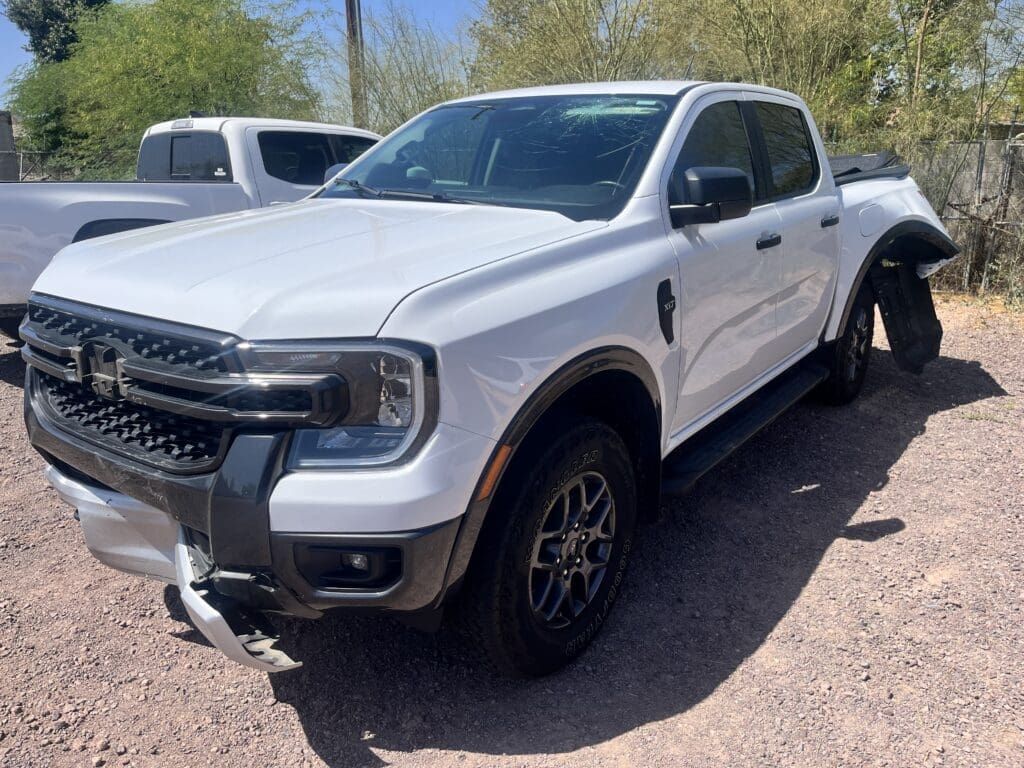
Collision centers are specialized automotive facilities equipped to handle damage resulting from accidents, ranging from minor cosmetic dents to significant structural frame compromise. In a high-traffic environment like Phoenix, these centers face a constant demand for efficient, high-quality repairs that comply with both manufacturer specifications and insurance mandates.
The primary purpose of a facility like Altra Collision Center is to perform a comprehensive assessment of the vehicle's damage. This involves more than a visual inspection; it requires the use of specialized diagnostic equipment to detect hidden trauma to the vehicle's electronic sensors, suspension, and unibody or frame components. Because modern vehicles are constructed with sophisticated materials—such as high-strength steel, aluminum, and carbon fiber—the repair process must be executed by technicians who understand the specific heat-treating and structural bonding requirements of each vehicle make and model.
Core Services Provided by Automotive Repair Facilities
A full-service collision center typically organizes its operations into distinct technical segments. These segments ensure that every aspect of the vehicle—from the chassis to the paint—is addressed.
Structural Repair and Alignment
Structural repair is the foundation of vehicle safety. When a frame is bent or warped, it loses its ability to absorb energy during a potential future impact. Technicians use laser-guided frame racks to pull the chassis back to the manufacturer’s exact millimeter specifications. This process is critical for ensuring that safety features like airbags and crumple zones function as intended.
Mechanical and Electronic Calibration
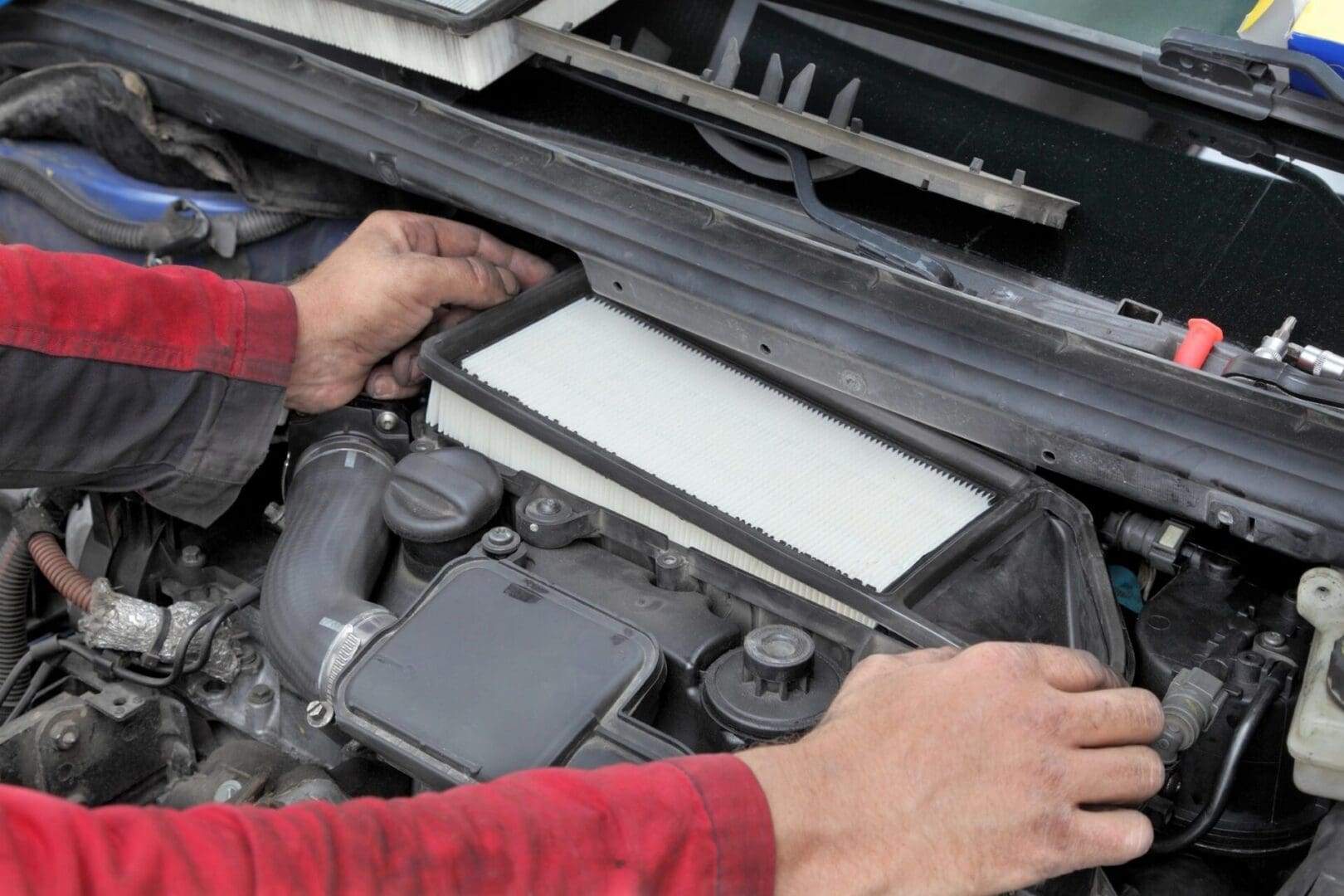
Modern vehicles are essentially rolling computer networks. A collision often disrupts the Advanced Driver Assistance Systems (ADAS). After bodywork, these systems require calibration. This includes realigning cameras, radar sensors, and ultrasonic sensors used for features like lane-departure warnings and adaptive cruise control. A reputable collision center will verify these systems using factory-grade scanning tools to ensure the vehicle’s "brain" is communicating correctly with its physical components.
Refinishing and Paint Matching
Achieving an invisible repair depends heavily on the paint shop. Using computerized color-matching technology, technicians analyze the existing paint on the vehicle, accounting for fade caused by sun exposure—a common consideration in Arizona's climate. The facility then applies high-quality clear coats and primers in specialized, dust-free paint booths to replicate the factory finish.
Comparison of Repair Considerations
When assessing repair options in Phoenix, vehicle owners often need to weigh different service attributes. The following table provides a breakdown of key considerations for managing a collision repair project.
| Feature | Importance | Rationale |
|---|---|---|
| I-CAR Certification | High | Indicates technicians are trained in the latest repair standards and safety protocols. |
| OEM Parts Usage | High | Original Equipment Manufacturer parts ensure fitment and safety compliance compared to aftermarket alternatives. |
| Insurance Coordination | Medium | A shop that works directly with insurance companies can expedite the claims process. |
| Warranty Coverage | High | Reputable shops should provide a written warranty on both labor and paint services. |
| Digital Updates | Low/Medium | The ability to receive progress photos or digital status updates improves customer peace of mind. |
The Insurance Claims Process in Arizona
Navigating an insurance claim is often as complex as the physical repair itself. In Arizona, vehicle owners have the legal right to choose their preferred repair facility. While insurance companies may provide a "preferred shop" list, you are not obligated to use a shop chosen by the insurer.
If you decide to utilize a center like Altra Collision Center, the typical workflow involves:
- Initial Assessment: The shop reviews the insurance estimate and performs their own teardown to identify hidden damage.
- Supplemental Requests: Often, initial insurance estimates are incomplete. The shop documents the additional damage and submits "supplements" to the insurance company for approval.
- Repair Execution: Once parts are sourced and funding is approved, the physical repairs begin.
- Quality Control: Before returning the vehicle, the shop performs a multi-point inspection to ensure all safety systems are active and the finish meets quality standards.
Prerequisites for Vehicle Drop-off
Before bringing your vehicle in for repair, ensure you have gathered all necessary documentation to prevent delays in the service cycle.
- Insurance Claim Number: Have your insurer's claim number readily available.
- Police Report: If the accident involved a significant collision, having the police report or the "Exchange of Information" document is vital for insurance verification.
- Proof of Ownership: Keep your registration or loan documents handy.
- Personal Belongings: Clear the vehicle of all personal items, as these can be misplaced or damaged during the repair process, particularly during the interior stripping phase.
Common Challenges and Troubleshooting
Despite the professional nature of collision centers, unforeseen complications can arise. The most frequent issue is the "supply chain delay." If a vehicle requires specialized parts that are currently on backorder, the repair duration can extend significantly.
How to handle delays:
- Communication: Request a dedicated point of contact at the collision center who can provide updates at least twice a week.
- Rental Coverage: Review your insurance policy's "Rental Reimbursement" limits early in the process to ensure you are covered if the repair period is extended beyond the initial estimate.
- Scope Creep: If you notice that additional damage is being identified during the repair, ask the manager to explain how that damage is related to the initial accident so you can clearly report it to your claims adjuster.
Frequently Asked Questions
1. How do I know if the repair quality is acceptable? A quality repair should show consistent gaps between body panels, a color match that is indistinguishable from the factory paint under natural light, and all electronic warnings (such as check engine or airbag lights) must be absent. If the vehicle drives differently or sounds unusual, return to the shop immediately for a follow-up inspection.
2. Is there a difference between an "independent" and a "dealership" body shop? Dealership shops often specialize in one or two brands, meaning they have access to brand-specific training and proprietary software. Independent shops like Altra Collision Center often have a wider breadth of experience across different makes and models, which can be beneficial for older vehicles or unique models.
3. What should I do if the insurance company estimate is lower than the shop’s estimate? This is a standard occurrence. Insurance adjusters often provide a "first-look" estimate that does not account for damage hidden behind bumpers or trim. The collision center's job is to negotiate with the insurance company on your behalf to get the necessary supplemental funds to perform a complete, safe repair.
4. How does the Phoenix heat affect the paint repair process? High temperatures in Phoenix can accelerate the curing process of paint and clear coats. Professional facilities use climate-controlled paint booths to maintain a steady temperature regardless of the outside weather, ensuring the paint adheres correctly and does not bubble or peel prematurely.
5. Are parts guaranteed by the collision center? Yes. A reputable shop will offer a warranty on the labor performed. If a part fails, the collision center typically acts as the intermediary between you and the parts supplier or manufacturer to facilitate a replacement.
Final Recommendations for Vehicle Owners
The ultimate goal of choosing a collision center is to restore your vehicle to its pre-accident safety standards. If you are currently evaluating options in the Phoenix area, prioritize centers that offer clear documentation, provide transparency regarding the use of OEM versus aftermarket parts, and maintain up-to-date I-CAR certification. Before finalizing your decision, request a tour of the facility or look for recent, verified documentation of their repair quality. Always ensure that you receive a signed copy of the final repair invoice and the warranty terms for both parts and labor before taking possession of your vehicle post-repair.
Image Gallery