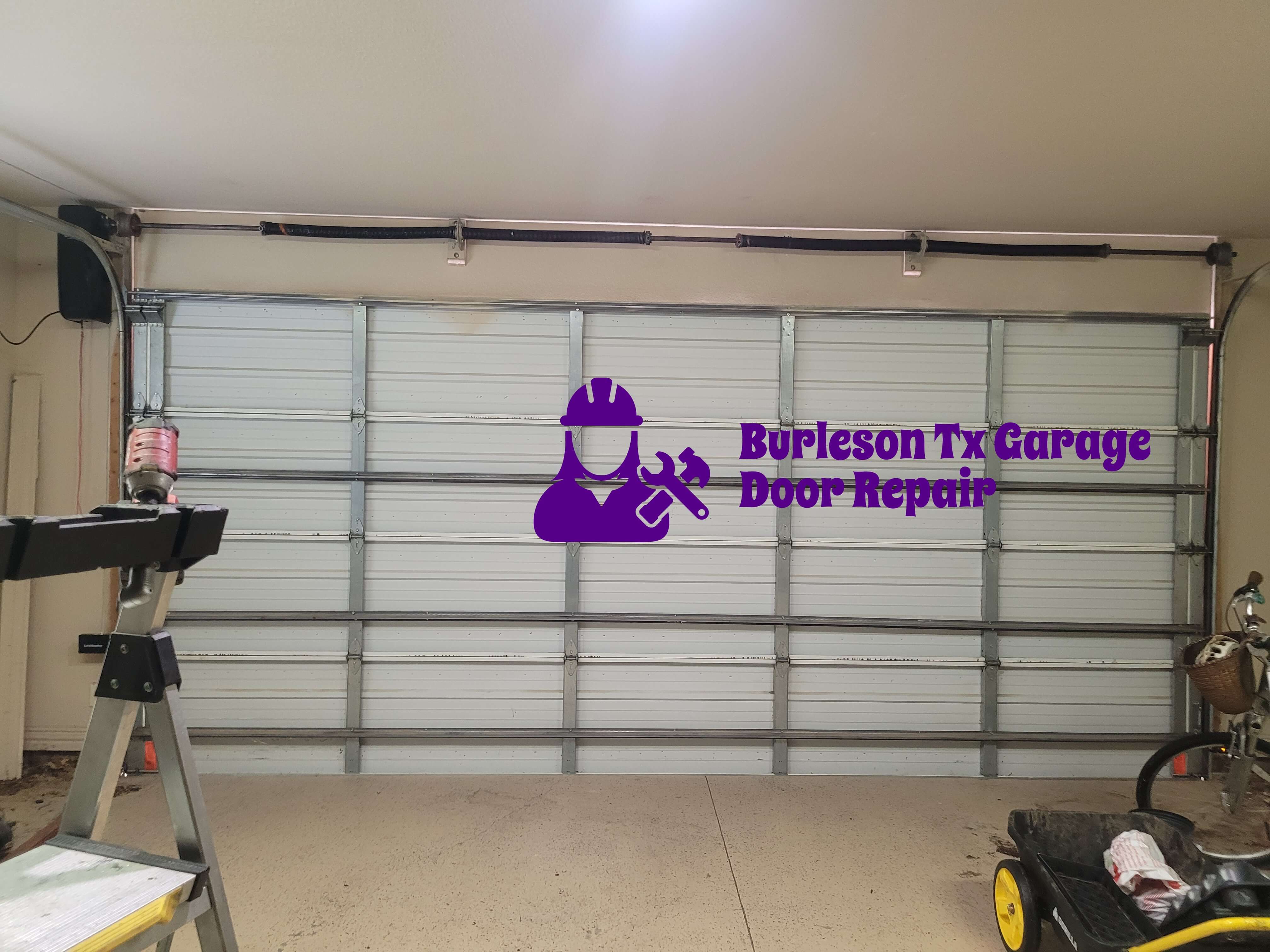
Professional Guide to Garage Door Repair in Burleson
Addressing garage door repair in Burleson requires a focus on local safety standards, operational reliability, and the distinction between minor homeowner maintenance and high-tension component replacement. Whether you are dealing with...
Addressing garage door repair in Burleson requires a focus on local safety standards, operational reliability, and the distinction between minor homeowner maintenance and high-tension component replacement. Whether you are dealing with a misaligned sensor, a snapped torsion spring, or a failing motor unit, effective repairs prioritize restoring the door’s structural integrity to prevent property damage and ensure household security.
Contents
Identifying Common Garage Door Failures
Garage doors are complex mechanical systems involving heavy components under high tension. In Burleson, the wide temperature fluctuations throughout the year can affect metal components and lubricants, often accelerating wear.
The most common issues homeowners encounter include:
- Broken Torsion or Extension Springs: If your door feels abnormally heavy or the motor struggles to lift it, the spring—which handles the counterbalancing weight—is likely fatigued. This is a critical component that often breaks after thousands of cycles.
- Misaligned or Obstructed Sensors: Modern safety regulations require photoelectric eye sensors at the base of the door. If these are bumped or the lens is obscured by debris, the door will refuse to close as a safety precaution.
- Worn Rollers and Hinges: Over time, the nylon or steel rollers that track the door can crack or lose their bearings. This manifests as loud grinding or popping noises during operation.
- Cable Frays: Cables work in tandem with springs to lift the door. Frayed or rusted cables are a significant safety hazard, as a snap can lead to the door falling abruptly.
- Motor or Circuit Board Failure: If the unit is silent despite power being present, the issue may lie within the logic board or the motor gears, which may be stripped due to long-term strain.
Safety Protocols for Homeowners
Repairing a garage door carries inherent risks, particularly concerning the spring system. Springs are wound with extreme tension to offset the weight of the door. Attempting to adjust or replace these without specialized tools and professional training can result in severe injury.
Homeowners should restrict their involvement to:
- Visual Inspection: Regularly checking cables for fraying and ensuring the track is free of obstructions.
- Lubrication: Applying a silicone-based lubricant to hinges, rollers, and track contact points to reduce friction.
- Sensor Testing: Placing a block of wood or an object in the path of the door to ensure the auto-reverse safety feature functions correctly.
Important: Never attempt to adjust the bottom bracket or remove the spring tension bolts yourself. If a cable is loose or a spring has snapped, the door is in an unstable state. Disconnect the opener, keep the area clear, and contact a professional technician.
Selecting a Qualified Technician in Burleson
When seeking garage door repair in Burleson, look for contractors who provide transparent pricing and have verifiable experience with both residential and commercial door systems. Because the industry includes a mix of independent contractors and larger service chains, vetting is essential.
Checklist for Vetting Service Providers
- Licensing and Insurance: Ensure the company carries general liability and workers' compensation insurance. This protects you if a technician is injured on your property or if further damage occurs to your home during the repair.
- Emergency Service Availability: Garage door issues are often urgent—a door stuck in the open position leaves your home vulnerable to weather and theft. Prioritize companies that offer 24/7 or same-day emergency response.
- Component Warranty: A reputable professional will offer a warranty on the parts installed (such as high-cycle springs) and a labor guarantee.
- Local Reputation: Look for consistency in reviews regarding arrival times, cleanliness of work, and adherence to quoted prices.
Comparative Cost Factors
Costs for repairs vary based on the specific hardware required and the urgency of the call. The following table illustrates typical ranges for common service requirements in the region.
| Service Category | Typical Effort Level | Primary Considerations |
|---|---|---|
| Spring Replacement | High | Always replace both springs for balance; requires high-tension tools. |
| Sensor Alignment | Low | Often resolved with simple positioning; no parts usually required. |
| Cable Repair | Moderate | Requires securing the drum and spool; non-negotiable for safety. |
| Opener Troubleshooting | Moderate | Focuses on electrical continuity and gear drive integrity. |
| Track Adjustment | Moderate | Requires leveling the tracks to prevent uneven door wear. |
Maintenance Strategies to Extend Lifespan
Preventative maintenance is the most effective way to avoid the need for emergency repairs. By dedicating time every six months to inspect your system, you can identify failing parts before they cause a full system collapse.
- The Monthly Balance Test: Disconnect the door from the opener by pulling the red emergency release cord. Raise the door manually to about four feet and let it go. It should remain stationary. If it falls or snaps upward, the spring tension is incorrect.
- Tighten Hardware: Vibrations from daily use can loosen nuts and bolts. Check all brackets and bolts on the door and tracks, tightening them with a wrench where necessary.
- Clear the Tracks: Ensure the tracks are clean of grease buildup, dirt, and cobwebs. A clean track allows the rollers to move smoothly without putting extra strain on the motor.
- Seal Checks: Check the bottom weather stripping. If it is dry-rotted or missing, it will allow moisture into the garage, which can lead to rust on the door panels and track system.
Resolving Recurring Issues
If you find yourself requiring repairs multiple times within a short period, it is often a sign of a deeper systemic issue rather than a single failing part. In such cases, technicians may recommend a full system overhaul rather than a piecemeal repair.
For example, if your garage door is older than 15 years, the motor and the door hardware may have reached their mechanical fatigue limit. Replacing individual rollers or springs on a door that is structurally sound is economical, but if the door panel itself is warping or the metal tracks are rusted through, investing in a new system is more cost-effective in the long term than continuous, recurring repairs.
Frequently Asked Questions
How long should a standard residential garage door spring last? Most standard torsion springs are rated for 10,000 to 20,000 cycles. If you use your door four times a day, this typically translates to seven to ten years of service. Higher-cycle springs can be installed for increased longevity.
Why does my garage door close halfway and then immediately reverse? This is almost always a safety feature activation. Check that nothing is blocking the laser beam between the two floor-level sensors. If the path is clear, the sensors may be misaligned or the wires leading to the sensors may be compromised.
Is it safe to operate a garage door with a broken spring? No. A broken spring removes the counterbalance, forcing the garage door motor to lift the full, heavy weight of the door. This will likely cause the motor gears to strip or the motor unit to burn out, and it creates a significant risk of the door crashing down unexpectedly.
Should I replace my rollers with nylon or steel? Nylon rollers with sealed ball bearings are generally quieter and require less maintenance than steel rollers. They are ideal for residential settings where noise reduction is preferred.
Can I fix a dented garage door panel? Minor dents can sometimes be popped out or filled, but structural damage to a panel usually requires replacement. If the integrity of the panel is compromised, it may prevent the door from tracking correctly, leading to secondary issues with the hinges and motor.
Next Actions
To address an immediate repair, clear all obstructions from the garage area to allow the technician safe access. If the door is stuck open, ensure the area is secured, then document the specific symptoms—such as noises, error codes on the motor, or visible damage—to provide to your chosen service provider. When requesting a quote, specify the make and model of your garage door opener to help the technician arrive with the correct spare parts on their first visit.
Image Gallery