Understanding Baby Nutrition Food for Healthy Development
Ensuring optimal baby nutrition requires a structured approach that prioritizes breast milk or infant formula during the first six months, followed by the gradual, medically guided introduction of nutrient-dense solid foods. By focusin...
Ensuring optimal baby nutrition requires a structured approach that prioritizes breast milk or infant formula during the first six months, followed by the gradual, medically guided introduction of nutrient-dense solid foods. By focusing on essential macronutrients and bioavailable micronutrients, caregivers can support rapid physical growth, immune system maturation, and critical cognitive development during the first two years of life.
Contents
The Foundation of Infant Nutrition: The First Six Months
For the vast majority of infants, the exclusive source of nutrition for the first six months should be either human milk or iron-fortified infant formula. These sources are specifically engineered or naturally composed to meet the unique physiological requirements of a newborn, whose digestive system is still developing.
Human milk provides a dynamic profile of antibodies, enzymes, and hormones that infant formula—despite sophisticated modern manufacturing—cannot replicate entirely. Conversely, infant formula is rigorously regulated to provide a consistent balance of proteins, fats, carbohydrates, and essential vitamins (such as Vitamin D) that ensure a baby thrives even if breastfeeding is not possible or chosen. During this period, introducing other foods is generally discouraged by pediatric health organizations, as the infant’s kidneys and gastrointestinal tract are not yet mature enough to process complex proteins or handle high solute loads.
Principles of Complementary Feeding: Beyond Six Months
"Complementary feeding" describes the process of introducing solid foods alongside breast milk or formula. This stage is not merely about satiety; it is a critical window for neurological development and the establishment of long-term dietary habits.
The World Health Organization and national pediatric academies typically recommend starting solids around six months of age. At this developmental milestone, most babies demonstrate the physical readiness required: they can sit with minimal support, hold their heads upright, and have lost the "extrusion reflex" that causes them to push food out of their mouths with their tongues.
Key Nutritional Priorities
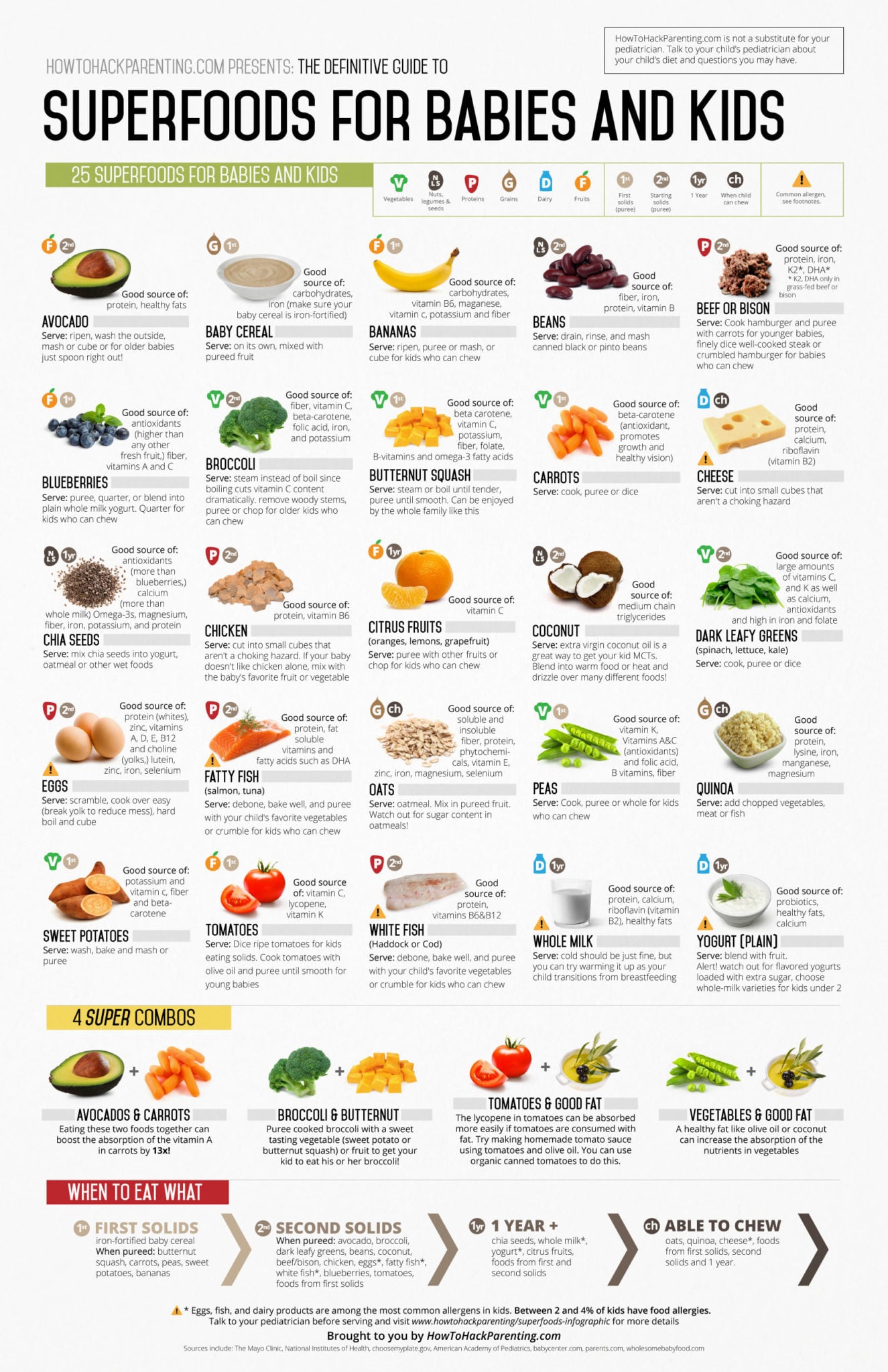
- Iron Intake: By six months, an infant’s iron stores—naturally accumulated during the third trimester of pregnancy—begin to deplete. Introducing iron-rich foods, such as pureed meat, beans, or iron-fortified infant cereals, is essential to prevent iron-deficiency anemia, which can have long-lasting effects on cognitive and motor development.
- Healthy Fats: Fats are crucial for brain growth and energy density. Foods rich in omega-3 fatty acids, such as avocado or fatty fish, are highly encouraged.
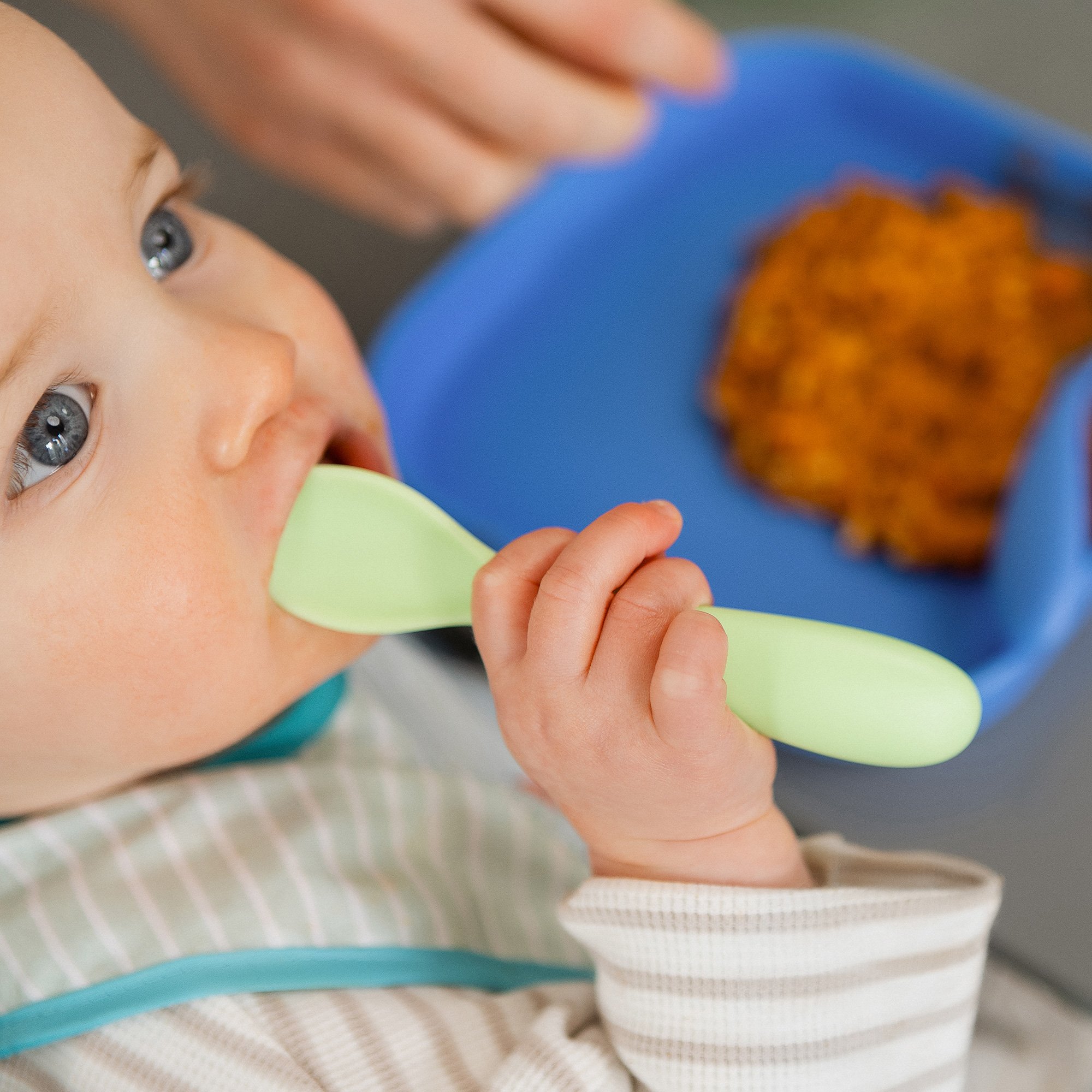
- Texture Progression: Infants must learn to handle different textures. Starting with smooth purees is common, but transitioning to "finger foods" (soft, easily dissolvable pieces) by 8 to 10 months is vital for oral motor development and speech preparation.
Identifying Nutrient-Dense Food Groups
Not all calories are equal in the context of infant development. Caregivers should focus on food groups that provide the most biological value per gram.
- Proteins: Eggs, meat, poultry, and fish (low in mercury) provide high-quality protein and essential amino acids.
- Vegetables and Fruits: These should focus on variety. Deeply colored vegetables like spinach, sweet potatoes, and carrots provide essential phytonutrients.
- Iron-Fortified Cereals: While whole grains are excellent, iron-fortified cereals remain a standard, reliable way to bridge the iron gap during the transition to solids.
Safety and Allergy Management
The historical practice of delaying the introduction of common allergens—such as peanuts, eggs, and cow’s milk—has been superseded by modern research. Current clinical guidelines from entities like the National Institute of Allergy and Infectious Diseases suggest that early introduction of allergenic foods, particularly peanut products, can actually reduce the risk of developing a food allergy.
However, safety remains paramount. Honey must be avoided entirely until the child is 12 months old due to the risk of infant botulism. Cow’s milk, in its liquid form, should also be avoided as a primary drink before age one, as it can cause micro-hemorrhages in the gut and is not nutritionally complete enough for an infant compared to breast milk or formula.
Comparison of Feeding Approaches
Caregivers often choose between different methodologies for introducing solids. The following table outlines the two most common approaches.
| Feature | Traditional Spoon-Feeding | Baby-Led Weaning (BLW) |
|---|---|---|
| Primary Driver | Parent-led (spoon-fed purees) | Child-led (finger foods) |
| Motor Skill Focus | Passive swallowing and tongue control | Grasping, chewing, and hand-eye coordination |
| Implementation | Starts with thin purees, moves to chunks | Starts with soft, graspable solid pieces |
| Supervision Level | High (focus on volume consumed) | High (focus on choking prevention) |
| Independence | Low (dependent on caregiver) | High (self-regulated consumption) |
Common Nutritional Pitfalls and Troubleshooting
One of the most frequent challenges parents face is the "picky eating" phase, which often begins in toddlerhood but can manifest as early as 9–10 months. It is important to distinguish between genuine nutritional deficiency and normal developmental behaviors.
- Volume Misconception: Parents often worry that a baby is not eating enough. However, a baby’s stomach is approximately the size of their fist. They do not require adult-sized portions. Consistent exposure is more important than immediate high intake.
- High-Sodium Foods: Infants should not consume processed foods high in sodium. Their kidneys are not equipped to filter excess sodium, which can lead to long-term health issues including hypertension.
- The "Sugar Trap": While fruits are healthy, refined sugars should be entirely excluded. Exposing an infant to sweet, high-calorie foods early can skew their palate toward processed sweets, increasing the difficulty of introducing bitter, nutrient-dense vegetables later.
Frequently Asked Questions
How much should my baby eat during their first month of solids? Start small. At around six months, a baby may only consume one or two teaspoons of food once a day. The majority of their caloric and nutrient intake should still come from breast milk or formula. Food at this stage is primarily for "practice" and exposure to new flavors and textures.
Is it safe to give my baby water? Small amounts of water can be introduced once a baby begins eating solids, but breast milk or formula remains the priority. Excessive water consumption in infants under six months can interfere with their ability to absorb nutrients and, in rare cases, lead to water intoxication.
What should I do if my baby shows signs of a food allergy? If a baby develops hives, swelling, rashes, or persistent vomiting after trying a new food, cease feeding that food immediately and consult a pediatrician. If there is difficulty breathing or signs of anaphylaxis, seek emergency medical care immediately.
Does organic food provide better nutrition for babies? There is no definitive clinical evidence that organic foods provide superior nutritional content compared to non-organic counterparts. However, organic certification may reduce exposure to synthetic pesticide residues, which some parents choose to avoid as a precautionary measure.
When should I transition from breast milk or formula to cow's milk? You should wait until the child is at least 12 months old. At this point, their digestive system is mature enough to handle the protein load of cow's milk, and they are typically getting enough nutritional variety from solid foods that milk can transition to being a supplementary source of calcium and fat.
Recommendations for Success
To ensure healthy development, maintain a calendar of food introduction. Introduce one new food at a time, waiting 2–3 days between new items to monitor for any adverse reactions. Focus on the diversity of nutrients rather than the quantity of calories. If you have concerns about growth patterns or suspected allergies, consult your pediatrician or a registered dietitian specializing in pediatric nutrition, as they can provide personalized guidance based on your child’s specific growth chart and medical history.
Image Gallery