Understanding the Waukesha Christmas Parade Tragedy: Legal Outcomes and Community Impact
The Waukesha Christmas Parade tragedy refers to the November 21, 2021, event in which a driver intentionally plowed his SUV into a crowd of participants and spectators at a holiday parade in Waukesha, Wisconsin. The incident resulted i...
The Waukesha Christmas Parade tragedy refers to the November 21, 2021, event in which a driver intentionally plowed his SUV into a crowd of participants and spectators at a holiday parade in Waukesha, Wisconsin. The incident resulted in the deaths of six individuals and left over 60 people injured, leading to a complex series of criminal trials and lasting legislative discussions regarding public safety and mental health.
Contents
Context and Sequence of Events
On the afternoon of November 21, 2021, the city of Waukesha, Wisconsin, was hosting its annual Christmas parade, a long-standing community tradition. The event was interrupted when a red Ford Escape broke through police barricades and traveled down Main Street at high speed. The driver struck multiple marchers, musicians, and parade-goers before crashing into a parked vehicle and a storefront.
The immediate response involved local law enforcement, medical first responders, and bystanders who provided emergency aid to the victims. The perpetrator was apprehended shortly after the incident in a residential area near the parade route. The aftermath of the event triggered a massive investigation by the Waukesha Police Department, the Wisconsin Department of Justice, and the Federal Bureau of Investigation, aimed at establishing the motive and the legal culpability of the driver.
The Legal Proceedings and Verdict
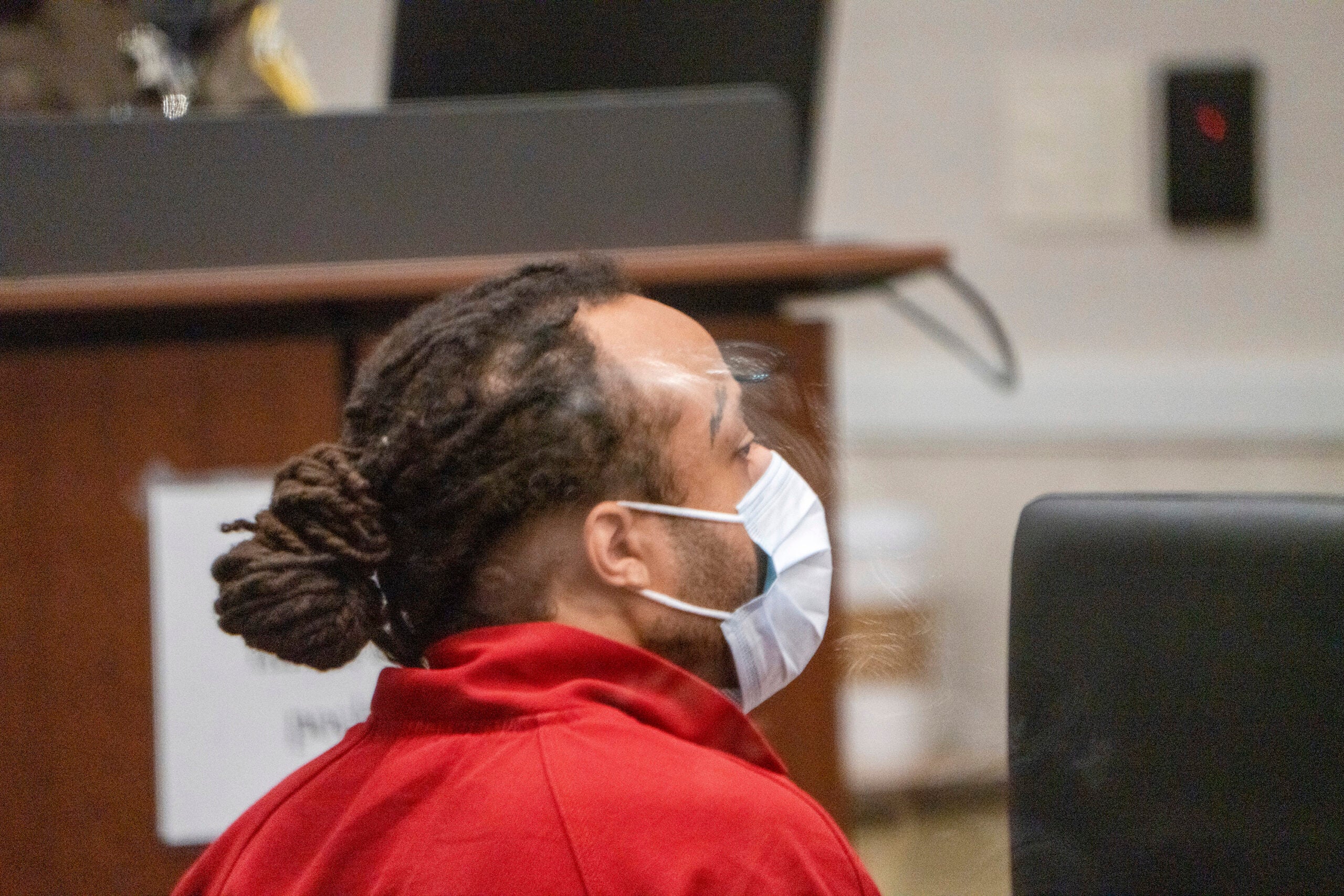
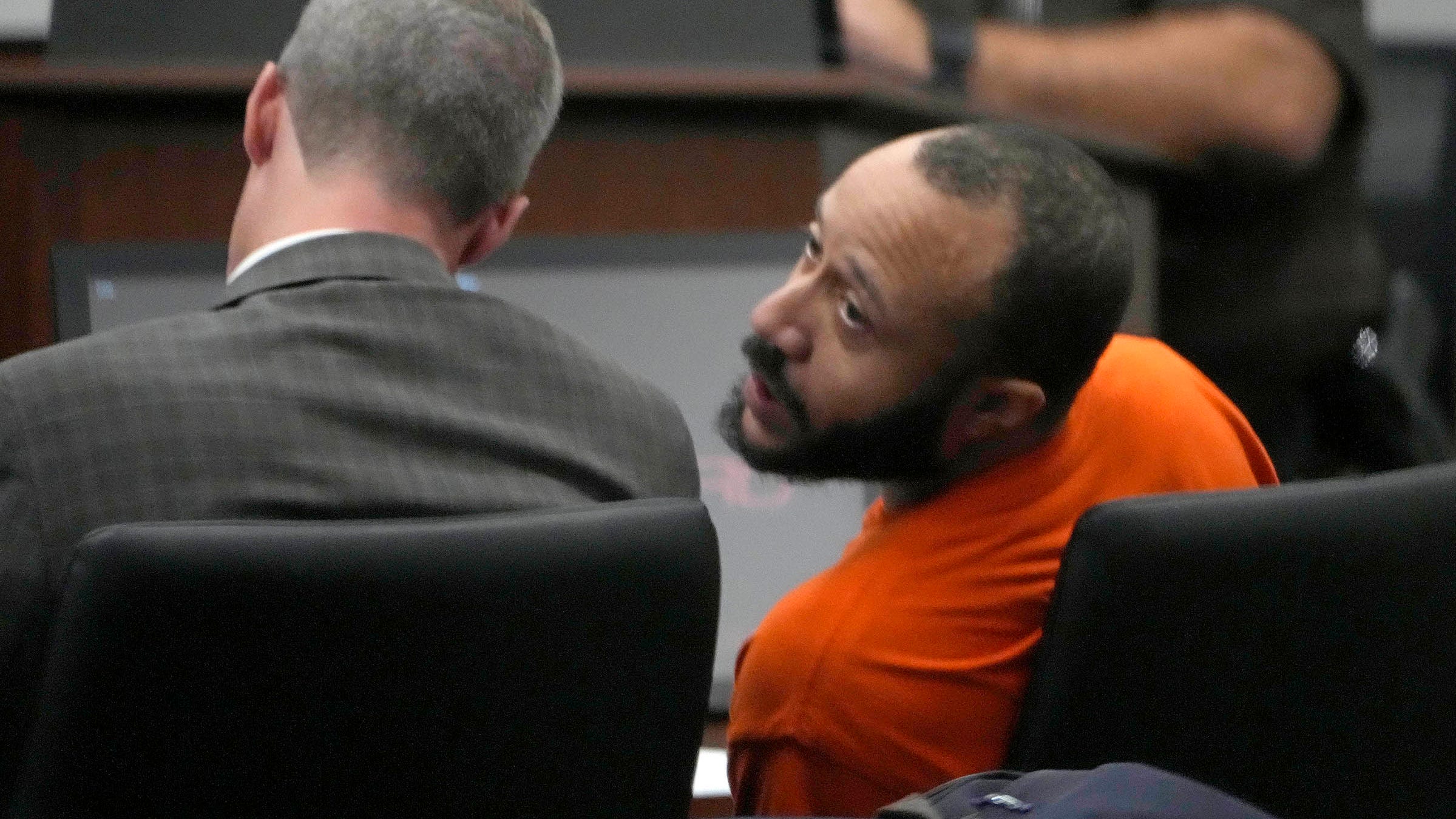
The legal case against Darrell Brooks, the individual responsible for the attack, was highly publicized and complex. Following his arrest, he was charged with 77 criminal counts, including six counts of first-degree intentional homicide. The trial, held in the Waukesha County Courthouse throughout the fall of 2022, was marked by the defendant’s decision to represent himself for a significant portion of the proceedings.
In October 2022, a jury found Brooks guilty on all 77 counts. The court subsequently sentenced him to six consecutive life terms in prison without the possibility of parole, plus an additional 700-plus years for the remaining charges related to reckless endangerment and hit-and-run incidents. The sentencing underscored the severity of the act and provided a conclusion to the criminal phase of the tragedy.
Impact on Emergency Preparedness
The incident forced municipalities across the United States to re-evaluate their protocols for large-scale outdoor events. Parade security had historically focused on crowd control and traffic management rather than hostile vehicle mitigation. Post-2021, many local governments shifted their strategies to incorporate physical barriers and enhanced screening processes.
| Security Measure | Implementation Focus | Operational Impact |
|---|---|---|
| Physical Barriers | Placement at entry points to prevent unauthorized vehicle access. | Limits flow of traffic, requires advanced setup. |
| Tactical Positioning | Deployment of armed personnel at key perimeter junctions. | Increases visibility and response speed. |
| Staging Protocols | Mandatory vehicle inspections for all registered parade entries. | Adds time to pre-event logistics. |
| Communication Sync | Integration between local PD and event volunteer coordinators. | Streamlines rapid lockdown procedures. |
Legislative and Community Responses
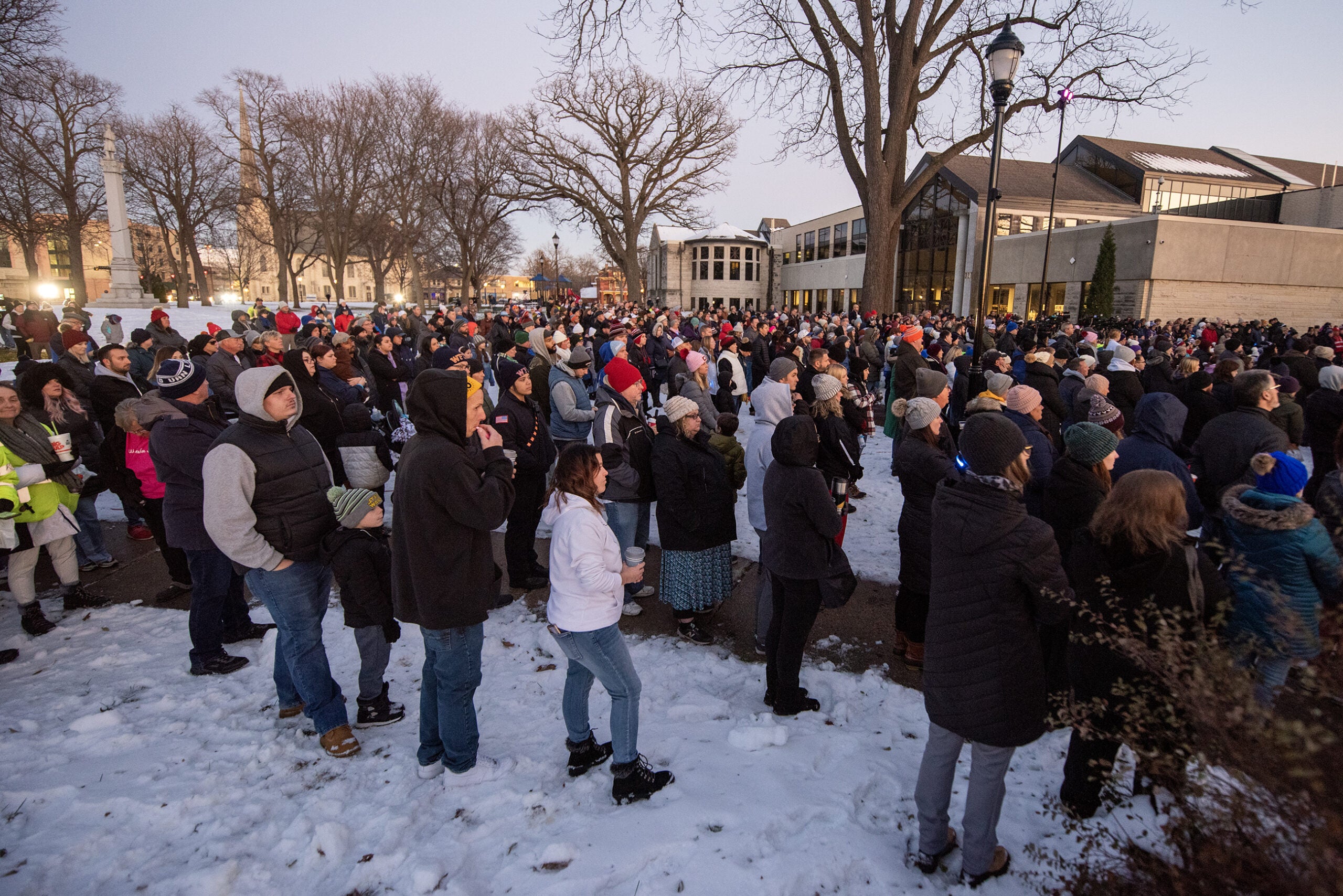
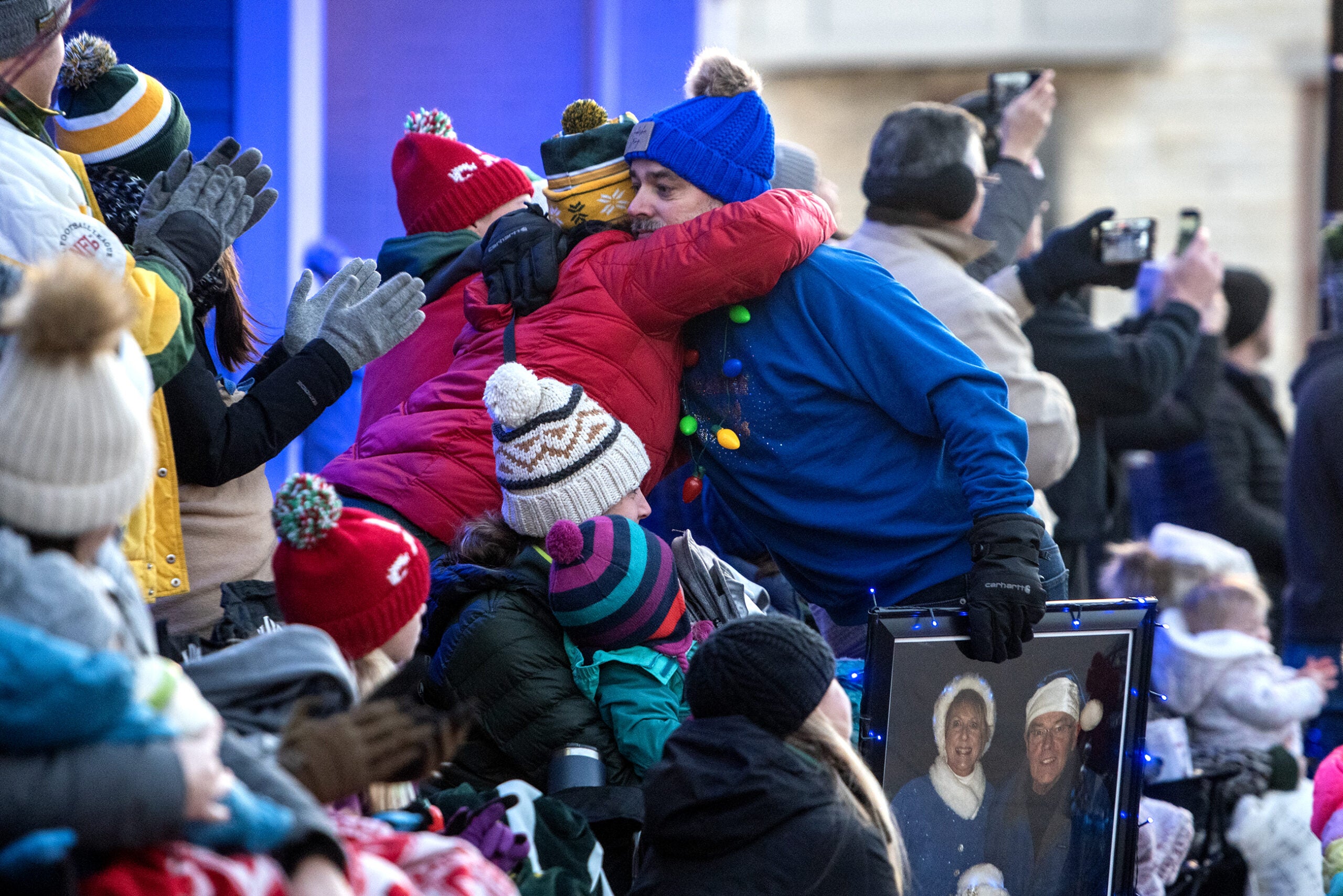
In the years following the tragedy, the Waukesha community focused on long-term recovery and honoring the victims. The "Waukesha Strong" movement became a symbol of collective resilience. Simultaneously, the state of Wisconsin reviewed its bail and sentencing laws. Debate surfaced regarding the circumstances surrounding the defendant’s release on bail shortly before the tragedy, leading to calls for stricter bail requirements in the state.
These legislative discussions have continued into 2026, with ongoing advocacy from families affected by the tragedy to ensure that violent offenders are subject to stricter oversight during pretrial periods. This has manifested in both state-level policy proposals and broader public interest in judicial reform.
Supporting Public Safety at Large Events
Organizers of public events must prioritize safety as a primary prerequisite for operation. The following steps are currently considered best practices for ensuring public safety in urban settings:
- Risk Assessment: Before permitting an event, city officials conduct a threat analysis to determine required barricade types and emergency vehicle access routes.
- Infrastructure Hardening: Utilizing weighted barriers or heavy-duty bollards that can stop vehicle momentum, rather than relying solely on signage or cones.
- Emergency Notification Systems: Ensuring that event staff and public safety officials share a unified communication frequency to enable instant "stop" commands during an incident.
- Pedestrian Buffer Zones: Maintaining clear zones between active traffic lanes and pedestrian zones to provide a "reaction space" for spectators.
Common Misconceptions Regarding the Tragedy
One common area of confusion involves the motive of the perpetrator. During the trial, it was established that the attack was a deliberate, singular act driven by the perpetrator's state of mind rather than an organized act of terrorism or a coordinated political attack. Understanding this distinction is vital for those studying the sociology of public violence, as it changes the approach to risk management—focusing more on behavioral monitoring and judicial vigilance than on ideological counter-terrorism.
Another misconception relates to the role of the parade organizers. The legal investigation cleared the parade organizers and the city of negligence, affirming that the event was properly permitted and that the tragedy was the result of a singular criminal actor bypassing established security perimeters.
Frequently Asked Questions
Who were the victims of the Waukesha Christmas Parade incident? The victims were six individuals ranging in age from 8 to 81 years old. They included members of the "Dancing Grannies" group and several local residents attending the event. The city has since established a memorial to honor their lives.
Did the trial result in any changes to Wisconsin law? Yes. The trial prompted significant debate over the state’s bail system. Legislators have proposed and implemented tighter restrictions on bail for defendants charged with violent offenses, aiming to ensure public safety in the pretrial period.
How do cities prevent similar vehicle-ramming incidents today? Most cities now utilize "hard" perimeter security. This involves using concrete barriers, heavy vehicles parked at strategic intervals, or reinforced fencing to ensure that no unauthorized vehicle can enter the pedestrian corridor, even if they intentionally breach a soft barricade.
Is there a way for victims' families to pursue further legal action? Victims of violent crimes in Wisconsin can pursue civil litigation for damages. However, legal experts note that collecting monetary damages from perpetrators who are serving life sentences is often limited by the lack of assets. Many families have instead focused on public advocacy and support groups.
What resources are available for those affected by the trauma? The Waukesha community continues to offer mental health resources, including counseling services and support groups for those who witnessed the event or lost loved ones. Local community centers and the county health department maintain directories for these services.
Professional Guidance and Next Actions
For those involved in event planning or municipal governance, the primary takeaway from the Waukesha tragedy is the necessity of adopting a "security-first" approach to urban planning. Event planners are encouraged to conduct a formal review of their safety plans with local law enforcement, specifically requesting a vehicle-mitigation strategy. If you are a resident or a community member looking to support the long-term legacy of the victims, consider contacting official city resources for information on local memorial maintenance and community safety initiatives.
Image Gallery