Do All Jellyfish Sting? Understanding Cnidarian Biology and Safety
While it is a common misconception that all jellyfish possess the capability to sting humans, the reality is that nearly all members of the phylum Cnidaria—which includes jellyfish, sea anemones, and corals—are equipped with specialize...
While it is a common misconception that all jellyfish possess the capability to sting humans, the reality is that nearly all members of the phylum Cnidaria—which includes jellyfish, sea anemones, and corals—are equipped with specialized stinging cells called cnidocytes. However, the vast majority of these species do not possess a sting potent enough to be felt by human skin, nor are they capable of penetrating the dermis to deliver toxins.
Contents
The Mechanism of the Cnidarian Sting
To understand why some jellyfish sting and others seem harmless, one must first examine the biological machinery that defines the phylum Cnidaria. All cnidarians possess cnidocytes, which are specialized cells containing an organelle known as a nematocyst. A nematocyst is essentially a microscopic, pressurized capsule containing a coiled, hollow thread tipped with barbs.
When a jellyfish brushes against a target—be it prey or a potential threat—the nematocyst is triggered by mechanical or chemical stimuli. The high internal pressure causes the thread to evert rapidly, piercing the target's outer layer and injecting a complex cocktail of proteins and peptides. For the jellyfish, this is an essential survival mechanism used to paralyze small fish, crustaceans, and other planktonic organisms. For humans, the physiological reaction depends entirely on whether the nematocyst can successfully penetrate the stratum corneum, the outermost layer of the skin.
Why Some Jellyfish Are Deemed "Non-Stinging"
The classification of a jellyfish as "non-stinging" is often a matter of human perception rather than biological fact. Several species, such as the Upside-down jellyfish (Cassiopea) or the Moon jellyfish (Aurelia aurita), possess nematocysts that are technically functional. However, because these species have evolved to feed on smaller, softer-bodied prey, their stinging structures are frequently too weak to penetrate the thicker, keratinized skin of human hands or legs.
In instances where a human experiences a reaction to a "non-stinging" jellyfish, it is usually because the contact occurred on thinner, more sensitive skin—such as the inner forearm, the neck, or mucous membranes—or because the individual is highly allergic to the specific proteins in the jellyfish’s venom. It is also important to note that jellyfish mucus can sometimes cause contact dermatitis, which might be mistaken for an actual sting.
Categorizing Risk: Potency and Exposure
The risk posed by a jellyfish is determined by a combination of venom toxicity and the physical capacity of the nematocysts to deliver that venom. Scientists generally categorize these risks based on the threat to human health, ranging from negligible to life-threatening.
| Jellyfish Type | Typical Sting Potency | Human Risk Level |
|---|---|---|
| Moon Jellyfish (Aurelia) | Very Low | Minimal/Negligible |
| Upside-down Jellyfish (Cassiopea) | Low | Localized skin irritation |
| Lion’s Mane (Cyanea capillata) | Moderate | Significant pain; rash |
| Portuguese Man o' War* | High | Intense pain; systemic symptoms |
| Irukandji/Box Jellyfish | Very High | Potential for severe systemic reactions |
Note: The Portuguese Man o' War is a siphonophore, a colonial organism, but is colloquially grouped with jellyfish due to its appearance and similar interaction with human beachgoers.
Factors That Influence Sting Severity
Beyond the species involved, several external factors dictate the intensity of a jellyfish encounter. Understanding these variables is critical for anyone spending time in coastal waters.
1. Area of Contact
The thickness of human skin varies significantly across the body. The palm of a hand may be completely impervious to the sting of a Moon jellyfish, while the tender skin of a child’s face or a person’s inner thigh might react with an itchy, burning sensation. When jellyfish are present, protective barriers like wetsuits or rash guards are the only reliable way to prevent contact.
2. Size and Quantity
Larger jellyfish possess longer tentacles with a higher density of nematocysts. A single encounter with a massive Lion’s Mane jellyfish will result in a much higher cumulative dose of venom than an encounter with a small, individual medusa. Furthermore, tentacle fragments—which can remain active and capable of firing even after the jellyfish has died or broken apart—can still deliver painful stings if brushed against.
3. Individual Sensitivities
Just as some people are allergic to bee stings or certain foods, individuals can have hyper-sensitivities to cnidarian venom. An encounter that causes a minor annoyance for one person may result in a severe allergic reaction, respiratory distress, or localized swelling for another. If you have a known history of severe allergies, it is imperative to exercise extreme caution in waters known to harbor jellyfish populations.
Distinguishing Between Stings and Other Ocean Irritants
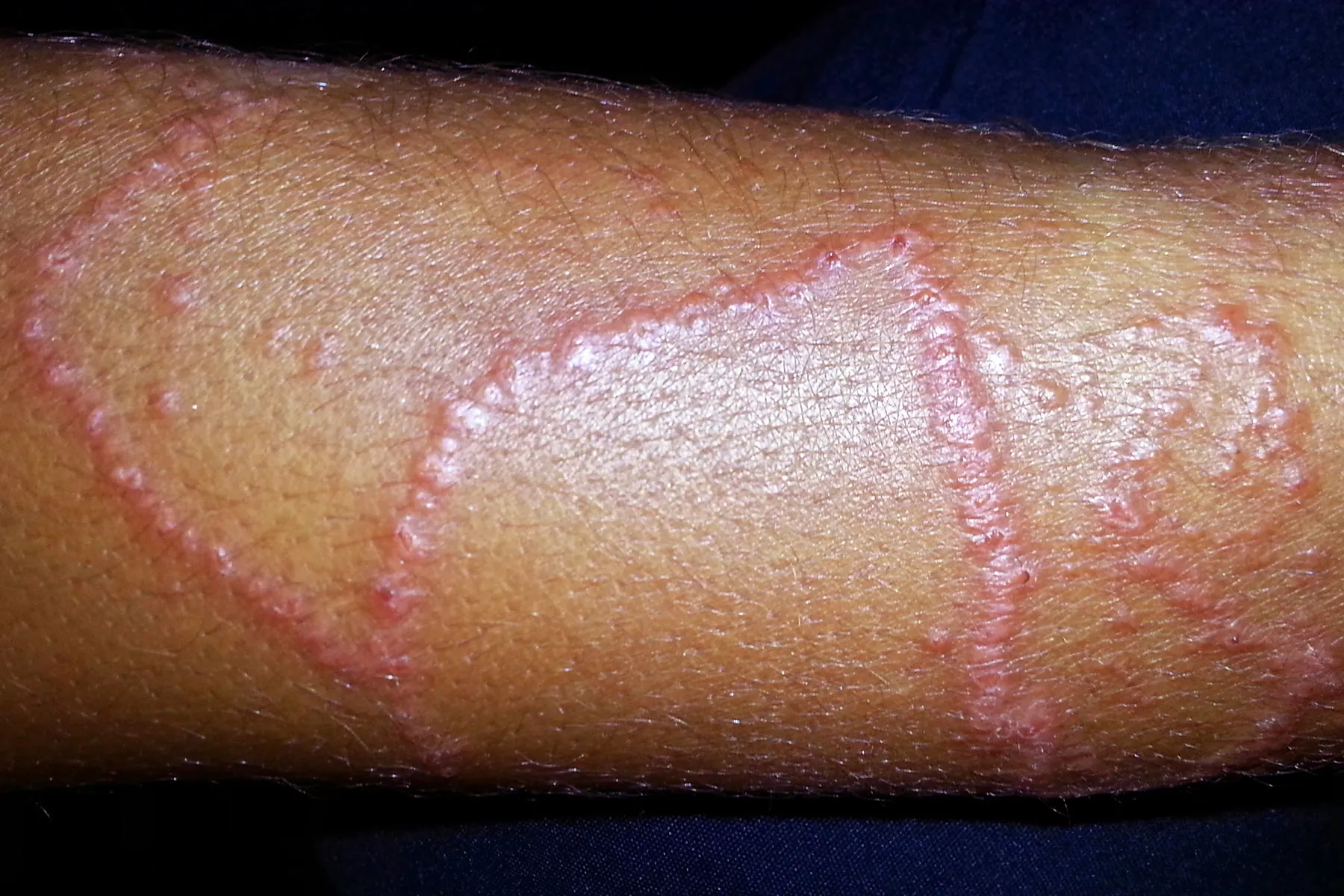
Not every red welt or burning sensation acquired in the ocean is a jellyfish sting. Ocean users often mistake other marine phenomena for stings. For example, "sea lice"—which are actually the larvae of thimble jellyfish or sea anemones—can cause an itchy, papular rash known as seabather's eruption. Unlike a direct jellyfish sting, which happens on contact with a tentacle, this eruption occurs when larvae are trapped under swimwear, where they fire their nematocysts in response to the friction of the fabric against the skin.
First Aid and Proper Response
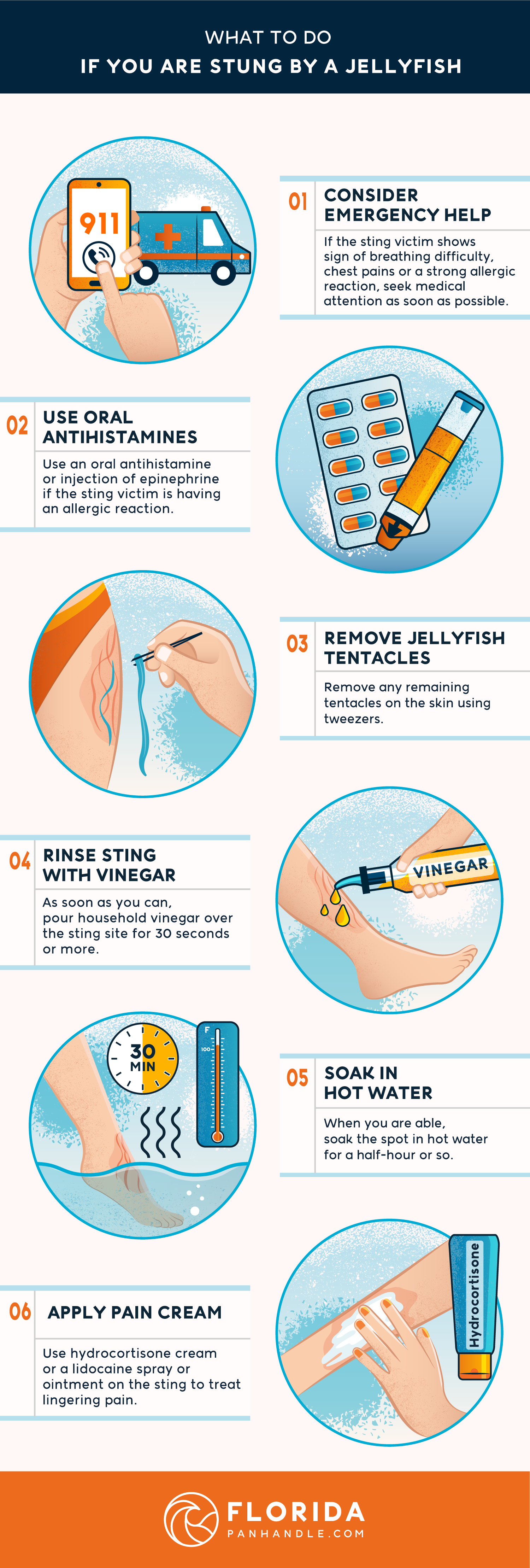
If you are stung by a jellyfish, the priority is to stop the discharge of any remaining nematocysts. The first step is to rinse the area with seawater. Contrary to popular urban legends, do not use freshwater, as the change in osmotic pressure can cause remaining, unfired nematocysts to discharge, worsening the sting.
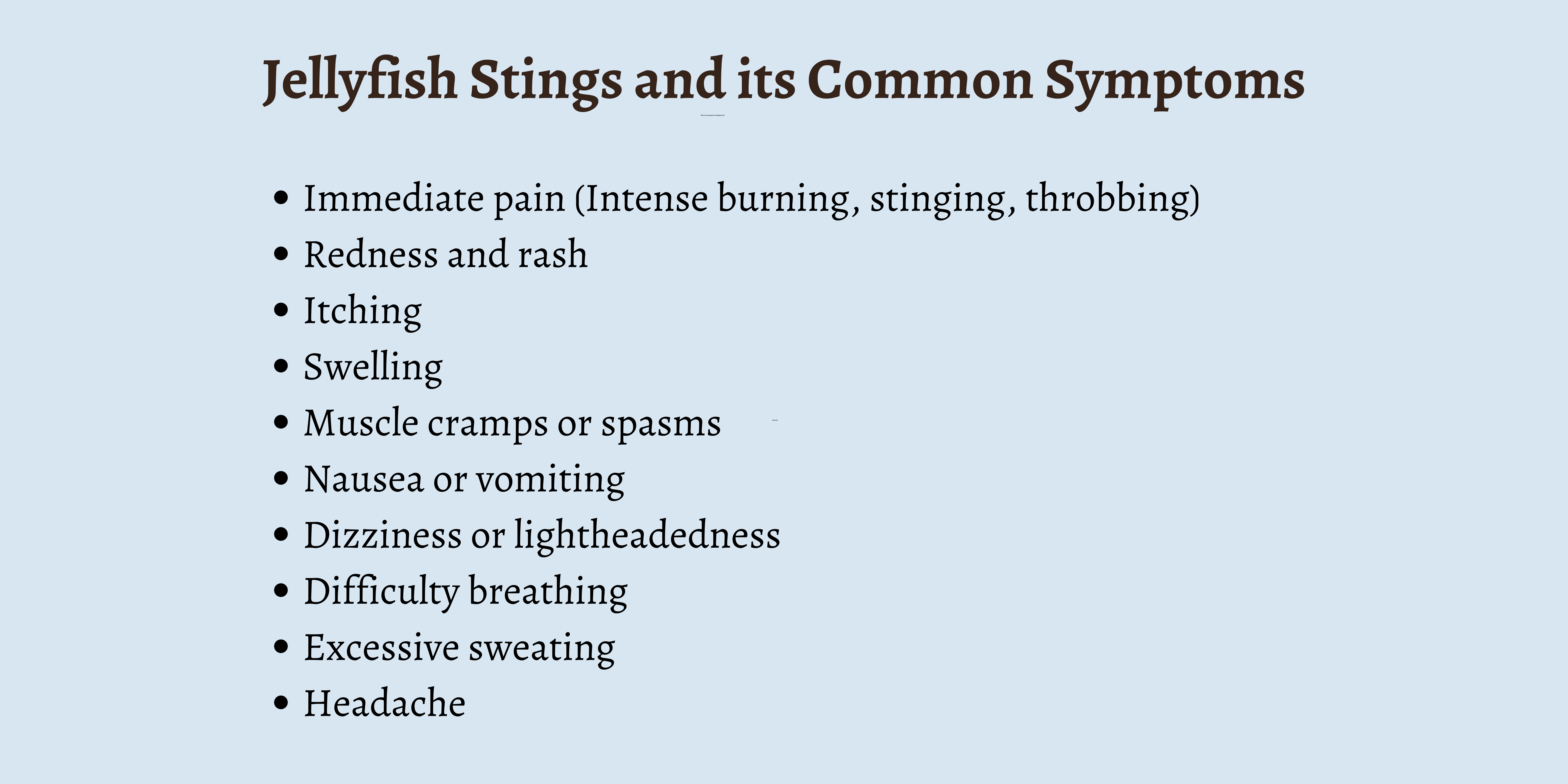
Vinegar is a common recommendation for some species (notably box jellyfish) as it effectively inhibits the firing of nematocysts, but it is not a universal remedy and can be ineffective or even counterproductive for others. After rinsing, remove any visible tentacle fragments with tweezers or a gloved hand. For pain management, immersion in hot water (roughly 42–45°C or 108–113°F) is widely accepted by medical professionals as the most effective method to denature the proteins in the venom and provide relief. If the person experiences difficulty breathing, chest pain, or rapid swelling, emergency medical services must be contacted immediately.
Frequently Asked Questions
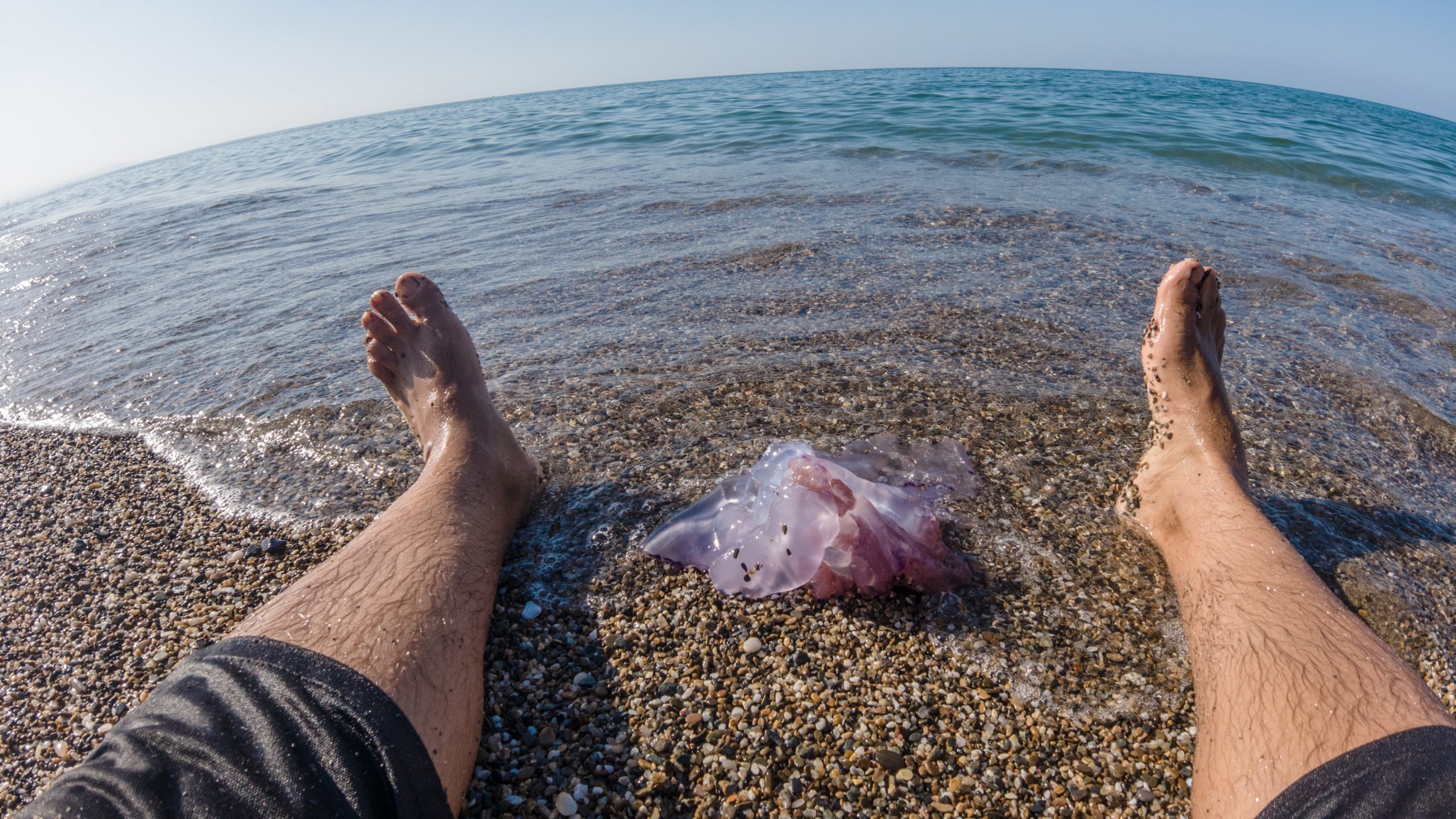
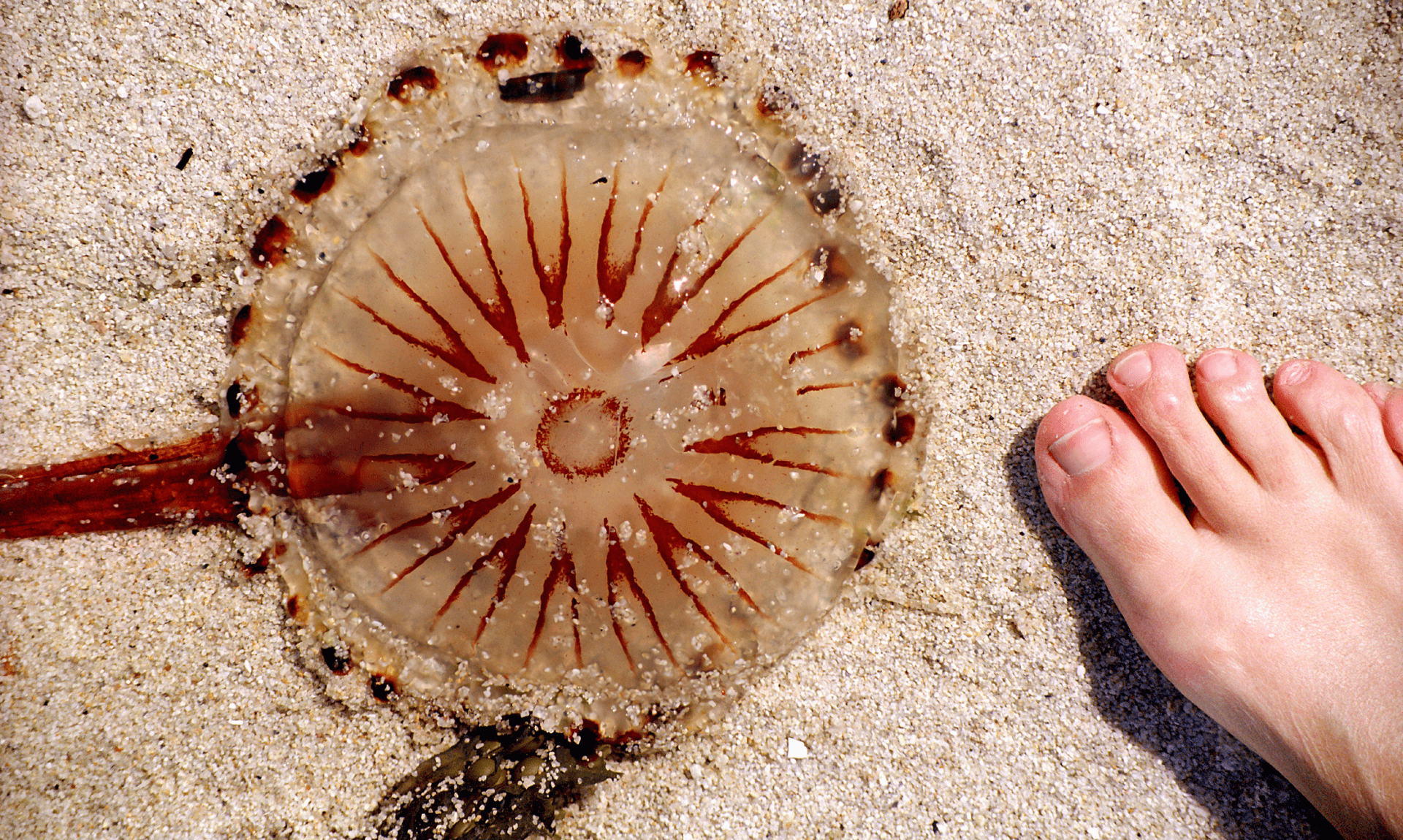
Are "dead" jellyfish on the beach still able to sting? Yes. Even if a jellyfish has been washed ashore and appears to be dead or dried out, the nematocysts remain intact and can be triggered by touch or pressure. You should never handle jellyfish remains with your bare hands, as they can still deliver a painful sting.
Does urinating on a jellyfish sting help? No. This is a persistent myth that has no scientific basis. Urine can change the chemical environment of the skin in a way that may stimulate further nematocyst discharge, potentially increasing the pain and the severity of the reaction.
Can I tell if a jellyfish is dangerous just by looking at it? Not reliably. While some highly venomous species, like the Box jellyfish, have distinct shapes, many dangerous species are difficult for the average person to identify. The safest rule of thumb is to avoid direct contact with any jelly-like creature you encounter in the ocean.
Why do I see jellyfish in the water but don't feel a sting? This is common. It simply means the species you are encountering has nematocysts that are not powerful enough to pierce your skin, or the tentacles are not currently in a state to discharge. However, it is always wise to leave the water if you notice a high concentration of jellyfish.
Next Steps for Ocean Safety
When entering the water in 2026, the most effective strategy for avoiding stings is proactive observation. Check local beach reports and follow lifeguard warnings regarding jellyfish "blooms." If you are planning to swim in areas where jellyfish are common, consider wearing a full-body stinger suit or a high-quality neoprene wetsuit, which provides a physical barrier that most nematocysts cannot penetrate. By respecting these organisms and understanding their biological limitations, you can enjoy the ocean while minimizing the risk of a painful encounter.
Image Gallery