Guide to Filing Workers Compensation Claims Electronically in Pennsylvania
Filing workers' compensation claims electronically in Pennsylvania requires navigating the Pennsylvania Department of Labor & Industry's Bureau of Workers’ Compensation (BWC) systems. Employers and insurers primarily utilize the Electr...
Filing workers' compensation claims electronically in Pennsylvania requires navigating the Pennsylvania Department of Labor & Industry's Bureau of Workers’ Compensation (BWC) systems. Employers and insurers primarily utilize the Electronic Data Interchange (EDI) system to submit mandated filings, while injured workers generally interact through their employers or legal counsel to initiate the process via official forms like the Agreement to Compensation or the Employee’s Report of Injury.
Contents
Understanding the Pennsylvania Workers' Compensation Landscape
Workers' compensation in Pennsylvania is a state-mandated insurance program designed to provide wage replacement and medical benefits to employees who suffer work-related injuries or occupational diseases. The Pennsylvania Workers’ Compensation Act dictates the rules for coverage, benefit calculation, and the mandatory reporting requirements for employers.
For the vast majority of businesses operating in Pennsylvania, electronic filing is not merely an option—it is a regulatory requirement for insurers, self-insured employers, and third-party administrators (TPAs). The state utilizes standardized electronic formats to ensure that claim data is accurate, timely, and accessible for regulatory oversight. While an injured employee is not typically expected to navigate the complex EDI infrastructure themselves, understanding the digital paper trail is essential for ensuring that their claim is being processed correctly.
Prerequisites for Electronic Claims Reporting
Before a claim can be successfully recorded in the BWC system, specific regulatory prerequisites must be met. The electronic reporting framework is built on the International Association of Industrial Accident Boards and Commissions (IAIABC) standards, which Pennsylvania adopted to streamline communications.
- Employer Reporting: Employers must report any injury that prevents the employee from performing their regular duties for at least one day (or shift) beyond the day of the injury. This is done via the submission of a First Report of Injury (FROI).
- EDI Trading Partner Status: Entities responsible for submitting claims electronically must be registered as Trading Partners with the Pennsylvania Bureau of Workers' Compensation. This involves a testing and certification process to ensure that their software can communicate with the Bureau’s database.
- Claim Verification: Every electronic filing must include the employer’s Federal Employer Identification Number (FEIN), the injured worker’s Social Security number, and specific diagnostic codes related to the injury. Missing or inaccurate data often leads to a rejection of the electronic submission by the Bureau's portal.
The Process of Initiating a Claim
The physical act of reporting an injury is the critical first step. For an employee, this means providing timely notice to the employer. Under Pennsylvania law, notice must be given within 120 days of the injury or the date the employee knew (or should have known) that their condition was work-related.
Once the employer receives this notice, the electronic workflow begins:
- Incident Documentation: The employer documents the details of the injury, including the time, location, and nature of the incident.
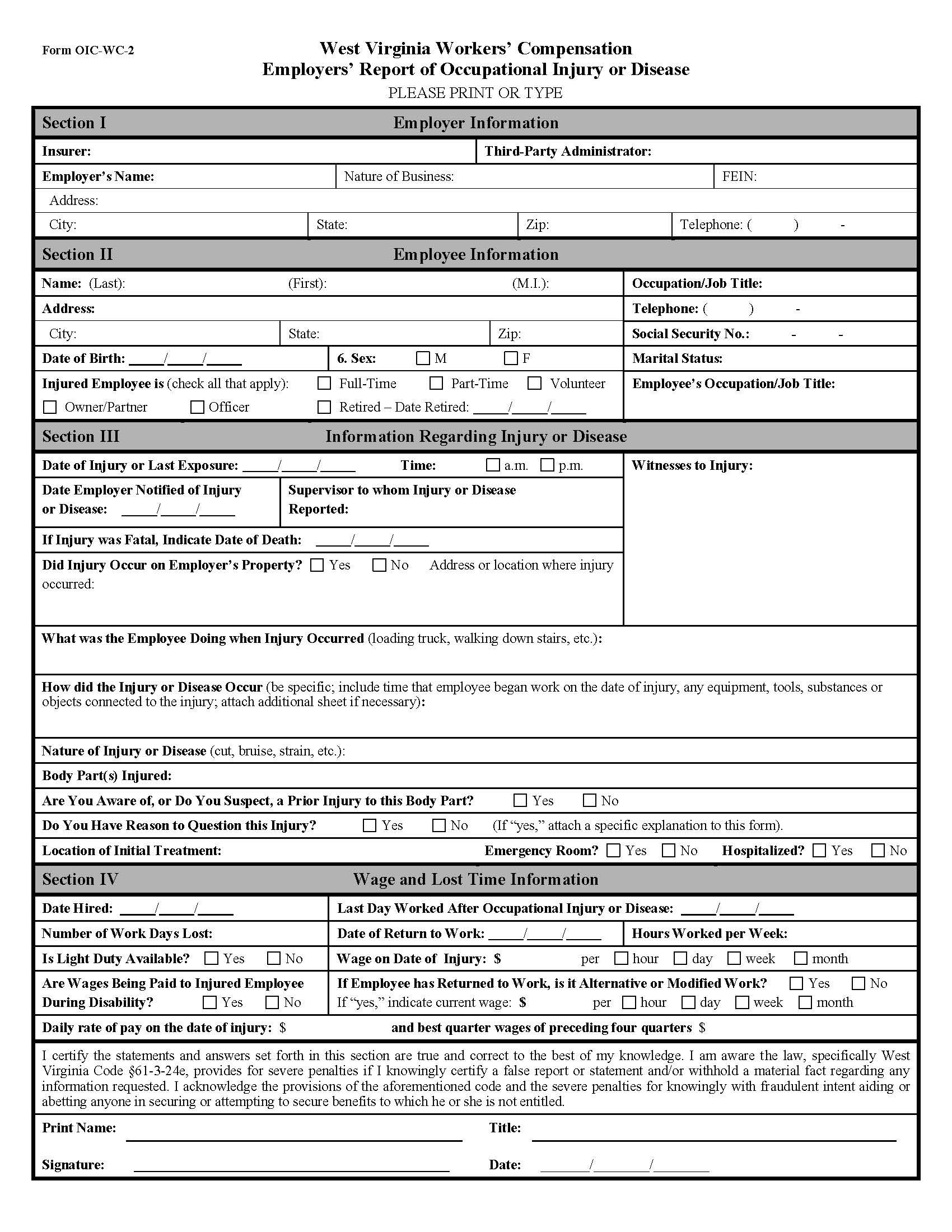
- Submission of the First Report of Injury (FROI): The employer or their insurance carrier submits the FROI to the Bureau via EDI. This file triggers the creation of a claim record within the state’s system.
- Initial Assessment: The insurance carrier reviews the claim to determine compensability. They will either accept the claim by issuing a Notice of Compensation Payable (NCP) or deny the claim by issuing a Notice of Workers’ Compensation Denial (NCD).
- Electronic Notification: These notices are also processed through electronic systems to ensure that the Bureau, the employer, and the injured worker receive the necessary documentation.
Comparison of Reporting Methods
While electronic reporting is mandatory for carriers and employers, the way information is transmitted varies based on the size of the organization and the volume of claims.
| Reporting Method | Primary Users | Technical Requirement |
|---|---|---|
| EDI (Standard) | Insurance Carriers / TPA | IAIABC-compliant software |
| BWC Website/Portal | Small Employers / Individuals | Web browser access / E-file portal |
| Paper Forms | Limited circumstances | Mailed to BWC (highly discouraged) |
For most professional entities in 2026, the reliance on proprietary or third-party EDI software is the industry standard. Attempting to use paper forms for high-volume reporting results in significant processing delays and may lead to non-compliance fines from the Bureau.
Common Challenges and Troubleshooting
Electronic filings are subject to strict validation rules. If a filing is rejected, it usually occurs due to data mismatches. Common errors include:
- Invalid Social Security Numbers: Ensuring that the employee’s SSN matches the records held by the Social Security Administration is vital. Even a single-digit typo will cause the Bureau's system to flag the claim.
- Missing Mandatory Fields: Pennsylvania law requires specific details regarding the injured body part and the nature of the injury. Using generic codes instead of the required specific medical classification often leads to automated rejection.
- Timeframe Violations: Pennsylvania imposes strict timelines for filing reports. Late filings can result in administrative penalties against the employer or the insurer.
If a technical error occurs during the EDI transmission, the Trading Partner should consult the BWC’s technical implementation guide. This guide outlines the specific error codes returned by the system and provides the corrective steps for re-submission.
Protecting Your Interests as a Claimant
For injured workers, the "electronic" nature of the system is largely managed by the insurance carrier. However, you maintain the right to verify the status of your claim. If you suspect that your claim has not been properly filed electronically, you can:
- Request a copy of the FROI: You have the right to know if your injury was reported to the Bureau.
- Monitor Notices: Ensure that you receive either an NCP or an NCD. If a significant amount of time has passed without documentation, you may contact the Bureau’s helpline to inquire if a claim has been established for your incident.
- Consult Legal Counsel: Because workers' compensation law involves complex procedural deadlines, if a claim is denied or if the electronic reporting process is stalled, engaging an attorney who specializes in Pennsylvania workers' compensation can help ensure that all electronic submissions are handled in accordance with the law.
Frequently Asked Questions
1. Can an injured worker file their own workers' compensation claim electronically? No, the electronic reporting system (EDI) is designed for employers, insurance carriers, and claims administrators. An individual worker communicates their claim through their employer, who is then legally obligated to report it to the Bureau.
2. What should I do if my employer refuses to file my claim? If your employer refuses to report the injury, you should report it directly to the Pennsylvania Bureau of Workers' Compensation. You can file an Employee’s Report of Injury form, which alerts the state to the situation and begins the process of establishing a file.
3. Is there a fee for filing workers' compensation claims electronically? There are no fees charged by the Pennsylvania Bureau of Workers' Compensation for the filing of claim documents. However, insurance carriers and employers may incur costs for maintaining the software required to connect to the state’s EDI system.
4. How do I know if my claim has been processed by the state? The Bureau of Workers' Compensation maintains a digital record of all reported claims. You may contact the Bureau’s customer service center or visit their official website to request information on the status of your claim.
5. Does the electronic process change based on the type of injury? While the electronic filing format (the FROI) remains consistent, different injuries may require additional documentation, such as medical reports or vocational assessment records, which may be attached to the claim electronically as it progresses.
Next Steps
If you are an employer, ensure that your TPA or insurance carrier is currently authorized and compliant with the Pennsylvania BWC’s EDI requirements for 2026. If you are an employee who has been injured, verify that your employer has documented the injury and provided you with notice of their action. Should you encounter a lack of progress or a denial, document every communication with your employer and contact the Pennsylvania Bureau of Workers’ Compensation to confirm that a claim record exists for your case.
Disclaimer: This article is for informational purposes only and does not constitute legal or professional advice. Workers' compensation laws in Pennsylvania are subject to change and specific situational nuances. For legal guidance regarding your specific claim, consult with a qualified attorney or the Pennsylvania Department of Labor & Industry.
Image Gallery