Navigating the Amtrak Schedule Chicago: A Comprehensive Guide for Travelers
Planning a trip via Amtrak through Chicago requires a clear understanding of the city's unique role as the central hub of the national passenger rail network. Chicago’s Union Station serves as the primary gateway for nearly all long-di...
Planning a trip via Amtrak through Chicago requires a clear understanding of the city's unique role as the central hub of the national passenger rail network. Chicago’s Union Station serves as the primary gateway for nearly all long-distance and regional rail travel in the Midwest and beyond, connecting coastal routes and mid-continental lines. By mastering the nuances of the Amtrak schedule in Chicago, passengers can effectively manage layovers, coordinate multi-leg journeys, and optimize their travel timing.
Contents
Understanding Chicago Union Station as a Central Hub
Chicago Union Station is the singular focal point for Amtrak operations in the Midwest. Unlike many other major American cities where rail lines may operate out of multiple terminals, Chicago consolidates all Amtrak arrivals and departures into this historic landmark. This centralization is both a convenience and a complexity. Because it is the terminus for many routes and a transit point for others, the station experiences peak congestion during morning and evening rush hours, specifically impacting the Hiawatha and Lincoln Service corridors.
When reviewing the Amtrak schedule for Chicago, it is essential to distinguish between the two primary service categories: short-haul state-supported routes and long-distance national network trains. Short-haul routes, such as the Wolverine (to Detroit/Pontiac) or the Illini/Saluki (to Carbondale), operate on higher frequencies, often multiple times per day. Conversely, long-distance trains, such as the Empire Builder (to Seattle/Portland) or the Southwest Chief (to Los Angeles), typically have one daily departure.
Accessing and Verifying the Schedule
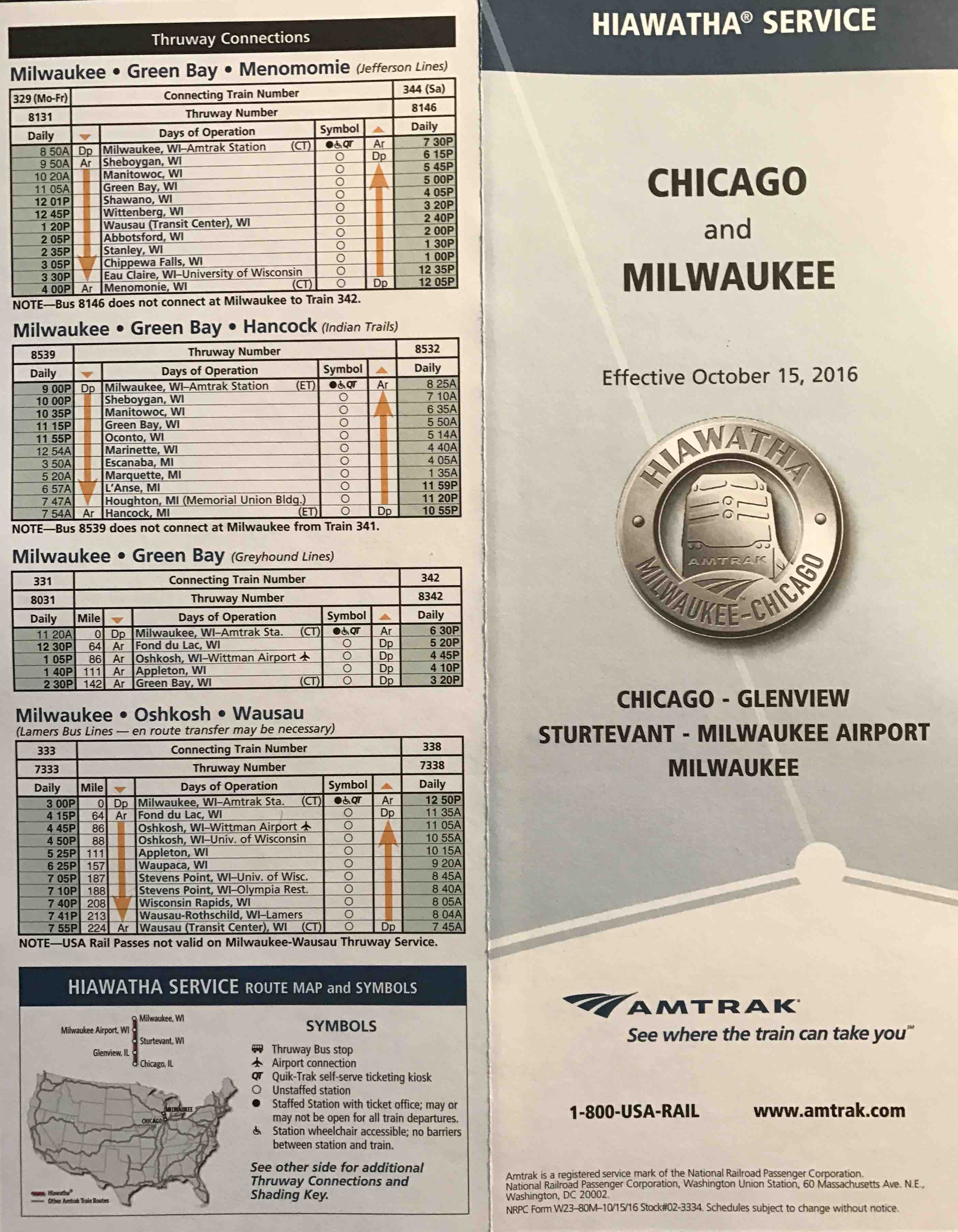
The most reliable way to access the current Amtrak schedule for Chicago is through the official Amtrak website or mobile application. Amtrak maintains a dynamic digital interface that updates in real-time to reflect service adjustments, track maintenance, or severe weather impacts. Passengers should avoid relying on static, third-party PDF schedules, as these can quickly become outdated.
To retrieve the most accurate information:
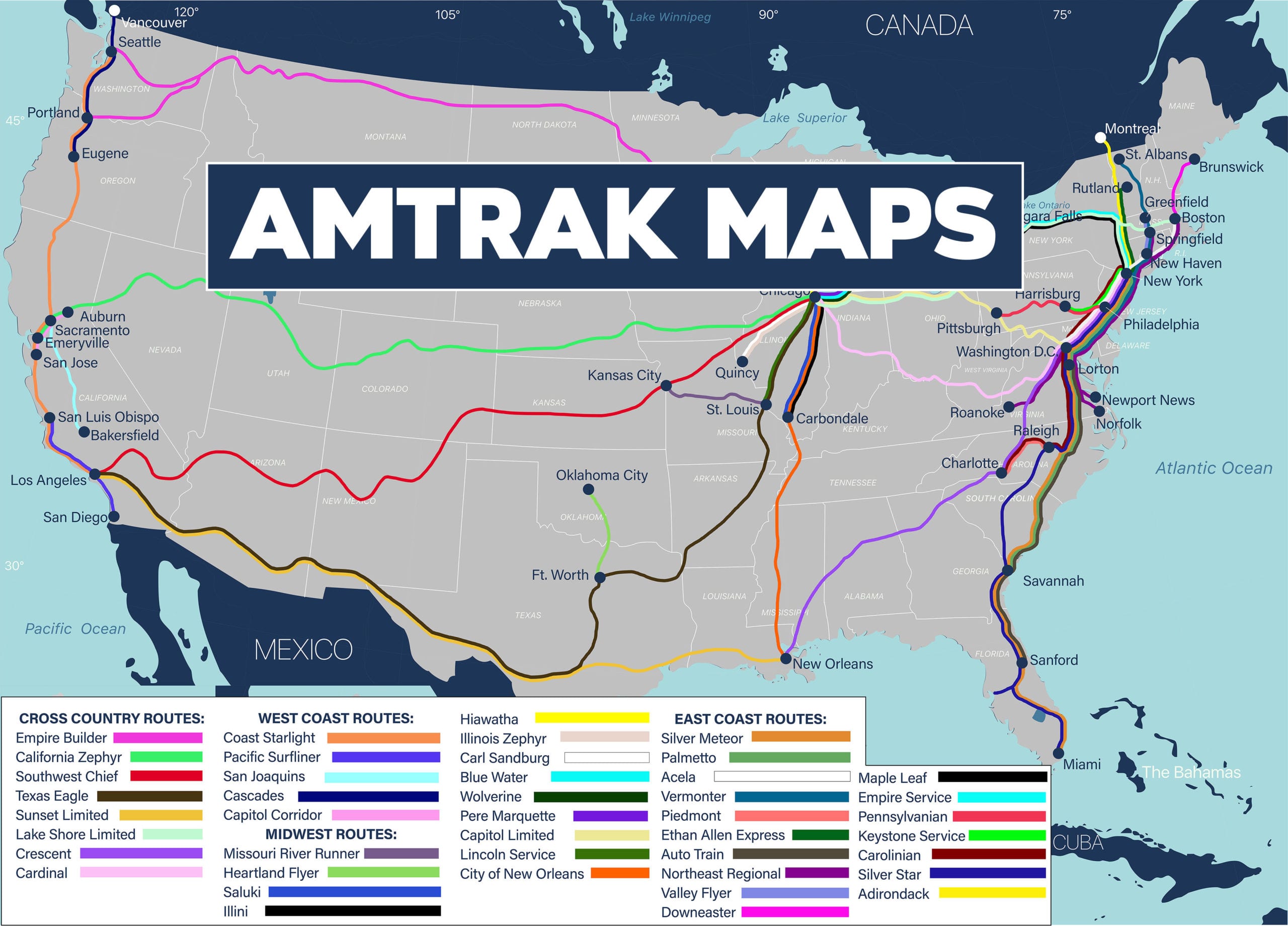
- Utilize the Amtrak Route Maps: These interactive maps allow you to select Chicago as your origin or destination point, providing a filtered view of all available routes.
- Consult the "Find Trains" Search Tool: By inputting your specific date and route, you receive the most precise departure and arrival times, along with information regarding current fare classes and seat availability.
- Monitor Status Notifications: Once a booking is secured, travelers can sign up for text or email alerts. This is critical for Chicago departures, where track assignments are often announced only 15 to 30 minutes before boarding.
Comparative Overview of Chicago Rail Services
Travelers must be aware that the operating characteristics vary significantly between regional and long-distance trains. The following table provides a breakdown of service types passing through Chicago Union Station.
| Service Category | Typical Frequency | Primary Destinations | Service Class |
|---|---|---|---|
| Regional (State-Supported) | Multiple daily | Milwaukee, St. Louis, Detroit, Carbondale | Coach/Business |
| Long-Distance | Once daily | Seattle, Los Angeles, New Orleans, New York | Coach/Roomette/Bedroom |
| Commuter Rail (Metra) | High frequency | Chicago Suburbs | Unreserved/Zone-based |
Note: While Metra shares Union Station, it is a separate entity from Amtrak. Tickets are not interchangeable between the two systems.
Navigating Layovers and Connections
A significant portion of rail travel involving Chicago includes a "transfer" or "layover." If your itinerary requires arriving on one train and departing on another, you must ensure that your transfer time is sufficient. Amtrak generally requires a minimum connection time, which is automatically calculated by their booking engine. However, experienced travelers often prefer to build in a buffer, especially when connecting between a regional train and a long-distance route.
If your itinerary is booked as a single ticket (a "through-ticket"), Amtrak is responsible for ensuring you reach your final destination. In the event of a significant delay on the first leg, the carrier will typically rebook you on the next available departure at no additional cost. If you book separate tickets for different segments, you are assuming the risk for any missed connections due to delays. Given the congestion levels in the Chicago rail corridor, booking a single, continuous itinerary is the most secure method for protecting your travel plans.
Operational Constraints and Common Challenges
Chicago is notorious for rail congestion. Because the terminal serves as a junction for both Amtrak and several freight railroads, scheduling can be subject to external factors. Freight trains often have track priority under federal regulations, which can result in "freight interference." When analyzing the schedule, realize that arrival times for long-distance trains are estimates.
Travelers should also be aware of the "Quiet Car" policy and baggage services. Most regional routes in the Midwest offer a designated Quiet Car, where use of personal electronics without headphones and loud conversation are prohibited. If you are traveling on a long-distance route departing from Chicago, you will have access to checked baggage services, which are not always available on shorter regional corridors. Always check the station amenities guide on the Amtrak website to verify if your specific train offers checked bags.
Practical Tips for the Chicago Passenger
- Arrive Early: Although boarding usually begins 20 minutes before departure, navigating the Great Hall at Union Station can take time. Aim to arrive at the station at least 45 to 60 minutes before your scheduled departure.
- Utilize the Metropolitan Lounge: If you are traveling in a private room (Roomette or Bedroom) on a long-distance train or hold certain loyalty status, you have access to the Metropolitan Lounge in Chicago. This space offers a quieter waiting area, complimentary snacks, and dedicated assistance.
- Verify the Boarding Gate: Keep a close eye on the large display screens in the main hall. Because Chicago is a stub-end terminal, tracks are assigned based on incoming train positioning, which can change due to track maintenance or traffic volume.
- Prepare for Weather: Chicago winters can impact track switches and signal reliability. During extreme cold or snow, check the "Service Alerts" section of the Amtrak website before heading to the station.
Frequently Asked Questions
How far in advance should I book my Amtrak ticket from Chicago? Amtrak prices fluctuate based on demand. For long-distance trains, booking several months in advance is recommended to secure the best fares and private room availability. Regional tickets are generally stable in price, but booking at least two weeks out ensures availability for specific times.
What happens if my Amtrak train is delayed? If your train is delayed, Amtrak provides updates via their website and mobile app. If a delay causes you to miss a guaranteed connection on a through-ticket, station personnel or the reservation center will assist you with rebooking or provide accommodation if the delay is significant and overnight.
Can I purchase a ticket at the station? Yes, Chicago Union Station has ticket counters and self-service kiosks. However, prices are typically lower online, and some trains—particularly those with limited seating—may sell out, making advance booking essential.
Is there food available at Chicago Union Station? The station features a variety of food vendors in the main hall. While many trains offer cafe or dining car services, having supplies before boarding is a wise precaution, especially for long-distance journeys.
How do I handle luggage at the station? Union Station offers baggage storage services for a fee if you have a valid Amtrak ticket. This is helpful if you have a long layover and wish to explore the city without your luggage.
Next Steps for Your Journey
Before your trip, confirm your departure time one final time via the Amtrak app. If you are traveling on a long-distance line, ensure you have your confirmation number ready and have reviewed the specific baggage allowances for your route. For those planning to explore the city during a layover, utilize the lockers near the main concourse to store your belongings securely, allowing you to transit to the nearby Chicago "L" train or local transit lines with ease. By maintaining a flexible mindset regarding the schedule and utilizing official tracking tools, your experience at Chicago Union Station will be both efficient and rewarding.
Image Gallery