The Surprising Depth of the Heights Movie Cast: An Examination of Ensemble Performance
The ensemble cast of the 2021 film adaptation of In the Heights reveals a surprising depth, characterized by a deliberate fusion of seasoned Broadway veterans, rising screen stars, and authentic cultural representation. This casting st...
The ensemble cast of the 2021 film adaptation of In the Heights reveals a surprising depth, characterized by a deliberate fusion of seasoned Broadway veterans, rising screen stars, and authentic cultural representation. This casting strategy elevated the cinematic narrative beyond its theatrical roots, grounding the high-energy musical sequences in nuanced, character-driven performances that resonate with contemporary audiences.
Contents
The Strategic Evolution of Casting for Screen
When Jon M. Chu signed on to direct the film adaptation of Lin-Manuel Miranda’s In the Heights, the casting process required a departure from traditional Broadway auditions. While a stage performance relies on projection and ensemble synchronization to reach the back of a theater, cinema demands internal focus and intimate connectivity. The "surprising depth" often attributed to this cast stems from the production's commitment to finding actors who possessed both the technical vocal proficiency required for Stephen Sondheim-influenced complex rhythms and the cinematic subtlety necessary for close-up work.
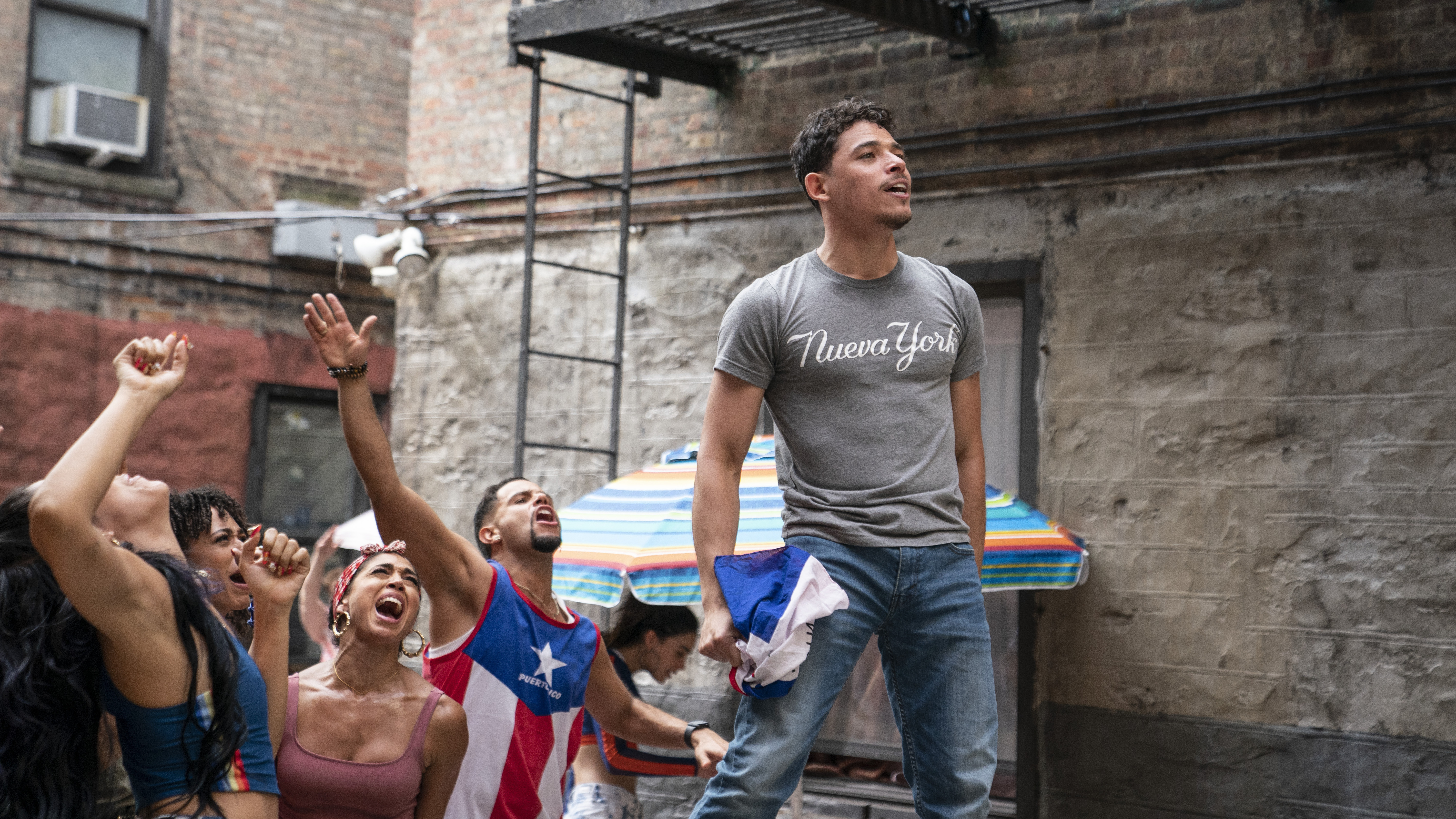
The casting directors, led by Tiffany Little Canfield, prioritized performers who shared a genuine connection to the Washington Heights neighborhood or similar immigrant experiences. This focus shifted the weight of the film from simple star power to communal authenticity. By hiring actors like Anthony Ramos, who had a deep, pre-existing relationship with the material from the Off-Broadway and Broadway runs, the production ensured that the central anchor of the story—Usnavi—was played by someone with an inherent understanding of the character’s dual identity as both an observer and a participant in his community.
Analyzing the Synergy of the Lead Ensemble
The depth of the cast is perhaps most visible in the chemistry between the primary performers. Anthony Ramos provides the film’s heartbeat, but the film’s narrative stakes are raised significantly by the supporting leads, including Melissa Barrera as Vanessa and Corey Hawkins as Benny.
Barrera, a versatile actress known for her work in telenovelas, brought a gritty, grounded ambition to Vanessa that diverged from the stage version. Her portrayal captures the specific anxieties of a character trying to transcend her socioeconomic circumstances without losing her identity. Meanwhile, Hawkins, primarily known for his dramatic film roles, brought a level of rhythmic precision and acting depth that transformed Benny from a conventional romantic lead into a complex figure navigating the nuances of cultural assimilation.
Key Character Roles and Performance Dynamics
The following table outlines the diverse backgrounds and contributions of the core cast members who anchored the film's emotional landscape:
| Character | Actor | Background | Contribution to Depth |
|---|---|---|---|
| Usnavi | Anthony Ramos | Theater/Television | Provides the emotional bridge and rhythmic grounding. |
| Vanessa | Melissa Barrera | Telenovelas/Film | Adds internal conflict and drive to the narrative. |
| Benny | Corey Hawkins | Dramatic Film | Delivers a nuanced performance of cross-cultural ambition. |
| Nina | Leslie Grace | Music/Recording | Represents the pressures of the "first generation" success. |
| Abuela Claudia | Olga Merediz | Stage/Film | Serves as the spiritual and historical anchor of the neighborhood. |
The Role of Legacy Cast Members
A pivotal element in the film’s success was the inclusion of Olga Merediz, who reprised her Broadway role as Abuela Claudia. In many adaptations, original stage actors are replaced by celebrities to bolster marketability; however, Merediz’s presence acted as a stabilizing force for the entire production. Her performance allows the audience to witness a bridge between the theatrical source material and the film's heightened reality.
Her portrayal of the character—a woman who spent her life as a housekeeper to provide for her neighborhood—offers a masterclass in subtlety. When the ensemble reacts to her character, the audience perceives a shared history that is rarely achieved in ensemble casts formed for a single production. This history provided a "surprising" level of gravitas to the film, grounding the musical’s more whimsical, stylized numbers in a sobering reality of immigrant labor and sacrifice.
Technical Demands and Performance Range
The "depth" observed in the cast also refers to the multi-hyphenate nature of their talents. Unlike a standard dramatic film, In the Heights required a cast capable of transitioning seamlessly between naturalistic dialogue, intricate choreography, and high-stakes vocal performance.
The cast had to master the specific cadence of Lin-Manuel Miranda’s lyrics, which utilize hip-hop flow, R&B phrasing, and traditional musical theater structures. For performers like Leslie Grace (Nina), the transition to a feature film of this magnitude required managing the physical demands of long shooting days in extreme summer heat in New York, while maintaining the stamina to deliver vocal performances that sounded effortless and intimate. This technical versatility allowed the director to use long, unbroken takes, particularly during musical numbers like "96,000," where the cast had to maintain character continuity throughout complex dance movements.
Impact of Cultural Authenticity on Ensemble Cohesion
Beyond individual talent, the cast’s depth is rooted in the shared cultural identity of the actors. Many of the performers grew up in Latinx households, and their understanding of the specific sub-cultures within Washington Heights—ranging from Dominican and Puerto Rican to Cuban and Mexican influences—infused the dialogue with a level of realism often absent from Hollywood portrayals of the neighborhood.
This cultural literacy influenced the cast’s interactions on and off-screen. By fostering an environment where the performers could contribute their own experiences to the script, the production ensured that the "barrio" felt like a living entity rather than a stage set. This collective contribution created a textured atmosphere, allowing even minor background characters to feel like people with complete, complex lives.
Common Misconceptions Regarding Musical Casting
A common error in evaluating the In the Heights cast is the assumption that their primary qualification was singing. Critics who focus solely on vocal performance often miss the dramatic heavy lifting that anchors the film. The cast’s performance in non-musical scenes—such as the moments of silence during the power outage or the intimate conversations in the salon—proves that the "depth" is in their ability to maintain tension without the aid of a melody.
Furthermore, the integration of theater-trained actors with those from film and music backgrounds created a unique tension that benefited the final product. The theater actors brought a sense of discipline and collaborative history, while the film actors brought a naturalistic approach that prevented the musical sequences from feeling overly polished or removed from reality.
Frequently Asked Questions
Why was the cast of the In the Heights film considered so effective? The effectiveness of the cast is largely attributed to the balance between Broadway veterans who knew the material and screen actors who brought a grounded, intimate quality to the performances. This hybrid approach ensured the film felt both theatrically ambitious and cinematically authentic.
Did the background of the actors influence the film's reception? Yes, the casting choice to hire actors with genuine ties to Latinx communities helped ground the film in an authentic representation of neighborhood life. This authenticity was frequently cited by critics and audiences as a primary reason for the film's emotional impact.
How did the training of the cast members differ for this production? The cast underwent intense training that combined traditional acting workshops with rigorous dance and vocal rehearsals. Because the film used many long, unbroken takes, the actors needed the stamina of stage performers combined with the precise focus required for high-definition camera work.
What was the significance of keeping Olga Merediz in the cast? Reprising her role as Abuela Claudia allowed Merediz to act as a vital link between the stage production and the screen adaptation. Her presence provided the cast with a sense of continuity and offered a deeply affecting, lived-in portrayal that anchored the entire narrative.
Does the film's casting represent a shift for future musical adaptations? The success of this ensemble suggests a growing industry preference for performers who possess "triple-threat" abilities—acting, singing, and dancing—while also maintaining a strong, credible connection to the cultural subject matter of the project.
Next Steps for Evaluating Ensemble Performances
To better appreciate the nuances of the In the Heights cast, viewers should revisit the film with a focus on the secondary and background ensembles during the larger musical numbers. Observe how individual actors maintain their character’s internal narrative even when the camera is not directly focused on them. This secondary level of performance, often overshadowed by the primary leads, provides the most compelling evidence of the ensemble’s depth. Future studies of musical-to-film adaptations should prioritize this blend of theatrical foundation and cinematic realism as the gold standard for genre success.
Image Gallery