Wyatt Bernard Net Worth Explained: Understanding Financial Transparency
Wyatt Bernard’s net worth is not publicly disclosed through audited financial statements, tax filings, or institutional wealth reports, as he does not hold a position that mandates such transparency. Estimates regarding his financial s...
Wyatt Bernard’s net worth is not publicly disclosed through audited financial statements, tax filings, or institutional wealth reports, as he does not hold a position that mandates such transparency. Estimates regarding his financial standing in 2026 are largely speculative, as no official regulatory body, private bank, or recognized financial publication has verified his total assets, liabilities, or investment portfolios.
Contents
The Challenge of Estimating Private Net Worth
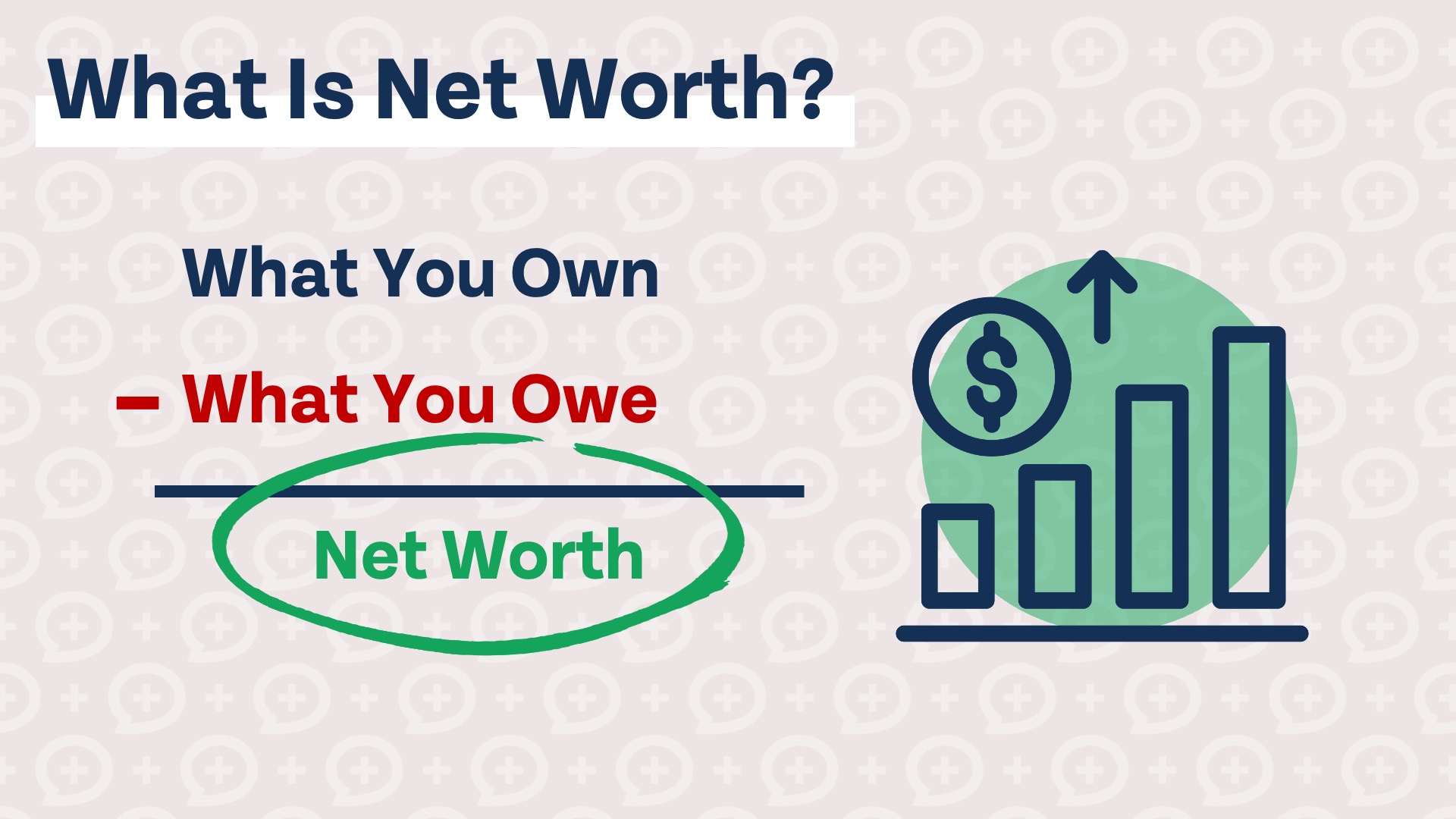
When discussing the financial profile of an individual who does not occupy a C-suite role in a publicly traded company, a high-ranking government position, or a spot on established lists like the Forbes 400, one faces significant limitations. Net worth is the mathematical difference between an individual’s assets—such as real estate, cash, equity in private businesses, and personal property—and their liabilities, which include debts, loans, and other financial obligations.
For figures like Wyatt Bernard, the lack of a public "paper trail" makes the task of determining a precise net worth effectively impossible. Publicly available information often fails to account for private trust structures, offshore holdings, or debt levels that are shielded by privacy agreements. Consequently, any figure cited by third-party "net worth" aggregators should be viewed with extreme skepticism. These websites often use algorithmic estimates based on superficial data points like general industry earnings, which frequently overlook the nuances of personal finance.
Differentiating Between Revenue and Net Worth
A common error in financial analysis is conflating an individual's gross revenue or salary with their net worth. Even if a subject has a high-earning career path, their net worth is heavily dictated by their "burn rate," tax obligations, and the liquidity of their assets.
- Gross Earnings: This represents the total income before taxes and expenses are deducted. In many professional fields, a large portion of this income is allocated to operational costs or reinvestment.
- Net Worth: This is a snapshot of total wealth at a specific moment. It requires the subtraction of all liabilities from total assets.
For many professionals, a significant portion of their wealth may be tied up in illiquid assets. For example, owning a stake in a private business may appear valuable on paper, but if that equity cannot be easily sold or leveraged, it does not function as cash-on-hand. Understanding this distinction is vital for anyone attempting to analyze the financial health of an individual or business entity.
Factors Influencing Wealth Verification
Several variables can lead to the "inflation" or "deflation" of reported net worth figures in the public eye. Understanding these factors helps in evaluating the credibility of any financial reporting.
- Public Records Accuracy: In jurisdictions with accessible property records, one can sometimes verify real estate ownership. However, these records do not disclose the mortgage balance or the presence of secondary liens, meaning the true equity in those properties remains hidden.
- Private Equity Holdings: If a person holds equity in private companies, those stakes are rarely appraised publicly. Valuations for these assets are often based on recent funding rounds or industry multiples, both of which can be volatile and inaccurate for an individual investor.
- Intellectual Property and Royalties: Income derived from intellectual property can be highly irregular. Without access to contract terms or royalty statements, analysts are forced to guess, which often leads to significant discrepancies between estimated and actual value.
- Tax and Legal Structures: Many high-net-worth individuals utilize trusts, limited liability companies (LLCs), and family offices to manage their assets. These structures are specifically designed to provide privacy, effectively walling off individual financial data from public or media scrutiny.
Table: Key Financial Components of Net Worth
| Category | Description | Impact on Net Worth |
|---|---|---|
| Liquid Assets | Cash, savings, and marketable securities. | High liquidity; easily valued. |
| Real Estate | Residential or commercial property. | Variable; depends on market debt/liens. |
| Private Equity | Ownership in non-public businesses. | Hard to value; often illiquid. |
| Liabilities | Mortgages, credit lines, and debts. | Negative impact; subtracts from total. |
| Personal Assets | Vehicles, art, and luxury goods. | Depreciating or static value. |
The Role of Financial Privacy in 2026
In 2026, the emphasis on digital privacy has increased, leading many individuals to adopt more rigorous standards regarding their financial disclosures. With the rise of cyber-intelligence and open-source data scraping, the preservation of financial secrecy has become a strategic priority for those who are not legally required to publish their wealth.
Because Wyatt Bernard does not maintain a public-facing corporate leadership role that requires annual reporting under Securities and Exchange Commission (SEC) guidelines or similar international bodies, his financial details remain entirely within the realm of personal privacy. Any attempt to "explain" or quantify his wealth is an exercise in conjecture rather than an analysis of verified, objective data.
Frequently Asked Questions
Why is there no official number for Wyatt Bernard's net worth? There is no official number because private individuals are not legally required to disclose their personal finances. Unless an individual is a public company officer or a government official, their net worth is private information that is not subject to public audit.
Are online "net worth" calculators accurate? Generally, no. Online net worth calculators often aggregate rumors, social media speculation, and outdated data. They lack access to private bank accounts, tax returns, and legal trust documents, meaning they cannot provide an accurate assessment.
How do experts determine the net worth of public figures? Experts often use public filings, such as SEC 13F filings for stock holdings, property tax records, and disclosed salary data from contracts. Even then, these are estimates that often exclude debt and private investment layers.
Does high income guarantee a high net worth? No. High income is often offset by high living expenses, taxes, and debt service. A person can earn a significant annual salary while maintaining a low net worth due to spending habits or financial liabilities.
Is it possible to find Wyatt Bernard's financial statements? No. Financial statements for private individuals are confidential. There is no legitimate legal or financial database that would make these records available to the general public.
Final Recommendation
When encountering information regarding the net worth of private individuals, it is essential to prioritize primary sources and avoid trusting secondary aggregators that thrive on click-based traffic. If the information is not sourced from a verified regulatory filing or a direct, audited statement, it should be treated as conjecture. For those interested in financial literacy, the most productive path is to focus on personal financial management—such as tracking your own assets and liabilities—rather than attempting to audit the finances of individuals for whom no data exists.
Image Gallery