Choosing the Best Drugstore Facial Wash for Dry Skin: The Case for Avène
Selecting a facial cleanser for dry skin is a critical step in a dermatological-focused skincare routine, as the wrong product can exacerbate transepidermal water loss and compromise the integrity of the skin barrier. When evaluating d...
Selecting a facial cleanser for dry skin is a critical step in a dermatological-focused skincare routine, as the wrong product can exacerbate transepidermal water loss and compromise the integrity of the skin barrier. When evaluating drugstore options, Avène stands out as a highly recommended brand, particularly for those with sensitive, dehydrated, or barrier-compromised skin. By utilizing thermal spring water and minimalist ingredient profiles, the brand offers targeted solutions that prioritize hydration and soothing properties over harsh surfactants or aggressive fragrances.
Contents
Understanding the specific requirements of dry skin is the first step toward effective management. Dry skin is typically characterized by a deficiency in lipids and natural moisturizing factors, leading to a sensation of tightness, flaking, or persistent irritation. A cleanser should not strip these essential components; instead, it should remove impurities while depositing moisture or, at the very least, maintaining the existing pH balance of the stratum corneum. Avène’s formulations are engineered with these physiological realities in mind, making them a staple in many professional skincare regimens.
Understanding the Physiological Needs of Dry Skin
The skin barrier, or the acid mantle, acts as a protective shield against environmental pathogens and moisture loss. For individuals with dry skin, this barrier is often weakened, meaning that the choice of cleanser is the most significant factor in daily maintenance. Many standard drugstore cleansers contain high concentrations of sodium lauryl sulfate (SLS) or other aggressive foaming agents that can drastically alter skin pH. When the pH of the skin is disrupted—typically rising above the natural 4.5–5.5 range—the activity of enzymes necessary for barrier repair is inhibited.
Dry skin requires products that are labeled as "non-stripping" or "soap-free." These products utilize mild surfactants—often derived from coconut or glucose—that lift dirt and debris without disturbing the lipid bilayer. Furthermore, the inclusion of humectants, which draw water into the upper layers of the skin, and emollients, which soften and smooth the surface, can make a significant difference in how the skin feels immediately after rinsing.
Why Avène is a Leading Drugstore Choice
Avène, a French dermatological brand, bases its product line on the unique properties of Avène Thermal Spring Water. This water has been studied for decades for its mineral composition, specifically its low mineral residue and high silica content, which contribute to its soothing and anti-irritating effects.
The brand's popularity in the drugstore segment is attributed to its high clinical standards. Unlike many mass-market brands that prioritize scent and texture, Avène focuses on "sterile" or minimalist formulations. For someone with dry skin, this minimizes the risk of contact dermatitis or reactive redness caused by common sensitizers like fragrance or essential oils. When you select an Avène cleanser, you are investing in a product that has undergone rigorous testing to ensure it is tolerated by hyper-sensitive skin types.
Primary Options Within the Avène Lineup
While Avène offers several cleansers, two are frequently cited by experts as the gold standard for dry, sensitive skin:
- Tolérance Extremely Gentle Cleanser: This product is designed for reactive, hypersensitive, and dry skin. It utilizes a "sterile cosmetics" technology, which keeps the formula free of preservatives and potential irritants. It is a non-rinse formula, although many users prefer to rinse it off with cool water. Its main strength is its ability to cleanse without triggering a reactive flare-up.
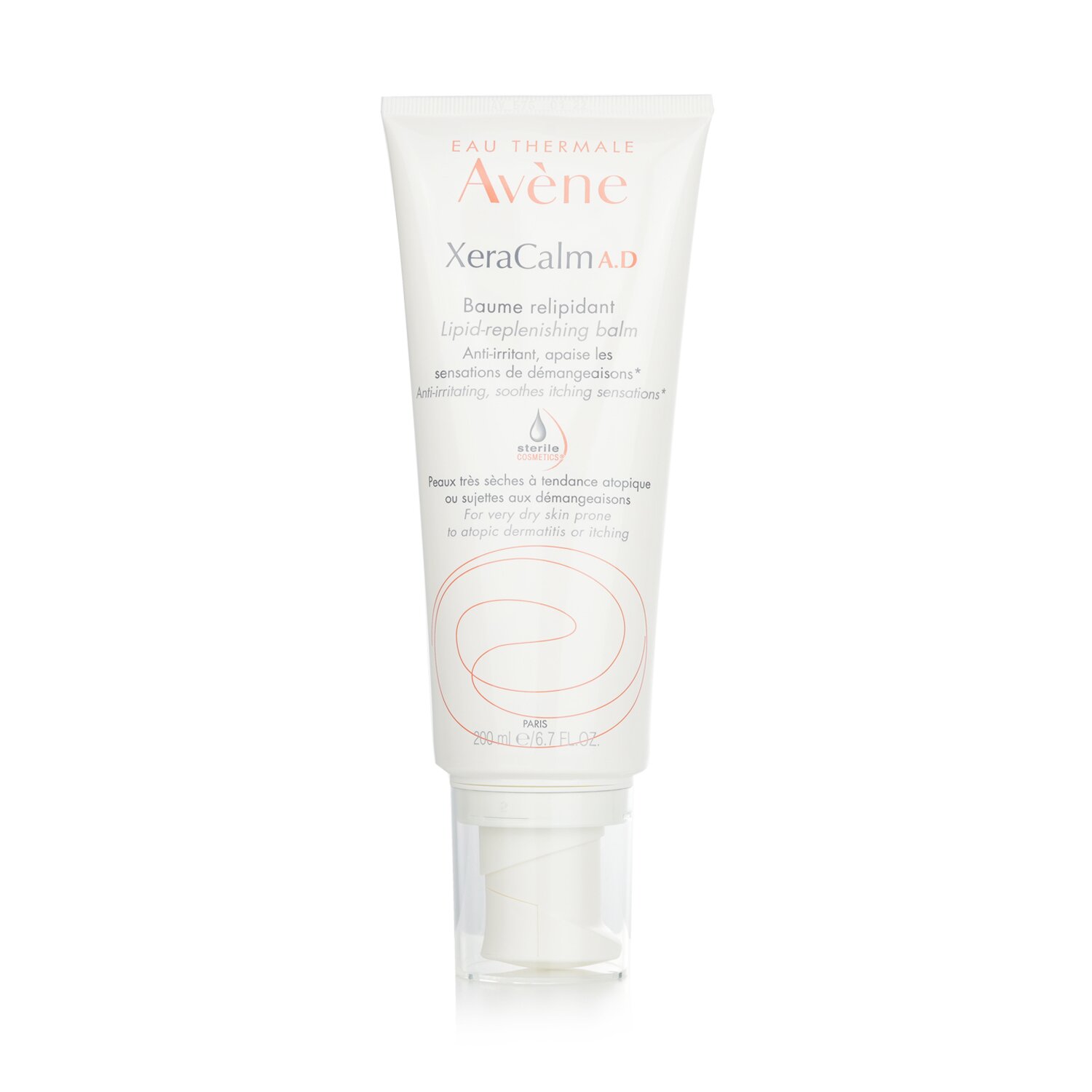
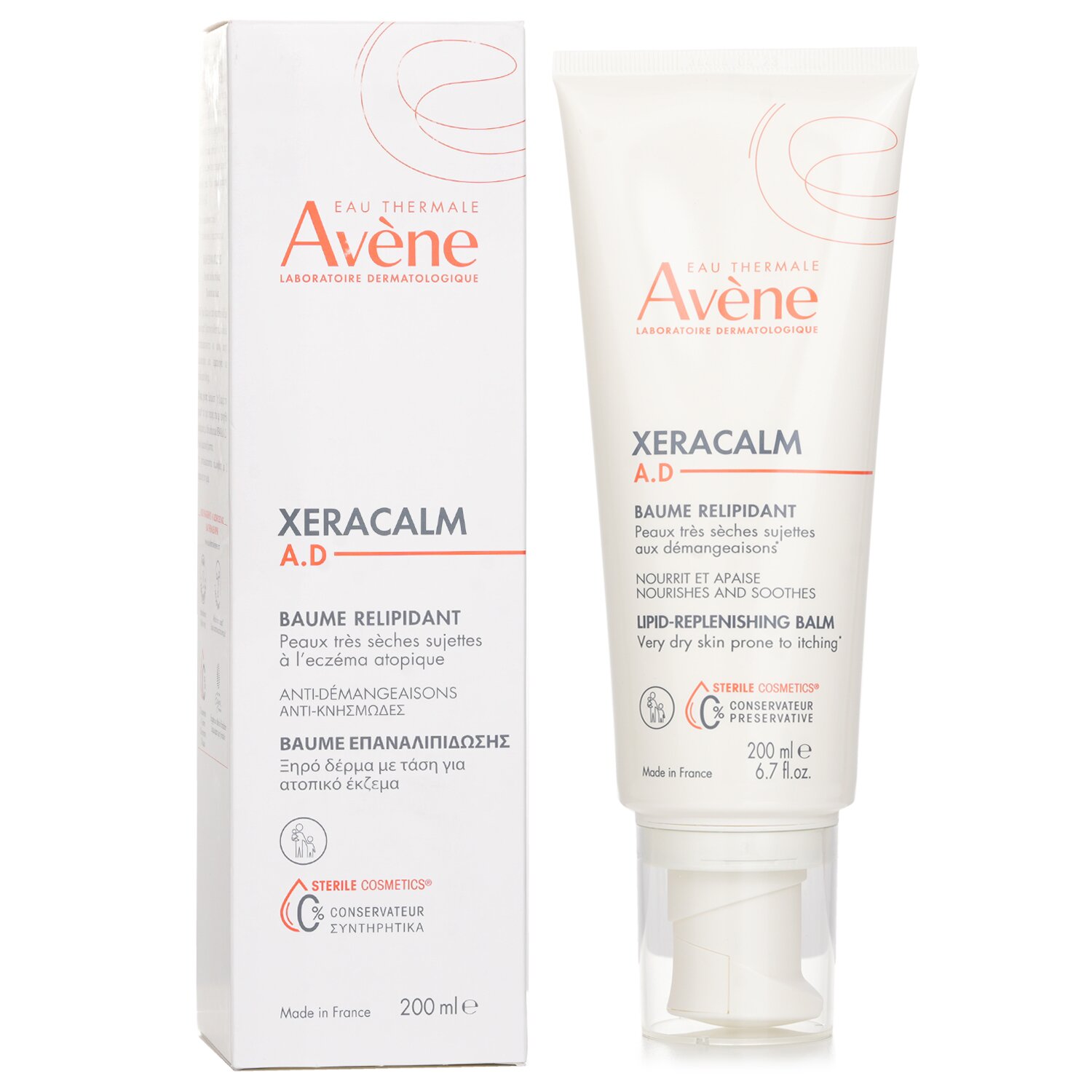
- XeraCalm A.D Lipid-Replenishing Cleansing Oil: For those experiencing extreme dryness or conditions like eczema, this cleansing oil is a superior choice. It contains Cer-omega, a lipid-rich complex that helps to strengthen the skin barrier while cleansing. It is lipid-replenishing, meaning it actively leaves moisture behind after use.
Comparison of Cleansing Approaches for Dry Skin
To determine the best fit for your specific level of dryness, compare the primary characteristics of these drugstore solutions.
| Product Type | Best For | Key Mechanism |
|---|---|---|
| Gel Cleansers | Mildly dry/Combo | Foaming but sulfate-free; light hydration. |
| Cream/Lotion Cleansers | Moderate dryness | Emollient-rich; leaves a protective film. |
| Cleansing Oils | Severe dryness/Eczema | Lipid-replenishing; dissolves debris in oil. |
| Micellar Waters | Sensitive/Fragile | Surfactant-light; removes dirt via micelles. |
Incorporating Cleansers into a 2026 Skincare Routine
As we navigate skincare in 2026, the focus has shifted toward "skinimalism"—the practice of using fewer, more effective products. If you are using an Avène cleanser for dry skin, your routine should be straightforward. Start by applying the cleanser to dampened skin, massaging gently with lukewarm water. Hot water should be avoided, as it further strips the skin of its natural oils.
After cleansing, pat the skin dry with a clean, soft towel rather than rubbing. This is a crucial, often overlooked step; rubbing can cause micro-tears and mechanical irritation, which dry skin is particularly susceptible to. Immediately follow up with a humectant-based serum or a lipid-replenishing moisturizer while the skin is still slightly damp to "lock in" the hydration provided by the cleanser.
Addressing Common Mistakes
One of the most common mistakes is "over-cleansing." Even if a cleanser is high-quality, using it too frequently can disrupt the skin’s recovery process. For most people with dry skin, a gentle cleanse once a day—in the evening—is sufficient. In the morning, simply rinsing the face with cool water or using a light thermal spring water mist is enough to remove sweat and oils produced overnight without over-stripping.
Another mistake is failing to verify the product's suitability for specific conditions. If your dryness is accompanied by burning or stinging, the issue may be a compromised barrier. In this scenario, switching to the Tolérance range from Avène is often the recommended path until the barrier is restored.
Frequently Asked Questions
Does a non-foaming cleanser actually clean the skin? Yes. Cleansing is not dependent on foam. Foaming is a result of surfactants that create bubbles, but the actual removal of dirt and oil occurs through the chemical action of the surfactants capturing debris. A non-foaming, lotion-like cleanser is just as effective at removing surface impurities while being significantly gentler on the skin's moisture levels.
Can I use Avène if I have dry, acne-prone skin? Yes, but look for labels indicating "non-comedogenic." Avène’s gentle formulas are generally designed to avoid clogging pores, which makes them a safe choice for those who need moisture but struggle with breakouts. The key is to ensure the product is not overly heavy or occlusive.
How often should I rotate my facial cleanser? There is no need to rotate cleansers if you have found one that works well. Unlike some active treatments (like retinoids or chemical exfoliants), a gentle cleanser for dry skin is a foundational product that should remain consistent to keep the skin barrier stable.
Is it necessary to use a double-cleanse method for dry skin? Double-cleansing is usually reserved for removing heavy makeup or long-wear sunscreen. If you use a heavy, water-resistant sunscreen, an oil-based cleanser as a first step is appropriate. However, ensure the second step is a soothing, hydration-focused cleanser like the Avène options mentioned to ensure the skin does not feel stripped afterward.
Professional Guidance and Limitations
While Avène is widely recognized for its efficacy, it is important to remember that facial cleansers are "rinse-off" products. They are an essential part of the routine, but they cannot replace the intensive work of topical moisturizers, serums, or professional treatments. If your dryness is persistent, accompanied by deep cracks, bleeding, or an unexplained rash, consult a board-certified dermatologist. These symptoms may indicate an underlying condition such as psoriasis, atopic dermatitis, or a contact allergy that requires prescription-grade intervention rather than over-the-counter drugstore solutions.
For most, however, the combination of a gentle, dermatologically tested cleanser and a consistent, moisture-focused skincare routine will provide the relief and barrier protection needed to maintain healthy, hydrated skin.
Image Gallery