Understanding Amway.com and Its Relationship to Auto Insurance
Searching for "Amway.com auto insurance" often leads to confusion because Amway is a global leader in health, beauty, and home care products, not an insurance provider. While Amway provides various business support tools and insurance-...
Searching for "Amway.com auto insurance" often leads to confusion because Amway is a global leader in health, beauty, and home care products, not an insurance provider. While Amway provides various business support tools and insurance-related resources specifically for its Independent Business Owners (IBOs) to manage their business operations, it does not offer consumer auto insurance policies to the general public.
Contents
Clarifying the Relationship Between Amway and Insurance
To resolve the search intent immediately: Amway.com is not an insurance carrier. You cannot purchase a policy for your personal vehicle through the Amway website or an Amway representative. The confusion often stems from the fact that Amway, as a large-scale organization, maintains complex business insurance requirements to operate internationally.
Furthermore, Amway provides guidance and access to information for its IBOs regarding business-related liabilities. In some regions, Amway may provide informational resources or third-party referrals that help business owners understand the types of commercial coverage they might need to protect their independent operations. However, this is strictly limited to the context of the Amway business model and does not extend to personal lines like auto, home, or life insurance.
Why Amway Does Not Provide Auto Insurance
Amway operates under a direct-selling model. Their core competency lies in the manufacturing and distribution of consumer goods. Entering the highly regulated insurance market would require entirely different operational licenses, actuarial resources, and regulatory oversight that fall outside of the company’s business objectives. Insurance companies are governed by state-level insurance commissioners in the United States and similar regulatory bodies globally, which require specific capital reserves and legal structures that Amway does not possess or claim.
Understanding Insurance Requirements for Business Owners
While Amway does not provide auto insurance, individuals who operate as independent contractors or small business owners—including those involved in direct selling—often find that their personal auto insurance policies contain exclusions for business use. This is a common point of friction for entrepreneurs who use their personal vehicles to deliver products or attend business meetings.
Commercial Use vs. Personal Use
Standard personal auto insurance policies are designed for commuting and personal errands. Once you start using a vehicle to conduct business—such as delivering merchandise, transporting inventory, or visiting clients—your risk profile changes. Most personal insurance companies require an add-on or a separate commercial policy if a vehicle is used for business purposes.
If you are an IBO or an independent entrepreneur, you should review your current auto policy for the following:
- Business Use Exclusion: Does your policy specifically exclude coverage for vehicles used for business activities?
- Commercial Endorsements: Does your current insurer offer a "business use" rider that can be added to your existing policy to bridge the gap?
- Liability Limits: Is your current liability limit sufficient to cover potential accidents that occur while you are actively engaged in business-related transport?
Comparison of Insurance Types for Independent Contractors
If you are currently evaluating your insurance needs as a self-employed individual or an independent business owner, it is helpful to categorize the types of coverage available to you. Since Amway.com does not provide these services, you must turn to licensed insurance brokers or direct-to-consumer insurance carriers.
| Insurance Type | Purpose | Requirement for Contractors |
|---|---|---|
| Personal Auto | Covers your daily commuting and family use. | Required by law in almost all states. |
| Commercial Auto | Covers vehicles used primarily for business tasks. | Essential if you haul inventory or use your car for deliveries. |
| General Liability | Protects against bodily injury or property damage claims. | Recommended for any business entity. |
| Umbrella Policy | Provides excess liability coverage above other limits. | Optional; often used for high-net-worth protection. |
How to Verify Your Insurance Needs
Because you cannot visit Amway.com to secure an auto insurance policy, you must perform your own due diligence. If you are uncertain about whether your current auto insurance covers your business activities, follow this standardized verification process:
- Review your current declarations page: Look for any language regarding "business use" or "commercial activity."
- Contact your insurance agent: Ask a specific, hypothetical question: "If I use my vehicle to transport products for an independent business venture, is that activity covered under my current personal auto policy?"
- Document the response: If your agent confirms you are covered, ask for written confirmation. If they state you are not covered, inquire about the cost of a commercial endorsement or a separate policy.
- Compare quotes: If your current carrier cannot provide the necessary coverage at a competitive rate, shop for quotes from established commercial insurance providers.
The Role of Professional Advice
The information provided here is for educational purposes and does not constitute financial, legal, or insurance advice. Insurance regulations vary significantly by jurisdiction—not just by state, but often by municipality. Because personal and business insurance products are highly customized, you should consult with a licensed insurance broker in your area. These professionals have access to "A.M. Best" rated carriers and can help you navigate the specific language of your state’s insurance code.
Always be wary of online platforms that promise "business insurance for Amway IBOs" that are not explicitly endorsed by an official, verifiable source. Always check if an insurance agent or agency is licensed in your state through your state’s Department of Insurance website.
Frequently Asked Questions
Can I buy insurance through Amway?
No. Amway does not underwrite, sell, or manage personal or commercial auto insurance policies. Any website claiming to provide "Amway auto insurance" is not an official Amway portal and should be treated with caution.
Does my personal car insurance cover my business deliveries?
Most standard personal auto policies exclude coverage for commercial activities. If you use your car to deliver goods, you likely need a commercial auto endorsement or a dedicated commercial policy to ensure you are protected in the event of an accident.
What should I look for in a commercial auto policy?
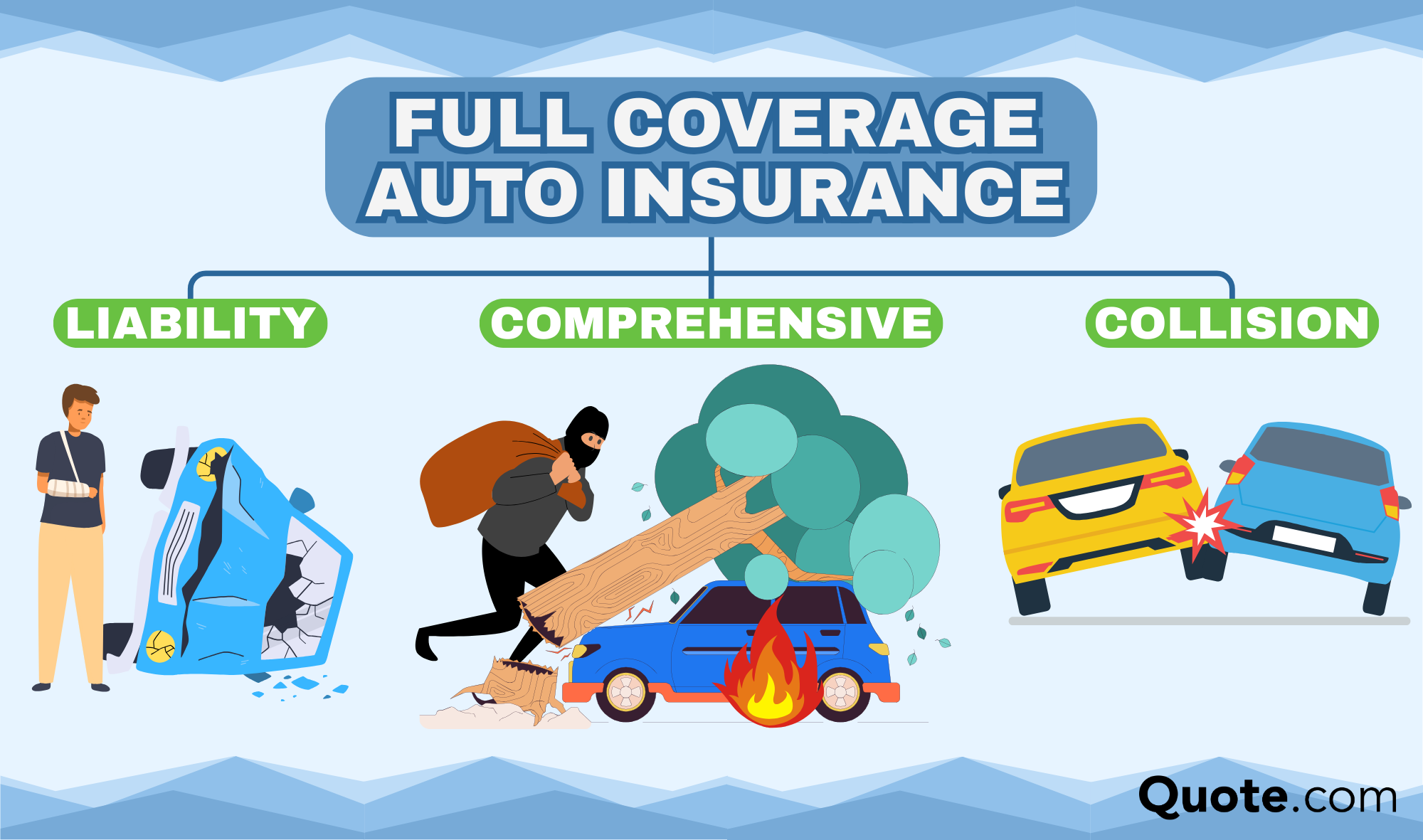
You should look for adequate liability limits, comprehensive and collision coverage, and uninsured/underinsured motorist protection. It is vital to disclose your business usage to the insurer to ensure your claims are not denied due to a lack of disclosure.
Who can help me find the right insurance for my business?
You should contact a licensed insurance broker who specializes in small business or commercial auto insurance. They can assess your specific risk profile and provide quotes from multiple reputable insurance companies.
Where can I find official Amway information?
All official information regarding the Amway business opportunity, product lines, and support resources is located exclusively at Amway.com (or the localized regional domains). If an offer or service is not listed there, it is not affiliated with the company.
Next Steps for Independent Business Owners
If you find yourself in a position where you are using a personal vehicle for business purposes, your immediate priority should be compliance and safety. Do not assume your personal policy provides coverage.
Contact your existing insurance provider today. Explain your business activity clearly—being transparent is the only way to ensure that your insurance coverage remains valid in the event of a claim. If your current provider does not support the level of coverage you need, begin researching independent insurance brokers who can compare multiple commercial policies for you. Securing the right coverage will protect your business assets and provide peace of mind as you grow your independent venture.
Image Gallery